How to Install Tile on Kitchen Floor?
- Sinotiles
- 2026-05-07
Tiling a kitchen floor can feel overwhelming, especially with the fear of mistakes or wasted materials. Many homeowners delay it because of this anxiety.
Installing tile properly requires careful preparation, accurate alignment, choosing durable materials, and knowing the right time to grout. Mastering these steps ensures a lasting and professional finish.
Taking the first step can save hours of frustration and prevent costly errors. Each part of the process is simple if approached methodically, and the results are rewarding.
What preparation is needed for kitchen floor tiling?
Proper preparation prevents uneven floors, broken tiles, and early wear. Without it, even the best materials fail quickly.
Preparation involves cleaning the surface, leveling the floor, and planning your layout before any tiles are laid.
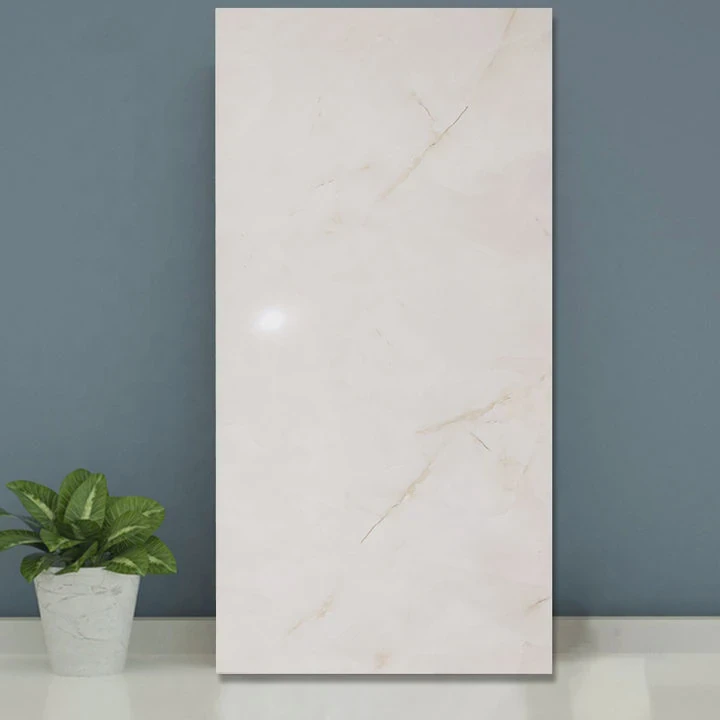
Cleaning and inspecting the subfloor
The subfloor must be free of dust, grease, or old adhesives. A clean surface ensures tiles stick properly. Inspect the floor for cracks, holes, or uneven areas. Minor cracks can be filled with a leveling compound. Uneven spots should be smoothed to avoid tile lippage later.
Leveling the floor
Tiles require a flat surface. Use a long straightedge or level to check for dips or bumps. If there are variations greater than 1⁄8 inch over 10 feet, apply a self-leveling compound. This layer creates a smooth base and prevents future cracking. Always follow manufacturer instructions for drying times.
Planning tile layout
Measure the kitchen carefully. Identify the center point and dry-lay a few tiles to see how they fit. Plan cuts at edges to avoid thin strips, which look unattractive. Decide tile direction, considering room shape and visual flow. Planning now saves frustration during installation.
Gathering tools
Prepare all tools before starting: tile spacers, trowel, tile cutter, level, rubber mallet, and notched trowel. Having everything ready makes the process smoother and avoids mistakes caused by rushing.
| Task | Purpose | Tip |
|---|---|---|
| Clean subfloor | Remove debris | Use mild detergent, let dry completely |
| Level floor | Ensure flatness | Self-leveling compound for dips >1⁄8 inch |
| Plan layout | Avoid awkward cuts | Dry-lay tiles first |
| Gather tools | Smooth workflow | Check blade sharpness |
How do you ensure proper tile alignment?
Misaligned tiles look unprofessional and can cause uneven wear. Proper alignment ensures a polished appearance.
Using spacers, chalk lines, and frequent leveling checks keeps tiles straight and evenly spaced.
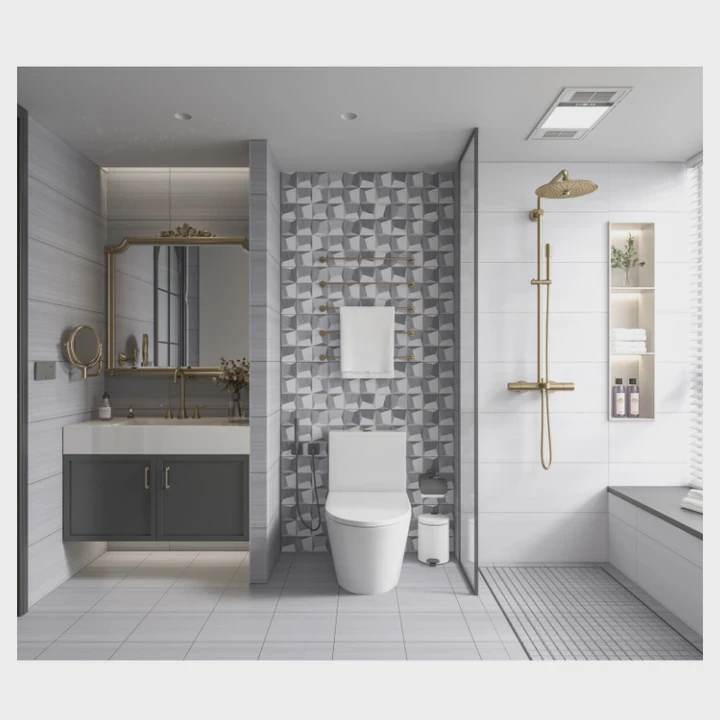
Using spacers
Tile spacers keep grout lines consistent. Select spacer size based on grout width preference, typically 1⁄8 to 1⁄4 inch. Insert spacers at each tile corner. Remove after adhesive dries slightly, but before it hardens fully.
Chalk lines and guides
Snap chalk lines to mark straight rows. Start from the center and move outward, ensuring symmetry. Re-check lines frequently, especially for long runs. Chalk lines act as visual guides, preventing tiles from drifting during installation.
Checking level and alignment
After placing a few tiles, use a level to check both horizontal and vertical alignment. Adjust immediately if any tile is too high or low. Regularly check alignment in both directions to maintain uniformity.
Adjusting during installation
If tiles shift, gently tap with a rubber mallet. Never force tiles into place as it may break them. Minor adjustments while adhesive is still wet prevent long-term issues.
| Method | Tool | Tip |
|---|---|---|
| Spacers | Plastic spacers | Remove before adhesive hardens |
| Chalk lines | Chalk or laser line | Mark starting points clearly |
| Level checks | Spirit level | Check after each row |
| Adjusting tiles | Rubber mallet | Tap gently to avoid cracks |
Which materials are best for kitchen durability?
Choosing the right tile type prevents early wear from spills, heat, and foot traffic. Poor choices lead to damage and costly replacements.
Porcelain and glazed ceramic tiles are most durable for kitchens, resisting moisture, stains, and heavy use.
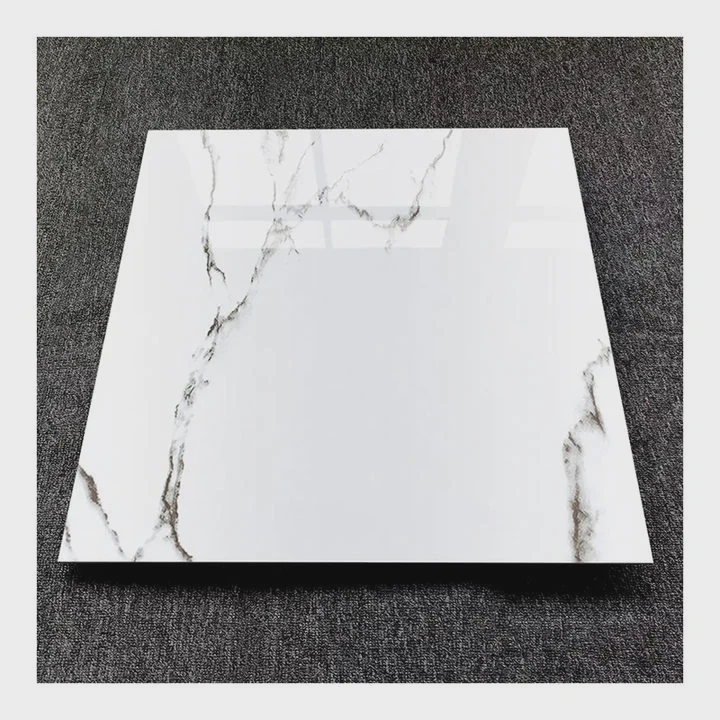
Porcelain tiles
Porcelain is dense and non-porous, making it resistant to water and stains. It handles high foot traffic without cracking. It is suitable for both floor and backsplash use. Its hardness allows for long-lasting use in kitchens with heavy appliances or frequent cooking.
Glazed ceramic tiles
Glazed ceramic offers variety in colors and patterns while still being water-resistant. It is easier to cut and install than porcelain, making it suitable for DIY projects. Glazing also protects against stains and makes cleaning simpler.
Additional considerations
- Slip resistance: Look for textured surfaces in wet areas to prevent accidents.
- Size and thickness: Larger tiles reduce grout lines and cleaning time, but may require extra leveling effort.
- Color and pattern: Lighter colors can hide dust but may show stains. Patterns can enhance visual appeal.
Comparison of common tile types
| Tile Type | Durability | Water Resistance | Cost | Ideal Use |
|---|---|---|---|---|
| Porcelain | High | Excellent | High | High-traffic kitchen floors |
| Glazed ceramic | Medium | Good | Medium | Residential kitchens, easy DIY |
| Natural stone | Medium | Variable | High | Luxury kitchens, requires sealing |
| Vinyl tile | Low | Good | Low | Temporary or budget kitchens |
When should grout be applied after installation?
Grouting too early or late can affect durability and appearance. Incorrect timing may lead to cracks or uneven color.
Grout should be applied after adhesive sets but before tiles fully cure, typically 24 hours after installation.
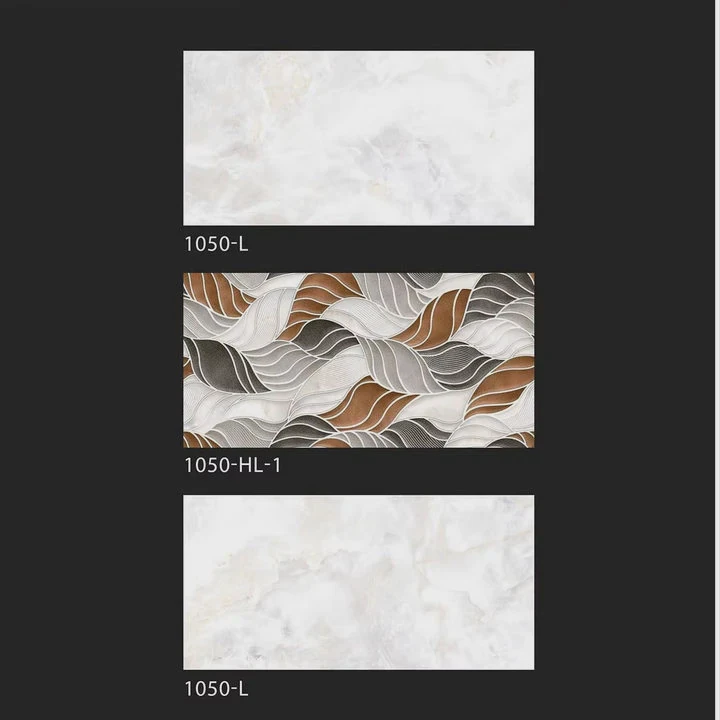
Waiting for adhesive cure
Check the adhesive manufacturer’s instructions. Most set within 24 hours. Walking on tiles before adhesive cures can misalign them. Waiting ensures grout bonds properly and prevents hollow spots under tiles.
Mixing and applying grout
Mix grout according to instructions. Apply with a rubber float at a 45-degree angle to fill gaps fully. Work in small sections to maintain a clean surface. Remove excess grout with a damp sponge before it hardens.
Curing and sealing
After grouting, let it cure for 24 to 72 hours depending on type. Seal grout to prevent stains and moisture damage, especially in kitchens where spills are common. Proper sealing extends lifespan and keeps grout looking new.
Maintaining tiled floors
Regular cleaning preserves grout and tile appearance. Avoid harsh chemicals that can erode grout. Periodic re-sealing ensures water resistance. Using mats in high-traffic areas further protects tiles.
| Step | Timing | Tip |
|---|---|---|
| Adhesive set | 24 hours | Avoid walking on tiles |
| Apply grout | After adhesive cures | Use rubber float at angle |
| Clean excess | Immediately | Damp sponge works best |
| Seal grout | 24-72 hours after grouting | Prevents stains and moisture damage |
Conclusion
Installing kitchen floor tiles is manageable when preparation, alignment, material choice, and grouting timing are done correctly. Attention to detail ensures durability and a professional look that lasts for years.