How to Hang Tile on Wall?
- Sinotiles
- 2026-06-08
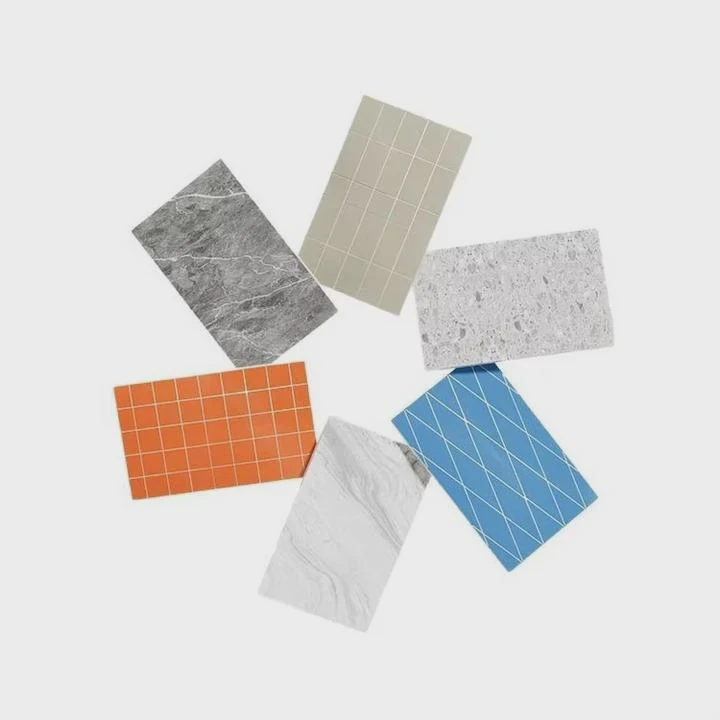
Many wall tile projects fail because the surface is not ready, the layout is poor, or the wrong materials are used. These mistakes can lead to loose tiles, uneven lines, and costly repairs.
To hang tile on a wall successfully, the surface must be clean, stable, and properly prepared. Careful layout planning, correct adhesive selection, and proper installation methods help create a durable and professional-looking tiled wall.
Many people focus only on the tiles themselves. In reality, preparation and installation methods matter just as much. Understanding each step before starting can help avoid common problems and improve the final result.
What Preparation Ensures Proper Adhesion?
Small mistakes during preparation often cause major problems later. Tiles may crack, shift, or detach from the wall if the surface is not ready for installation.
Proper adhesion starts with a clean, dry, level, and structurally sound surface. Dust, grease, loose paint, and moisture must be removed before applying adhesive and installing wall tiles.
Good preparation is the foundation of every successful tile installation. Before opening a bag of adhesive or unpacking a box of tiles, the wall needs careful inspection.
Check the Wall Condition
The first task is to examine the wall surface. A wall may look acceptable at first glance, but hidden issues can affect adhesion.
Common problems include:
| Problem | Impact on Tile Installation |
|---|---|
| Loose paint | Adhesive may fail |
| Cracks | Tiles may crack later |
| Moisture damage | Weakens bonding |
| Uneven surface | Creates lippage |
| Dust and dirt | Reduces adhesion |
Any damaged area should be repaired before tile installation begins.
Clean the Surface Thoroughly
A clean wall helps adhesive bond directly to the substrate.
The cleaning process usually includes:
- Removing dust and debris
- Washing grease or oil stains
- Scraping off peeling paint
- Eliminating old wallpaper residue
- Allowing the surface to dry completely
Even a thin layer of dust can weaken adhesive performance.
Verify Surface Flatness
Wall tiles need a relatively flat surface. Large bumps or depressions can make alignment difficult.
A long straightedge can help identify uneven areas. High spots should be sanded down. Low spots may need patching compound or leveling material.
Many professional installers aim for minimal variation across the installation area because flatter walls lead to cleaner grout lines and stronger bonding.
Prime When Necessary
Certain wall materials absorb moisture quickly. Cement boards, plaster surfaces, and repaired areas may benefit from primer.
Primer helps:
- Control moisture absorption
- Improve adhesive grip
- Reduce drying inconsistencies
The exact primer depends on the substrate and adhesive being used.
Plan the Tile Layout Early
Preparation is not only about the wall. It also includes planning the tile pattern.
Before installation, many installers:
- Measure the wall.
- Find the center point.
- Dry-lay several tiles.
- Calculate edge cuts.
- Adjust layout for balance.
This planning step helps avoid very narrow tile cuts near corners or ceilings.
A well-prepared wall gives the adhesive the best chance to perform correctly and helps the finished tile installation remain secure for many years.
How Can Tiles Be Aligned Evenly?
Uneven tiles can quickly ruin the appearance of a wall. Even high-quality tiles may look poor when spacing and alignment are inconsistent.
Tiles can be aligned evenly by establishing reference lines, using spacers, checking level frequently, and working in controlled sections rather than rushing through the installation.
Tile alignment is often what separates a professional-looking project from an amateur installation. Careful layout and continuous checking are essential.
Start with Reference Lines
Many beginners assume the first row should begin at the floor. This can create problems because floors are not always perfectly level.
Instead, installers often create reference lines using:
- Spirit levels
- Laser levels
- Chalk lines
- Straightedges
These lines guide the entire installation.
Establish a Control Point
The center of the wall is often used as a starting point.
This approach offers several advantages:
| Layout Method | Benefit |
|---|---|
| Center layout | Balanced appearance |
| Corner layout | Faster for small spaces |
| Feature-centered layout | Highlights focal points |
| Pattern-centered layout | Improves symmetry |
Balanced cuts on both sides generally create a more attractive result.
Use Tile Spacers
Tile spacers help maintain consistent grout joints.
Common spacer sizes include:
- 1.5 mm
- 2 mm
- 3 mm
- 5 mm
The best size depends on tile dimensions, style, and design preference.
Without spacers, grout lines can gradually become uneven across the wall.
Check Every Few Rows
Alignment errors become harder to correct as installation progresses.
Many installers stop regularly to verify:
- Horizontal level
- Vertical plumb
- Joint consistency
- Surface flatness
Small corrections made early prevent larger issues later.
Use Tile Leveling Systems
Large-format tiles have become increasingly popular. These tiles require greater attention because slight variations become more visible.
A tile leveling system can help reduce:
- Lippage
- Uneven edges
- Height differences
These systems typically use clips and wedges to hold adjacent tiles at the same height while adhesive cures.
Avoid Rushing the Installation
One lesson learned from many wall tile projects is that speed often creates mistakes.
A slower approach allows time to:
- Adjust tile position
- Remove excess adhesive
- Verify spacing
- Correct alignment
Monitor Pattern Consistency
Some wall designs use:
- Brick patterns
- Herringbone layouts
- Vertical stacking
- Horizontal stacking
Each pattern requires careful monitoring.
A small shift in the first few rows can affect the entire design. Frequent visual inspection helps maintain consistency.
Even alignment is achieved through planning, patience, and constant checking. The more attention given to layout, the more professional the finished wall will appear.
Why Is Backer Board Often Recommended?
Many wall tile failures occur because the substrate behind the tile is not suitable. The visible tile may look strong, but the supporting surface determines long-term performance.
Backer board is often recommended because it provides a stable, moisture-resistant, and durable surface that improves tile adhesion and reduces the risk of movement-related failures.
Backer board has become a standard component in many wall tile installations, especially in wet environments such as bathrooms and showers.
What Is Backer Board?
Backer board is a rigid panel designed specifically for tile installation.
Common types include:
| Backer Board Type | Main Feature |
|---|---|
| Cement board | High durability |
| Fiber cement board | Lightweight strength |
| Foam board | Excellent moisture resistance |
| Glass mat board | Mold resistance |
Each option offers advantages depending on project requirements.
Improved Stability
Walls naturally expand and contract due to temperature changes and building movement.
Some materials handle this movement better than others.
Backer board provides:
- Strong support
- Reduced flexing
- Better load distribution
- Improved tile stability
Tiles perform best when movement is minimized.
Better Moisture Resistance
Moisture is one of the biggest threats to wall tile installations.
Standard drywall may absorb water, weaken, and eventually fail.
Backer boards designed for tile use often resist:
- Water penetration
- Mold growth
- Structural deterioration
This protection is especially important in showers, kitchens, and laundry rooms.
Enhanced Adhesive Performance
Tile adhesives bond effectively to surfaces designed for tile installation.
Backer board surfaces typically offer:
- Consistent texture
- Strong mechanical bonding
- Stable curing conditions
This helps improve overall installation reliability.
Common Installation Areas
Backer board is frequently used in:
- Shower walls
- Bathtub surrounds
- Kitchen backsplashes
- Commercial restrooms
- Exterior covered walls
These locations often experience moisture or heavy use.
Comparing Drywall and Backer Board
Many people wonder whether drywall is sufficient.
The answer depends on the environment.
| Feature | Drywall | Backer Board |
|---|---|---|
| Moisture Resistance | Low | High |
| Tile Support | Moderate | Excellent |
| Durability | Moderate | High |
| Shower Use | Not Ideal | Recommended |
| Long-Term Stability | Lower | Higher |
Drywall may be acceptable for some dry indoor spaces. Wet areas generally benefit from dedicated backer board systems.
Long-Term Value
Backer board adds cost and installation time. However, it can reduce the likelihood of future repairs.
Replacing failed wall tiles often requires:
- Tile removal
- Substrate replacement
- Waterproofing repairs
- Reinstallation
These repairs usually cost far more than installing proper backer board from the beginning.
For many professional installers, backer board is not simply an optional upgrade. It is an important part of building a reliable wall tile system that can withstand years of daily use.
Which Adhesives Work Best for Wall Tiles?
Even perfectly prepared walls and carefully aligned tiles can fail if the wrong adhesive is used. Adhesive selection plays a major role in the durability of the installation.
The best adhesive for wall tiles depends on tile size, weight, wall material, and environmental conditions. Modified thin-set mortar is commonly preferred because it provides strong bonding and long-term performance.
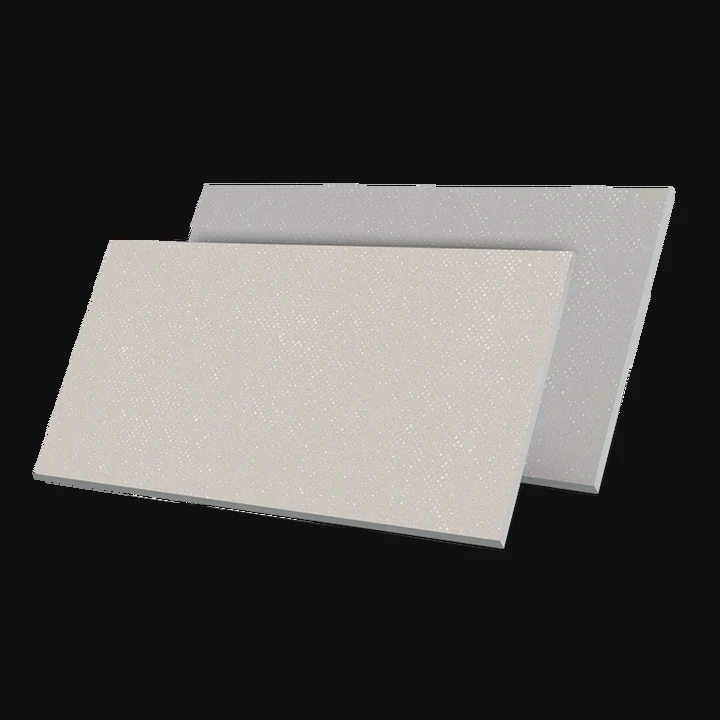
Choosing an adhesive should never be an afterthought. Different tile materials and installation environments require different bonding solutions.
Understanding Common Adhesive Types
Several adhesive categories are commonly used for wall tile projects.
| Adhesive Type | Typical Application |
|---|---|
| Modified thin-set mortar | Most wall tile projects |
| Unmodified thin-set mortar | Specific membrane systems |
| Mastic adhesive | Dry indoor walls |
| Epoxy adhesive | High-performance environments |
Each product has strengths and limitations.
Modified Thin-Set Mortar
Many professional installers prefer modified thin-set mortar for wall applications.
Benefits include:
- Strong bond strength
- Good flexibility
- Moisture resistance
- Wide compatibility
It works well with ceramic tiles, porcelain tiles, and many large-format products.
Mastic Adhesive
Mastic is a premixed adhesive that offers convenience.
Advantages include:
- Easy application
- No mixing required
- Strong initial grab
However, mastic is generally better suited for dry interior walls.
Areas exposed to constant moisture may require cement-based mortar instead.
Adhesive Selection by Tile Type
Different tiles place different demands on the adhesive.
Ceramic Tiles
Ceramic wall tiles are relatively lightweight.
Suitable options often include:
- Modified thin-set
- Quality mastic
Porcelain Tiles
Porcelain tiles absorb very little water.
Because of this characteristic, stronger bonding products are often preferred.
Modified thin-set mortar is commonly recommended.
Large-Format Tiles
Large tiles create greater loads on vertical surfaces.
These installations often benefit from:
- Large-format tile mortars
- Non-sag adhesives
- Enhanced bond formulations
Non-sag products help prevent tiles from sliding during installation.
Environmental Considerations
The installation environment affects adhesive choice.
Common examples include:
| Location | Recommended Approach |
|---|---|
| Bathroom | Moisture-resistant mortar |
| Shower | Waterproof-compatible mortar |
| Kitchen backsplash | Thin-set or mastic |
| Commercial wall | High-performance mortar |
| Exterior wall | Weather-resistant mortar |
Selecting adhesive based on environmental conditions helps maximize durability.
Proper Adhesive Application
Even the best adhesive performs poorly when applied incorrectly.
Important practices include:
- Following manufacturer instructions
- Mixing properly
- Using the correct trowel size
- Maintaining consistent coverage
- Avoiding skin-over conditions
Coverage is especially important behind large-format tiles.
Coverage Requirements
Many installers use the back-buttering technique for larger wall tiles.
This method improves contact between:
- Tile surface
- Adhesive layer
- Wall substrate
Higher coverage reduces voids and improves bond strength.
Focus on System Compatibility
Successful wall tile installations depend on compatibility among:
- Tile type
- Backer board
- Waterproofing membrane
- Adhesive
Using products designed to work together often produces better results than combining unrelated materials.
When adhesive selection matches the tile, substrate, and installation environment, the wall tile system becomes stronger, safer, and more reliable over the long term.
Conclusion
Wall tile installation begins long before the first tile reaches the wall. Proper preparation, accurate alignment, reliable backer board, and suitable adhesive selection work together to create a durable, attractive, and professional-quality tiled surface.