How To Install A Tile Shower Floor: What Steps Ensure A Leak-Free Finish?
- Sinotiles
- 2026-04-18
Many people want a beautiful shower floor, but leaks and poor drainage often cause serious problems. A small mistake can lead to water damage and costly repairs.
To install a tile shower floor correctly, you must prepare the base, create proper slope, apply waterproofing, and follow the right timing for grouting and sealing.
A shower floor is not like a normal tile floor. Water exposure is constant. Every step must focus on drainage and waterproofing to ensure long-term performance.
What preparation is needed for shower floor tiling?
Many failures in shower floors begin with poor preparation. If the base is not correct, tiles will not last, and water may leak underneath.
Proper preparation includes building a solid subfloor, installing a shower pan or mortar bed, ensuring level support, and cleaning the surface before tiling.
Preparation is the most critical stage. Once tiles are installed, fixing hidden problems becomes very difficult.
Subfloor Requirements
The base must be strong and stable.
- Use concrete or cement backer board
- Ensure no movement or flex
- Reinforce weak areas
Movement can cause tiles and grout to crack.
Installing a Shower Base
There are two common methods:
1. Pre-Formed Shower Pan
- Easy to install
- Factory-made slope
- Suitable for beginners
2. Mortar Bed (Custom Base)
- Flexible design
- Better for custom layouts
- Requires more skill
Surface Preparation Steps
- Clean all dust and debris
- Check for flatness before slope creation
- Ensure proper drain placement
Preparation Checklist Table
| Task | Purpose | Risk if Ignored |
|---|---|---|
| Strong Subfloor | Support weight | Cracking or movement |
| Shower Base Installation | Water direction | Pooling water |
| Surface Cleaning | Adhesion | Weak bonding |
| Drain Position Check | Proper flow | Drainage issues |
Practical Insight
In one project, a weak subfloor caused slight movement. After a few months, grout lines cracked and water seeped through.
Key Takeaway
Preparation defines durability. A strong and stable base prevents most long-term problems.
How do you create proper slope for drainage?
Improper slope is one of the most common mistakes in shower floor installation. Water must flow naturally toward the drain.
A proper shower floor slope is typically 1⁄4 inch per foot toward the drain, ensuring efficient water drainage and preventing pooling.
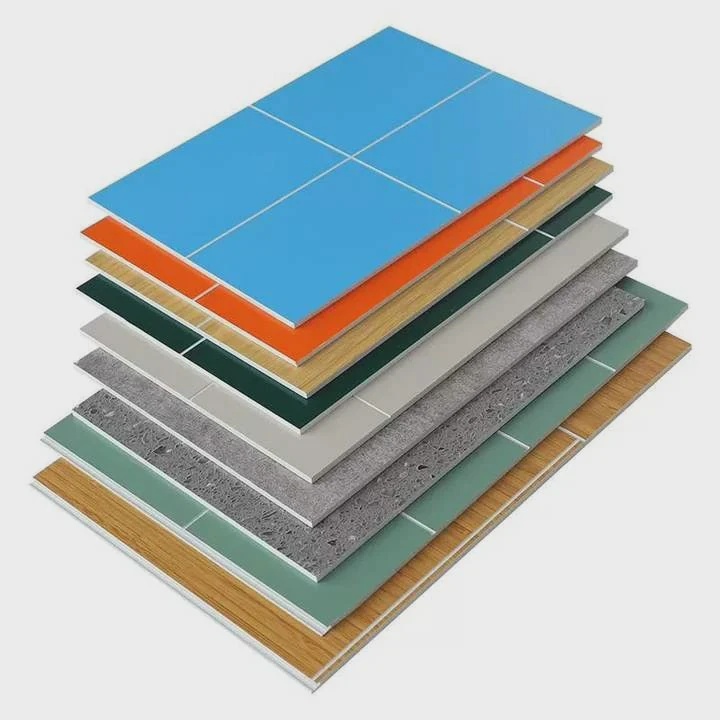
Slope is not optional. It is essential for both function and hygiene.
Standard Slope Rule
The general guideline:
- 1⁄4 inch drop per foot distance
This creates enough angle for water to flow without discomfort when standing.
Methods to Create Slope
1. Pre-Sloped Shower Pans
- Built-in slope
- Consistent results
- Easy for beginners
2. Mortar Bed Shaping
- Use screed guides
- Shape slope manually
- Requires precision
Slope Creation Steps
- Mark height at edges
- Set lower point at drain
- Use level to guide slope
Slope Accuracy Table
| Method | Accuracy Level | Difficulty Level |
|---|---|---|
| Pre-Formed Pan | High | Low |
| Mortar Bed | Medium to High | High |
Common Slope Mistakes
- Flat areas causing water pooling
- Too steep slope causing discomfort
- Uneven slope creating puddles
Practical Insight
In one installation, a slight flat spot caused water to collect in one corner. Over time, mold developed despite regular cleaning.
Key Takeaway
Slope must be consistent and precise. Even small errors affect performance.
Which waterproofing methods are required?
Waterproofing is the most important defense against leaks. Without it, even perfect tiles will not protect the structure.
Effective waterproofing methods include liquid membranes, waterproof sheets, and proper sealing of joints and corners before tile installation.
Tiles are not waterproof. The layer beneath them must stop water completely.
Common Waterproofing Methods
1. Liquid Waterproof Membrane
- Applied with brush or roller
- Forms seamless coating
- Easy to apply
2. Sheet Membrane Systems
- Pre-made waterproof sheets
- Installed with adhesive
- Very reliable
3. Waterproof Backer Boards
- Built-in moisture resistance
- Used as base layer
Waterproofing Comparison Table
| Method | Protection Level | Ease of Use |
|---|---|---|
| Liquid Membrane | High | Easy |
| Sheet Membrane | Very High | Moderate |
| Backer Board | Medium | Easy |
Critical Areas to Protect
- Floor surface
- Corners and edges
- Around drain
- Wall-to-floor joints
Application Tips
- Apply multiple coats for liquid membrane
- Ensure full coverage
- Allow proper drying time
Practical Insight
In one case, skipping waterproofing at corners caused slow leaks. Damage appeared months later behind walls.
Key Takeaway
Waterproofing is not visible after installation, but it is the most important layer.
When should grout and sealant be applied?
Many people rush to finish the project and apply grout too early. This can damage the installation and reduce durability.
Grout should be applied after adhesive fully cures (usually 24-48 hours), and sealant should be applied after grout has dried to protect against moisture.
Timing is essential for the final steps.
Grouting Timeline
- Wait at least 24 hours after tile installation
- Ensure tiles are stable
- Remove spacers before grouting
Sealant Application
Sealant is applied after grout cures.
- Protects grout from water
- Reduces staining
- Extends lifespan
Timing Table
| Step | Recommended Time | Purpose |
|---|---|---|
| Grouting | 24-48 hours after tile | Fill joints |
| Sealant | After grout cures | Protect surface |
Grouting Tips
- Use waterproof grout for showers
- Apply evenly with float
- Clean excess quickly
Common Mistakes
- Grouting too early
- Skipping sealant
- Using too much water when cleaning
Practical Insight
In one shower project, early grouting caused slight tile movement. This led to uneven joints and required repairs.
Key Takeaway
Patience during finishing steps ensures long-term durability and appearance.
Conclusion
Installing a tile shower floor requires careful preparation, precise slope, reliable waterproofing, and proper finishing timing. Each step plays a critical role in creating a durable, leak-free, and long-lasting shower system.