How to install ceramic tile flooring?
- Sinotiles
- 2026-04-03
A poorly installed tile floor cracks, shifts, and looks uneven. Many people rush the process and regret it later. A clear method can prevent costly mistakes.
Installing ceramic tile flooring requires proper surface preparation, accurate layout planning, correct tools, and careful finishing steps like sealing. Following a structured process ensures durability and a professional result.
Most people focus on the tiles themselves, but the real success comes from preparation and planning. Each step builds on the last. Skipping one step often leads to visible problems later.
What steps ensure proper floor tile installation?
A rushed installation often leads to loose tiles and uneven surfaces. Many beginners underestimate preparation. This mistake causes long-term damage and extra repair costs.
Proper tile installation includes surface preparation, applying adhesive correctly, placing tiles evenly, and allowing proper curing time. Each step ensures stability, durability, and a clean final appearance.
The process starts with a clean and level surface. This step is often ignored, but it is the most critical part. Dust, grease, or uneven subfloors will affect how tiles bond.
Surface Preparation
A strong base supports the entire floor. Any weakness below will show above.
- Remove old flooring completely
- Clean all dust and debris
- Check for cracks or holes
- Use leveling compound if needed
A flat surface helps tiles sit evenly. Even a small bump can cause lippage, where tile edges are not aligned.
Applying Adhesive
Tile adhesive must be spread evenly. A notched trowel helps control thickness.
- Use the correct adhesive type
- Spread in small sections
- Keep lines consistent
If adhesive dries before tile placement, bonding strength drops. This leads to loose tiles later.
Tile Placement
Tiles must be placed carefully and consistently.
- Press tiles firmly into adhesive
- Use spacers for even gaps
- Check alignment regularly
A level tool should be used often. This prevents uneven surfaces.
Curing Time
After installation, tiles need time to set.
| Step | Recommended Time |
|---|---|
| Initial setting | 24 hours |
| Light foot traffic | 48 hours |
| Full curing | 72 hours |
Walking too early on tiles can shift them. This causes misalignment that cannot be fixed later.
Grouting
Grout fills gaps and locks tiles together.
- Apply after adhesive cures
- Remove excess grout quickly
- Clean surface with sponge
Grouting also improves appearance and prevents moisture from entering gaps.
Proper installation is not about speed. It is about control and patience. Each step must be done carefully to achieve a long-lasting result.
How do you plan layout for ceramic tiles?
Poor layout planning leads to awkward cuts and uneven edges. Many floors look unbalanced because layout was not considered in advance.
Planning tile layout involves measuring the space, marking center lines, dry-laying tiles, and adjusting for symmetry. This ensures balanced cuts and a visually appealing design.
Layout planning starts before any adhesive is used. This step determines how the final floor will look.
Measure the Space
Accurate measurement is the foundation.
- Measure length and width
- Calculate total area
- Identify focal points
A mistake in measurement leads to wasted material and poor alignment.
Find the Center
Start from the center of the room, not the edges.
- Mark midpoint of each wall
- Draw intersecting lines
This creates a balanced layout. Tiles will spread evenly from the center outward.
Dry Layout
Before fixing tiles, place them without adhesive.
- Lay tiles along guide lines
- Check edge cuts
- Adjust positioning
This step reveals potential problems early. It helps avoid thin tile cuts along walls.
Adjust for Symmetry
Symmetry improves visual appeal.
| Layout Issue | Solution |
|---|---|
| Small edge pieces | Shift layout slightly |
| Uneven tile lines | Recheck center alignment |
| Pattern mismatch | Recalculate starting point |
A small adjustment at the beginning can improve the entire floor.
Consider Tile Pattern
Different patterns change the layout approach.
- Straight grid is easiest
- Offset pattern needs spacing control
- Diagonal layout requires more cutting
Each pattern affects waste and installation time.
Plan for Expansion Gaps
Tiles expand slightly with temperature changes.
- Leave small gaps near walls
- Cover with baseboards
Ignoring this can cause tiles to crack over time.
Layout planning is not just technical. It also affects design. A well-planned layout makes even simple tiles look premium.
Which tools are essential for installation?
Using the wrong tools makes installation harder and less accurate. Many beginners try to improvise, which leads to poor results.
Essential tile installation tools include a notched trowel, tile cutter, spacers, level, and grout float. These tools ensure precision, consistency, and efficiency during the process.
Each tool has a specific role. Skipping one often affects quality.
Basic Tools List
These tools are required for most projects:
- Notched trowel
- Tile cutter or wet saw
- Tile spacers
- Spirit level
- Rubber mallet
- Grout float
- Sponge and bucket
Each tool improves accuracy and speed.
Cutting Tools
Tiles often need cutting to fit edges.
- Manual cutter for straight cuts
- Wet saw for complex cuts
A clean cut improves final appearance. Rough edges look unprofessional.
Alignment Tools
Keeping tiles straight is critical.
- Spacers maintain equal gaps
- Level checks flatness
Without these tools, tiles can shift easily.
Adhesive Tools
Applying adhesive evenly is important.
| Tool | Function |
|---|---|
| Notched trowel | Controls adhesive thickness |
| Mixing drill | Blends adhesive evenly |
| Bucket | Holds adhesive mixture |
Even adhesive distribution prevents hollow spots under tiles.
Finishing Tools
After tiles are set, finishing tools are used.
- Grout float spreads grout
- Sponge cleans excess grout
- Cloth polishes tiles
These tools improve final look and durability.
Safety Tools
Safety should not be ignored.
- Gloves protect hands
- Goggles protect eyes
- Knee pads reduce strain
Tile installation takes time. Comfort and safety matter for consistent work.
Using proper tools is not optional. It directly affects the final result. Good tools also save time and reduce mistakes.
When should sealing be applied after tiling?
Many people skip sealing or apply it too early. This leads to stains, moisture damage, and weak grout performance.
Sealing should be applied after grout has fully cured, usually 48 to 72 hours after installation. Proper timing ensures maximum protection against moisture and stains.
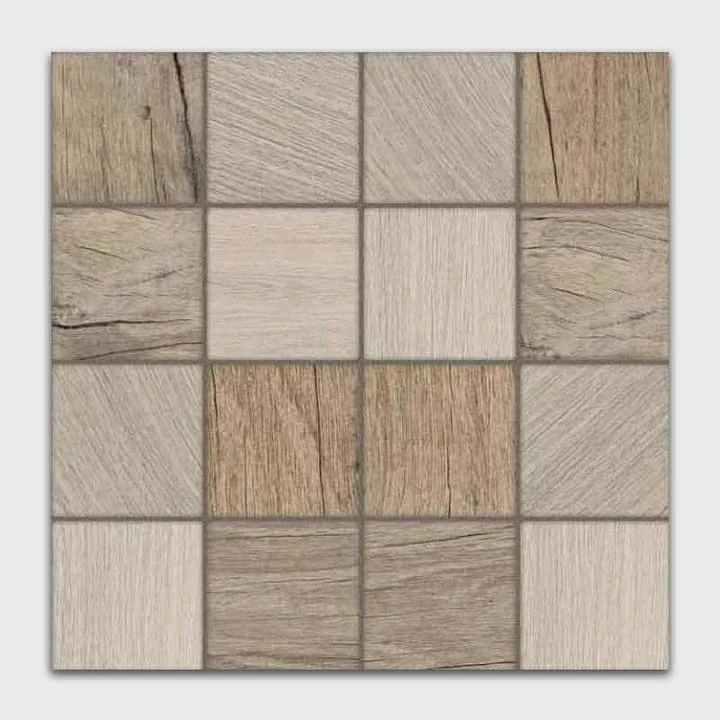
Sealing protects both tiles and grout. It extends the life of the floor.
Timing of Sealing
Correct timing is important.
- Wait at least 48 hours after grouting
- Ensure surface is dry and clean
Applying sealer too early traps moisture. This weakens the grout.
Types of Sealers
Different sealers serve different purposes.
- Penetrating sealers absorb into grout
- Surface sealers create a protective layer
Penetrating sealers are more common for ceramic tile floors.
Application Process
Sealing must be done evenly.
- Use a brush or applicator
- Apply in thin layers
- Wipe excess quickly
Uneven sealing can leave visible marks.
Areas That Need Sealing
Not all surfaces require the same attention.
| Area | Sealing Importance |
|---|---|
| Grout lines | High |
| Tile surface | Medium |
| Edges/corners | High |
Grout is the most vulnerable part. It absorbs water easily.
Maintenance After Sealing
Sealing is not permanent.
- Reapply every 1-2 years
- Clean with mild products
- Avoid harsh chemicals
Proper maintenance keeps the floor looking new.
Common Mistakes
- Sealing before grout cures
- Using too much sealer
- Skipping cleaning before sealing
These mistakes reduce effectiveness.
Sealing is often seen as optional. In reality, it is essential for long-term durability. It protects the investment and reduces maintenance costs.
Conclusion
Installing ceramic tile flooring requires careful planning, proper tools, and patience. Each step matters. A structured approach ensures a durable, clean, and professional-looking floor that lasts for years.