how to remove tile from concrete floor?
- Sinotiles
- 2026-04-03
Removing tiles from a concrete floor can feel overwhelming. Many people worry about damage, wasted time, and messy results. The process often looks harder than it really is.
Removing tile from a concrete floor requires the right tools, controlled breaking methods, and proper cleanup steps. With a clear process, anyone can remove tiles efficiently without damaging the concrete underneath.
Once the basics are clear, the job becomes much easier. Each step has its own method and logic. Understanding them helps avoid costly mistakes and saves time during the project.
What tools are needed for tile removal on concrete?
Tiles can be stubborn. Many people start without the right tools and quickly get stuck. This leads to frustration and even damage to the floor.
The essential tools include a hammer, chisel, pry bar, floor scraper, and power tools like a rotary hammer. Safety gear is also necessary to protect from dust and debris.
Choosing the right tools makes the biggest difference in tile removal. A simple hammer and chisel can work for small areas. But for larger spaces, power tools save time and energy.
Basic hand tools
Hand tools are useful for controlled work. They help when precision matters.
- Hammer
- Cold chisel
- Pry bar
- Floor scraper
These tools allow careful removal, especially near edges or walls.
Power tools for efficiency
Power tools speed up the process. They reduce physical effort and improve consistency.
- Rotary hammer with chisel bit
- Electric floor scraper
- Angle grinder (for grout lines)
These tools are ideal for large areas or thick tiles.
Safety equipment
Safety should never be ignored. Tile removal creates dust and sharp debris.
- Safety goggles
- Gloves
- Dust mask or respirator
- Knee pads
Tool comparison table
| Tool Type | Best For | Advantages | Limitations |
|---|---|---|---|
| Hammer & Chisel | Small areas | Low cost, precise | Slow and tiring |
| Pry Bar | Lifting tiles | Easy leverage | Limited power |
| Rotary Hammer | Large areas | Fast, powerful | Higher cost |
| Floor Scraper | Adhesive removal | Smooth finish | Needs effort or power |
A good approach is to combine tools. Start with power tools for bulk removal. Then switch to hand tools for detail work. This balance improves both speed and quality.
How do you break tiles without damaging substrate?
Breaking tiles can easily go wrong. Many people apply too much force and damage the concrete underneath. This creates extra repair work.
Tiles should be broken by targeting grout lines and applying controlled force at shallow angles. This method protects the concrete while allowing efficient removal.
The key idea is control. Instead of smashing tiles randomly, the process should follow a pattern.
Start from weak points
Tiles are weakest at the grout lines. These joints are easier to break.
- Use a chisel to open grout lines
- Create a starting gap
- Work from edges inward
This reduces resistance and makes removal easier.
Use the correct angle
The angle of the tool matters a lot.
- Keep the chisel at a low angle
- Avoid vertical удар (direct downward force)
- Slide under tiles instead of hitting down
This prevents damage to the concrete surface.
Apply steady force
Force should be controlled, not aggressive.
- Use repeated light ????? (hits)
- Avoid sudden strong blows
- Let the tool do the work
Common mistakes to avoid
| Mistake | Result | Solution |
|---|---|---|
| Hitting straight down | Concrete damage | Use shallow angle |
| Skipping grout removal | Harder tile breakage | Open grout lines first |
| Using too much force | Cracks in substrate | Apply controlled ????? |
| Ignoring edges | Uneven removal | Start from edges or cracks |
Substrate protection tips
Concrete is strong but not indestructible. Careful technique keeps it intact.
- Work slowly in the beginning
- Test a small area first
- Adjust tools based on tile type
This approach reduces risk and ensures a smooth base for future flooring.
Which methods speed up removal process?
Tile removal can take hours or even days. Without the right method, progress becomes slow and exhausting.
The fastest methods include using power tools, working in sections, and removing tiles in layers rather than individually. Planning and workflow also play a major role in speed.

Speed is not only about tools. It is also about strategy.
Work in sections
Breaking the floor into smaller areas helps maintain focus.
- Divide the space into grids
- Complete one section at a time
- Clear debris before moving on
This improves efficiency and keeps the workspace organized.
Use power tools early
Many people delay using power tools. This slows down the process.
- Start with a rotary hammer for bulk removal
- Use wide chisel bits for better coverage
- Switch to smaller tools for corners
Remove tiles in layers
Instead of removing each tile separately, think in layers.
- Break surface tiles first
- Then remove adhesive
- Finish with smoothing
This layered approach reduces repeated effort.
Optimize workflow
Small adjustments can save a lot of time.
- Keep tools within reach
- Use a wheelbarrow or bucket for debris
- Work in a consistent direction
Speed vs control balance
Speed should not compromise quality.
- Fast removal can cause damage
- Controlled speed gives better results
A balanced method is always better than rushing.
What should be done after tile removal?
After removing tiles, many people think the job is done. But the surface often needs more work before new flooring can be installed.
After tile removal, the concrete must be cleaned, leveled, and inspected for damage. Proper preparation ensures a strong base for new tiles or other flooring materials.
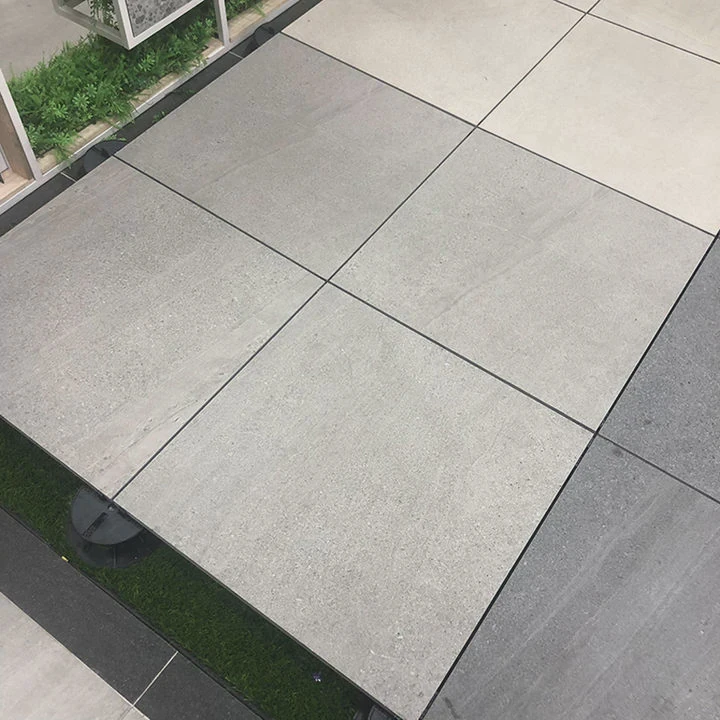
The final result depends heavily on this stage. Skipping it leads to poor installation later.
Remove adhesive residue
Old adhesive can create an uneven surface.
- Use a floor scraper or grinder
- Remove all visible glue
- Check for smoothness
Clean the surface
Dust and debris must be cleared.
- Sweep thoroughly
- Use a vacuum for fine dust
- Wash if necessary
Inspect for damage
Concrete may have small cracks or holes.
- Fill cracks with repair compound
- Patch uneven areas
- Allow proper drying time
Level the floor
A flat surface is critical for new tiles.
- Use self-leveling compound if needed
- Check with a level tool
- Sand high spots
Final preparation checklist
- Surface is clean
- No adhesive remains
- Floor is level
- Repairs are complete
This stage sets the foundation for everything that comes next.
Conclusion
Removing tiles from concrete is simple with the right tools and method. Careful breaking, efficient workflow, and proper surface preparation ensure a smooth and successful result.