How to Put Tile on a Wall?
- Sinotiles
- 2026-04-03
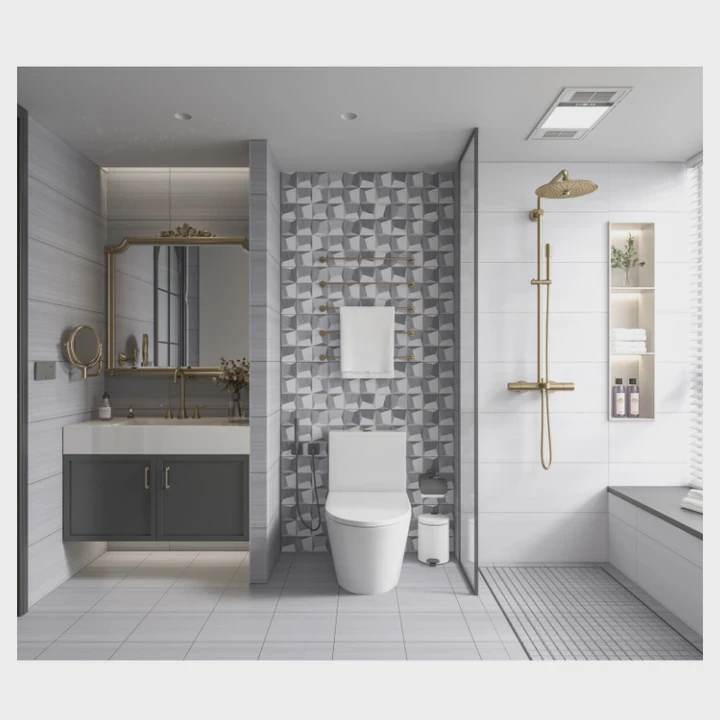
Tiling a wall can feel confusing at first. Many people worry about uneven tiles, poor bonding, or tiles falling off later. These problems often come from simple mistakes at the start.
Putting tile on a wall requires proper surface preparation, correct adhesive choice, precise leveling, and correct grout timing. Each step matters equally for a strong and clean finish.
Many beginners focus only on placing tiles. That is not enough. A good result depends on the full process. Let’s break it down step by step so the work becomes simple and repeatable.
What surface prep is needed before wall tiling?
Tiling on a bad surface leads to loose tiles, cracks, and uneven results. Many skip prep to save time, but this step decides the final quality.
A proper wall surface must be clean, dry, flat, and stable. Any dust, grease, loose paint, or uneven areas must be removed before tiling begins.
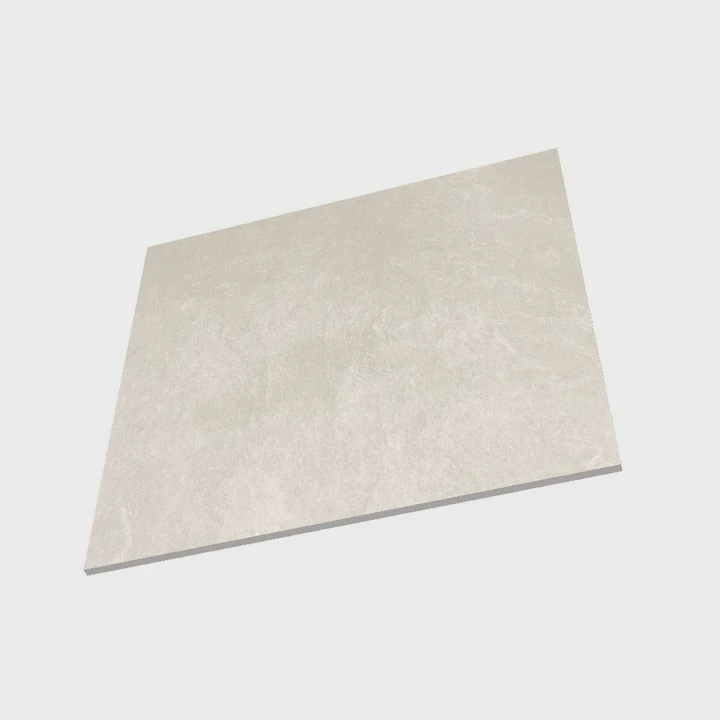
Surface preparation is the foundation of the whole tiling project. A strong tile installation starts long before the first tile is placed.
Why surface prep matters
Tiles do not stick directly to surfaces. They rely on adhesive bonding. If the surface is weak, the bond fails. Over time, tiles may detach or crack.
Common problems caused by poor prep include:
- Tiles falling off
- Hollow sounds behind tiles
- Uneven tile alignment
- Moisture damage
Types of wall surfaces and preparation methods
Different walls need different prep steps. It is important to understand what you are working with.
| Surface Type | Preparation Method |
|---|---|
| Concrete wall | Clean, level, apply primer if needed |
| Cement render | Check curing, smooth uneven areas |
| Drywall | Use moisture-resistant board, seal joints |
| Painted wall | Sand surface, remove loose paint |
| Old tiles | Roughen surface or remove completely |
Key preparation steps
1. Cleaning the wall
Dust and grease reduce adhesion. The wall must be fully clean.
- Use a damp cloth or sponge
- Remove oil with mild detergent
- Let the wall dry completely
2. Checking flatness
A flat wall ensures even tile placement.
- Use a straight edge or level
- Fill low spots with leveling compound
- Grind down high spots if needed
3. Applying primer
Some surfaces absorb too much moisture from adhesive.
- Use primer on porous surfaces
- This improves bonding strength
- It also prevents fast drying
4. Waterproofing (for wet areas)
Bathrooms and kitchens need extra protection.
- Apply waterproof membrane
- Focus on corners and joints
- Let it cure fully before tiling
Common mistakes to avoid
- Tiling over dust or grease
- Ignoring uneven surfaces
- Skipping waterproofing in wet zones
- Using weak or damaged substrate
A well-prepared wall makes the rest of the process easier. It also ensures long-term durability.
How do you keep tiles level during installation?
Uneven tiles ruin the entire look. Even small misalignments become very visible once grout is applied.
Tiles stay level by using spacers, leveling systems, proper layout planning, and continuous checking with a spirit level during installation.
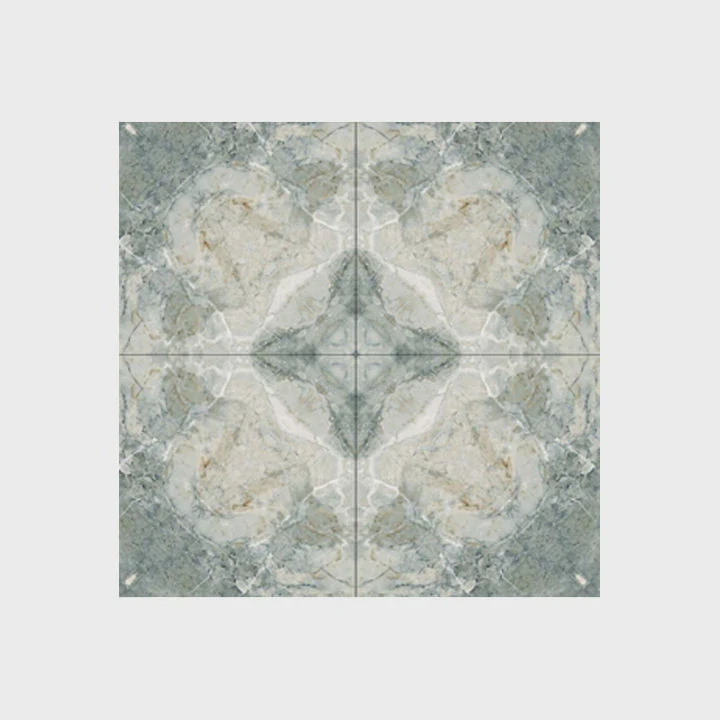
Keeping tiles level is not just about tools. It is about process and patience. Every row must be checked and adjusted.
Start with a proper layout
Before placing tiles, plan the layout.
- Find the center of the wall
- Dry-lay tiles to see spacing
- Avoid small tile cuts at edges
This step helps create a balanced and professional look.
Use tile spacers
Tile spacers control the gap between tiles.
- Maintain consistent spacing
- Improve visual alignment
- Make grouting easier
Use tile leveling systems
Leveling systems are very useful, especially for large tiles.
- Clips and wedges keep tiles even
- Prevent lippage (uneven edges)
- Improve flatness across the surface
Essential tools for leveling
| Tool | Purpose |
|---|---|
| Spirit level | Check horizontal and vertical |
| Tile spacers | Maintain equal gaps |
| Leveling clips | Prevent uneven surfaces |
| Rubber mallet | Adjust tile position gently |
| Straight edge | Check flatness across tiles |
Work in sections
Do not tile the whole wall at once.
- Work row by row
- Check each row before moving up
- Allow slight setting before next row
Use a ledger board
A ledger board is a temporary support.
- Installed horizontally on the wall
- Supports the first row of tiles
- Ensures straight alignment
Check constantly
Leveling is not a one-time task.
- Check every tile
- Adjust immediately
- Do not wait until adhesive sets
Common leveling mistakes
- Skipping layout planning
- Not using spacers
- Relying only on visual alignment
- Applying too much adhesive
Consistency is the key. Small corrections during installation prevent big problems later.
Which adhesives are best for wall applications?
Choosing the wrong adhesive can cause tiles to slip or fall. Not all adhesives work for all tiles or surfaces.
The best wall tile adhesives are thin-set mortar, ready-mix adhesive, and modified adhesives, depending on tile size, material, and wall conditions.
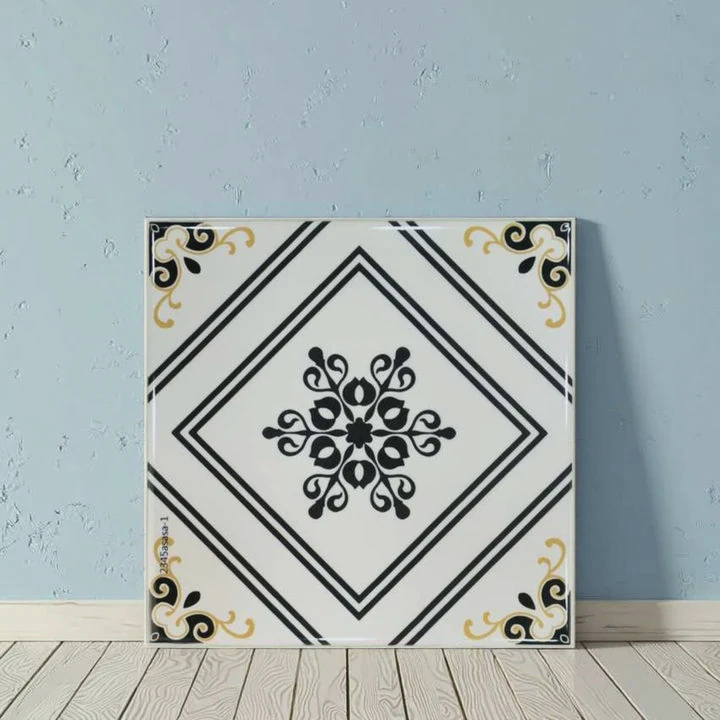
Adhesive selection depends on several factors. These include tile size, location, and environment.
Main types of tile adhesives
1. Cement-based thin-set mortar
This is the most common choice.
- Strong bonding strength
- Suitable for most tiles
- Works well in wet areas
2. Ready-mix adhesive
This is pre-mixed and easy to use.
- Good for small tiles
- Best for dry areas
- Not ideal for heavy tiles
3. Modified adhesives
These include added polymers.
- Higher flexibility
- Better adhesion
- Suitable for large format tiles
Choosing the right adhesive
| Tile Type | Recommended Adhesive |
|---|---|
| Ceramic tiles | Standard thin-set mortar |
| Porcelain tiles | Modified thin-set mortar |
| Large format tiles | High-performance adhesive |
| Mosaic tiles | Ready-mix or fine thin-set |
| Bathroom walls | Waterproof thin-set mortar |
Key factors to consider
Tile size
Large tiles need stronger adhesive.
- Prevent slipping
- Ensure full coverage
Wall condition
Different surfaces need different bonding strength.
- Smooth walls need stronger grip
- Porous walls need controlled absorption
Environment
Wet areas require waterproof properties.
- Bathrooms
- Kitchens
- Outdoor walls
Application tips
- Use the correct trowel size
- Apply adhesive evenly
- Do not cover too large area at once
- Press tiles firmly into place
Common adhesive mistakes
- Using wall adhesive for floor tiles
- Applying too thick or too thin layers
- Not mixing properly
- Letting adhesive dry before placing tiles
Choosing the right adhesive improves durability and makes installation easier.
When should grout be applied after tiling?
Grouting too early can damage tile alignment. Waiting too long can slow down the project unnecessarily.
Grout should be applied after the tile adhesive has fully set, usually 24 hours after installation, depending on adhesive type and conditions.
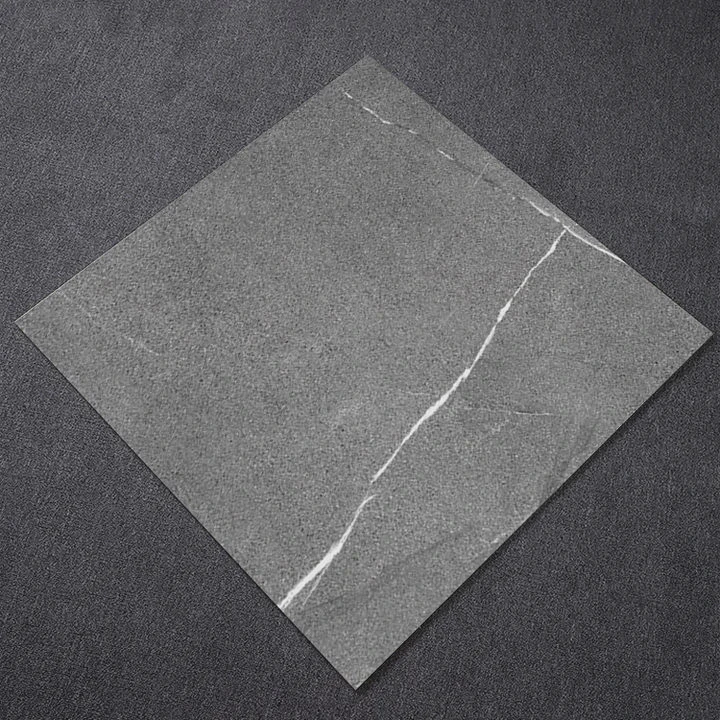
Grouting is the final step that completes the tile installation. Timing is very important.
Why timing matters
If grout is applied too early:
- Tiles may shift
- Adhesive may weaken
- Joints may become uneven
If applied too late:
- Dust may enter joints
- Cleaning becomes harder
Standard waiting time
Most projects follow this guideline:
- Minimum: 24 hours
- Large tiles: 24-48 hours
- Cold or humid conditions: longer
Always check adhesive instructions.
Signs tiles are ready for grouting
- Adhesive is fully hardened
- Tiles do not move when pressed
- Joints are clean and dry
Grouting process steps
1. Clean joints
Remove debris and dust.
2. Mix grout
Follow instructions carefully.
3. Apply grout
Use a rubber float.
- Press grout into joints
- Work diagonally across tiles
4. Remove excess grout
- Use a damp sponge
- Clean surface gently
5. Final cleaning
- Polish tiles after grout haze appears
Types of grout
| Grout Type | Best Use Case |
|---|---|
| Cement grout | Standard wall applications |
| Epoxy grout | High moisture or stain areas |
| Unsanded grout | Narrow joints |
| Sanded grout | Wider joints |
Common grouting mistakes
- Grouting too early
- Using too much water during cleaning
- Not filling joints fully
- Skipping final polishing
Proper timing ensures a clean finish and long-lasting joints.
Conclusion
Wall tiling becomes simple when each step is done correctly. Good preparation, careful leveling, proper adhesive, and correct grout timing all work together to create a strong and professional result.