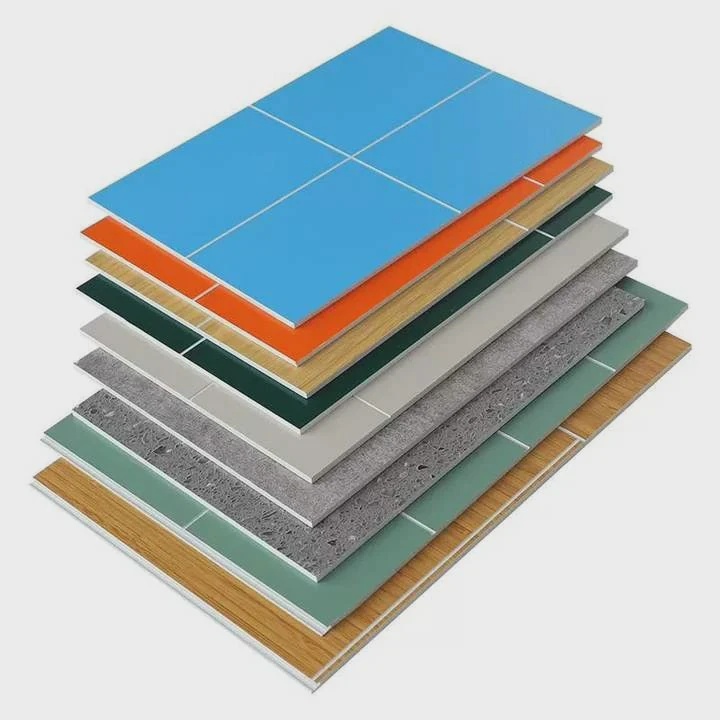
How to Install Concrete Tile?
- Sinotiles
- 2026-07-02
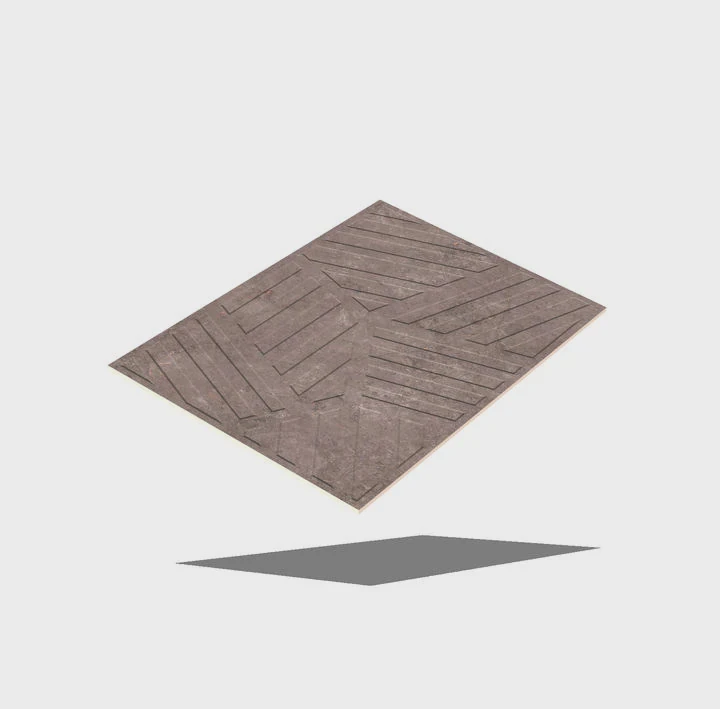
Installing concrete tiles may look simple at first. Many projects fail because people skip key steps before installation. Poor preparation often leads to uneven surfaces, cracked tiles, and costly repairs.
Concrete tile installation starts with proper surface preparation, careful tile handling, the right mortar selection, and correct installation methods. When these steps are followed, concrete tiles can provide a durable and attractive finish for both residential and commercial spaces.
Many contractors focus on the installation itself. In reality, success often depends on the work completed before the first tile is placed. Understanding each stage helps avoid common mistakes and improves long-term performance.
What Preparation Is Needed Before Concrete Tile Installation?
A concrete tile project can fail even when high-quality tiles are used. The most common reason is poor preparation. An uneven or weak substrate creates problems that become visible after installation.
Before installing concrete tiles, the surface must be clean, dry, level, and structurally sound. Proper measurements, layout planning, and moisture checks also help ensure a successful installation.

Preparing the installation area is one of the most important parts of the entire project. Many experienced installers spend more time preparing the substrate than laying the tiles themselves.
Check the Substrate Condition
The substrate supports the entire tile system. A weak foundation can lead to movement and tile damage.
Before installation, I always check for:
- Cracks
- Loose materials
- Moisture issues
- Surface unevenness
- Structural movement
Small defects should be repaired before work begins.
Measure and Plan the Layout
A good layout reduces waste and improves the final appearance.
Key planning tasks include:
| Preparation Task | Purpose |
|---|---|
| Measure the area | Calculate tile quantity |
| Mark center lines | Create balanced layout |
| Check room dimensions | Avoid small edge cuts |
| Plan movement joints | Reduce stress damage |
A balanced layout creates a more professional finish.
Clean the Surface Thoroughly
Dust and debris prevent mortar from bonding properly.
The surface should be free from:
- Dirt
- Oil
- Paint
- Old adhesives
- Loose particles
A clean surface helps create a stronger bond between the mortar and substrate.
Verify Moisture Levels
Moisture can cause serious issues after installation.
Excess moisture may lead to:
- Bond failure
- Efflorescence
- Staining
- Mold growth
Concrete substrates should cure completely before tile installation begins.
Gather the Required Tools
Having tools ready improves efficiency.
Common tools include:
- Tile spacers
- Notched trowel
- Level
- Rubber mallet
- Tile cutter
- Measuring tape
- Safety equipment
Why Preparation Matters
A project completed several years ago provided a valuable lesson. The tiles were excellent, and the mortar met all specifications. Yet several tiles loosened within months. The issue was not the materials. The substrate still contained construction dust that was not fully removed before installation.
That experience showed that preparation is not a small step. It is the foundation of the entire installation process. Every successful concrete tile project starts with a stable, clean, and properly prepared surface.
How Do You Handle and Cut Concrete Tiles Safely?
Concrete tiles are durable, but they can crack or chip if handled incorrectly. Cutting also creates dust and sharp edges that require proper safety measures.
Concrete tiles should be carried carefully, stored on stable surfaces, and cut using appropriate tools such as wet saws. Safety glasses, gloves, and dust protection are essential during handling and cutting.
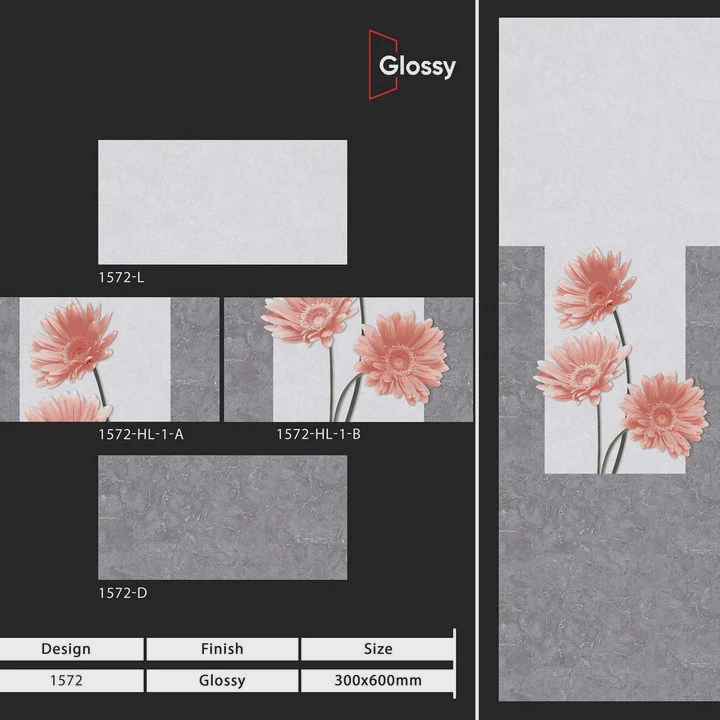
Handling and cutting procedures directly affect both worker safety and installation quality. Proper methods reduce waste and help achieve clean edges.
Transport Tiles Correctly
Concrete tiles are heavier than many ceramic products.
Good handling practices include:
- Carrying tiles vertically
- Using both hands
- Avoiding sudden impacts
- Storing on flat surfaces
Improper handling can cause hidden cracks that become visible later.
Inspect Tiles Before Installation
Each tile should be checked before installation.
Look for:
- Chips
- Cracks
- Color variation
- Surface defects
Inspection prevents defective pieces from reaching the finished area.
Choose the Right Cutting Equipment
Different projects require different cutting tools.
| Tool | Best Use |
|---|---|
| Wet saw | Straight cuts |
| Angle grinder | Curved cuts |
| Tile nippers | Small adjustments |
| Diamond blade | Hard concrete tiles |
Wet saws are often preferred because they produce cleaner cuts and less airborne dust.
Follow Safe Cutting Procedures
Safety should always come first.
Important safety steps include:
- Wear safety glasses.
- Use cut-resistant gloves.
- Wear hearing protection.
- Use respiratory protection when needed.
- Keep hands away from blades.
These simple steps help reduce workplace injuries.
Minimize Dust Exposure
Concrete dust may contain silica particles.
Long-term exposure can create health risks.
Several methods help reduce dust:
- Wet cutting
- Dust extraction systems
- Proper ventilation
- Respiratory protection
Wet cutting remains one of the most effective solutions.
Achieve Better Cutting Accuracy
Clean cuts improve the final appearance.
Mark Every Cut Clearly
Accurate marking reduces mistakes and material waste.
Support the Tile Properly
Unsupported tiles may crack during cutting.
Cut Slowly
Rushing often creates chipped edges and rough finishes.
Test Difficult Cuts First
Complex cuts should be practiced on spare pieces whenever possible.
Common Cutting Mistakes
Many installers make the same mistakes when cutting concrete tiles.
| Mistake | Possible Result |
|---|---|
| Using dull blades | Chipped edges |
| Cutting too fast | Poor finish |
| Lack of support | Broken tiles |
| No safety gear | Injury risk |
Avoiding these mistakes improves efficiency and reduces waste.
Why Safe Handling Improves Results
Many installation problems start before the tile reaches the wall or floor. Broken corners, chipped edges, and inaccurate cuts increase waste and delay projects.
Careful handling protects the material investment. Safe cutting practices protect workers while improving installation quality. A clean and accurate cut also creates a more professional final appearance.
Which Mortar Works Best for Concrete Tiles?
Many installation failures happen because the wrong mortar is selected. Even the best concrete tile cannot perform well if the bonding material is unsuitable for the application.
Polymer-modified thin-set mortar is often the best choice for concrete tiles because it provides strong adhesion, flexibility, and durability. The exact mortar should match the tile size, substrate type, and installation environment.

Mortar selection affects bond strength, long-term durability, and overall installation success.
Understand Mortar Types
Several mortar options are available.
Common choices include:
- Standard thin-set mortar
- Polymer-modified thin-set mortar
- Medium-bed mortar
- Large-format tile mortar
Each type serves a different purpose.
Why Polymer-Modified Mortar Is Popular
Polymer additives improve performance.
Benefits include:
- Stronger adhesion
- Better flexibility
- Improved water resistance
- Reduced cracking risk
These advantages make polymer-modified products suitable for many concrete tile installations.
Match Mortar to Tile Size
Large concrete tiles place greater stress on the bonding layer.
For larger formats, installers often choose:
- Medium-bed mortars
- Large-format tile mortars
These products help support tile weight and reduce lippage.
Consider Installation Location
Different environments require different solutions.
Interior Dry Areas
Standard modified thin-set often works well.
Wet Areas
Bathrooms, kitchens, and outdoor spaces require better moisture resistance.
High-Traffic Spaces
Commercial floors need strong bond strength and long-term durability.
Follow Manufacturer Recommendations
Tile manufacturers and mortar manufacturers provide installation guidelines.
Important factors include:
- Trowel size
- Coverage requirements
- Open time
- Curing time
Ignoring these recommendations can reduce performance.
Proper Mortar Application
Even the correct mortar can fail if applied incorrectly.
Use the Correct Trowel
The notch size affects mortar coverage.
Back Butter Large Tiles
Back buttering improves contact and support.
Check Coverage Frequently
Coverage should meet project requirements.
Avoid Skinning
Mortar should remain fresh when tiles are installed.
Mortar Selection Comparison
| Installation Condition | Recommended Mortar |
|---|---|
| Interior floors | Polymer-modified thin-set |
| Interior walls | Polymer-modified thin-set |
| Large-format tiles | Medium-bed mortar |
| Exterior applications | High-performance modified mortar |
| Commercial projects | Heavy-duty modified mortar |
Common Mortar Selection Errors
The wrong mortar can cause expensive failures.
Common errors include:
- Choosing mortar based only on price
- Ignoring tile size
- Ignoring environmental conditions
- Applying mortar beyond open time
- Using insufficient coverage
Many of these issues do not appear immediately. Problems often develop months after installation.
Why Mortar Choice Matters
One commercial project involved large-format concrete tiles installed across a busy retail space. The installer selected a standard mortar designed for smaller tiles. The floor looked good initially. After months of foot traffic, several sections developed bond issues.
The replacement cost was significant. The lesson was clear. Mortar should never be treated as a secondary material. It is one of the most important components of the entire tile system.
Can Concrete Tiles Be Installed on Walls and Floors?
Many people associate concrete tiles only with floors. Modern designs now use them on walls, feature areas, commercial interiors, and exterior applications.
Concrete tiles can be installed on both walls and floors when the substrate, mortar, tile weight, and installation method are appropriate for the application.
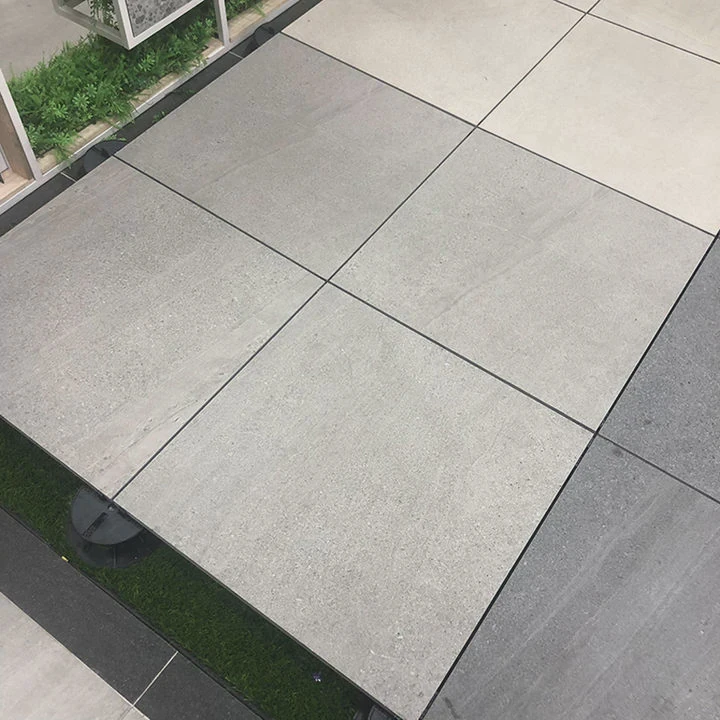
The versatility of concrete tiles makes them attractive for a wide range of projects.
Floor Applications
Floor installations remain the most common use.
Popular areas include:
- Living rooms
- Kitchens
- Hallways
- Retail stores
- Hotels
- Commercial buildings
Concrete tiles offer durability and strong wear resistance.
Wall Applications
Wall installations have become increasingly popular.
Common wall uses include:
- Feature walls
- Bathroom walls
- Hotel lobbies
- Restaurant interiors
- Commercial reception areas
Concrete tiles create a modern and architectural appearance.
Key Differences Between Wall and Floor Installation
Although many installation principles are similar, some differences exist.
| Factor | Floor Installation | Wall Installation |
|---|---|---|
| Load direction | Downward traffic load | Vertical gravity load |
| Mortar requirement | High compression strength | Strong adhesion |
| Tile movement | Foot traffic stress | Weight support |
| Installation speed | Often faster | Often slower |
Understanding these differences helps improve project planning.
Structural Considerations
Wall installations require additional attention.
Installers should evaluate:
- Wall strength
- Tile weight
- Adhesive performance
- Surface flatness
Heavy tiles may require additional support during installation.
Indoor vs Outdoor Installation
Concrete tiles perform well in many environments.
Indoor Spaces
Indoor areas typically face less weather exposure and temperature variation.
Outdoor Spaces
Outdoor installations require attention to:
- Freeze-thaw cycles
- Water drainage
- Expansion joints
- Temperature changes
Proper design helps improve durability.
Design Flexibility
Concrete tiles are available in many sizes and finishes.
Popular formats include:
- 600x600 mm
- 800x800 mm
- 600x1200 mm
- 750x1500 mm
- Large slabs
These options allow designers to create different visual effects for both residential and commercial projects.
Common Installation Challenges
Several issues may occur if planning is inadequate.
Examples include:
- Tile lippage
- Insufficient support
- Incorrect mortar selection
- Inadequate movement joints
- Poor substrate preparation
Most of these problems can be prevented through careful planning and proper installation methods.
Long-Term Performance
Concrete tiles offer several advantages:
- Durability
- Design flexibility
- Low maintenance
- Long service life
When installed correctly, they can maintain their appearance and performance for many years. This is one reason why architects, contractors, and property owners continue to choose concrete tiles for both wall and floor applications.
Conclusion
Concrete tile installation depends on proper preparation, safe handling, suitable mortar selection, and correct installation methods. When each step is completed carefully, concrete tiles can deliver a durable, attractive, and long-lasting surface for both walls and floors.