How to Make a Tile Countertop?
- Sinotiles
- 2026-07-02

An old countertop can make an entire kitchen feel outdated. Many people want a new look, but natural stone countertops can be expensive and difficult to install.
To make a tile countertop, you need a strong base, a level surface, suitable tiles, proper installation materials, and a protective sealer. When each step is done correctly, a tile countertop can be durable, attractive, and cost-effective.
Tile countertops have remained popular for years because they offer flexibility in design and budget. A wide range of colors, sizes, finishes, and styles allows homeowners, contractors, and designers to create customized spaces. The real success of a tile countertop depends on careful preparation, proper tile selection, and good installation practices.
What Materials Are Needed for Tile Countertops?
Many countertop problems begin long before the first tile is installed. Weak materials and poor preparation often lead to cracks, loose tiles, and expensive repairs.
The main materials needed for a tile countertop include plywood, cement backer board, thin-set mortar, tiles, grout, spacers, edging materials, and sealant. Together, these components create a strong and long-lasting countertop system.
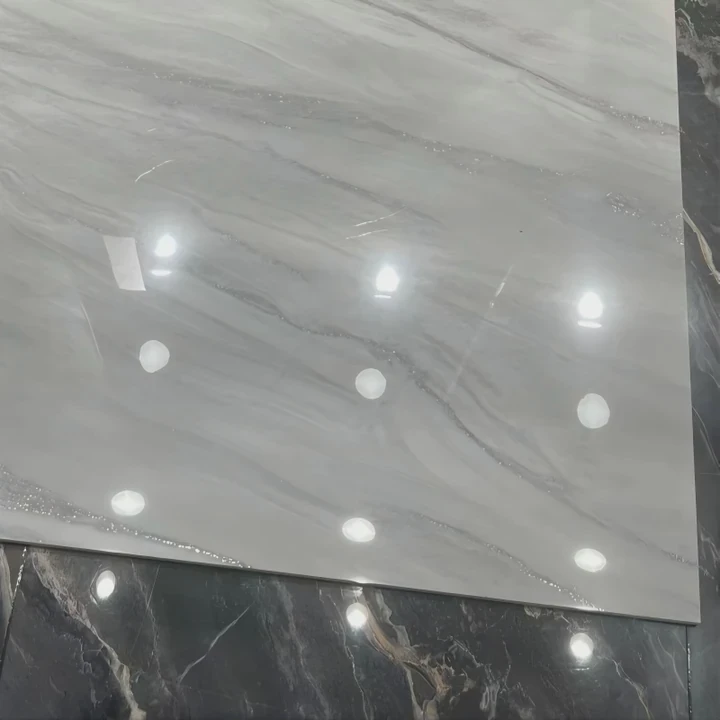
Building a tile countertop starts with selecting the right materials. Every layer serves a specific purpose. While the tiles receive most of the attention, the hidden layers underneath are equally important.
Structural Base Materials
The first layer is usually plywood. This layer provides structural support and helps distribute weight across the cabinets below.
Most professional installers prefer exterior-grade plywood because it offers better moisture resistance than standard plywood. Kitchens and bathrooms often experience humidity, so moisture-resistant materials provide extra protection.
After the plywood is installed, a cement backer board is added. This material creates a stable surface for tile installation and helps reduce movement that may cause cracks later.
Tile Installation Materials
Thin-set mortar acts as the bonding material between the tiles and the backer board. High-quality mortar improves adhesion and increases the lifespan of the installation.
Tile spacers are small but important tools. They keep grout lines even and help create a professional appearance.
Finishing Materials
Once the tiles are installed, grout fills the joints between the tiles. Grout prevents dirt and moisture from entering the gaps while helping lock the tiles together.
Many countertop projects also include edge trim or bullnose tiles. These pieces create smooth finished edges and improve the overall appearance.
Essential Materials Overview
| Material | Purpose |
|---|---|
| Plywood | Structural support |
| Cement backer board | Stable installation surface |
| Thin-set mortar | Tile bonding |
| Tile spacers | Consistent grout lines |
| Tiles | Finished countertop surface |
| Grout | Fill tile joints |
| Edge trim | Finished countertop edge |
| Sealant | Protection against stains and moisture |
Why Material Quality Matters
Over the years, one lesson has become very clear. Cheap materials often create expensive problems later.
A weak plywood base may flex under pressure. Low-quality mortar may lose bonding strength over time. Poor grout may stain easily and become difficult to maintain.
A countertop experiences daily use. It handles heat, spills, cleaning chemicals, cookware, and constant traffic. Strong materials help the installation withstand these challenges for many years.
For importers, distributors, and project contractors, selecting reliable tile products is especially important. Consistent quality helps reduce callbacks, customer complaints, and maintenance costs.
How Do You Ensure a Level Countertop Surface?
Even the best tiles cannot hide an uneven countertop. A poorly leveled surface often creates visible installation defects and long-term performance issues.
A level countertop surface is achieved by checking cabinet alignment, installing a stable substrate, measuring with leveling tools, and correcting uneven areas before laying any tiles.
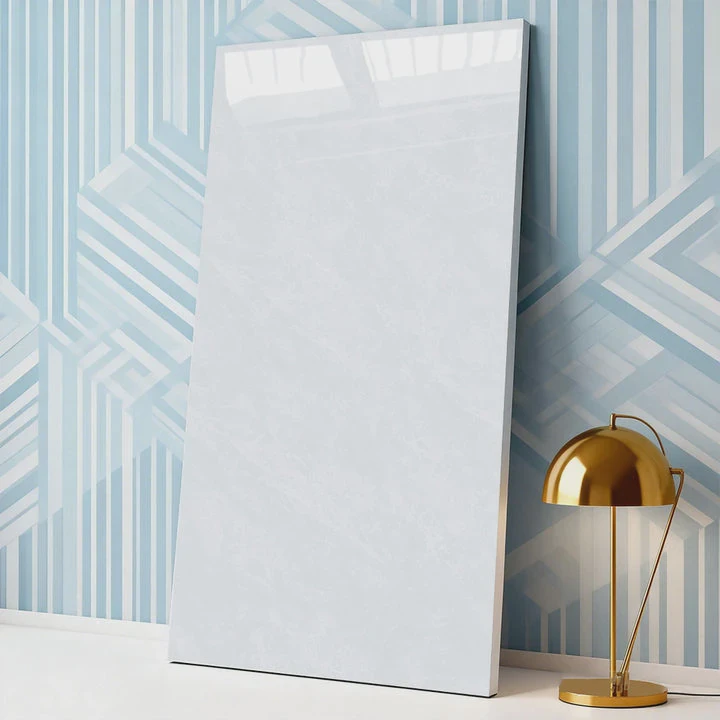
Many people focus on tile selection and design. However, professional installers understand that the foundation determines the final result.
Tiles follow the shape of the surface beneath them. If the base is uneven, the finished countertop will also be uneven.
Start With Cabinet Alignment
The leveling process begins with the cabinets.
Cabinets should sit firmly on the floor without movement. Any rocking or instability can affect the countertop above.
A long spirit level helps identify height differences between cabinet sections. Small variations can often be corrected with shims before countertop construction begins.
Install a Stable Substrate
Once the cabinets are level, the plywood base can be installed.
The plywood should lie flat without gaps or bends. Fasteners should be properly spaced to prevent future movement.
After the plywood is secured, the cement backer board should also be installed evenly.
Useful Leveling Tools
Several tools help verify surface flatness and alignment.
| Tool | Function |
|---|---|
| Spirit level | Measures levelness |
| Laser level | Checks long distances |
| Straightedge | Detects low and high spots |
| Shims | Corrects uneven cabinets |
| Tape measure | Verifies dimensions |
Checking for High and Low Spots
A straightedge placed across different areas of the countertop helps reveal surface irregularities.
Low spots may require leveling compound or adjustments before installation.
High spots can often be corrected through sanding or repositioning materials.
Why Flatness Is Important for Large Tiles
Large-format tiles have become increasingly popular in modern kitchens and commercial projects.
These tiles provide a cleaner appearance because they reduce the number of grout lines. However, larger tiles require a flatter surface than smaller tiles.
Even a minor dip can create lippage, which occurs when adjacent tile edges are not aligned properly.
Common Leveling Mistakes
Many installation problems result from rushing the preparation stage.
Ignoring Cabinet Variations
Different cabinet manufacturers may have slight height differences. These variations should be corrected before countertop construction begins.
Using Mortar as a Leveling Solution
Thin-set mortar is designed for bonding tiles, not correcting major surface irregularities.
Taking Too Few Measurements
Checking only one area rarely provides an accurate picture. Measurements should be taken from multiple directions.
A carefully leveled countertop creates a stronger installation and improves both appearance and long-term durability.
Which Tiles Are Best for Countertops?
Not every tile performs well on a countertop. Some products may look beautiful but struggle under daily use and heavy traffic.
Porcelain tiles are generally considered the best option for countertops because they offer excellent durability, low water absorption, stain resistance, and design flexibility.
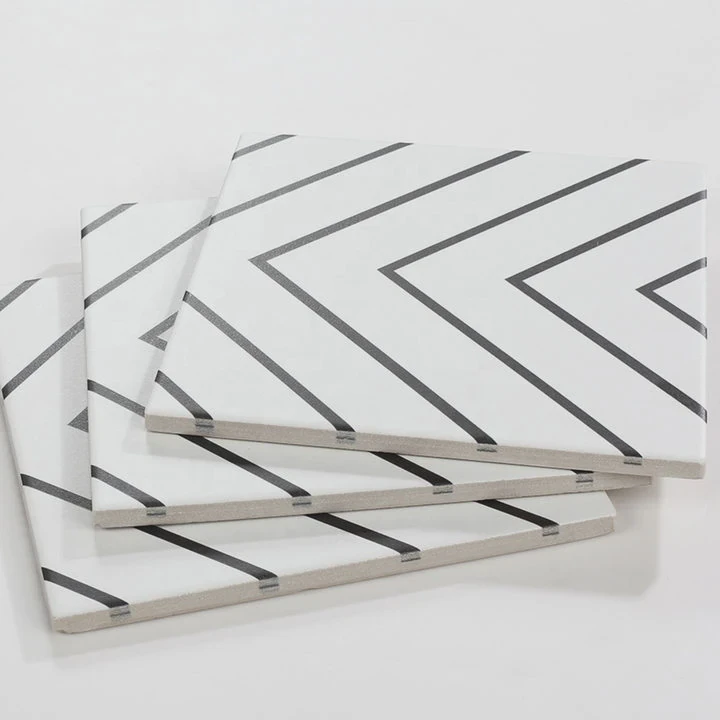
Choosing countertop tiles requires balancing appearance, performance, maintenance, and budget.
Porcelain Tiles
Porcelain tiles are one of the most popular choices for countertop applications.
They are produced using refined clay and fired at very high temperatures. This process creates a dense material with excellent strength and low water absorption.
Porcelain surfaces resist stains, scratches, and moisture better than many alternatives.
These advantages make porcelain particularly suitable for kitchens and commercial spaces.
Ceramic Tiles
Ceramic tiles are another common choice.
They are often more affordable than porcelain and come in many decorative styles.
While ceramic tiles perform well in many situations, they generally have higher water absorption rates and slightly lower durability than porcelain.
Glazed Tiles
Glazed tiles feature a protective surface coating.
This coating improves stain resistance and makes cleaning easier.
Many homeowners choose glazed products because they combine practical performance with attractive designs.
Large-Format Tiles
Large-format tiles have become a major trend in modern interior design.
These tiles create a seamless appearance by reducing grout lines.
Fewer grout joints also mean less maintenance and easier cleaning.
Stone-Look Porcelain Tiles
Advances in manufacturing technology have made stone-look porcelain increasingly popular.
These products can replicate marble, limestone, concrete, and other natural materials while maintaining the practical benefits of porcelain.
Tile Comparison
| Tile Type | Durability | Water Resistance | Maintenance |
|---|---|---|---|
| Porcelain | High | Excellent | Low |
| Ceramic | Medium | Good | Low |
| Glazed Ceramic | Medium | Good | Low |
| Large-Format Porcelain | High | Excellent | Low |
| Stone-Look Porcelain | High | Excellent | Low |
Choosing the Right Surface Finish
The finish affects both appearance and functionality.
Polished Finish
Polished surfaces create a luxurious appearance and reflect light effectively.
They are often selected for upscale residential projects.
Matte Finish
Matte finishes provide a softer appearance and often hide fingerprints more effectively.
Many homeowners prefer matte surfaces for everyday use.
Textured Finish
Textured surfaces add character and visual depth.
However, they may require additional cleaning because dirt can collect within the texture.
Matching Tiles to Project Requirements
Different projects require different solutions.
Residential kitchens often focus on balancing beauty and practicality.
Commercial projects typically prioritize durability and ease of maintenance.
For many applications, porcelain tiles provide the best overall combination of strength, appearance, and long-term value.
Can Tile Countertops Be Sealed for Durability?
Many people worry that tile countertops may become stained or damaged over time. Proper sealing can significantly improve long-term performance.
Yes, tile countertops can be sealed. Sealing helps protect grout lines, improve stain resistance, reduce moisture absorption, and extend the lifespan of the countertop.
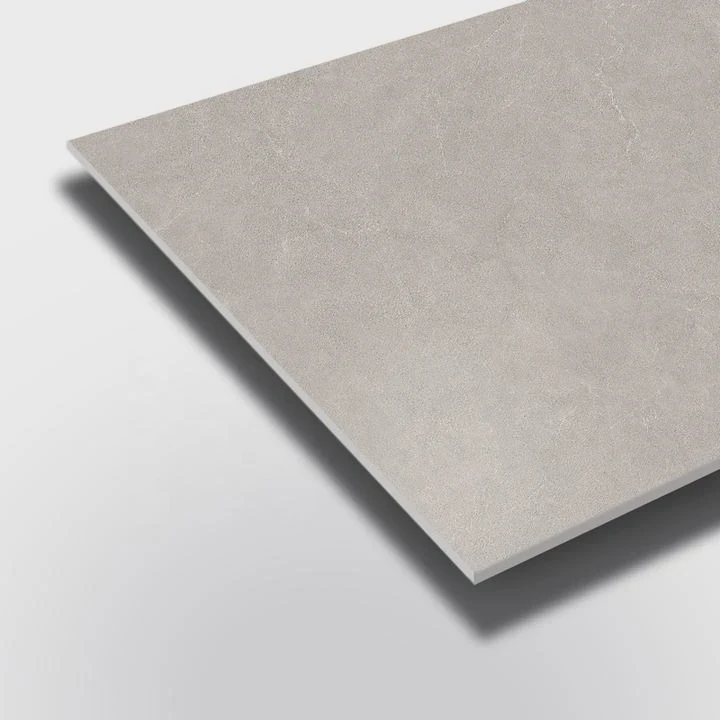
Sealing is often one of the final steps in a countertop installation project. Although many tiles naturally resist moisture, grout remains vulnerable to water and staining.
Why Sealing Is Important
Kitchen countertops are exposed to many substances every day.
Coffee, cooking oil, sauces, wine, juice, and cleaning chemicals can all affect unprotected grout.
A quality sealer creates a protective barrier that reduces absorption and makes cleaning easier.
What Should Be Sealed?
The answer depends on the tile material.
Porcelain tiles often require little or no sealing because of their dense structure.
Grout lines usually benefit from sealing regardless of tile type.
Natural stone products may also require regular sealing to maintain performance.
Types of Sealers
Several sealing options are available.
Penetrating Sealers
Penetrating sealers enter the pores of the material and provide protection below the surface.
Many professionals prefer these products because they maintain the natural appearance of the tile.
Surface Sealers
Surface sealers form a protective layer on top of the material.
Some products may slightly increase gloss or alter the appearance.
Basic Sealing Process
The sealing process is relatively simple when performed correctly.
- Clean the countertop thoroughly.
- Allow all surfaces to dry completely.
- Apply the sealer evenly.
- Remove excess product.
- Allow sufficient curing time.
Ongoing Maintenance
Sealing does not eliminate the need for regular cleaning.
Mild cleaning products help maintain the protective layer and preserve appearance.
Routine maintenance extends the effectiveness of the sealer.
Signs That Resealing Is Needed
Several indicators suggest that resealing may be necessary.
Water No Longer Beads
If water quickly absorbs into grout lines, protection may be decreasing.
Increased Staining
Stains that appear more easily often indicate weakening protection.
Surface Appearance Changes
Some materials may lose their original appearance when sealing performance declines.
Benefits of Sealing
Proper sealing offers several advantages:
- Better stain resistance
- Improved moisture protection
- Easier cleaning
- Longer grout lifespan
- Better appearance retention
- Reduced maintenance costs
For both residential and commercial projects, sealing remains one of the simplest ways to improve countertop durability and preserve long-term value.
Conclusion
A successful tile countertop depends on four key elements: quality materials, a level foundation, suitable tile selection, and proper sealing. When these factors work together, the result is a durable, attractive, and practical countertop that can perform reliably for many years.
- Pre: What Is Tile Mortar?
- Next: Sorry!