What Is Tile Mortar?
- Sinotiles
- 2026-07-02
Many tile installations fail much earlier than expected because the wrong bonding material is used. Loose tiles, cracks, and hollow sounds often start from a problem hidden beneath the surface.
Tile mortar is a cement-based material used to bond tiles securely to floors, walls, and other substrates. It provides strength, stability, and durability, making it one of the most important components in a successful tile installation.
When people search for tile installation products, they often see terms such as mortar, thinset, adhesive, and grout. These terms are related, but they are not the same. Understanding what tile mortar is and how it works helps buyers, contractors, and project managers make better decisions and avoid costly installation failures.
How Does Tile Mortar Differ From Thinset?
Many people use the words mortar and thinset as if they mean the same thing. This misunderstanding can create confusion when selecting installation materials.
Thinset is actually a type of tile mortar. Traditional mortar is usually applied in a thicker layer and can help level surfaces, while thinset mortar is specially designed to bond tiles using a thinner application.
The difference may seem small, but it has a direct impact on installation quality and long-term performance. Choosing the wrong product can lead to weak bonding, uneven surfaces, and future repair costs.
What Is Traditional Mortar?
Traditional mortar is a mixture of cement, sand, and water. It is often used to create a thicker base layer beneath tiles.
In older construction methods, installers commonly used mortar beds to create a level surface before laying tiles. This method remains useful when the substrate is uneven or requires adjustment.
Traditional mortar offers several advantages:
| Feature | Benefit |
|---|---|
| Thick application | Helps level uneven surfaces |
| Strong support | Supports heavy tile loads |
| Flexible installation depth | Suitable for surface correction |
| Proven performance | Used successfully for decades |
Traditional mortar is still used in commercial projects and large-scale installations where surface preparation is a major concern.
What Is Thinset Mortar?
Thinset mortar is a refined version of mortar that contains cement, fine sand, and performance-enhancing additives.
The name “thinset” comes from the fact that it is applied in a relatively thin layer, usually between 3mm and 6mm.
Modern thinset products provide:
- Strong adhesion
- Better flexibility
- Improved moisture resistance
- Easier application
Because of these advantages, thinset has become the standard choice for most residential and commercial tile installations.
Why The Difference Matters
The choice between traditional mortar and thinset depends on the project requirements.
For example, a contractor installing 600x600mm porcelain tiles on a smooth concrete floor will often choose modified thinset. The floor is already level, so a thick mortar bed is unnecessary.
On the other hand, a project with uneven surfaces may require a traditional mortar bed before tile installation begins.
The most important point is that thinset belongs to the mortar family, but not every mortar is thinset. Understanding this distinction helps buyers communicate more effectively with suppliers and installation teams.
Many tile failures happen because installers assume that any cement-based material can bond tiles properly. In reality, each product is designed for specific installation conditions. The correct choice helps ensure long-term performance and reduces maintenance costs.
Why Is Mortar Essential For Tile Installation?
Many people focus on tile design, color, and size when planning a project. Yet the material beneath the tile often determines whether the installation succeeds or fails.
Mortar is essential because it creates the bond between the tile and substrate, distributes loads evenly, absorbs minor movement, and helps the installation withstand moisture, temperature changes, and daily wear.
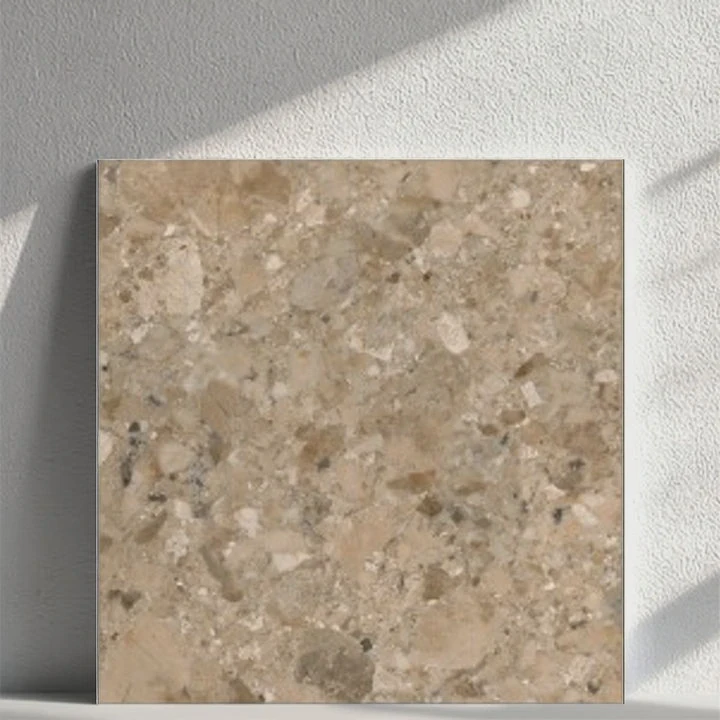
A beautiful tile cannot perform well without a reliable bonding layer. Mortar serves as the hidden foundation that keeps the entire system working properly.
Mortar Creates A Strong Bond
The primary function of mortar is adhesion.
When properly mixed and applied, mortar creates a secure connection between the tile and the installation surface.
Without this bond, tiles can:
- Become loose
- Shift position
- Crack under pressure
- Detach from the substrate
Strong adhesion becomes even more important in commercial environments where floors experience heavy foot traffic every day.
Mortar Distributes Weight
Tiles are constantly exposed to weight and pressure.
People walk across floors. Furniture creates concentrated loads. Shopping centers and hotels handle thousands of visitors daily.
Mortar helps distribute these forces across a larger area. This reduces stress on individual tiles and lowers the risk of cracking.
Mortar Helps Manage Moisture
Bathrooms, kitchens, swimming pools, and outdoor spaces all face moisture exposure.
Many modern mortar formulations are designed to resist water penetration while maintaining bond strength.
This performance helps protect the tile system and improves durability over time.
Mortar Accommodates Minor Movement
Buildings naturally move.
Temperature changes cause expansion and contraction. Structural settlement may also occur over time.
Modified mortars contain polymers that improve flexibility. This flexibility allows the tile system to absorb minor movement without excessive stress.
Benefits Of Quality Mortar
| Benefit | Result |
|---|---|
| Strong adhesion | Secure tile installation |
| Load distribution | Reduced cracking risk |
| Moisture resistance | Improved durability |
| Flexibility | Better movement accommodation |
| Long service life | Lower maintenance costs |
Long-Term Value Of Proper Mortar Selection
One lesson learned from years in the tile industry is that installation materials often determine project success more than the tile itself.
A premium porcelain tile installed with poor mortar may fail within a few years.
A properly selected mortar helps maintain appearance, performance, and customer satisfaction for decades.
This is especially important for large projects such as hotels, apartment buildings, shopping centers, and office developments. The cost of repairing failed tile installations can be far greater than the cost of selecting high-quality mortar from the beginning.
For this reason, professional installers always treat mortar selection as a critical part of the installation process rather than an afterthought.
Which Types Of Mortar Are Used For Tiles?
Many buyers assume there is only one type of tile mortar. In reality, several mortar categories exist, each designed for specific tile materials and installation environments.
The most common tile mortars include dry-set mortar, modified thinset mortar, medium-bed mortar, large-format tile mortar, and epoxy mortar. Each type provides different performance characteristics and installation benefits.
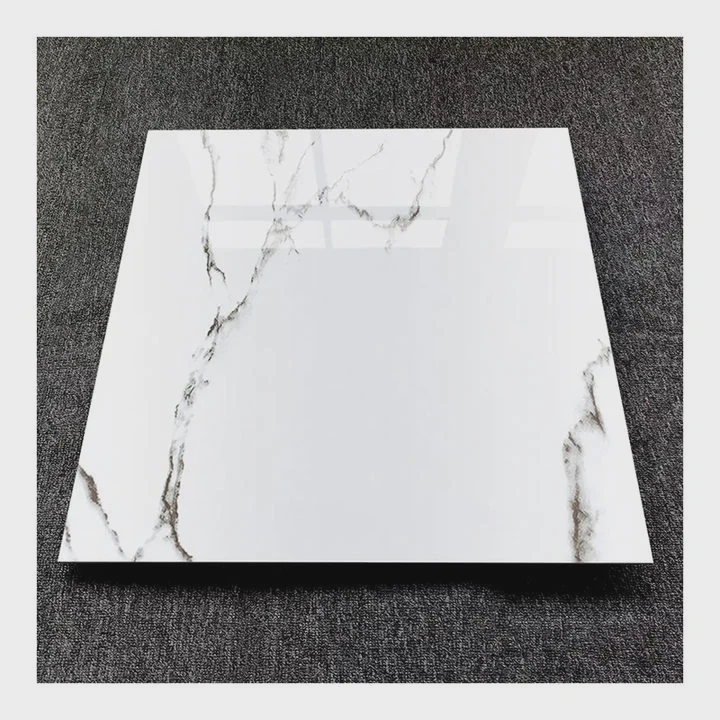
Selecting the correct mortar depends on the tile type, substrate condition, installation area, and project requirements.
Dry-Set Mortar
Dry-set mortar is one of the simplest tile mortar products available.
It typically contains:
- Portland cement
- Fine sand
- Water-retention agents
This mortar does not contain polymer additives.
Advantages include:
- Affordable cost
- Easy mixing
- Reliable performance in standard applications
Dry-set mortar is often used where installation specifications allow unmodified mortar systems.
Modified Thinset Mortar
Modified thinset mortar contains polymers that enhance performance.
These additives improve:
- Bond strength
- Flexibility
- Water resistance
- Durability
Because porcelain tiles have very low water absorption, modified thinset is commonly recommended for porcelain installations.
This mortar has become one of the most widely used products in modern tile projects.
Medium-Bed Mortar
Medium-bed mortar is designed to support larger and heavier tiles.
Unlike standard thinset, it can be applied in thicker layers without excessive shrinkage.
Common applications include:
- Large-format porcelain tiles
- Natural stone flooring
- Commercial installations
The additional support helps prevent tile sinking during installation.
Large-Format Tile Mortar
Large-format tiles continue to grow in popularity.
Sizes such as 600x1200mm, 750x1500mm, and 900x1800mm require specialized installation materials.
Large-format tile mortar provides:
- Improved support
- Better coverage
- Reduced lippage
- Enhanced stability
These characteristics help installers achieve a flatter finished surface.
Epoxy Mortar
Epoxy mortar differs significantly from cement-based products.
It uses epoxy resins instead of traditional cement.
Advantages include:
- Exceptional bond strength
- High chemical resistance
- Excellent water resistance
- Superior durability
Epoxy mortar is commonly used in demanding environments such as:
- Commercial kitchens
- Laboratories
- Food processing facilities
- Industrial plants
Comparison Of Common Tile Mortars
| Mortar Type | Typical Application | Main Advantage |
|---|---|---|
| Dry-Set Mortar | Standard interior projects | Cost-effective |
| Modified Thinset | Porcelain tile installations | Strong adhesion |
| Medium-Bed Mortar | Heavy tile projects | Better support |
| Large-Format Mortar | Large porcelain slabs | Reduced lippage |
| Epoxy Mortar | Industrial environments | Chemical resistance |
How Professionals Select Mortar
Experienced installers rarely choose mortar based solely on price.
They usually evaluate several factors:
Tile Material
Ceramic, porcelain, mosaic, and natural stone each have unique bonding requirements.
Installation Location
Indoor and outdoor projects face different environmental challenges.
Traffic Levels
Commercial projects generally require stronger performance than residential projects.
Substrate Condition
Concrete, cement board, waterproof membranes, and existing tile surfaces may require different mortar solutions.
Proper evaluation of these factors helps ensure a successful installation and reduces the risk of future failures.
Can Mortar Be Used For All Tile Materials?
Many buyers wonder whether one mortar can work for every tile type. The short answer is no.
Mortar can be used with most tile materials, including ceramic, porcelain, mosaic, glass, and natural stone. However, different materials often require specific mortar formulations to achieve the best performance and long-term durability.
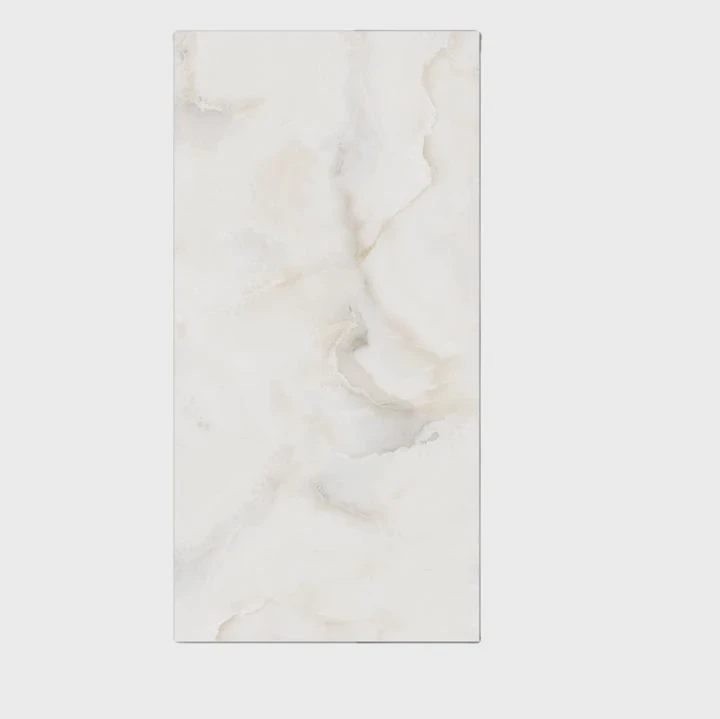
The compatibility between tile and mortar is one of the most important factors in a successful installation.
Ceramic Tiles
Ceramic tiles are generally easy to install.
Most standard thinset mortars work well with ceramic products because ceramic tiles absorb more moisture than porcelain.
This characteristic allows mortar to develop a reliable bond more easily.
Porcelain Tiles
Porcelain tiles present a different challenge.
Their very low water absorption rate makes bonding more difficult.
For this reason, modified thinset mortar is often recommended.
The enhanced adhesion properties help create a stronger connection between the tile and substrate.
Mosaic Tiles
Mosaic tiles consist of many small pieces arranged on sheets.
These installations require mortars with:
- Smooth consistency
- Strong bonding capability
- Excellent coverage
White thinset mortar is often preferred, especially when working with light-colored mosaics or glass mosaics.
Natural Stone Tiles
Natural stone varies significantly in density, weight, and moisture sensitivity.
Some stone products require medium-bed mortar to provide additional support.
Moisture-sensitive stones may require specially formulated mortars to prevent discoloration or warping.
Glass Tiles
Glass tiles expand and contract differently from ceramic and porcelain tiles.
Specialized glass tile mortars typically offer:
- Enhanced flexibility
- Improved adhesion
- Better color consistency
These features help maintain long-term performance despite temperature fluctuations.
Tile Material And Recommended Mortar
| Tile Material | Recommended Mortar |
|---|---|
| Ceramic Tile | Standard thinset mortar |
| Porcelain Tile | Modified thinset mortar |
| Mosaic Tile | Fine-grade thinset mortar |
| Natural Stone | Medium-bed mortar |
| Glass Tile | Flexible glass tile mortar |
Why Manufacturer Recommendations Matter
Manufacturers conduct extensive testing before releasing tile products to the market.
Their installation guidelines are based on:
- Bond strength testing
- Environmental performance evaluation
- Durability studies
- Long-term performance analysis
Ignoring these recommendations can increase the risk of installation failure.
For example, large porcelain slabs often require high-performance mortars with non-slump and non-sag properties. Heavy natural stone products may require specialized support mortars to maintain stability.
The safest approach is to view the tile installation as a complete system. The tile, substrate, mortar, grout, and environmental conditions should work together. When each component is compatible, the installation is far more likely to deliver reliable performance for many years.
Conclusion
Tile mortar is the foundation of every successful tile installation. Understanding the differences between mortar types, selecting the correct product, and matching mortar to tile materials can improve durability, reduce installation failures, and help ensure long-lasting performance in both residential and commercial projects.