What Size Notch Trowel for 12x24 Wall Tile?
- Sinotiles
- 2026-07-02

Choosing the wrong trowel size can ruin an otherwise perfect tile installation. Many installers spend hours selecting the right tile but pay little attention to the trowel. That mistake often leads to weak bonding and costly repairs.
For most 12x24 wall tile installations, a 1⁄2-inch x 1⁄2-inch square-notch trowel is the recommended choice. It provides enough mortar coverage to support large-format wall tiles and helps achieve strong adhesion.
The answer sounds simple, but several factors affect trowel selection. Tile size, wall flatness, tile weight, and mortar coverage all play important roles. Understanding these factors helps create a durable installation that lasts for years.
How Does Tile Size Affect Trowel Notch Selection?
Many tile failures start with poor mortar coverage. A small trowel may not leave enough mortar behind the tile, while a larger tile often needs more support than many people expect.
Tile size directly affects notch selection because larger tiles require more mortar coverage. As tile dimensions increase, the amount of mortar needed to support the tile also increases.
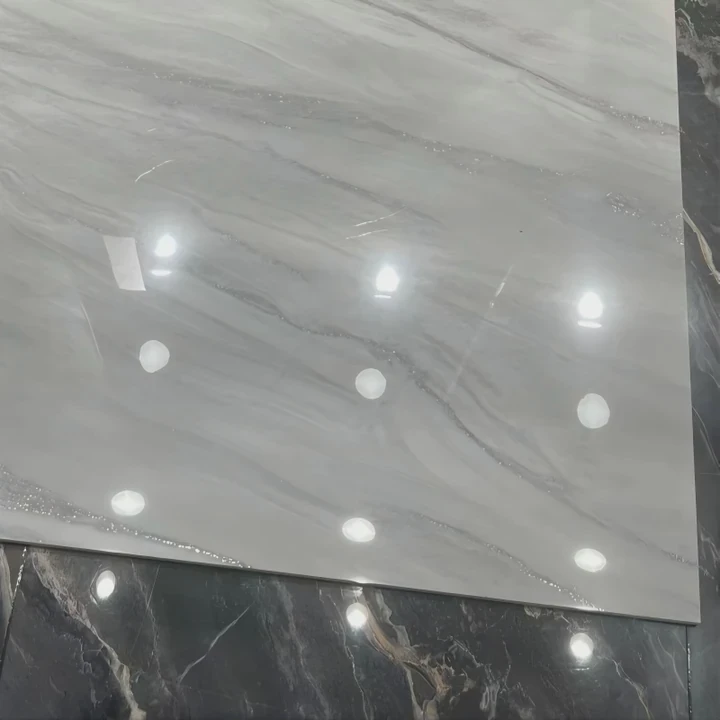
Tile size is one of the first things I consider when planning any tile installation. A small backsplash tile and a large 12x24 wall tile create very different installation conditions. Each requires a different amount of mortar to achieve proper coverage.
Larger Tiles Need More Mortar
Every tile must make solid contact with the wall. As tile size increases, the surface area also increases. A larger surface requires more mortar to maintain strong adhesion across the entire tile.
If the mortar coverage is too low, empty spaces can remain behind the tile. These spaces are often called voids. Voids weaken the installation and may lead to future problems.
Common Trowel Sizes by Tile Dimensions
| Tile Size | Typical Trowel Size |
|---|---|
| 4x4 inch | 1⁄4” x 1⁄4” square notch |
| 6x6 inch | 1⁄4” x 1⁄4” square notch |
| 12x12 inch | 1⁄4” x 3⁄8” square notch |
| 12x24 inch | 1⁄2” x 1⁄2” square notch |
| Large porcelain panels | 1⁄2” notch or larger |
The chart provides a general guideline. Actual requirements may vary depending on project conditions.
Tile Back Patterns Matter
Many porcelain wall tiles have textured backs. Some contain grooves, raised patterns, or recessed areas. These features improve bonding when filled properly with mortar.
A larger tile often includes more extensive surface patterns. This means additional mortar is needed to fill those spaces completely.
Industry Coverage Requirements
Professional tile installations aim for high mortar coverage. Large-format wall tiles require excellent contact between the tile and substrate.
Poor coverage can create:
- Hollow sounds behind tiles
- Cracked corners
- Loose tiles
- Moisture penetration
- Reduced bond strength
A larger notch trowel helps achieve the coverage needed for large wall tiles.
Wall Conditions Affect Trowel Selection
Tile size is not the only factor. Wall flatness also plays a role. A perfectly flat wall may require less adjustment during installation. An uneven wall often needs additional mortar to compensate for surface variations.
When installing 12x24 wall tiles, many professionals start with a 1⁄2-inch square-notch trowel because it provides enough mortar to handle both the tile size and minor wall imperfections.
Weight Distribution Across Large Tiles
Large-format tiles weigh more than smaller tiles. Proper mortar coverage helps distribute that weight evenly. This reduces stress points and creates a stronger installation.
For this reason, larger tiles generally require larger trowel notches. The goal is not simply to use more mortar. The goal is to achieve full support beneath the tile.
Why Use Larger Notches for Bigger Tiles?
Many people assume larger notches simply waste more mortar. In reality, larger notches play an important role in achieving proper tile coverage.
Larger notches create higher mortar ridges that collapse beneath the tile, improving coverage and reducing the risk of voids behind large-format tiles.
A notch trowel controls the amount of mortar left on the wall. The notch size determines how much material remains after combing.
Understanding Mortar Ridges
When mortar is spread with a notched trowel, ridges form across the surface. As the tile is pressed into place, these ridges flatten and spread.
This process is called ridge collapse.
If the ridges are too small, they may not spread enough to fill all spaces beneath a large tile.
Coverage Is the Main Goal
Proper coverage is one of the most important parts of tile installation.
A larger tile covers more area. Therefore, it requires enough mortar beneath every section of the tile.
| Trowel Size | Mortar Coverage Potential | Typical Application |
|---|---|---|
| 1⁄4” x 1⁄4” | Low | Small wall tile |
| 1⁄4” x 3⁄8” | Medium | Medium-size tile |
| 1⁄2” x 1⁄2” | High | 12x24 wall tile |
| 3⁄4” notch | Very High | Large panels |
The larger notch creates more mortar volume, which helps achieve the required coverage.
Preventing Hollow Spots
Hollow spots occur when parts of the tile fail to contact the mortar bed.
These empty spaces create weak areas that may eventually crack or loosen.
Common causes include:
- Small trowel size
- Uneven substrate
- Poor installation technique
- Insufficient mortar
Using a larger notch helps reduce these risks.
Better Support for Large-Format Tiles
Large-format porcelain tiles have become increasingly popular in both residential and commercial projects. Common sizes include:
- 600x1200mm
- 750x1500mm
- 900x1800mm
- Large porcelain slabs
These products require consistent support beneath the entire tile surface.
A larger notch trowel provides the mortar volume needed to support these larger dimensions.
Why Back Buttering Helps
Back buttering involves applying a thin layer of mortar directly to the back of the tile before installation.
Many installers combine:
- 1⁄2-inch square-notch trowel
- Directional troweling
- Back buttering
This combination often produces excellent coverage results.
Back buttering becomes especially valuable when working with large-format wall tiles because it helps fill minor surface irregularities on the tile back.
Long-Term Installation Performance
The purpose of a larger notch is not simply to increase mortar consumption. The real goal is to create a stronger bond and improve long-term performance.
Proper coverage reduces the risk of tile movement, cracking, and future failures. This is why larger tiles almost always require larger notch sizes.
What Happens If Trowel Size Is Incorrect?
A tile installation may look perfect on the day it is completed. Problems often appear months later when poor mortar coverage begins to affect performance.
Using the wrong trowel size can lead to weak bonding, hollow spots, uneven surfaces, cracked tiles, and installation failure.
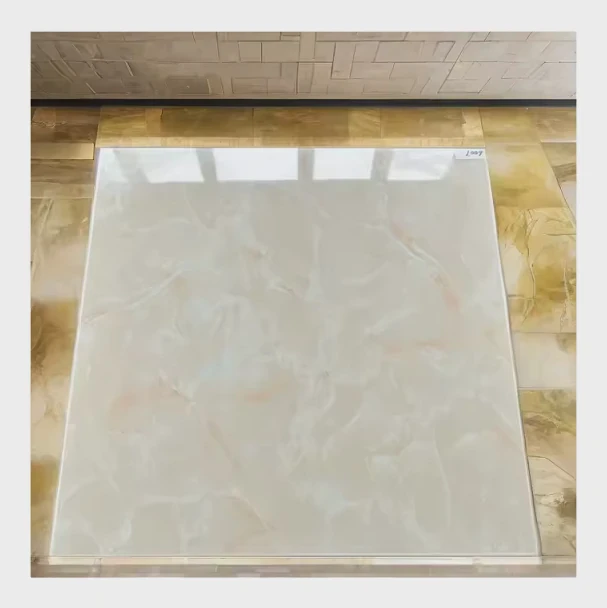
Trowel size affects every part of the installation. Even small mistakes can create significant long-term issues.
Problems Caused by Small Trowels
A trowel that is too small leaves less mortar behind the tile.
This often results in poor coverage.
Hollow Areas Behind Tiles
When insufficient mortar is present, empty spaces remain behind the tile.
These hollow areas reduce support and create weak points.
If pressure is applied to these areas, cracks may develop.
Reduced Bond Strength
Mortar performs best when it fully contacts both the tile and substrate.
Partial contact means reduced bonding strength.
This issue becomes especially important for wall installations where gravity continuously pulls on the tile.
Loose or Falling Tiles
One of the most serious outcomes is tile detachment.
Over time, weak bonding areas may fail due to:
- Temperature changes
- Moisture exposure
- Building movement
- Daily use
Proper mortar coverage significantly reduces this risk.
Problems Caused by Oversized Trowels
A trowel that is too large can also create challenges.
Excessive Lippage
Too much mortar beneath the tile can make leveling more difficult.
This often results in lippage, where adjacent tile edges sit at different heights.
Increased Installation Time
Extra mortar requires more adjustment during installation.
Mortar may also squeeze into grout joints, requiring additional cleaning.
Higher Material Costs
Oversized trowels consume more mortar than necessary.
While proper coverage is essential, excessive mortar increases project costs.
How to Check Coverage
One of the best habits during installation is removing a freshly installed tile to inspect coverage.
A coverage check should reveal:
- Flattened mortar ridges
- Consistent contact
- Minimal voids
- Good edge coverage
If coverage appears poor, a larger notch may be required.
Warning Signs of Incorrect Trowel Size
Several symptoms may indicate improper trowel selection:
- Hollow sounds when tapped
- Cracked tile corners
- Poor mortar transfer
- Loose tiles
- Uneven surfaces
Most of these issues can be prevented by selecting the correct trowel size before installation begins.
For standard 12x24 wall tiles, a 1⁄2-inch square-notch trowel remains the most common starting point.
Can One Trowel Size Fit All Wall Tiles?
Many installers would love a single trowel that works for every wall tile project. Unfortunately, tile installation does not work that way.
No single trowel size fits every wall tile because tile dimensions, thickness, substrate conditions, and coverage requirements vary from project to project.
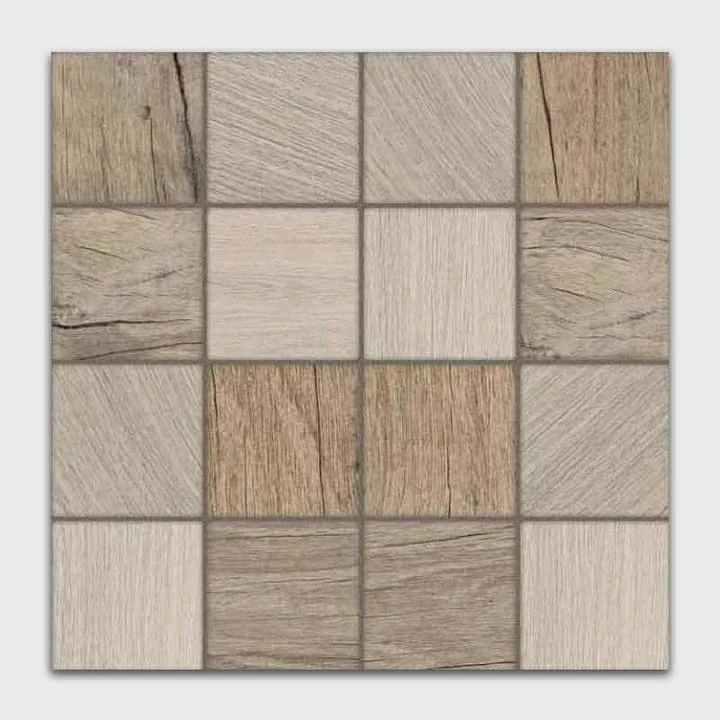
Different tile types create different installation demands. The correct trowel must match those demands.
Tile Size Varies Greatly
A small ceramic wall tile behaves very differently from a large porcelain panel.
The same notch size cannot provide ideal coverage for every product.
Tile Thickness Changes Requirements
Some wall tiles are relatively thin.
Others are thicker and heavier.
Thicker tiles often require additional mortar to achieve proper alignment and support.
Substrate Flatness Matters
A perfectly flat wall makes installation easier.
Walls with dips, bows, or uneven areas may require larger notches to compensate for those irregularities.
Tile Back Design Influences Coverage
Manufacturers use different tile back patterns.
Some backs are smooth.
Others contain:
- Deep grooves
- Grid patterns
- Raised textures
These features affect the amount of mortar required.
Practical Trowel Selection Guide
The simplest approach is to follow manufacturer recommendations whenever available.
Then verify actual coverage during installation.
| Wall Tile Type | Recommended Trowel |
|---|---|
| Small ceramic wall tile | 1⁄4” x 1⁄4” |
| Medium wall tile | 1⁄4” x 3⁄8” |
| 12x24 wall tile | 1⁄2” x 1⁄2” |
| Large porcelain panels | 1⁄2” or larger |
This table provides a useful starting point for most projects.
Coverage Testing Is Essential
Even after selecting a recommended trowel, testing remains important.
Real-world jobsite conditions can vary significantly.
Factors include:
- Mortar consistency
- Installer technique
- Wall condition
- Tile weight
- Environmental conditions
Coverage checks provide immediate confirmation that the chosen trowel is working correctly.
The Best Choice for 12x24 Wall Tiles
For most wall tile applications, a 1⁄2-inch x 1⁄2-inch square-notch trowel offers the best balance between mortar coverage and ease of installation.
When paired with proper installation methods and coverage checks, it helps create a durable and reliable tile installation.
Conclusion
A 1⁄2-inch x 1⁄2-inch square-notch trowel is the standard recommendation for most 12x24 wall tile installations. Tile size, wall flatness, tile back design, and coverage requirements all influence the final decision. The best practice is to start with the recommended notch size, verify mortar coverage, and adjust when necessary to ensure a strong and lasting installation.