How to Install Peel and Stick Tile Backsplash?
- Sinotiles
- 2026-04-25
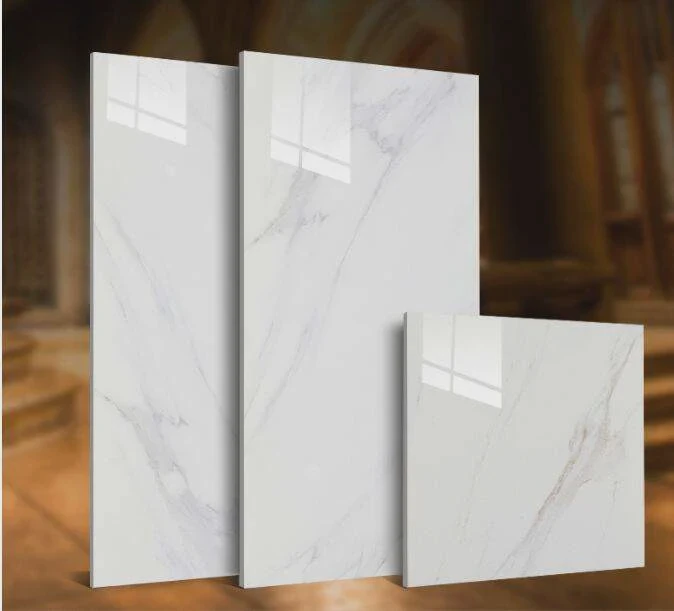
Installing a peel and stick backsplash seems simple, but many face issues with uneven tiles or peeling edges.
Peel and stick tiles offer a quick and cost-effective way to update a kitchen or bathroom. With proper preparation, they can stick well and last for years.
Proper preparation and technique make the difference between a tile that lasts and one that fails. Understanding the steps ensures the project is smooth and results are professional-looking.
What preparation is required before installation?
Preparing the wall is often overlooked, yet it is crucial for a successful installation. Dust, grease, and uneven surfaces can make tiles peel or misalign.
Clean, smooth, and dry walls are essential before applying peel and stick tiles. Skipping this step often leads to short-lived results.
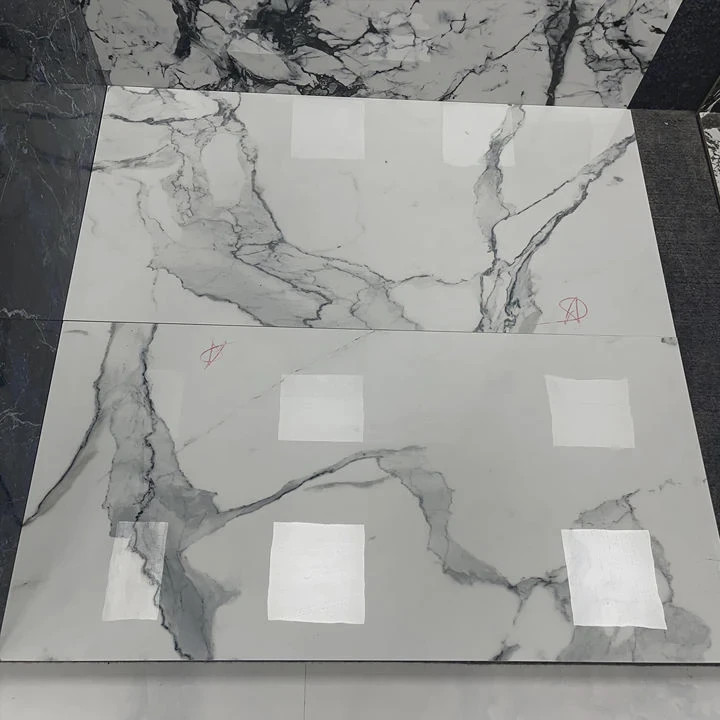
Before starting, remove any old backsplash, grease, or dust. Use a mild cleaner and let the wall dry completely. Smooth any bumps or holes with spackle, then sand lightly. Make sure the wall is flat because tiles will not bend to cover uneven surfaces.
Tools and Materials Needed
| Item | Purpose |
|---|---|
| Mild cleaner | Removes grease and dirt |
| Sponge | Wipes surfaces |
| Spackle | Fills holes and cracks |
| Sandpaper | Smooths rough areas |
| Ruler or tape measure | Aligns tiles accurately |
| Pencil | Marks placement lines |
Take measurements carefully. Plan the layout by marking horizontal and vertical guidelines. Starting in the center often ensures symmetry, especially if your wall has visible edges. Aligning tiles before peeling adhesive prevents mistakes.
Check the room temperature. Peel and stick tiles adhere best between 50–85°F (10–29°C). Cold or damp walls reduce adhesive effectiveness. Avoid applying tiles immediately after painting; wait for paint to cure at least two weeks.
Common Mistakes
- Installing on greasy or wet walls
- Skipping sanding or spackle on uneven areas
- Not measuring or marking guidelines
- Peeling too many tiles at once
Proper preparation saves time and prevents frustration. A smooth and clean wall ensures the adhesive sticks properly and tiles remain in place over time.
How do you ensure adhesive tiles stick properly?
Even the best peel and stick tiles will fail if not applied correctly. Pressure and alignment are critical to achieving a secure hold.
Firmly pressing tiles from the center outward and avoiding dust on adhesive surfaces maximizes sticking power.
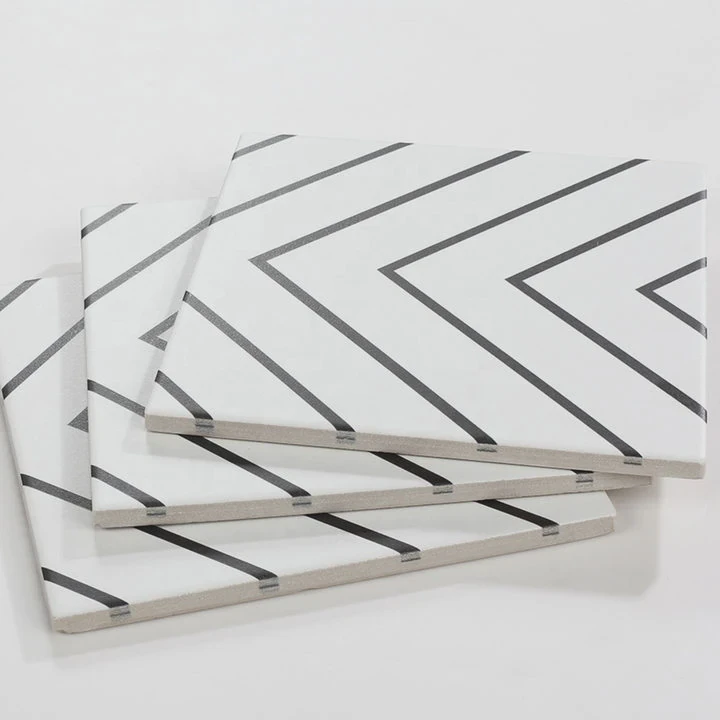
Start with a single tile and press it firmly on the wall. Work from the center outward to prevent air bubbles. Use a roller for extra adhesion, especially on larger tiles. Avoid touching the adhesive with fingers, as oils can reduce stickiness.
Step-by-Step Adhesion Tips
- Peel the backing carefully without touching the adhesive
- Align tile using guidelines
- Press firmly from center outward
- Use a small roller to apply even pressure
- Repeat for all tiles
Adhesion Factors Table
| Factor | Effect on Adhesion |
|---|---|
| Wall cleanliness | High - prevents peeling |
| Temperature | Medium - too cold weakens bond |
| Pressure applied | High - ensures full contact |
| Moisture | High - wet surfaces reduce sticking |
| Tile size | Medium - larger tiles need more pressure |
Allow the adhesive to set for 24 hours before cleaning or exposing to water. For kitchen backsplashes, avoid applying tiles directly behind a stove without extra heat-resistant adhesive. Pressure is more important than speed; rushing can lead to corners lifting.
Which surfaces work best for backsplash tiles?
Peel and stick tiles are versatile but perform differently depending on the surface type. Smooth, non-porous surfaces are ideal, while textured or painted walls may need extra preparation.
Non-porous surfaces like glass, metal, or sealed countertops provide the best adhesion. Porous or textured surfaces often require priming.
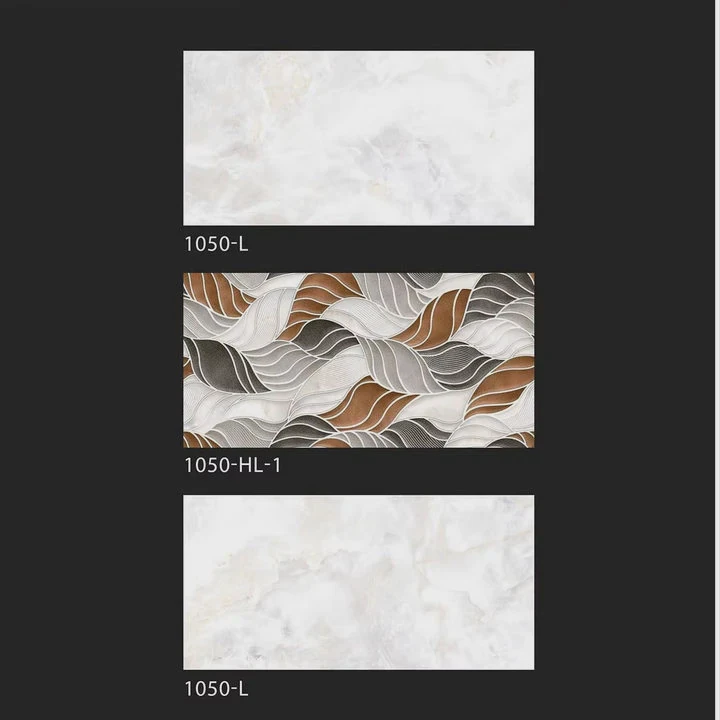
Surface Compatibility
| Surface | Recommendation |
|---|---|
| Glass | Excellent adhesion, clean and smooth |
| Ceramic tile | Good, clean thoroughly and degrease |
| Painted drywall | Best if smooth and fully cured |
| Textured walls | Sand smooth or use a primer |
| Laminate | Works well if clean and flat |
If the surface is porous, consider using a primer to seal the wall. Textured surfaces may need sanding to reduce bumps. Avoid bare drywall in high-moisture areas unless sealed; moisture can weaken the adhesive over time.
Corners, seams, and edges require special attention. Make sure the surface is continuous and clean. Sometimes, applying tiles in small sections helps adjust alignment and ensures a solid hold across uneven areas.
Tips for Hard-to-Stick Surfaces
- Use primer on porous surfaces
- Sand textured areas lightly
- Wipe down with alcohol for greasy spots
- Avoid overly uneven surfaces
Selecting the right surface ensures tiles stay put and minimizes peeling or bubbling issues later.
Can repositioning affect adhesive strength?
Peel and stick tiles are repositionable initially, but frequent movement can weaken the adhesive. Correct placement on the first try reduces the need for repositioning.
Minor adjustments are safe, but repeated lifting and reapplying reduce adhesive strength and may cause edges to lift over time.
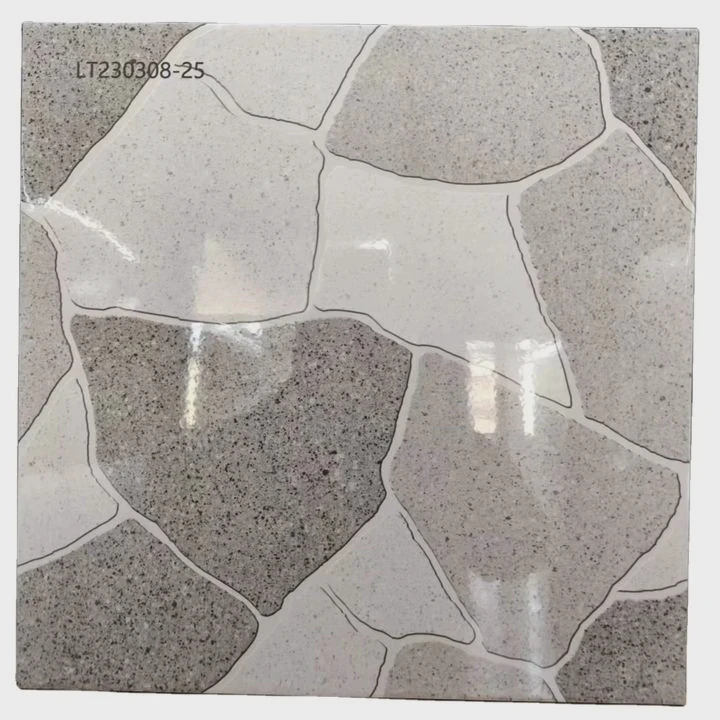
How Repositioning Impacts Adhesion
If a tile is misaligned, peel it carefully and reapply once. Avoid stretching the adhesive backing or folding corners. Too much handling introduces dust and oils that reduce stickiness. Use a clean cloth to gently press tiles back in place.
Repositioning Best Practices Table
| Action | Effect |
|---|---|
| Single adjustment | Safe, minimal adhesive loss |
| Multiple adjustments | Weakens bond, edges may lift |
| Touching adhesive | Reduces stickiness due to oils |
| Using a roller after reposition | Restores adhesion somewhat |
In practice, plan the layout in advance. Mark guidelines and measure twice. Start at the center and work outward to reduce repositioning. Some larger tiles may require extra adhesive along edges if repositioning occurs.
Preventing repositioning issues also involves keeping the wall and adhesive clean. Avoid touching the sticky part, and press firmly once the tile is in position. This ensures long-term adhesion without future lifting or peeling.
Common Mistakes When Repositioning
- Pulling and re-sticking multiple times
- Stretching or folding adhesive
- Pressing without cleaning surface after adjustment
Being cautious with repositioning maintains tile longevity and ensures the backsplash remains smooth and even.
Conclusion
Proper wall prep, correct surface choice, firm adhesion, and careful repositioning guarantee that peel and stick backsplash tiles look professional and last long. Follow these steps, and you can enjoy a hassle-free tile upgrade.