How to Tile Ceiling?
- Sinotiles
- 2026-04-25
Tiling a ceiling can feel risky and overwhelming. Falling tiles, messy adhesives, and uneven surfaces can make anyone hesitate.
With careful preparation, the right tools, and proper techniques, ceiling tiling can be safe and long-lasting. Understanding each step helps you avoid common mistakes and ensures professional results.
Tiling a ceiling is not just about aesthetics. It’s also about safety, durability, and efficiency. Reading through the right process can save time, cost, and frustration.
What preparation is needed before ceiling tiling?
Before tiling, ceilings require cleaning, measurement, and sometimes reinforcement. Any dirt or cracks can affect adhesion and alignment.
Preparation includes checking for damage, measuring accurately, and ensuring the surface can support the weight of the tiles.
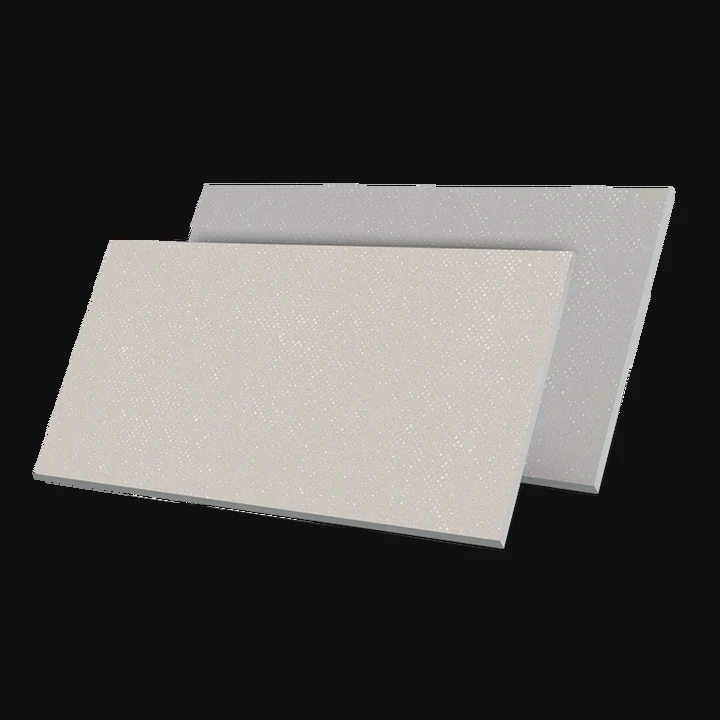
Proper preparation is critical. First, remove existing fixtures and old paint or wallpaper. Scrape off loose particles. Dust and oil can prevent tiles from sticking. Then, measure your ceiling carefully. Start by marking a center point. This ensures tiles are evenly distributed. Uneven or small cuts at edges can ruin the look.
Next, consider structural support. Some ceilings are plasterboard or drywall, which may need reinforcement for heavy tiles. Adding furring strips or mesh can help. This also prevents sagging over time. Moisture must be checked, especially in bathrooms or kitchens. Tiles in damp areas require moisture-resistant surfaces and adhesives.
Finally, gather tools and safety gear. Ladders, scaffolding, gloves, and eye protection reduce risk. Using a laser level or chalk line improves alignment. Organizing materials before starting saves time and prevents errors. A small planning step can prevent costly mistakes later.
Table: Ceiling Surface Preparations
| Step | Purpose | Notes |
|---|---|---|
| Remove old material | Ensure adhesion | Scrape paint, wallpaper, or plaster |
| Clean and dry surface | Avoid adhesive failure | Dust, grease, and moisture-free |
| Measure and mark | Ensure symmetrical tile placement | Use center lines or grid |
| Reinforce if needed | Support heavier tiles | Furring strips or mesh |
| Check moisture | Prevent future damage | Use moisture-resistant boards |
How do you ensure tiles stay in place overhead?
Tiles on ceilings are prone to falling if not handled properly. Gravity works against you, and poor placement can lead to accidents.
Using proper adhesive, temporary supports, and precise alignment ensures tiles remain firmly in place overhead.
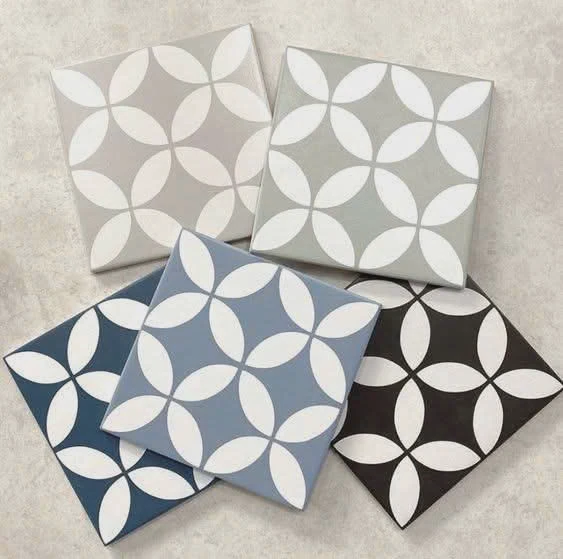
Keeping tiles secure starts with the right application technique. Spread adhesive evenly using a trowel. Avoid applying too thick a layer; excessive glue can slide down. Press each tile firmly and hold for a few seconds. Using temporary supports, like furring strips or small wedges, prevents tiles from slipping until the adhesive cures.
Tile weight matters. Heavier tiles may require mechanical fasteners in addition to adhesive. Lightweight foam or PVC tiles stick more easily and need less support. Always test a small section first to check adhesion.
Consistent spacing is also key. Uneven gaps or misaligned edges can compromise stability. Using spacers helps. Check level and alignment regularly. Patience is crucial. Rushing the process increases errors and the risk of falling tiles.
Table: Techniques to Secure Ceiling Tiles
| Technique | Description | Best Use Case |
|---|---|---|
| Even adhesive application | Thin, consistent layer | All tile types |
| Temporary support wedges | Hold tiles until adhesive sets | Heavier or large tiles |
| Mechanical fasteners | Screws or clips for extra support | Stone, ceramic, or heavy tiles |
| Spacers | Maintain consistent spacing | All tile types |
| Test small section first | Check adhesion before full application | First-timers and complex patterns |
Which adhesives are best for ceiling tiles?
Choosing the wrong adhesive can result in sagging or falling tiles. Some adhesives work for walls but fail overhead.
The best adhesives are lightweight, strong, and designed for overhead surfaces, ensuring a permanent hold without dripping.
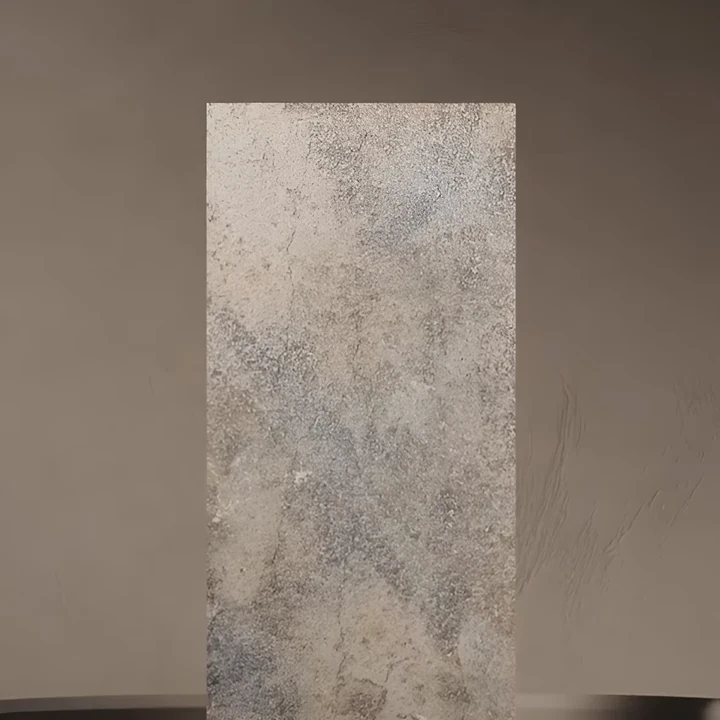
Adhesive selection depends on tile material and ceiling type. For ceramic or porcelain tiles, a high-quality thin-set mortar is ideal. It offers strong bonding and can handle moisture. Lightweight foam, PVC, or polystyrene tiles do better with a mastic or glue formulated for ceilings. Avoid general-purpose wall adhesives—they may not hold the weight.
Temperature and humidity also matter. In bathrooms or kitchens, moisture-resistant adhesives prevent failure. Some adhesives include anti-sag properties, which are important for heavier tiles. Always read the manufacturer’s instructions. Curing time is important; rushing before the adhesive fully sets can ruin alignment.
Safety and ease-of-use are additional factors. Non-toxic adhesives reduce fumes during installation. Some come pre-mixed, while others require mixing powder and water. Pre-mixed adhesives are convenient but may have shorter shelf life. For large projects, buying in bulk reduces cost.
Table: Recommended Adhesives for Ceiling Tiles
| Tile Material | Adhesive Type | Features |
|---|---|---|
| Ceramic / Porcelain | Thin-set mortar | Strong, moisture-resistant |
| Foam / PVC | Mastic glue | Lightweight, anti-sag |
| Polystyrene | Special ceiling adhesive | Prevents dripping and sag |
| Mixed materials | Hybrid adhesive | Works for various surfaces, easy cleanup |
| Moist areas | Waterproof adhesive | Bathroom, kitchen, or damp locations |
When should grout be applied after installation?
Applying grout too early or too late can damage tiles or reduce adhesion. Timing is critical for ceiling tiles.
Grout should be applied after the adhesive fully sets, usually 24–48 hours, ensuring stability and a clean finish.
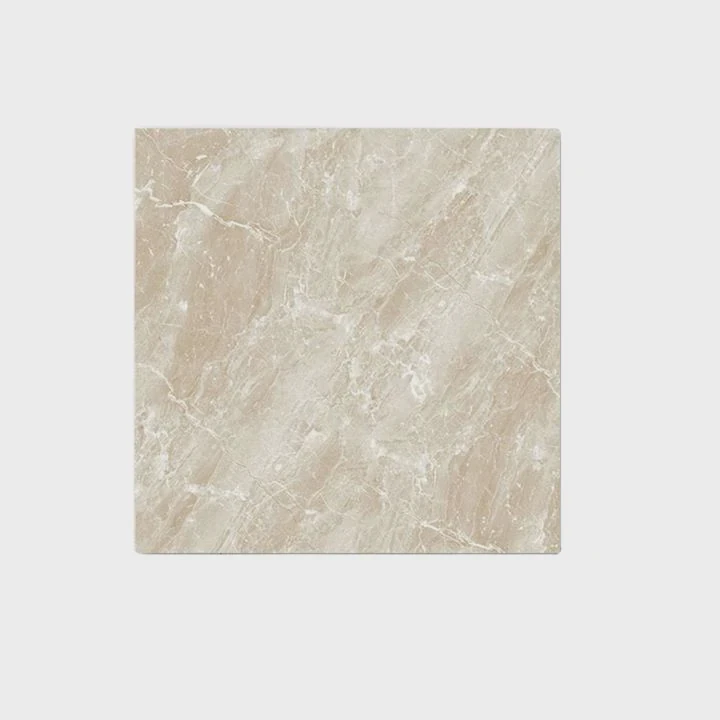
Once tiles are securely set, cleaning gaps is the first step. Remove excess adhesive to allow smooth grouting. Select grout type based on tile and environment. For ceramic tiles, standard cement grout works. For damp areas, epoxy or waterproof grout is better.
Apply grout evenly using a float, pressing into joints. Wipe off excess immediately with a damp sponge. Wait for drying according to the grout instructions. Rushing this step can create uneven joints, stains, or weak sealing.
Grout also protects tiles from moisture and prevents dirt accumulation. Regular maintenance improves durability. For large ceilings, work in sections to ensure consistency. Pay attention to corners and edges; these areas often need extra care to avoid cracking or gaps.
Table: Grouting Timeline and Tips
| Step | Timing | Tips |
|---|---|---|
| Clean gaps | Before grouting | Remove adhesive residue |
| Apply grout | 24–48 hours after adhesive set | Use proper float technique |
| Wipe excess | Immediately after application | Avoid grout haze on tile surface |
| Drying time | Follow grout instructions | Ensure full cure before touching |
| Seal grout (optional) | After full dry | In high moisture areas |
Conclusion
Ceiling tiling is manageable with careful prep, proper adhesives, and timing. Patience ensures lasting, safe, and attractive results.