How to Install Peel and Stick Tile?
- Sinotiles
- 2026-06-08
Many people want a quick tile upgrade but worry about difficult installation, uneven results, and wasted materials. These concerns often stop a project before it starts.
Peel and stick tile is easy to install when the surface is clean, smooth, dry, and stable. Careful alignment, bubble removal, and proper surface preparation help create a professional finish that lasts for years.
A peel and stick tile project looks simple at first glance. Still, small mistakes can affect the final result. Understanding the right surface, preparation steps, and installation methods makes the process much easier and helps achieve a durable outcome.
What Surfaces Are Suitable for Installation?
A poor surface can cause tiles to lift, shift, or fail early. Many installation problems begin before the first tile is even placed.
Peel and stick tiles work best on clean, smooth, dry, and flat surfaces such as painted drywall, finished wood, metal, glass, and properly prepared existing tile.
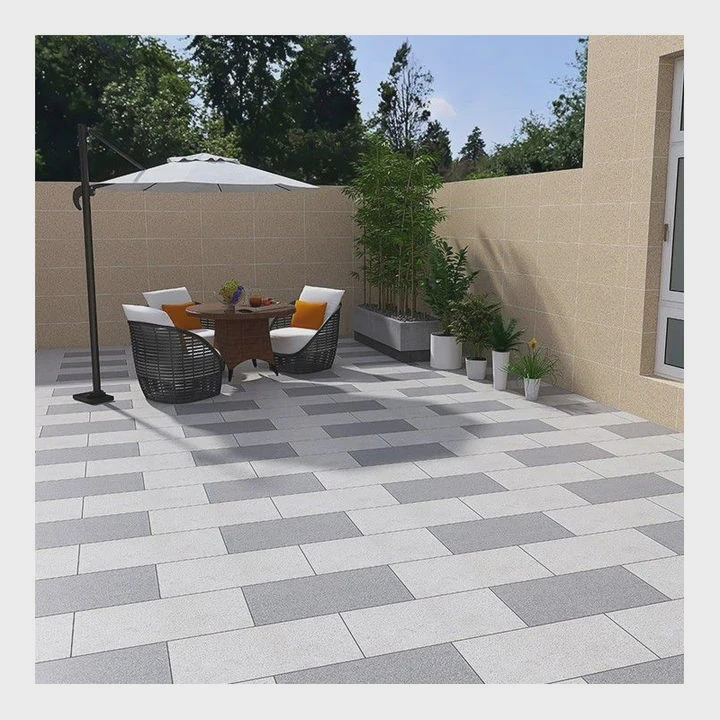
The success of a peel and stick tile project depends heavily on the surface underneath. Before starting any installation, I always check whether the wall or floor is stable and smooth enough to support the adhesive backing.
Ideal Surface Characteristics
A suitable surface should meet several basic conditions:
| Surface Requirement | Why It Matters |
|---|---|
| Smooth | Allows full adhesive contact |
| Clean | Prevents dirt from weakening adhesion |
| Dry | Stops moisture from affecting glue |
| Flat | Reduces gaps and lifting edges |
| Stable | Prevents movement after installation |
When a surface has bumps, holes, cracks, or loose paint, the adhesive cannot bond evenly. This often creates weak spots that may fail over time.
Common Suitable Surfaces
Many homeowners successfully install peel and stick tiles on:
- Painted drywall
- Finished plywood
- Smooth wood panels
- Existing ceramic tile
- Glass backsplashes
- Metal surfaces
- Laminate panels
If installing over existing tile, grout lines should be shallow. Deep grout lines can create visible dips beneath the new tiles.
Surfaces That Need Extra Preparation
Some surfaces are not impossible to use, but they require additional work.
These include:
- Textured walls
- Brick
- Concrete block
- Rough plaster
- Unsealed wood
For these materials, sanding, skim coating, or applying a smoothing layer may be necessary before installation.
Surfaces to Avoid
Certain surfaces rarely provide reliable results.
Examples include:
- Loose wallpaper
- Peeling paint
- Damp walls
- Greasy kitchen surfaces
- Unfinished drywall
- Soft insulation panels
I once tested peel and stick tiles on a wall with old wallpaper. The tiles initially looked perfect. A few weeks later, sections started pulling away because the wallpaper itself was separating from the wall. The adhesive was stronger than the wallpaper bond.
A simple surface inspection before installation can prevent expensive repairs and replacement later. Spending extra time on preparation often determines whether the project lasts for months or for many years.
How Can Bubbles Be Avoided During Placement?
Nothing ruins a clean tile installation faster than trapped air bubbles. Even small bubbles can affect the appearance and long-term performance of the project.
Bubbles can be avoided by working slowly, aligning tiles carefully, applying pressure from the center outward, and removing the backing gradually during installation.
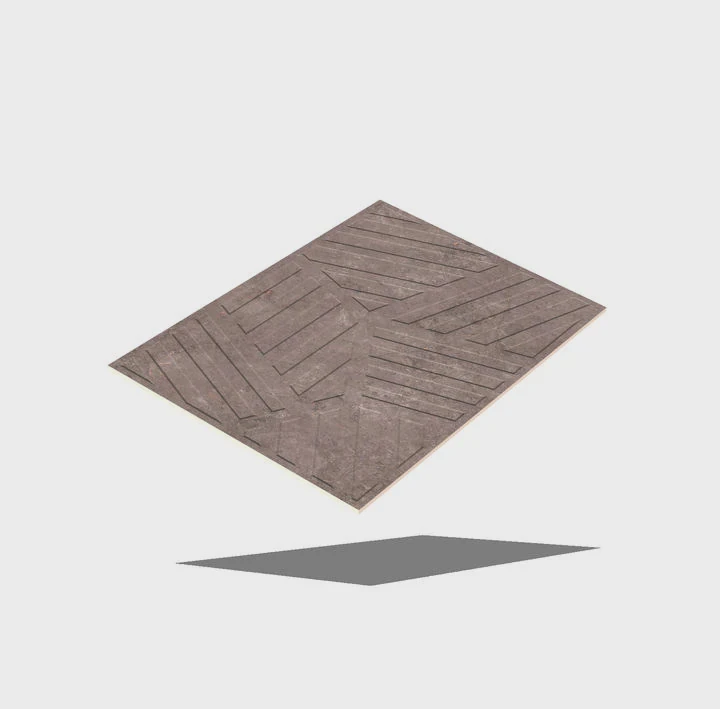
Air bubbles form when pockets of air become trapped between the tile adhesive and the installation surface. The good news is that most bubbles are preventable with proper technique.
Start With Accurate Positioning
Before removing the backing paper, I usually place the tile against the wall to check alignment.
This step helps prevent:
- Crooked installation
- Repositioning mistakes
- Excessive handling
- Air entrapment
Once the adhesive touches the wall, repeated repositioning can weaken the bond and increase the chance of bubbles.
Use the Gradual Release Method
Many beginners remove the entire backing sheet immediately. This can make installation harder.
A better method is:
- Peel back a few inches of the liner.
- Align the tile carefully.
- Press the exposed section into place.
- Slowly pull away the remaining liner.
- Continue pressing as you move forward.
This process gives better control and reduces trapped air.
Apply Pressure Correctly
The direction of pressure matters.
I generally use a plastic smoothing tool or a soft cloth and work:
- From the center outward
- From top to bottom
- Toward the tile edges
This motion pushes air toward the edges before it becomes trapped.
Useful Tools for Bubble Prevention
| Tool | Purpose |
|---|---|
| Plastic squeegee | Smooths adhesive evenly |
| Soft roller | Applies uniform pressure |
| Measuring tape | Maintains alignment |
| Level | Keeps rows straight |
| Utility knife | Produces clean cuts |
What If a Bubble Appears?
Even experienced installers occasionally encounter a bubble.
For small bubbles:
- Lift the tile carefully if possible.
- Reapply pressure from the center outward.
For stubborn bubbles:
- Use a fine pin.
- Release the trapped air.
- Smooth the area firmly.
The key lesson is patience. Rushing the installation often creates more bubbles than any other mistake. A steady pace produces cleaner results and stronger adhesion.
Why Is Surface Cleaning Important Beforehand?
Many installation failures are blamed on the product itself. In reality, poor surface cleaning is often the real cause behind lifting corners and weak adhesion.
Surface cleaning removes dust, grease, soap residue, and contaminants that can prevent the adhesive from bonding properly to the installation surface.
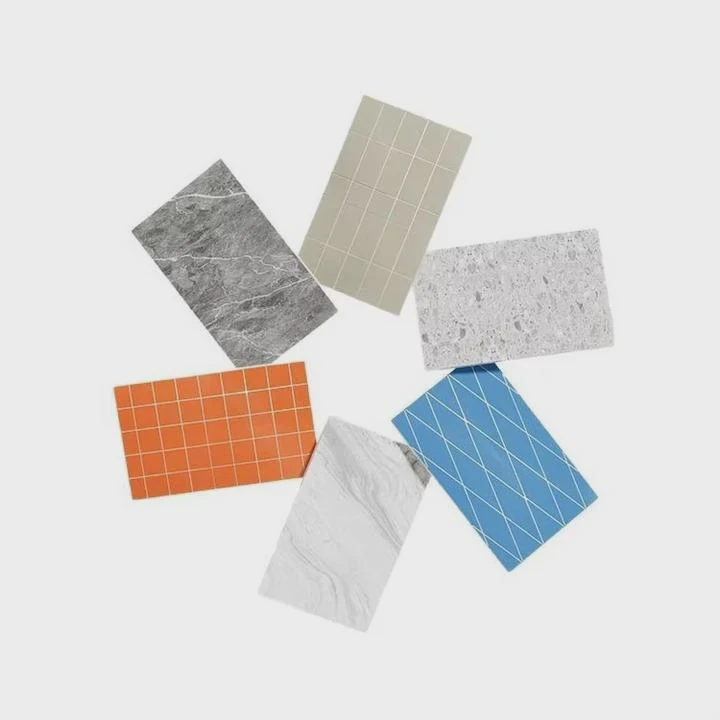
Cleaning may seem like a minor step, but it is one of the most important parts of the entire installation process. Adhesive products require direct contact with the surface to create a strong bond.
How Dirt Affects Adhesion
Think of dust and grease as barriers.
Instead of bonding directly to the wall, the adhesive sticks to the contamination layer. Over time, that layer loosens and causes tile failure.
Common contaminants include:
- Cooking grease
- Dust
- Soap film
- Wax residue
- Cleaning product buildup
- Moisture deposits
Kitchen backsplashes often collect invisible grease that cannot be seen immediately. This layer significantly reduces adhesive performance.
Recommended Cleaning Process
I generally follow a simple cleaning routine before installation.
Step 1: Remove Loose Dirt
Use:
- Vacuum
- Dry cloth
- Soft brush
This removes dust and debris.
Step 2: Degrease the Surface
Use a mild cleaner suitable for the material.
Focus on:
- Kitchen walls
- Areas near stoves
- Bathroom surfaces
Step 3: Rinse Thoroughly
Any cleaning residue left behind can interfere with adhesion.
A clean water rinse helps eliminate leftover chemicals.
Step 4: Dry Completely
Moisture trapped beneath tiles may weaken the adhesive.
Allow enough drying time before beginning installation.
The Importance of Surface Inspection
After cleaning, I always inspect the wall carefully.
Things to look for include:
- Peeling paint
- Cracks
- Mold
- Loose materials
- Water damage
Cleaning alone cannot fix structural issues.
Hidden Benefits of Proper Cleaning
Besides improving adhesion, cleaning also helps:
- Increase tile lifespan
- Improve appearance
- Reduce installation mistakes
- Prevent future repairs
Many people spend hours selecting tile styles but only minutes preparing the wall. In most cases, surface preparation has a bigger impact on long-term success than the tile design itself.
A clean surface creates the foundation for everything that follows. Without that foundation, even the highest-quality peel and stick tile may struggle to perform as expected.
Which Tips Ensure Long-Lasting Adhesion?
Many peel and stick tile projects look excellent on installation day. The real challenge is keeping them secure months and years later.
Long-lasting adhesion depends on proper preparation, correct installation temperature, firm pressure, accurate cutting, and ongoing protection from excessive moisture and movement.
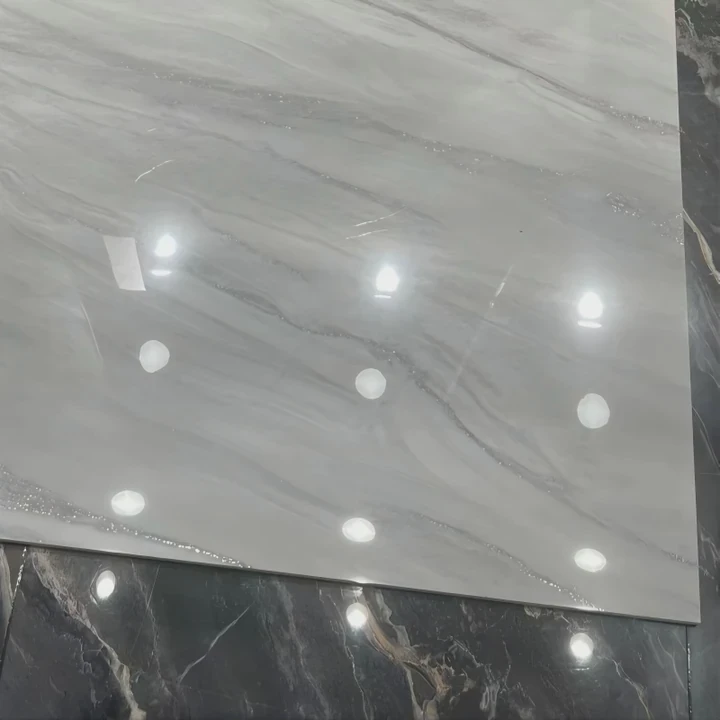
Durability does not come from one single step. It comes from several small actions that work together to support the adhesive bond.
Control the Installation Environment
Temperature affects adhesive performance more than many people realize.
Most peel and stick products perform best in moderate conditions.
Avoid installation when:
- The room is extremely cold
- The room is excessively hot
- Humidity is very high
If tiles are stored in a garage or warehouse, allow them to reach room temperature before installation.
Press Tiles Firmly
Proper pressure activates the adhesive.
After placing each tile, I spend extra time pressing:
- Center sections
- Edges
- Corners
- Seams
A hand roller can improve contact and strengthen the bond.
Pay Attention to Edges
Most lifting problems begin at corners and edges.
To reduce risk:
- Trim accurately
- Avoid stretching tiles
- Press edges carefully
- Check corners twice
Even a small gap can allow moisture and dirt to enter.
Allow Adhesive to Set
Many installers want immediate results. Still, adhesives often continue strengthening after installation.
For the first day or two:
- Avoid excessive moisture
- Avoid heavy cleaning
- Minimize direct impact
This helps the bond develop fully.
Protect Against Moisture
Peel and stick tiles often perform well in kitchens and bathrooms. However, standing water remains a concern.
Focus on:
- Sink areas
- Shower-adjacent walls
- Countertop joints
If recommended by the manufacturer, seal exposed edges where water exposure is likely.
Long-Term Maintenance Tips
Good maintenance supports long-lasting performance.
Cleaning Practices
Use:
- Soft cloths
- Mild cleaners
- Non-abrasive products
Avoid harsh chemicals that may damage adhesive edges.
Regular Inspection
Every few months, check for:
- Lifting corners
- Moisture damage
- Surface movement
Early correction prevents larger issues later.
Factors That Improve Adhesive Lifespan
| Best Practice | Long-Term Benefit |
|---|---|
| Proper cleaning | Stronger bond |
| Smooth surface | Better adhesive contact |
| Correct temperature | Improved installation quality |
| Firm pressure | Reduced lifting risk |
| Moisture control | Longer service life |
| Routine inspection | Early problem detection |
Over the years, I have noticed that successful peel and stick installations rarely depend on expensive tools. They depend on consistency. Small details such as cleaning thoroughly, measuring carefully, and pressing firmly create results that continue to look professional long after installation is complete.
Conclusion
Peel and stick tile installation becomes much easier when the surface is smooth, clean, dry, and stable. Careful placement, proper bubble prevention, thorough cleaning, and attention to adhesion details help create a durable finish that stays attractive for years.