How to Install Tile Countertops?
- Sinotiles
- 2026-06-24
Many homeowners and contractors want durable and attractive countertops. Yet poor installation can lead to cracked tiles, uneven surfaces, and costly repairs.
To install tile countertops, prepare a stable substrate, choose the right adhesive, lay tiles with consistent spacing, grout carefully, and apply a suitable sealer when needed. Proper preparation and installation techniques help create a long-lasting and professional-looking countertop.
Tile countertops remain a popular choice because they offer design flexibility, durability, and cost control. Understanding each step of the installation process helps avoid common mistakes and improves the final result.
What Preparation Is Needed for Tile Countertop Installation?
Many tile countertop problems begin before the first tile is installed. A weak or uneven base can cause cracks, loose tiles, and poor overall performance.
Proper countertop preparation includes inspecting the structure, installing a stable substrate, ensuring a level surface, cleaning thoroughly, and planning the tile layout before installation begins.
Preparation is often the most important stage of a tile countertop project. Even high-quality tiles cannot compensate for a poor foundation.
Inspect the Existing Structure
The countertop base must be strong enough to support the weight of tiles, adhesive, grout, and daily use.
Before starting, check for:
- Loose cabinet frames
- Water damage
- Rotting wood
- Structural movement
- Sagging sections
Any weakness should be repaired before installation.
Select the Right Substrate
Tiles should not be installed directly onto unstable surfaces.
Common substrate options include:
| Substrate Type | Recommended Use |
|---|---|
| Cement Backer Board | Highly recommended |
| Exterior Grade Plywood | Common support layer |
| Fiber Cement Board | Moisture-resistant option |
| Waterproof Tile Backer | Wet areas and kitchens |
Many professional installers use a combination of plywood and cement backer board. This setup provides both strength and moisture resistance.
Ensure the Surface Is Level
A flat countertop makes tile installation much easier.
Use a long level to check:
- Front-to-back alignment
- Side-to-side alignment
- Corner elevations
Small variations can become very noticeable once tiles are installed.
Clean the Surface Thoroughly
Dust, grease, and debris can weaken adhesive bonds.
Before applying adhesive:
- Vacuum the surface.
- Remove dirt and dust.
- Wipe away grease.
- Allow the surface to dry completely.
Plan the Tile Layout
Many installation problems come from poor layout planning.
Before spreading adhesive:
Measure the Countertop
Accurate measurements help determine:
- Tile quantity
- Cut locations
- Edge treatments
Dry Lay the Tiles
Place tiles without adhesive to preview the design.
This step helps identify:
- Small cuts near edges
- Pattern alignment issues
- Visual balance problems
Prepare Edge Treatments
Countertop edges require special attention.
Popular edge options include:
- Bullnose tiles
- Trim pieces
- Metal profiles
- Mitered edges
Preparing these details early prevents delays during installation.
Why Preparation Matters
A tile countertop experiences daily stress from appliances, cookware, spills, and cleaning products.
A well-prepared foundation provides:
- Better tile adhesion
- Reduced cracking risk
- Improved moisture resistance
- Longer service life
Many experienced installers spend nearly as much time preparing the countertop as they do setting the tiles. That investment usually pays off through better performance and fewer future repairs.
Which Adhesives Work Best for Countertop Tiles?
Choosing the wrong adhesive can cause tiles to loosen, crack, or fail over time. Countertops face regular use, moisture exposure, and temperature changes, making adhesive selection critical.
Polymer-modified thin-set mortar is generally the best adhesive for tile countertops because it provides strong bonding, flexibility, and durability. Epoxy adhesives may also be used in demanding environments.
Not all tile adhesives perform equally on countertops.
Common Adhesive Types
Several adhesive options are available for tile installations.
| Adhesive Type | Suitability for Countertops |
|---|---|
| Polymer-Modified Thin-Set | Excellent |
| Standard Thin-Set | Good |
| Epoxy Mortar | Excellent |
| Premixed Mastic | Limited Use |
| Construction Adhesive | Not Recommended |
Why Polymer-Modified Thin-Set Is Popular
Most professionals prefer polymer-modified thin-set mortar.
Benefits include:
- Strong bond strength
- Moisture resistance
- Flexibility
- Long-term durability
These characteristics make it suitable for kitchens, bathrooms, and commercial spaces.
When Epoxy Adhesives Are Useful
Epoxy mortars provide exceptional performance.
They offer:
- High chemical resistance
- Strong adhesion
- Excellent durability
However, epoxy systems often cost more and require faster installation because of shorter working times.
Adhesive Selection by Tile Type
Different tiles may require different adhesive approaches.
Ceramic Tiles
Most ceramic tiles perform well with standard polymer-modified thin-set.
Porcelain Tiles
Porcelain has low water absorption and requires strong bonding materials.
Many manufacturers recommend premium thin-set mortars specifically designed for porcelain.
Large Format Tiles
Large-format products often need specialized mortars that improve support and reduce tile movement.
Important Installation Practices
The best adhesive still requires proper application.
Correct Trowel Selection
Trowel size affects adhesive coverage.
Larger tiles usually require larger notches.
Proper Coverage
Countertops require high adhesive coverage percentages.
Insufficient coverage can create hollow spots that lead to cracks.
Mixing Consistency
Mortar should follow manufacturer instructions closely.
Overwatering weakens adhesive strength and may cause performance issues.
Common Adhesive Mistakes
Many installation failures come from avoidable errors.
Frequent mistakes include:
- Using expired materials
- Incorrect mixing ratios
- Applying mortar over dirty surfaces
- Working beyond open time limits
Long-Term Performance
The adhesive serves as the connection between the tile and the countertop structure.
A high-quality mortar helps resist:
- Daily impact
- Thermal expansion
- Moisture exposure
- Structural movement
Investing in the correct adhesive often represents a small portion of the total project cost but contributes significantly to long-term countertop performance.
How Do You Ensure Even Tile Spacing on Counters?
Uneven tile spacing can make even expensive countertops appear poorly installed. Consistent grout joints improve both appearance and functionality.
Even tile spacing is achieved by using tile spacers, following a carefully planned layout, checking alignment regularly, and making adjustments during installation before the adhesive cures.
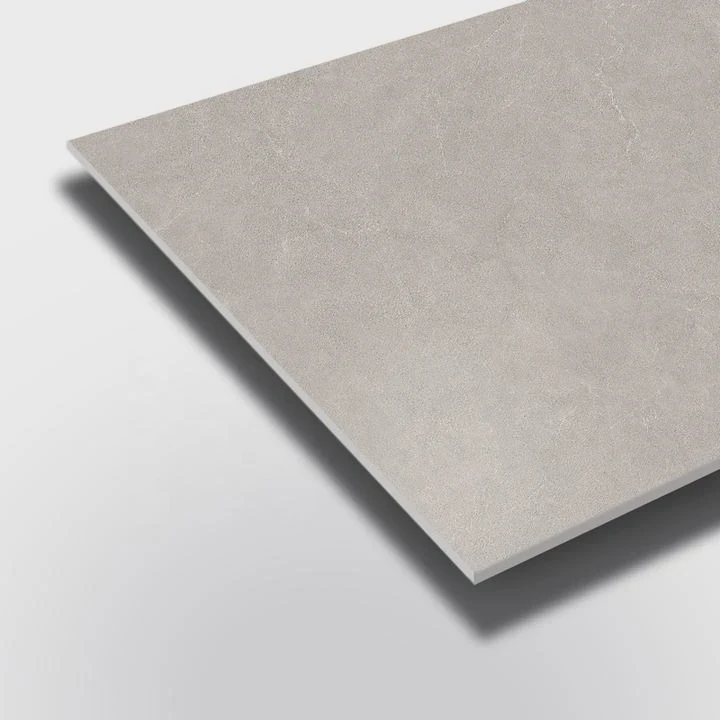
Consistent spacing creates a clean and professional finish.
Start with a Layout Plan
Tile spacing begins before installation.
A planned layout helps avoid:
- Uneven border cuts
- Misaligned patterns
- Narrow edge pieces
Many installers mark reference lines directly on the substrate.
Use Tile Spacers
Tile spacers are one of the simplest tools for maintaining consistency.
Common spacer sizes include:
| Spacer Size | Typical Application |
|---|---|
| 1⁄16 Inch | Rectified Tiles |
| 1⁄8 Inch | Standard Residential Use |
| 3⁄16 Inch | Rustic Designs |
| 1⁄4 Inch | Large Grout Joint Styles |
The selected joint width should match the tile design and manufacturer recommendations.
Work in Small Sections
Countertop installations benefit from a controlled approach.
Installing small sections allows:
- Better alignment control
- Easier adjustments
- More consistent joints
Large adhesive areas may begin drying before tiles are positioned correctly.
Check Alignment Frequently
Visual inspection alone is often insufficient.
Use:
- Straight edges
- Levels
- Measuring tools
- Reference lines
Regular checks help identify minor issues before they become larger problems.
Handle Large Format Tiles Carefully
Large tiles can magnify alignment errors.
For large-format installations:
Use Leveling Systems
Tile leveling clips help reduce uneven edges.
Benefits include:
- Better surface flatness
- Reduced lippage
- Improved visual appearance
Verify Joint Consistency
Large tiles draw attention to grout lines.
Even small spacing variations become more noticeable.
Managing Corners and Edges
Countertop corners often present challenges.
Careful planning helps maintain:
- Symmetrical cuts
- Balanced spacing
- Attractive edge transitions
Common Causes of Uneven Spacing
Several factors contribute to spacing problems.
Tile Size Variation
Some tiles vary slightly in size.
Using appropriate grout joint widths can help accommodate these differences.
Excess Adhesive
Too much mortar beneath a tile can shift its position.
Rushing the Installation
Fast installation often leads to inconsistent alignment.
Why Consistent Spacing Matters
Even spacing provides both visual and practical benefits.
Advantages include:
- Professional appearance
- Better grout performance
- Easier cleaning
- Improved durability
A carefully spaced countertop often reflects the overall quality of the installation. Taking extra time during layout and placement usually produces a much more attractive finished product.
Should Countertops Be Sealed After Tiling?
Many people assume tile installations are complete once the grout cures. However, sealing can play an important role in protecting both grout and certain tile surfaces.
Yes, many tile countertops should be sealed after installation. Sealing helps protect grout lines and porous tiles from stains, moisture, and daily wear, especially in kitchens and bathrooms.
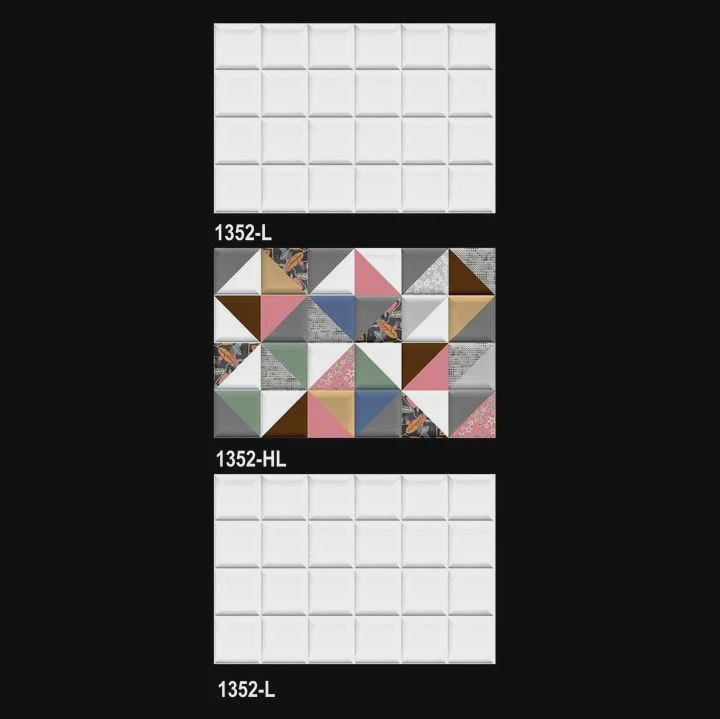
The need for sealing depends largely on the tile material and grout type.
What Parts Need Sealing?
In most installations, grout is the primary concern.
Grout can absorb:
- Water
- Oil
- Food spills
- Household chemicals
Without protection, staining becomes more likely.
Tile Types That Often Require Sealing
Certain tile materials are naturally porous.
Examples include:
- Natural stone
- Travertine
- Slate
- Some rustic tiles
These materials often benefit from regular sealing.
Tile Types That Usually Do Not Need Sealing
Many modern ceramic and porcelain products have very low absorption rates.
These typically include:
- Glazed ceramic tiles
- Glazed porcelain tiles
- Polished porcelain tiles
Even when the tile itself does not require sealing, the grout often does.
Types of Sealers
Several sealer categories are available.
| Sealer Type | Main Benefit |
|---|---|
| Penetrating Sealer | Natural appearance |
| Enhancing Sealer | Richer color appearance |
| Grout Sealer | Grout protection |
| Surface Sealer | Additional surface barrier |
The appropriate choice depends on material type and project requirements.
Benefits of Sealing
Stain Resistance
Kitchen countertops regularly encounter:
- Coffee
- Wine
- Cooking oils
- Food coloring
Sealers help reduce stain penetration.
Moisture Protection
Bathrooms and kitchens often experience frequent moisture exposure.
Proper sealing helps limit water absorption.
Easier Maintenance
Protected surfaces are generally easier to clean and maintain.
When to Apply Sealer
Timing matters.
Most installers wait until:
- Adhesive fully cures.
- Grout cures completely.
- Surface is cleaned thoroughly.
Applying sealer too early may trap moisture.
How Often Should Countertops Be Resealed?
The answer depends on:
- Product type
- Usage level
- Cleaning habits
- Manufacturer recommendations
Many sealers last between one and five years before reapplication is needed.
Long-Term Countertop Protection
Sealing should be viewed as part of a broader maintenance strategy.
Good maintenance includes:
- Regular cleaning
- Prompt spill removal
- Periodic inspections
- Timely resealing
These practices help preserve appearance and extend service life.
Many countertop issues develop slowly over time. A simple sealing routine can significantly reduce staining and moisture-related problems, helping the installation remain attractive for many years.
Conclusion
Installing tile countertops successfully requires careful preparation, the right adhesive, precise tile spacing, and proper sealing. Each step contributes to durability, appearance, and long-term performance. A well-planned installation creates a countertop that remains attractive, functional, and easy to maintain for years.