How To Apply Mosaic Tile Backsplash?
- Sinotiles
- 2026-06-24
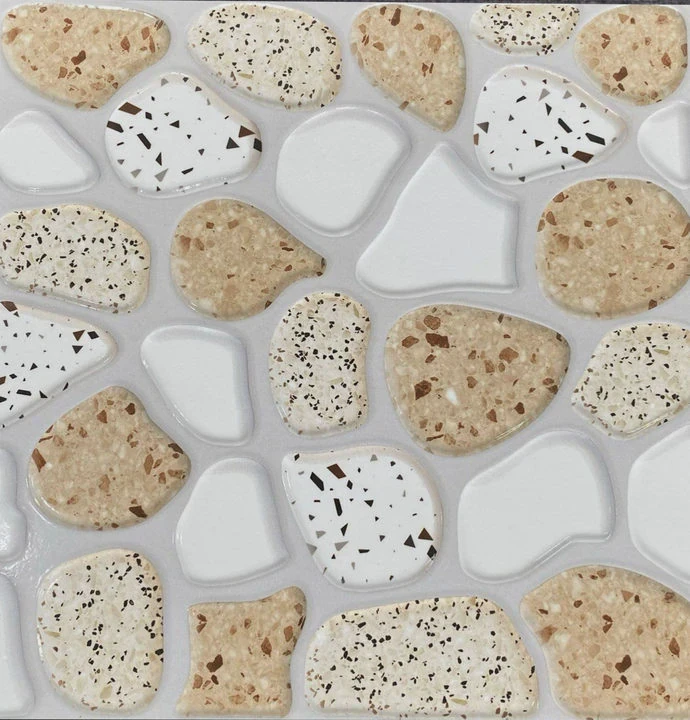
Many homeowners love the look of a mosaic tile backsplash but feel nervous about the installation process. Uneven sheets, crooked lines, and messy grout can make the project seem difficult.
Applying a mosaic tile backsplash requires proper wall preparation, careful sheet alignment, suitable grout selection, and patient installation techniques. With the right steps, even beginners can achieve professional-looking results.
A mosaic backsplash can completely transform a kitchen or bathroom. The good news is that mosaic sheets are often easier to install than individual tiles because many pieces are already attached to mesh backing. Understanding the process before starting can save time, reduce mistakes, and improve the final appearance.
What Surface Prep Is Required For Mosaic Backsplash?
A beautiful backsplash starts long before the first tile is installed. Surface preparation is one of the most important parts of the entire project. Even premium mosaic tiles can look poor if they are applied to an uneven or dirty wall.
The wall should be clean, dry, smooth, stable, and free from grease, dust, loose paint, or damage before installing a mosaic tile backsplash. Proper preparation helps tiles bond securely and creates a flatter finished surface.
Many installation problems begin because people rush through preparation. They focus on the tiles and adhesive but overlook the condition of the wall underneath. Since mosaic tiles are usually small and thin, surface imperfections can easily show through after installation.
Why Surface Preparation Matters
A backsplash faces daily exposure to moisture, cooking grease, heat, and cleaning products. If the wall surface is weak or contaminated, the adhesive may fail over time.
Common issues caused by poor preparation include:
- Loose tiles
- Uneven sheet placement
- Visible wall imperfections
- Cracked grout
- Adhesion failure
A few extra hours of preparation can prevent expensive repairs later.
Inspecting The Wall
Before purchasing adhesive, carefully inspect the installation area.
Check for:
| Inspection Item | What To Look For |
|---|---|
| Flatness | Bumps, dips, uneven areas |
| Moisture | Water damage or stains |
| Paint Condition | Peeling or flaking paint |
| Cleanliness | Grease, dust, food residue |
| Structural Stability | Cracks or loose drywall |
Kitchen walls often accumulate cooking oils that are not immediately visible. These oils can reduce adhesive performance.
Cleaning The Surface
The wall should be cleaned thoroughly before installation.
A basic cleaning process includes:
- Remove dust and debris.
- Wash grease with a degreasing cleaner.
- Rinse with clean water.
- Allow the wall to dry completely.
Many kitchen backsplashes fail because grease remains trapped under the adhesive.
Repairing Imperfections
Small wall defects should be fixed before tiling.
Filling Holes
Use patching compound to fill nail holes, dents, and minor cracks.
Sanding High Spots
Smooth any raised areas with sandpaper.
Replacing Damaged Drywall
Water-damaged drywall should be replaced rather than covered.
Priming When Necessary
Some surfaces benefit from primer before installation.
Examples include:
- New drywall
- Repaired drywall
- Highly porous surfaces
Primer helps create a more consistent bonding surface.
Final Surface Checklist
Before spreading adhesive, confirm that the wall is:
- Clean
- Dry
- Flat
- Stable
- Properly repaired
I once visited a kitchen project where the installer skipped grease removal behind the stove area. Several mosaic sheets loosened within months. After cleaning and reinstalling the affected sections, the problem disappeared completely.
Preparation may not be the most exciting step, but it often determines the long-term success of the backsplash.
How Do You Align Mosaic Sheets Correctly?
Alignment is often the biggest concern when installing mosaic tile sheets. Even small mistakes can become visible once multiple sheets are placed side by side.
Mosaic sheets should be aligned using reference lines, consistent spacing, and frequent visual checks to ensure that joints between sheets blend naturally with the tile pattern.
Many people assume mesh-backed mosaic sheets automatically guarantee perfect results. In reality, the installer still plays a major role in maintaining alignment.
Start With Layout Planning
Before applying adhesive, dry-fit the sheets on the wall.
This process helps identify:
- Cut locations
- Outlet adjustments
- Pattern matching
- Border placement
Planning reduces surprises during installation.
Create Reference Lines
Professional installers rarely begin without guide lines.
Use:
- A level
- Pencil marks
- Laser level if available
These references help keep rows straight across the wall.
Common Alignment Challenges
Several issues can occur during installation.
| Problem | Result |
|---|---|
| Uneven starting row | Crooked backsplash |
| Sheet gaps | Visible grid pattern |
| Compressed sheets | Distorted design |
| Misaligned joints | Obvious sheet borders |
| Uneven adhesive | Height differences |
The goal is to make individual sheets appear as one continuous surface.
Positioning The First Sheet
The first sheet often determines the appearance of the entire installation.
Carefully:
- Apply adhesive evenly.
- Place the sheet lightly.
- Check level alignment.
- Adjust before pressing firmly.
Rushing the first sheet often creates problems throughout the project.
Blending Sheet Edges
One challenge unique to mosaic installations is hiding sheet boundaries.
Adjust Individual Tiles
Many mosaic tiles can be shifted slightly while the adhesive remains wet.
Maintain Consistent Spacing
The gap between sheets should match the spacing within each sheet.
Check From Multiple Angles
Step back frequently to inspect the overall pattern.
Working Around Outlets
Electrical outlets require extra attention.
A common approach includes:
- Turning off power
- Removing outlet covers
- Measuring carefully
- Cutting sheets as needed
Clean cuts improve the finished appearance significantly.
Tools That Improve Alignment
Helpful tools include:
| Tool | Purpose |
|---|---|
| Laser level | Straight horizontal lines |
| Tile spacers | Consistent spacing |
| Utility knife | Cutting mesh backing |
| Rubber float | Pressing sheets evenly |
| Tape measure | Accurate layout |
Checking The Installation
Every few sheets, pause and inspect:
- Pattern continuity
- Joint alignment
- Surface flatness
- Level positioning
I remember a backsplash where the installer completed half the wall before checking alignment. A small error at the starting point created a noticeable slope across the entire installation. Correcting it required removing multiple sheets.
Careful alignment takes patience, but it is one of the easiest ways to achieve a professional result.
Which Grout Works Best For Mosaic Tiles?
Choosing the right grout affects both appearance and long-term performance. Mosaic tiles often have many grout joints, which makes grout selection especially important.
The best grout for mosaic tiles depends on joint width, tile material, and installation location. Unsanded grout works well for narrow joints, while sanded grout is better for wider gaps. Epoxy grout offers excellent durability and stain resistance.
Many homeowners focus heavily on tile selection while giving little thought to grout. Yet grout can dramatically influence the final appearance.
Understanding Grout Types
There are three common grout categories used with mosaic installations.
Unsanded Grout
Unsanded grout is smooth and easy to work with.
Advantages include:
- Ideal for narrow joints
- Less risk of scratching glass tiles
- Smooth appearance
Common applications include glass mosaic backsplashes.
Sanded Grout
Sanded grout contains fine aggregate particles.
Advantages include:
- Better strength in wider joints
- Reduced shrinkage
- Improved crack resistance
It is often used with stone or ceramic mosaics that have larger grout lines.
Epoxy Grout
Epoxy grout offers premium performance.
Advantages include:
- High stain resistance
- Water resistance
- Excellent durability
- Easy maintenance
Many modern kitchens benefit from epoxy grout because cooking splashes are easier to clean.
Comparing Grout Options
| Grout Type | Best Joint Width | Durability | Stain Resistance |
|---|---|---|---|
| Unsanded | Narrow joints | Good | Moderate |
| Sanded | Wider joints | Very Good | Good |
| Epoxy | Various widths | Excellent | Excellent |
Choosing The Right Color
Grout color influences the overall design.
Matching Grout
Creates a seamless appearance.
Benefits include:
- Softer visual effect
- Less emphasis on joints
- Cleaner overall look
Contrasting Grout
Highlights individual tiles.
Benefits include:
- Strong visual interest
- Pattern definition
- Decorative impact
Applying Grout Correctly
Proper application matters as much as product selection.
Basic process:
- Allow adhesive to cure.
- Mix grout according to instructions.
- Spread with a rubber float.
- Fill all joints completely.
- Remove excess material.
- Clean with a damp sponge.
Common Grouting Mistakes
Avoid these errors:
- Grouting too early
- Using excessive water
- Leaving haze on tiles
- Incomplete joint filling
- Poor cleaning technique
One installation I observed used bright white grout with a dark glass mosaic. The contrast created a striking modern design. Another project used matching gray grout to create a seamless stone appearance. Both worked well because the grout choice matched the design goal.
The best grout is not always the most expensive option. It is the one that complements the tile and performs well in the intended environment.
Can Beginners Install Mosaic Tile Backsplash Easily?
Many first-time DIY installers wonder whether mosaic tile installation is realistic for someone without professional experience.
Beginners can successfully install a mosaic tile backsplash by following proper preparation, layout, adhesive, alignment, and grouting procedures. Mosaic sheets often make installation easier than placing individual tiles one by one.
The popularity of mosaic sheets has made backsplash projects much more accessible. Many homeowners complete successful installations during a weekend.
Why Mosaic Sheets Are Beginner-Friendly
Unlike individual tile installation, mosaic sheets already contain pre-arranged tile patterns.
Benefits include:
- Faster installation
- Consistent spacing
- Reduced measuring
- Easier pattern control
This design simplifies many parts of the project.
Skills Beginners Need
Most backsplash projects require only basic skills.
These include:
| Skill | Difficulty Level |
|---|---|
| Measuring | Easy |
| Cutting mesh sheets | Easy |
| Applying adhesive | Moderate |
| Grouting | Moderate |
| Layout planning | Moderate |
Many beginners already possess these skills from previous home improvement projects.
Common Beginner Mistakes
New installers often encounter similar challenges.
Using Too Much Adhesive
Excess adhesive can squeeze through grout joints.
Skipping Dry Layout
Without planning, awkward cuts may appear in visible areas.
Rushing Alignment
Small mistakes become noticeable across larger sections.
Poor Cleaning During Grouting
Dried grout haze can be difficult to remove later.
Beginner Installation Workflow
A simple sequence helps reduce mistakes.
Step 1: Prepare The Wall
Clean, repair, and inspect the surface.
Step 2: Plan The Layout
Dry-fit sheets before installation.
Step 3: Apply Adhesive
Spread evenly with the recommended trowel.
Step 4: Install Sheets
Align carefully and maintain spacing.
Step 5: Allow Proper Curing
Follow manufacturer recommendations.
Step 6: Apply Grout
Fill joints completely and clean thoroughly.
When Professional Help May Be Better
Some situations are more challenging.
Examples include:
- Complex patterns
- Large custom designs
- Curved surfaces
- Natural stone mosaics
- Luxury feature walls
Professional installation may provide better results in these cases.
Building Confidence As A Beginner
The first mosaic backsplash may feel intimidating. Most people gain confidence after installing only a few sheets.
A homeowner once shared photos from a first-time kitchen backsplash project. The initial concern was sheet alignment and outlet cuts. By working slowly and checking each section carefully, the finished wall looked surprisingly professional.
Success usually comes from patience rather than advanced skill. Careful planning, accurate measurements, and attention to detail often matter more than years of experience.
Conclusion
Installing a mosaic tile backsplash becomes much easier when the process is broken into clear steps. Proper wall preparation creates a strong foundation, careful sheet alignment maintains a seamless pattern, the right grout improves both appearance and durability, and patient installation helps beginners achieve excellent results. With good planning and attention to detail, a mosaic backsplash can become one of the most attractive features in any kitchen or bathroom.