What Is Tile Bullnose?
- Sinotiles
- 2026-06-24
Many tile buyers see the term bullnose and feel unsure about what it means. This confusion can lead to design mistakes, uneven finishes, or extra installation costs.
A tile bullnose is a tile piece with one or more rounded and finished edges. It creates a smooth transition between tiled and non-tiled surfaces while giving the installation a clean and professional appearance.
Many tile projects look complete only when the edge treatment is done correctly. Bullnose tiles are one of the most common finishing options in residential and commercial spaces. Understanding how they work helps buyers, contractors, and designers choose the right solution for each project.
What Defines a Bullnose Edge on Tile Pieces?
A tile installation can look unfinished when exposed edges remain sharp or rough. Many people focus on tile color and size but overlook edge details until the final stage of a project.
A bullnose edge is a rounded and finished tile edge designed to cover exposed sides of a tile installation. The curved profile creates a smooth transition and eliminates the unfinished appearance of cut tile edges.
When discussing tile products with customers, I often find that many people assume bullnose refers to a special tile material. In reality, the term describes the shape of the edge rather than the tile body itself.
Understanding the Shape
A standard tile usually has square and sharp edges. A bullnose tile has one edge that is rounded and polished during production. This rounded edge creates a softer appearance.
There are different bullnose styles available:
| Bullnose Type | Description | Common Use |
|---|---|---|
| Single Bullnose | One rounded edge | Wall edges, backsplashes |
| Double Bullnose | Two opposite rounded edges | Half walls, partitions |
| Corner Bullnose | Rounded on adjacent sides | Outside corners |
| Radius Bullnose | Larger curved profile | Decorative applications |
How Manufacturers Produce Bullnose Tiles
The manufacturing process depends on the tile type. Some factories produce matching bullnose pieces during production. Others shape and polish the edges after firing.
For porcelain and ceramic collections, manufacturers often create bullnose pieces that match the field tile in:
- Color
- Surface texture
- Finish
- Thickness
- Design pattern
This matching process helps installers achieve a consistent appearance across the entire project.
Why the Rounded Edge Matters
The rounded edge serves both functional and visual purposes. Sharp tile edges can look abrupt when they end against painted walls or open spaces. The curved profile softens this transition.
A bullnose edge also hides the exposed body of the tile. This becomes especially important when the tile body color differs from the surface glaze.
Common Dimensions
Bullnose tiles are available in many sizes. Manufacturers often produce them to match popular tile formats such as:
- 300x600 mm
- 600x600 mm
- 600x1200 mm
- Mosaic formats
The exact size depends on the tile collection. In many projects, the bullnose piece acts as the finishing detail that ties the entire installation together.
Where Is Bullnose Tile Commonly Used in Installations?
Many installations fail to achieve a polished appearance because exposed edges are left untreated. This issue becomes obvious in areas where tile meets painted walls or open spaces.
Bullnose tiles are commonly used on wall edges, shower surrounds, countertops, backsplashes, stair edges, and other exposed tile boundaries where a clean finished edge is required.
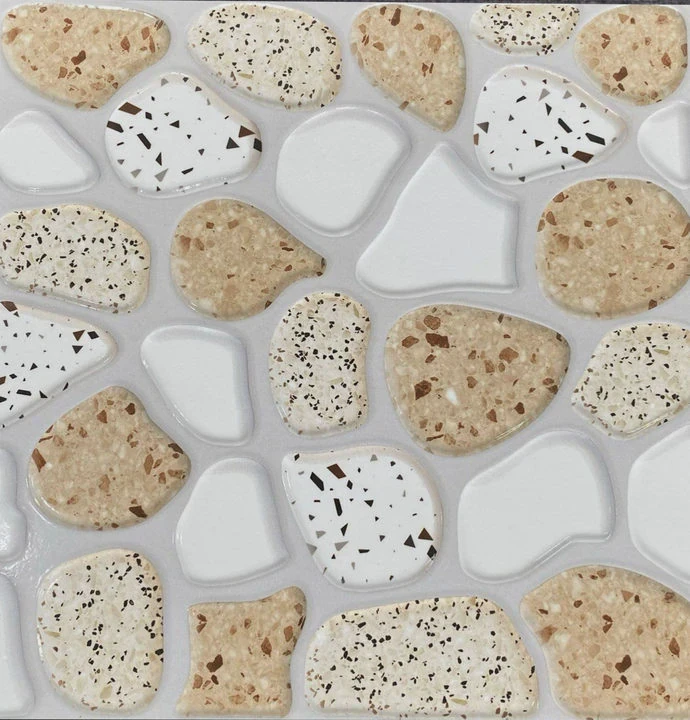
In many export projects, customers ask where bullnose pieces should be installed. The answer depends on the layout and the areas where tile edges remain visible after installation.
Bathroom Applications
Bathrooms are among the most common locations for bullnose tiles.
They are frequently used around:
- Shower openings
- Bathtub surrounds
- Vanity backsplashes
- Feature walls
The rounded edge provides a neat border and prevents rough tile edges from being exposed.
Kitchen Installations
Kitchen backsplashes often end before reaching a corner. In these situations, bullnose pieces create a smooth stopping point.
Common kitchen uses include:
- Backsplash terminations
- Countertop edges
- Decorative wall borders
Without a finished edge, the installation may appear incomplete.
Staircases and Steps
Stairs experience constant foot traffic. Exposed tile edges on steps can chip over time.
Bullnose pieces help by:
- Protecting tile edges
- Creating smoother transitions
- Improving visual appearance
Many commercial projects use specially designed bullnose stair tiles for this reason.
Exterior Applications
Some outdoor projects also use bullnose tiles.
Examples include:
- Swimming pool surrounds
- Garden walls
- Outdoor kitchens
- Terrace edges
For exterior installations, material selection becomes very important because the tiles must withstand weather changes and moisture exposure.
Commercial Spaces
Bullnose tiles are not limited to residential projects.
They are commonly installed in:
| Commercial Area | Typical Use |
|---|---|
| Hotels | Bathroom walls and showers |
| Shopping Centers | Decorative wall finishes |
| Restaurants | Counter and service areas |
| Office Buildings | Feature walls and staircases |
These projects often require a professional appearance and durable edge protection. Bullnose pieces help meet both requirements.
Areas Where Bullnose May Not Be Necessary
Not every installation requires bullnose tiles.
For example:
- Fully enclosed tile corners
- Areas covered by trim
- Hidden edges behind fixtures
In these situations, alternative finishing methods may provide similar results at a lower cost.
The decision should always consider design goals, budget, and installation requirements.
Why Choose Bullnose Tiles Over Standard Edges?
Many buyers compare bullnose pieces with standard cut tiles and wonder if the extra cost is justified. At first glance, both options may seem similar, but the differences become clear after installation.
Bullnose tiles offer a cleaner finish, better edge protection, improved durability, and a more professional appearance compared with exposed standard tile edges.
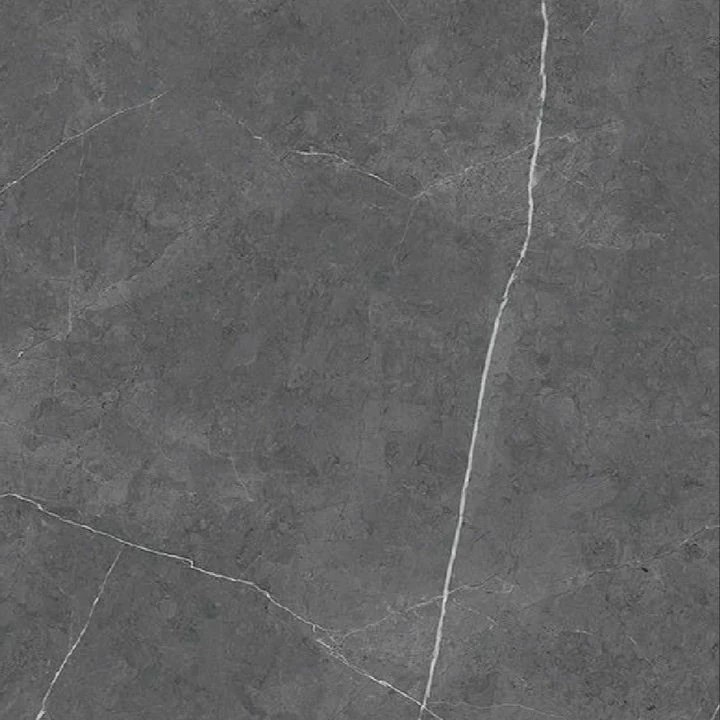
Over the years, I have seen projects where contractors attempted to save money by skipping finishing pieces. In many cases, the exposed edges became the first detail people noticed after the project was completed.
Better Visual Appeal
The biggest advantage of bullnose tile is appearance.
A rounded finished edge:
- Looks intentional
- Creates smooth transitions
- Completes the design
- Enhances overall quality perception
Even high-end tiles can appear unfinished when raw edges remain visible.
Protection Against Chipping
Tile edges are often vulnerable to damage.
Sharp exposed corners may chip when:
- Furniture hits the surface
- Cleaning equipment makes contact
- Heavy objects are moved nearby
Bullnose edges reduce this risk because the rounded profile distributes impact more effectively.
Easier Cleaning
Cleaning becomes easier when surfaces have fewer sharp corners.
Rounded edges collect less dirt and debris. This advantage is especially useful in:
- Bathrooms
- Kitchens
- Commercial environments
Maintenance teams often appreciate designs that simplify routine cleaning.
Alternative Edge Solutions
Bullnose tiles are not the only finishing option available.
Other solutions include:
- Metal trim profiles
- Plastic edge strips
- Mitered edges
- Stone trim pieces
Each option has strengths and weaknesses.
Comparison of Common Edge Treatments
| Option | Appearance | Durability | Cost |
|---|---|---|---|
| Bullnose Tile | Clean and integrated | High | Medium |
| Metal Trim | Modern look | High | Medium |
| Plastic Trim | Basic appearance | Medium | Low |
| Mitered Edge | Premium look | Medium | High |
The best choice depends on project goals and budget.
Long-Term Value
Many project owners focus on the initial material cost. However, edge treatment affects the long-term perception of quality.
Bullnose tiles often provide better value because they:
- Extend edge life
- Reduce repair needs
- Improve customer satisfaction
- Increase design appeal
For builders, designers, and distributors, these benefits often outweigh the additional investment.
Does Bullnose Tile Improve Safety and Aesthetics?
Sharp tile edges can create both visual and practical concerns. Families with children, hotels, schools, and healthcare facilities often pay close attention to edge safety.
Yes, bullnose tile improves both safety and aesthetics by reducing sharp exposed edges while creating a smoother, more refined appearance throughout the installation.
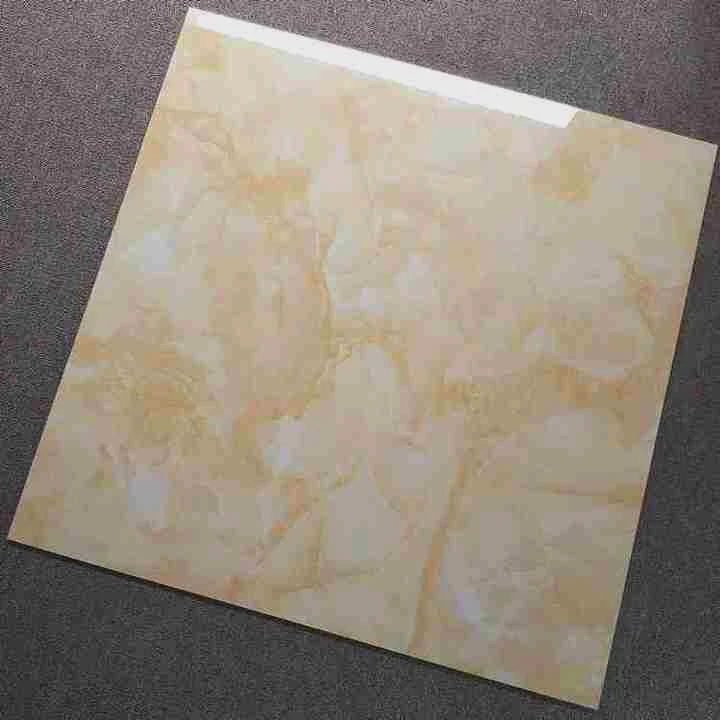
Safety and design often work together in successful tile projects. Bullnose pieces are a good example of a product that serves both purposes at the same time.
Safety Advantages
The rounded profile helps reduce the risks associated with sharp tile corners.
This can be beneficial in areas with frequent contact, such as:
- Shower entrances
- Staircases
- Hallways
- Bathroom walls
Although bullnose tiles do not eliminate all injury risks, they create a softer edge than traditional square-cut tile.
Reduced Edge Damage
Damaged tile edges can become sharp over time.
A bullnose profile helps minimize:
- Corner breakage
- Surface chipping
- Impact damage
As a result, the installation maintains its appearance longer.
Aesthetic Benefits
Many designers prefer bullnose edges because they create visual flow.
The rounded shape:
- Softens hard lines
- Creates smoother transitions
- Enhances overall balance
- Improves finished appearance
This effect works well in both traditional and modern interiors.
Creating a Premium Look
A project often feels more complete when every detail is carefully finished.
Bullnose tiles contribute to this perception by:
- Matching surrounding tiles
- Providing seamless borders
- Eliminating abrupt endings
Guests may not immediately identify the bullnose piece itself, but they often notice the polished overall appearance.
Design Flexibility
Bullnose tiles support many design styles.
They work well with:
- Contemporary spaces
- Classic interiors
- Luxury hotels
- Residential bathrooms
- Commercial projects
Because they are available in many finishes and sizes, designers can integrate them into a wide range of concepts.
Balancing Function and Beauty
One reason bullnose tiles remain popular is that they solve two challenges at once.
From a practical perspective, they protect exposed edges and reduce sharp corners.
From a design perspective, they help create a smooth and professional finish.
That balance explains why bullnose pieces continue to be specified in projects around the world, from small residential renovations to large commercial developments.
Conclusion
Bullnose tile refers to a tile piece with a rounded finished edge that improves both appearance and functionality. It is widely used on exposed tile edges, helps protect installations from damage, creates smoother transitions, and delivers a clean, professional finish that enhances the overall quality of a project.