How to Install Tile Edging Trim?
- Sinotiles
- 2026-07-03
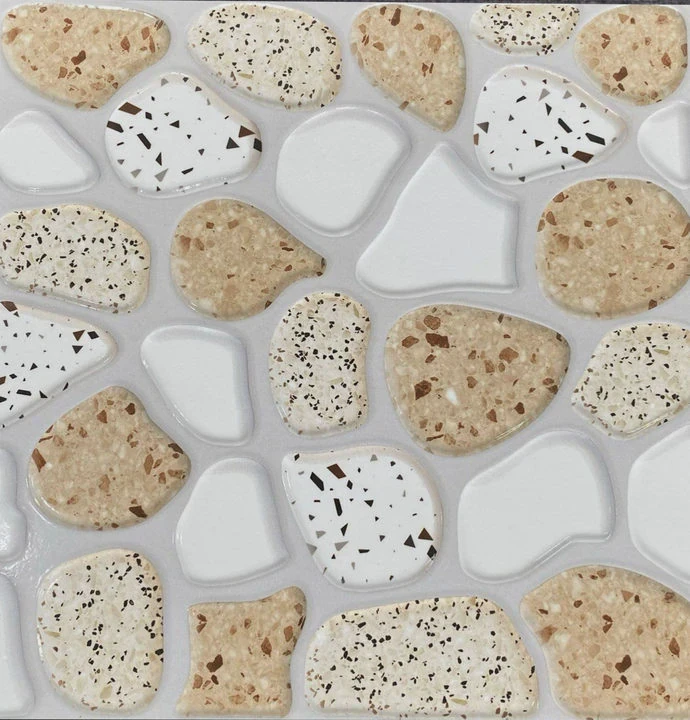
Many tile installations look unfinished even when the tiles are perfectly aligned. In most cases, exposed tile edges are the reason. These edges can affect both appearance and durability.
To install tile edging trim, select the correct trim type, measure and cut the trim accurately, embed it into tile adhesive, align it with the tile edge, and finish the installation with proper grout or sealant. Correct installation protects tile edges and creates a professional finish.
Tile edging trim may seem like a small detail, but it plays a major role in the final look of a tiled space. Understanding trim options, cutting methods, installation steps, and replacement possibilities helps create a cleaner and longer-lasting tile project.
What Types of Tile Trim Are Available?
Many people focus on tile color, pattern, and size. However, the trim selection can have a major impact on the finished appearance of the project.
Tile trim is available in several materials and profiles, including metal, PVC, ceramic, and stone trims. Common styles include straight edge trims, round edge trims, square edge trims, and decorative profiles.
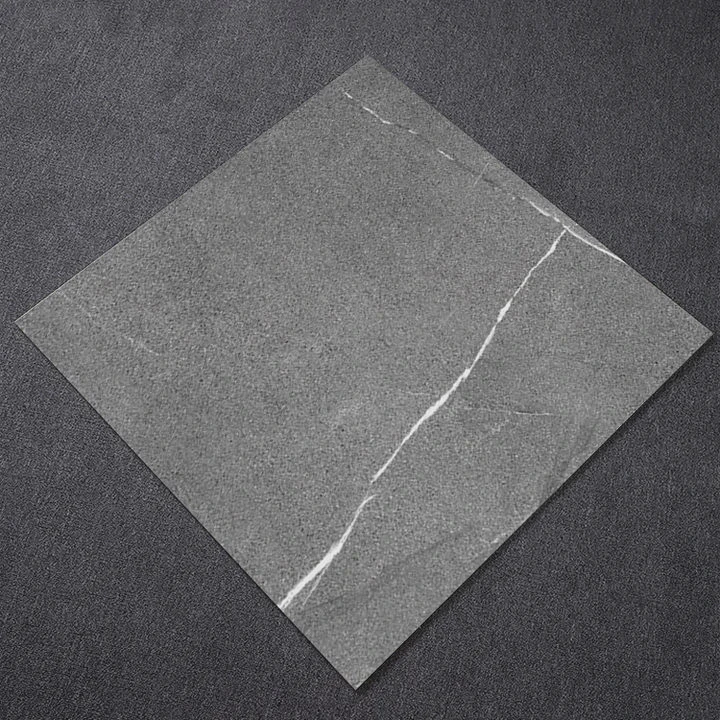
The best trim choice depends on the location, tile design, traffic level, and desired appearance.
Metal Tile Trim
Metal trims are among the most popular choices in modern construction.
Common materials include:
- Aluminum
- Stainless steel
- Brass
These trims provide:
- Strong edge protection
- Modern appearance
- Excellent durability
- Moisture resistance
Many commercial projects use stainless steel trim because it performs well in high-traffic areas.
PVC Tile Trim
PVC trim offers a cost-effective solution.
Benefits include:
- Lightweight construction
- Easy installation
- Corrosion resistance
- Budget-friendly pricing
PVC is often selected for residential bathrooms and utility areas where appearance requirements are less demanding.
Ceramic Tile Trim
Ceramic trims are manufactured to match specific tile collections.
Advantages include:
- Consistent color matching
- Traditional appearance
- Seamless visual integration
These trims are commonly used in residential wall installations.
Natural Stone Trim
Stone trims are frequently used with marble, granite, and other natural stone surfaces.
Popular applications include:
- Luxury bathrooms
- Hotel projects
- Feature walls
- High-end residential interiors
Common Tile Trim Profiles
The profile shape determines both appearance and functionality.
| Trim Profile | Appearance | Common Use |
|---|---|---|
| Square edge | Modern and clean | Contemporary interiors |
| Round edge | Soft and smooth | Bathrooms and kitchens |
| L-shape | Simple protection | General tiling |
| Decorative profile | Design feature | Accent walls |
| Stair nosing | Safety focused | Steps and staircases |
Choosing the Right Trim
Several factors influence trim selection.
Tile Thickness
The trim depth should match the tile thickness.
For example:
| Tile Thickness | Recommended Trim Depth |
|---|---|
| 6mm | 6mm-8mm |
| 8mm | 8mm-10mm |
| 10mm | 10mm-12mm |
| 12mm | 12mm-14mm |
Using a trim that is too shallow may leave the tile edge exposed. Using one that is too deep may create an uneven finish.
Design Considerations
Modern projects often favor:
- Black aluminum trims
- Brushed stainless steel trims
- Minimalist square profiles
Traditional projects may use:
- Rounded trims
- Ceramic trims
- Decorative border profiles
The trim should complement the tile rather than compete with it visually.
A well-selected trim not only protects the tile edge but also elevates the overall appearance of the installation.
How Do You Cut and Fit Edging Trim Properly?
Even premium tile trim can look unprofessional if it is cut poorly. Accurate cutting and fitting are critical for achieving clean lines and neat corners.
Tile edging trim should be measured carefully, cut with the correct tools, dry-fitted before installation, and aligned precisely with the tile surface to ensure a professional finish.

Many installation problems occur because installers rush through the preparation stage.
Measure Before Cutting
Accurate measurements are the foundation of a successful installation.
Before cutting:
- Measure the entire edge length
- Account for corner joints
- Double-check dimensions
- Mark cut locations clearly
A small measuring error can become highly visible after installation.
Select the Proper Cutting Tool
Different trim materials require different tools.
| Trim Material | Recommended Tool |
|---|---|
| PVC | Utility knife or trim cutter |
| Aluminum | Hacksaw or miter saw |
| Stainless steel | Metal cutting saw |
| Brass | Fine-tooth hacksaw |
| Ceramic trim | Tile cutter or wet saw |
Using the wrong tool often creates rough edges and poor fitting joints.
Creating Clean Corner Cuts
Corners require special attention.
For external corners, installers often use:
- 45-degree miter cuts
- Preformed corner pieces
- Manufacturer-specific corner accessories
The goal is to create smooth transitions between adjoining trim sections.
Dry-Fit Before Installation
One practice that consistently improves installation quality is dry-fitting.
Before applying adhesive:
- Place trim in position
- Check alignment
- Verify corner joints
- Confirm length accuracy
- Make adjustments if necessary
Dry-fitting helps identify problems before they become permanent.
Installing the Trim
After fitting has been confirmed:
- Apply tile adhesive evenly
- Press the trim anchoring leg into the adhesive
- Align the trim edge
- Install adjacent tiles
- Check level and spacing
Common Cutting Mistakes
Many installation defects result from avoidable errors.
Rushing Corner Cuts
Poorly cut corners often create:
- Visible gaps
- Misaligned edges
- Uneven joints
Ignoring Expansion Needs
Some installations require small movement allowances.
This is especially important in:
- Large-format installations
- Outdoor applications
- Areas with temperature fluctuations
Failing to Deburr Edges
Metal trims frequently develop sharp edges after cutting.
These edges should be smoothed before installation.
Practical Installation Tips
Over the years, many installers have found that trim installation is less about speed and more about precision.
Simple habits help improve results:
- Measure twice
- Cut once
- Test fit every section
- Check alignment frequently
- Keep cuts clean
When edging trim is cut and fitted correctly, it becomes almost invisible as a separate component. Instead, it blends naturally into the tile design and enhances the overall finish.
Why Is Trim Important for Tile Edges?
Some people view tile trim as an optional accessory. While certain installations can function without it, trim often provides benefits that extend beyond appearance.
Tile trim protects exposed tile edges from chipping, improves safety, enhances appearance, and creates a cleaner transition between tiled and non-tiled surfaces.
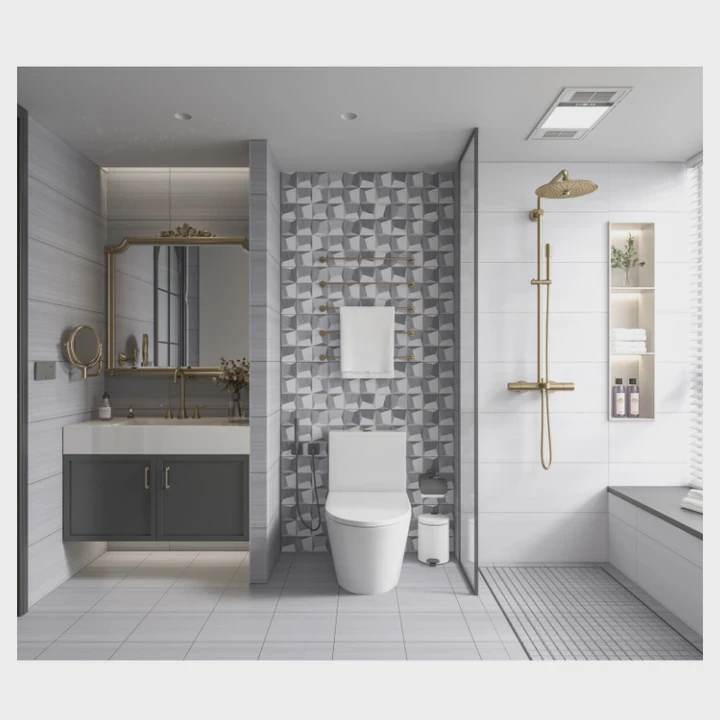
The importance of trim becomes especially clear in high-use areas.
Edge Protection
Tile edges are often more vulnerable than the tile surface.
Exposed edges may experience:
- Impact damage
- Chipping
- Cracking
- Wear from foot traffic
Trim acts as a protective barrier between the tile and daily use.
Improved Appearance
A finished tile edge creates a more professional look.
Without trim, exposed tile edges may reveal:
- Body color differences
- Rough cuts
- Uneven finishing
Trim covers these imperfections and creates a polished appearance.
Enhanced Safety
Sharp tile edges can create safety concerns.
This is particularly important in:
- Bathrooms
- Staircases
- Commercial buildings
- Public facilities
Rounded or protected trim profiles reduce the risk of injury.
Better Transition Management
Many tile installations meet other materials.
Examples include:
- Tile to paint
- Tile to wood flooring
- Tile to carpet
- Tile to vinyl flooring
Trim creates a neat visual transition between these surfaces.
Key Benefits Comparison
| Benefit | Impact |
|---|---|
| Edge protection | Reduces chipping |
| Visual improvement | Creates finished appearance |
| Safety enhancement | Covers sharp edges |
| Moisture control | Helps protect vulnerable edges |
| Transition management | Improves material connections |
Long-Term Durability
Many repair projects reveal the same pattern.
Tiles without edge protection often show damage first at exposed corners and perimeter edges.
These damaged areas may eventually require:
- Tile replacement
- Re-grouting
- Surface repair
Trim reduces these risks significantly.
Professional Project Standards
Many commercial specifications require edge protection systems.
Examples include:
- Hotels
- Shopping centers
- Office buildings
- Healthcare facilities
These environments experience heavy traffic and need durable edge protection.
Design Value
Trim also contributes to design consistency.
Modern trim finishes allow coordination with:
- Door hardware
- Cabinet handles
- Fixtures
- Lighting elements
This creates a more cohesive interior design.
The importance of tile trim goes beyond decoration. It combines protection, durability, safety, and aesthetics into one simple component. That is why many professional installers consider trim a standard part of quality tile installation.
Can Tile Edging Be Installed After Tiling?
Many homeowners discover tile trim only after the tiles have already been installed. This raises an important question about whether trim can still be added later.
Yes, tile edging can sometimes be installed after tiling, but the process is more difficult than installing trim during the original tile installation. The available solutions depend on the existing edge condition and trim type.
The ideal time to install trim is during tile installation. However, post-installation solutions do exist.
Why Installation Is Easier During Tiling
Standard tile trim includes an anchoring leg.
This leg is designed to sit beneath the tile.
During installation:
- Adhesive is applied
- Trim anchoring leg is embedded
- Tiles are installed over the anchoring section
This creates a secure mechanical connection.
Challenges After Tiling
Once the tiles are fully installed, access to the adhesive layer becomes limited.
This creates challenges such as:
- Reduced anchoring options
- More visible attachment methods
- Greater installation complexity
Retrofit Trim Solutions
Several products are designed specifically for post-installation use.
Examples include:
- Surface-mounted trims
- Adhesive-backed profiles
- Edge cover strips
- Retrofit metal trims
These systems attach directly to the exposed tile edge.
Common Retrofit Applications
Retrofit trim is often used when:
- Tile edges were left unfinished
- Renovations update room aesthetics
- Existing trim becomes damaged
- Safety improvements are needed
Comparing Installation Timing
| Factor | During Tiling | After Tiling |
|---|---|---|
| Installation ease | Easier | More difficult |
| Attachment strength | Stronger | Moderate |
| Appearance | More seamless | Depends on product |
| Labor requirement | Lower | Higher |
| Product options | Wider selection | Limited selection |
Surface Preparation
Successful retrofit installation depends heavily on preparation.
The edge should be:
- Clean
- Dry
- Dust-free
- Structurally sound
Any loose grout or damaged tile should be repaired first.
Selecting the Right Product
Not all trims work for retrofit applications.
Important considerations include:
- Tile thickness
- Edge condition
- Exposure to moisture
- Desired appearance
Manufacturers often provide trim systems specifically designed for finished installations.
When Replacement May Be Better
In some situations, retrofit trim may not provide the desired result.
Examples include:
- Severely damaged tile edges
- Major alignment problems
- Extensive water damage
In these cases, partial tile replacement may be the better option.
A Practical Perspective
Many renovation projects involve homeowners who regret skipping trim during the original installation.
Fortunately, modern retrofit products offer workable solutions.
The finished result may not always match the appearance of trim installed during tiling, but it can still improve protection and aesthetics significantly.
Whenever possible, tile edging should be planned from the beginning of the project. However, if the installation is already complete, carefully selected retrofit trims can still provide an attractive and functional finish.
Conclusion
Tile edging trim plays an important role in both appearance and durability. By choosing the right trim, cutting it accurately, understanding its protective value, and knowing the available retrofit options, homeowners and professionals can create tile installations that look cleaner, perform better, and last longer.
- Pre: How to Clean Haze Off Tile?
- Next: Sorry!