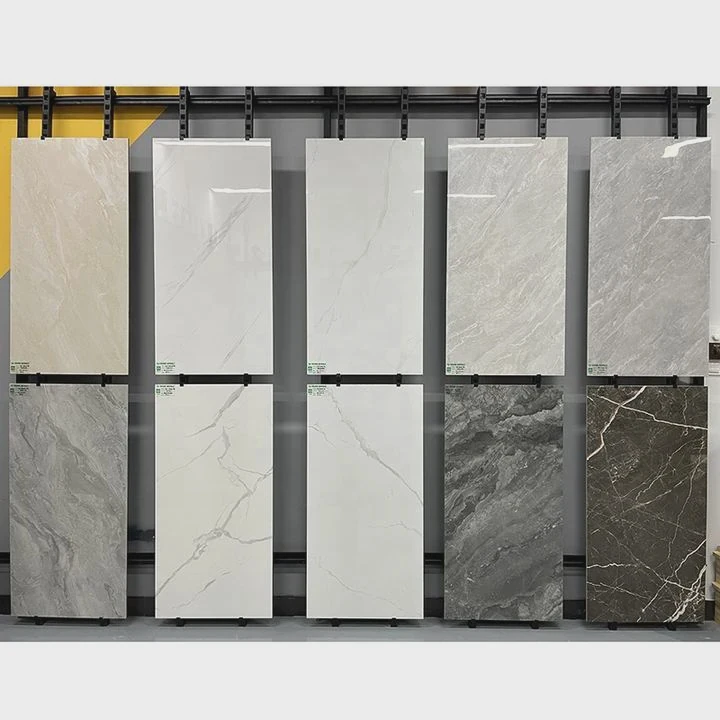
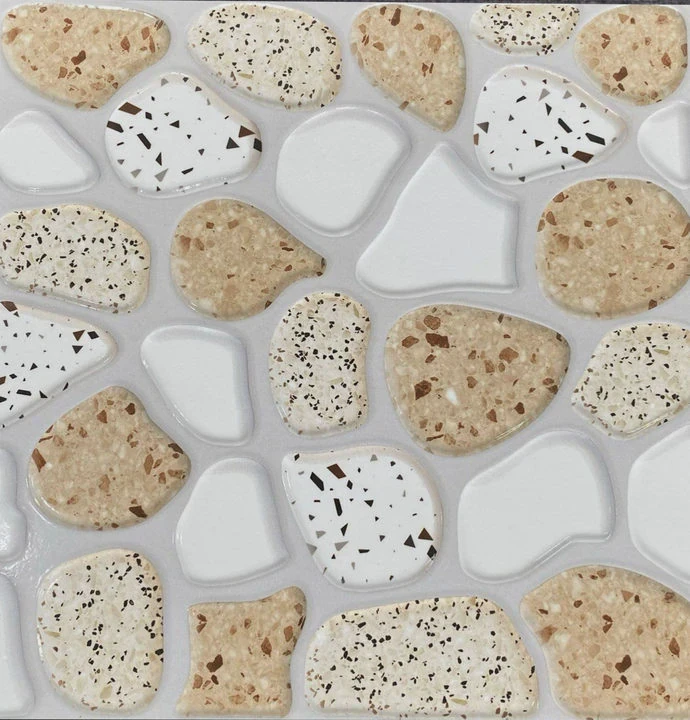
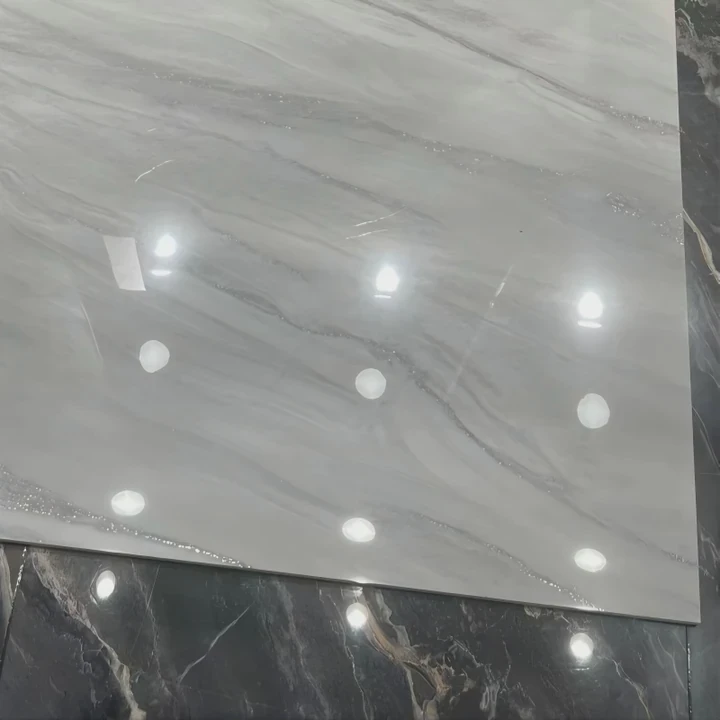
How to Tile a Wall?
- Sinotiles
- 2026-07-03
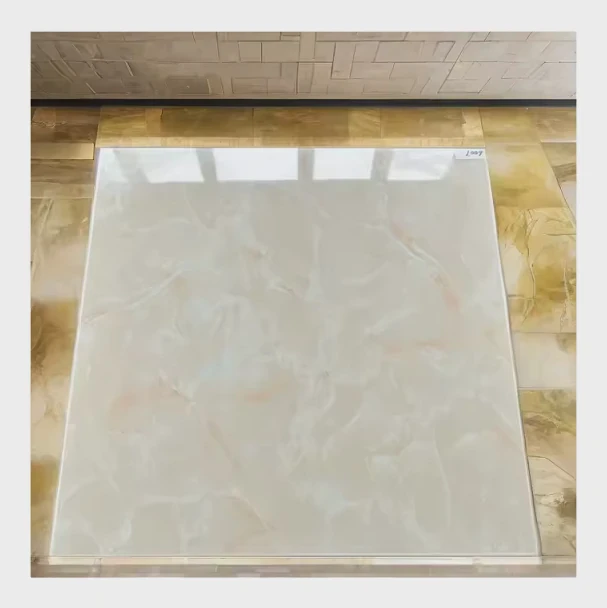
Many wall tile projects look simple at first. Yet uneven lines, poor alignment, and loose tiles often appear when the installation process is rushed or planned poorly.
To tile a wall successfully, prepare the surface, use the correct tools, establish a straight starting line, maintain consistent spacing, and adjust for wall imperfections. Careful planning creates a professional and long-lasting result.
A tiled wall can completely change the appearance of a bathroom, kitchen, shower area, or commercial space. The final result depends on much more than the tile itself. Every stage, from preparation to spacing and layout, plays an important role in achieving a clean and durable finish.
What Tools Are Essential for Wall Tiling?
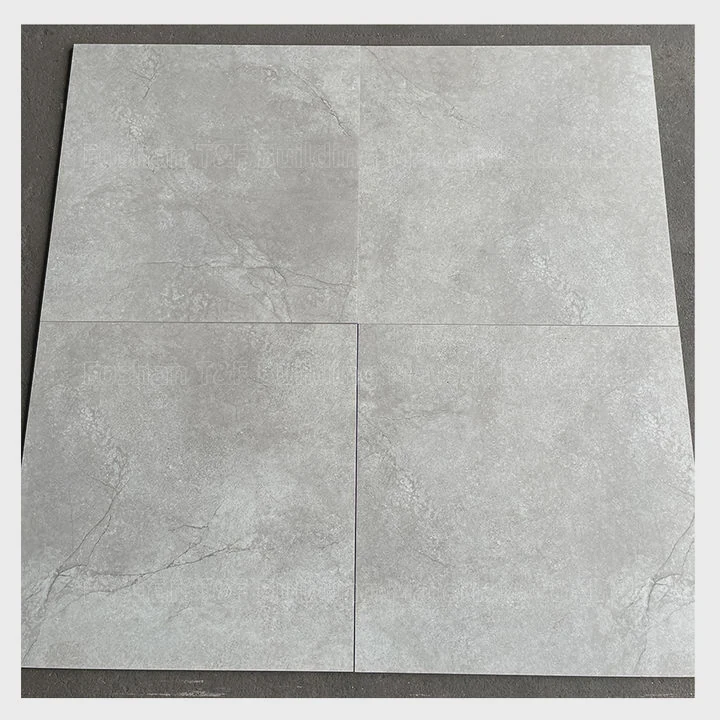
Many tiling problems begin before the first tile is installed. Missing or incorrect tools often lead to uneven joints, wasted materials, and slower installation.
Essential wall tiling tools include a notched trowel, tile cutter, spirit level, tape measure, tile spacers, mixing bucket, grout float, and tile sponge. These tools help ensure accurate installation and professional results.
The quality of a wall tiling project depends heavily on preparation and accuracy. Proper tools make each step easier and improve the finished appearance.
Basic Wall Tiling Tools
The following tools are commonly used for most wall tile projects:
| Tool | Purpose |
|---|---|
| Tape Measure | Measure wall dimensions and tile layout |
| Spirit Level | Keep rows straight and level |
| Notched Trowel | Apply adhesive evenly |
| Tile Cutter | Cut tiles accurately |
| Tile Spacers | Maintain consistent grout joints |
| Mixing Bucket | Prepare tile adhesive |
| Grout Float | Apply grout between tiles |
| Sponge | Clean excess grout |
Each tool serves a specific purpose. Skipping one often creates problems later in the installation.
Measuring and Layout Tools
Before any adhesive is applied, accurate measurements are essential.
A tape measure helps determine:
- Wall dimensions
- Tile quantities
- Center points
- Cut tile locations
A chalk line or laser level can also help establish straight reference lines. These guides reduce the chance of crooked tile rows.
Cutting Tools
Very few walls allow every tile to remain full-sized.
Corners, outlets, windows, and fixtures usually require cuts.
Common cutting tools include:
Manual Tile Cutter
A manual cutter works well for most ceramic wall tiles. It is fast, clean, and simple to use.
Wet Tile Saw
A wet saw is useful for:
- Porcelain tiles
- Thick tiles
- Complex cuts
- Large-format tiles
Many professional installers prefer wet saws for high-end projects because they produce cleaner edges.
Adhesive Application Tools
The notched trowel controls the amount of adhesive placed on the wall.
Different tile sizes require different notch sizes.
For example:
| Tile Size | Typical Trowel Size |
|---|---|
| Small Mosaic | 3mm-4mm |
| Standard Wall Tile | 6mm |
| Large Format Tile | 10mm or larger |
Using the wrong trowel may result in poor coverage and weak bonding.
Cleaning and Finishing Tools
Installation does not end after tiles are attached.
Grouting and cleaning are equally important.
A grout float pushes grout into joints evenly. A sponge removes excess grout without damaging the surface.
Many successful projects happen because the installer spends time preparing the correct tools before starting. Proper equipment improves accuracy, saves time, and creates a cleaner final appearance.
How Do You Start the First Row of Tiles?
The first row determines the appearance of the entire wall. A small mistake at the beginning can become much larger as additional rows are installed.
The first row of wall tiles should start from a straight and level reference line rather than directly from the floor. This approach ensures consistent alignment even when the floor is uneven.
Many beginners assume the floor provides a perfect starting point. In reality, floors are often slightly uneven. Starting directly from the floor can create noticeable problems higher up the wall.
Why the First Row Matters
Every tile row follows the first one.
If the first row slopes even slightly:
- Grout lines become uneven
- Tile cuts become inconsistent
- Corners appear crooked
- The entire wall looks unprofessional
For this reason, experienced installers spend significant time planning the starting point.
Establishing a Reference Line
The process usually begins by measuring upward from the lowest point of the floor.
A level line is then marked across the wall.
Common tools include:
- Spirit level
- Laser level
- Chalk line
This line becomes the guide for the first installed row.
Using a Support Batten
Many professionals install a temporary support board, often called a batten.
The batten:
- Supports the first row
- Prevents tile movement
- Maintains alignment
- Creates a stable starting point
After the upper tiles cure, the batten is removed and the bottom row is installed.
Typical Installation Sequence
- Measure the wall.
- Find the center point.
- Create a level reference line.
- Attach support batten.
- Install first working row.
- Continue upward.
- Complete bottom row last.
This method reduces visible layout issues.
Centering the Layout
A centered layout often creates a more balanced appearance.
Instead of beginning at one corner, many installers start from the middle of the wall.
Benefits include:
- More symmetrical cuts
- Better visual balance
- Improved appearance around focal points
Common Mistakes
Several mistakes occur frequently:
Starting from an Uneven Floor
Even minor floor variations become noticeable across a large tiled wall.
Ignoring Layout Planning
Failing to check tile placement may result in very small cuts at corners.
Skipping Level Checks
Every few rows should be checked with a level.
One project involved a bathroom renovation where the floor varied by almost 15mm from one side to the other. Starting directly from the floor would have produced highly visible grout line differences. A simple level reference line solved the issue and created a clean, professional result.
A strong start creates the foundation for the entire wall. Taking extra time at this stage often prevents many installation problems later.
Why Is Spacing Important in Wall Tiling?
Many people focus on tile color, size, and design. Yet spacing has a major effect on both appearance and performance.
Spacing is important in wall tiling because it creates consistent grout joints, improves visual alignment, allows for slight tile size variations, and helps accommodate structural movement.
Without proper spacing, even expensive tiles can look poorly installed.
The Purpose of Tile Joints
Grout joints serve several functions.
They:
- Create visual consistency
- Allow installation adjustments
- Absorb minor movement
- Protect tile edges
Tiles should never be forced tightly together unless specifically designed for that purpose.
Manufacturing Variations
Even high-quality tiles can have slight size differences.
These small variations become easier to manage when proper spacing is used.
A grout joint helps disguise minor dimensional differences while maintaining a clean appearance.
Common Wall Tile Spacing
| Tile Type | Typical Joint Width |
|---|---|
| Mosaic Tile | 1.5mm-3mm |
| Ceramic Wall Tile | 2mm-3mm |
| Porcelain Tile | 2mm-5mm |
| Rustic Tile | 5mm-10mm |
The recommended spacing often depends on tile style and manufacturer guidelines.
The Role of Tile Spacers
Tile spacers help maintain uniform joints throughout the installation.
Benefits include:
- Consistent grout lines
- Faster installation
- Better alignment
- Improved appearance
Spacers are inexpensive but provide significant value.
Visual Impact of Consistent Spacing
Straight grout lines create order and balance.
When spacing varies:
- Walls appear uneven
- Tile patterns lose alignment
- Professional appearance decreases
The human eye naturally notices inconsistent lines.
Structural Considerations
Buildings move slightly over time.
Movement may result from:
- Temperature changes
- Moisture changes
- Structural settlement
Grout joints help accommodate minor movement within the tile system.
Large-Format Tile Considerations
Large-format wall tiles continue to grow in popularity.
These products often require:
- More accurate spacing
- Better wall preparation
- Careful leveling systems
A small spacing error can become highly visible across a large tile surface.
Common Spacing Mistakes
Inconsistent Spacer Use
Removing spacers too early can shift tile alignment.
Mixing Spacer Sizes
Different spacer sizes create uneven grout joints.
Ignoring Manufacturer Recommendations
Tile manufacturers often provide spacing guidelines based on product dimensions.
Proper spacing is one of the simplest ways to improve tile appearance. Small details such as grout joint consistency often separate average installations from professional results.
Can Uneven Walls Be Tiled Effectively?
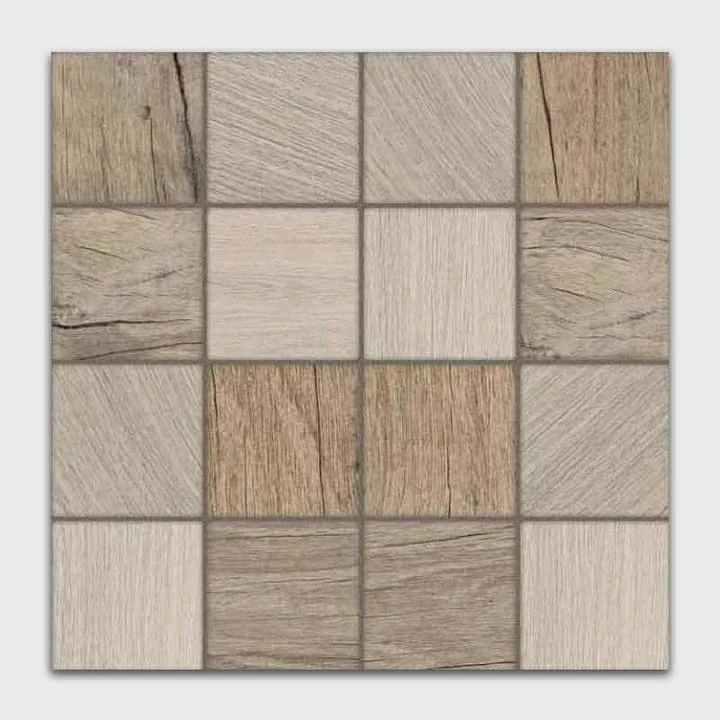
Uneven walls are common in older homes, renovations, and commercial buildings. Many people worry that wall imperfections make tile installation impossible.
Yes, uneven walls can be tiled effectively when the surface is properly evaluated and corrected using leveling compounds, render systems, backer boards, or adhesive adjustments.
Successful tiling depends on understanding the severity of the wall irregularities before installation begins.
Understanding Wall Imperfections
Walls may contain:
- Dips
- Bumps
- Bowed sections
- Surface cracks
- Poorly finished plaster
Some imperfections are minor. Others require significant correction.
Evaluating the Wall
The first step is checking flatness.
Common tools include:
- Long straightedge
- Spirit level
- Laser level
These tools help identify problem areas before tiling begins.
Correction Methods
Different situations require different solutions.
Sanding High Spots
Minor bumps can often be sanded smooth.
This method works well when imperfections are small.
Applying Wall Leveling Compound
Low areas can be filled using suitable patching or leveling products.
Benefits include:
- Improved flatness
- Better tile support
- Cleaner appearance
Installing Backer Boards
Backer boards create a new installation surface.
They are commonly used in:
- Bathrooms
- Shower walls
- Renovation projects
Comparing Correction Options
| Wall Condition | Recommended Solution |
|---|---|
| Minor Bumps | Sanding |
| Small Depressions | Patch Compound |
| Large Uneven Areas | Wall Render |
| Severe Surface Problems | Backer Board System |
Adhesive Adjustment Techniques
Small wall variations can sometimes be corrected during installation.
Installers may slightly vary adhesive thickness to compensate for minor imperfections.
However, this method has limits.
Excessive adhesive thickness can create:
- Poor bonding
- Uneven curing
- Tile movement
Large-Format Tile Challenges
Large-format tiles highlight wall imperfections more than smaller tiles.
For example:
- Small tiles can follow slight curves.
- Large tiles require flatter surfaces.
As tile sizes increase, wall preparation becomes more important.
Planning Before Installation
Several questions should be answered before starting:
- How uneven is the wall?
- Is the wall structurally sound?
- Does moisture damage exist?
- Will large-format tiles be used?
The answers help determine the best preparation method.
One renovation project involved an older bathroom with walls that varied by more than 20mm across a single surface. Installing tile directly would have produced severe lippage and poor alignment. After applying a leveling system and correcting low areas, the wall became suitable for large-format porcelain tiles and achieved a much cleaner appearance.
Uneven walls do not automatically prevent successful tiling. The key is identifying the problem early and selecting the proper correction method before installation begins.
Conclusion
Wall tiling success depends on preparation, planning, and precision. The right tools, a level starting point, consistent spacing, and proper wall correction help create a durable and attractive tiled surface that performs well for many years.