How to Tile Herringbone?
- Sinotiles
- 2026-07-03
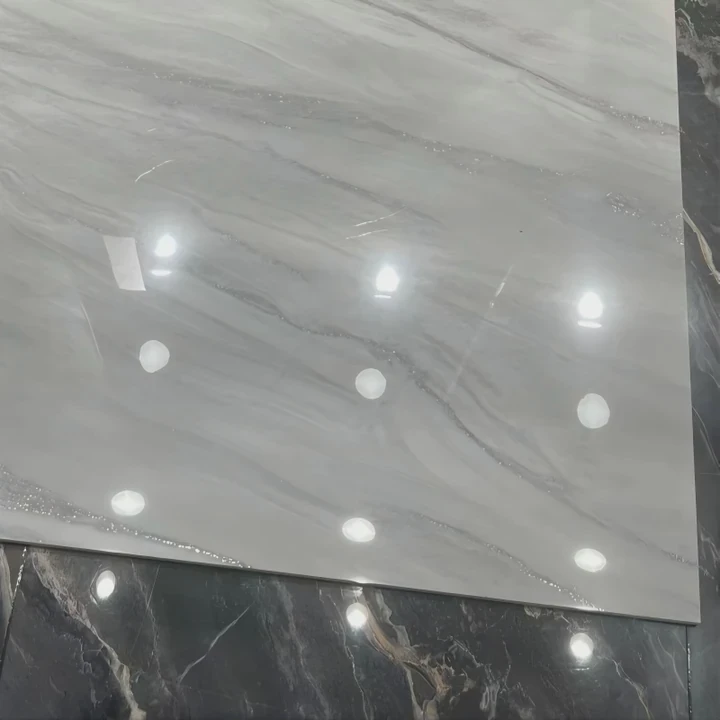
Many tile installations look flat and ordinary. A herringbone pattern adds movement and style, but many people avoid it because they think it is too difficult.
To tile a herringbone pattern, plan the layout carefully, establish accurate center lines, make precise cuts, and install each tile at a consistent angle. Success depends on preparation, accuracy, and patience rather than advanced skills.
A herringbone layout can transform a simple floor or wall into a feature that attracts attention. The pattern has been used for centuries in architecture and interior design because it creates visual depth and a sense of craftsmanship. Before starting a project, it is important to understand layout planning, cutting techniques, installation challenges, and whether the pattern is suitable for beginners.
What Layout Planning Is Needed for Herringbone Pattern?
A beautiful herringbone installation starts long before the first tile is placed. Poor planning can lead to uneven edges, wasted materials, and a pattern that looks unbalanced.
Layout planning for a herringbone pattern involves measuring the area, finding the center point, establishing guide lines, selecting the tile direction, and checking edge cuts before installation begins.
The planning stage often determines whether the final result looks professional or amateur.
Why Layout Planning Matters
Unlike straight tile patterns, herringbone layouts create diagonal movement across a surface.
Small measurement errors can become much more noticeable as the pattern expands.
A few millimeters of error at the beginning can affect the entire installation.
Measure the Installation Area
The first step is accurate measurement.
Record:
- Room length
- Room width
- Wall dimensions
- Obstacle locations
- Doorway positions
Precise measurements help estimate materials and identify potential challenges.
Find the Center Point
Most professional installers begin from the center.
The center acts as the visual anchor for the pattern.
Measure both directions and mark the midpoint.
Then create intersecting chalk lines.
These guide lines help maintain alignment throughout the installation.
Choose the Pattern Direction
The direction of the herringbone pattern affects the appearance of the space.
Common options include:
| Pattern Direction | Visual Effect |
|---|---|
| Lengthwise | Makes rooms appear longer |
| Widthwise | Makes rooms appear wider |
| Diagonal focus | Creates dramatic visual movement |
| Center feature | Highlights focal areas |
The chosen direction should complement the room shape.
Dry Layout Before Installation
A dry layout means placing tiles without adhesive.
This step helps identify:
- Narrow edge cuts
- Pattern alignment issues
- Visual balance problems
I always recommend performing a dry layout before mixing any adhesive.
Consider Border Conditions
The edges of the room often determine the quality of the final appearance.
Avoid Tiny Tile Cuts
Very small edge pieces can look awkward.
Adjusting the starting point slightly may create larger and more attractive perimeter cuts.
Check Transitions
Pay attention to:
- Doorways
- Shower entrances
- Cabinet edges
- Feature walls
These areas often attract attention and should align cleanly with the pattern.
Material Estimation
Herringbone installations create more waste than standard layouts.
| Pattern Type | Recommended Extra Material |
|---|---|
| Straight lay | 5%-10% |
| Offset pattern | 10% |
| Herringbone pattern | 15%-20% |
Additional material allows for cutting mistakes and future repairs.
Why Planning Saves Time
Many installation problems begin because the installer rushes into the project.
Several years ago, I worked on a floor where the layout was not checked beforehand. The pattern reached one wall perfectly but left extremely narrow cuts on the opposite side. The floor had to be partially removed and restarted. Since then, layout planning has become the most important step in every herringbone project.
A successful installation begins with accurate measurements and a clear layout strategy.
How Do You Cut Tiles for Herringbone Designs?
Cutting is one of the most important skills in herringbone tiling. Every edge, corner, and transition requires careful attention.
Tiles for herringbone designs are usually cut using a wet saw or tile cutter. Accurate measurements and consistent angles are essential because even small cutting errors can disrupt the pattern.

Many people find cutting more challenging than laying the tiles themselves.
Why Herringbone Requires More Cuts
Straight tile layouts often allow many full tiles.
Herringbone layouts create diagonal edges that require trimming.
This results in:
- More cuts
- More waste
- More planning
The complexity increases near walls and corners.
Essential Cutting Tools
The right equipment improves both speed and accuracy.
| Tool | Purpose |
|---|---|
| Wet tile saw | Precise cuts |
| Manual tile cutter | Straight cuts |
| Measuring tape | Accurate dimensions |
| Pencil or marker | Layout marking |
| Speed square | Angle verification |
For porcelain tiles, a wet saw usually delivers the best results.
Measure Twice, Cut Once
This traditional advice remains important.
Every cut should be measured carefully before cutting begins.
Errors become highly visible in a herringbone pattern.
Common Herringbone Edge Cuts
Several cut types appear frequently.
Triangular Edge Pieces
Diagonal layouts often create triangular gaps near walls.
These cuts require careful measurement.
Corner Cuts
Corners usually need custom-shaped pieces.
A cardboard template can help improve accuracy.
Transition Cuts
Doorways and borders often require detailed trimming.
These locations deserve extra attention because they remain highly visible.
Creating Templates
Templates reduce mistakes.
Common template materials include:
- Cardboard
- Heavy paper
- Plastic sheets
Templates are especially useful for irregular shapes.
Cutting Porcelain vs Ceramic Tiles
Different tile materials behave differently.
| Tile Type | Cutting Difficulty |
|---|---|
| Ceramic tile | Easier |
| Porcelain tile | Moderate |
| Large-format porcelain | More difficult |
| Natural stone | Varies greatly |
Porcelain remains a popular choice because of its durability and appearance.
Managing Waste
Because herringbone patterns require numerous cuts, material waste increases.
Good waste management includes:
- Saving usable offcuts
- Organizing cut pieces
- Measuring carefully before cutting
Many leftover pieces can be reused elsewhere in the layout.
Improving Accuracy
A simple habit improves results dramatically.
After making several cuts, place the pieces temporarily into the layout.
This confirms alignment before adhesive is applied.
I once completed a feature wall where nearly every perimeter tile required a custom cut. The project took longer than expected, but careful measuring prevented costly material waste and maintained consistent pattern alignment.
Cutting may appear difficult at first, but precision and patience quickly improve the quality of the finished installation.
Why Is Herringbone Tiling More Complex?
Many people love the appearance of herringbone tile. Yet fewer people choose it because the installation process is more demanding than traditional patterns.
Herringbone tiling is more complex because it requires greater layout accuracy, more cutting, tighter alignment control, and additional installation time compared to standard tile patterns.
The pattern looks simple when completed, but achieving that appearance requires careful execution.
More Alignment Points
A straight tile layout usually follows parallel lines.
A herringbone layout creates many intersecting angles.
Every tile affects the position of the next tile.
Small errors can spread across the entire installation.
Increased Cutting Requirements
One major challenge is the number of cuts.
Compared with standard layouts, herringbone patterns often require:
| Factor | Straight Pattern | Herringbone Pattern |
|---|---|---|
| Layout complexity | Low | High |
| Number of cuts | Low | High |
| Installation speed | Faster | Slower |
| Material waste | Lower | Higher |
The additional cutting increases both labor and material use.
More Time Required
Herringbone installations generally take longer.
Several factors contribute to this:
- Frequent measurements
- Continuous alignment checks
- Additional cutting
- More detailed planning
The installation pace naturally slows.
Pattern Consistency Is Critical
Every tile contributes to the overall design.
If one tile shifts slightly, the visual effect may continue across multiple rows.
For this reason, professionals constantly check alignment during installation.
Visual Expectations Are Higher
People notice pattern irregularities more easily in herringbone layouts.
A slight deviation may stand out immediately.
This makes attention to detail especially important.
Adhesive Management
Because tiles are often placed at alternating angles, adhesive coverage must remain consistent.
Poor adhesive distribution can create:
- Uneven surfaces
- Lippage
- Weak bonding
Careful trowel technique helps maintain quality.
Large Areas Increase Complexity
As the installation grows, maintaining pattern accuracy becomes harder.
Regular Alignment Checks
Professional installers often stop periodically to verify:
- Pattern direction
- Tile spacing
- Joint consistency
These checks help prevent major corrections later.
Why Homeowners Still Choose Herringbone
Despite the challenges, herringbone remains popular.
Benefits include:
- Timeless appearance
- Increased visual interest
- Luxury design appeal
- Compatibility with many styles
The extra effort often produces a dramatic improvement in the finished space.
During a large residential project, the herringbone floor required nearly twice as much planning time as a standard grid layout. Yet the completed floor became the focal point of the entire home. The added complexity created a result that justified the extra work.
Complexity should not discourage installation. It simply requires more preparation and patience.
Can Beginners Install Herringbone Tile Patterns?
Many homeowners admire herringbone designs but wonder whether the pattern is suitable for a first tile project.
Yes, beginners can install herringbone tile patterns successfully if they plan carefully, work slowly, use proper layout guides, and accept that the project will take more time than a standard tile installation.
Experience helps, but patience is often more important.
Challenges Beginners May Face
Several factors make herringbone more demanding.
Common beginner challenges include:
- Layout confusion
- Incorrect measurements
- Uneven spacing
- Cutting errors
Fortunately, these issues can be managed through preparation.
Start with a Small Area
A smaller project allows beginners to build confidence.
Good starter projects include:
- Kitchen backsplashes
- Laundry room walls
- Accent walls
- Small bathroom floors
Large open floors can be attempted later.
Use Layout Guides
Chalk lines provide valuable references.
These lines help maintain:
- Pattern direction
- Tile alignment
- Symmetry
The guides should remain visible throughout installation.
Practice Before Applying Adhesive
Dry layouts are especially helpful for beginners.
Benefits include:
| Advantage | Benefit |
|---|---|
| Better visualization | Understand pattern flow |
| Error detection | Find issues early |
| Cutting practice | Improve confidence |
| Material planning | Reduce waste |
A practice layout removes much of the uncertainty.
Work in Small Sections
Installing too much adhesive at once can create problems.
Smaller sections allow:
- Better adjustment
- Cleaner work
- Improved accuracy
This approach reduces stress during installation.
Select Beginner-Friendly Tiles
Some tiles are easier to work with than others.
Rectangular porcelain tiles remain one of the most popular choices for herringbone layouts because they combine durability and consistent sizing.
Learn from Mistakes
No installer completes every project perfectly.
Even experienced professionals occasionally make adjustments.
The important thing is identifying problems early and correcting them before the adhesive cures.
When Professional Help May Be Better
Some situations may justify hiring an installer.
Examples include:
- Large commercial spaces
- Luxury projects
- Complex custom layouts
- Large-format tile installations
However, many residential herringbone projects remain accessible to dedicated beginners.
Confidence Comes from Preparation
The biggest difference between success and failure is often preparation.
A beginner who plans carefully usually performs better than an experienced installer who rushes the work.
Many first-time installers are surprised by how manageable herringbone becomes after the layout is established. Once the pattern starts repeating, the process becomes easier and more predictable.
Beginners can absolutely install herringbone tile patterns. The project simply requires patience, careful planning, and a willingness to work methodically.
Conclusion
Herringbone tile installations create a timeless and elegant appearance, but success depends on careful layout planning, accurate cutting, and consistent alignment. While the pattern is more complex than standard tile layouts, beginners can achieve excellent results by preparing thoroughly, working slowly, and focusing on precision throughout the installation process.