How to install tile in shower wall?
- Sinotiles
- 2026-03-26
A poorly installed shower wall leads to leaks, mold, and costly repairs. Many projects fail because of weak preparation, not the tile itself.
To install tile on a shower wall, you must prepare the surface, apply waterproofing, plan the layout, and finish with proper grouting. Each step ensures durability and long-term performance.
A shower is one of the most demanding wet areas in any building. Small mistakes can cause serious problems later. So it is important to follow a clear process from start to finish.
What preparation is needed for shower walls?
A rushed start often causes tiles to crack or fall off later. Many installers skip key checks and regret it.
Proper preparation includes cleaning the surface, installing a stable backer board, ensuring flatness, and marking layout lines before tiling begins.
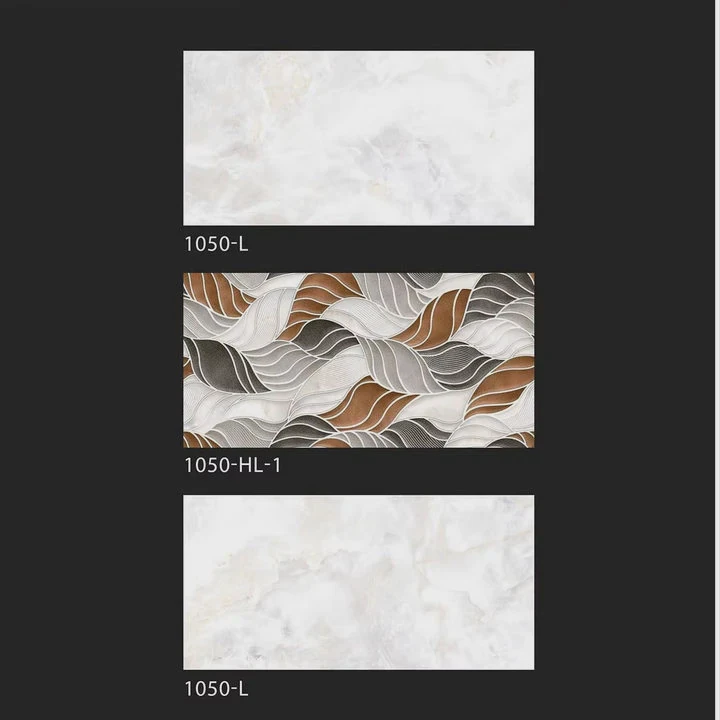
Preparation is the base of the whole project. If the base fails, nothing above it will last. So this step deserves careful attention.
Surface inspection and cleaning
The wall must be clean, dry, and strong. Dust, grease, or loose material will weaken adhesion. A simple wipe is not enough. The surface should be scrubbed and checked.
Choosing the right substrate
Tiles should never be installed directly on drywall in wet areas. Instead, a cement backer board or fiber cement board is used. These materials resist moisture and provide a stable base.
Wall flatness and alignment
Walls must be flat within a small tolerance. Uneven walls lead to lippage, where tile edges are not aligned.
| Check Item | Standard Requirement | Why It Matters |
|---|---|---|
| Flatness | ≤ 3mm deviation | Prevents uneven tiles |
| Strength | No loose sections | Ensures adhesion |
| Cleanliness | No dust or grease | Improves bonding |
Planning layout lines
Before placing any tile, horizontal and vertical guide lines are drawn. These lines help keep tiles straight and balanced.
A story that often comes up in real projects: one contractor skipped layout lines to save time. The result was uneven tile joints that were clearly visible. The cost of fixing it was much higher than doing it right the first time.
Why preparation matters
Preparation controls:
- Tile alignment
- Adhesion strength
- Long-term durability
Skipping this step often leads to:
- Tile cracking
- Water damage
- Expensive repairs
So even if preparation feels slow, it actually saves time and money in the long run.
How to waterproof before tiling shower?
Water damage is the biggest hidden risk in showers. Without waterproofing, even perfect tiles cannot stop leaks.
Waterproofing a shower wall involves applying a waterproof membrane over the substrate, sealing joints, and ensuring complete coverage before tiling begins.
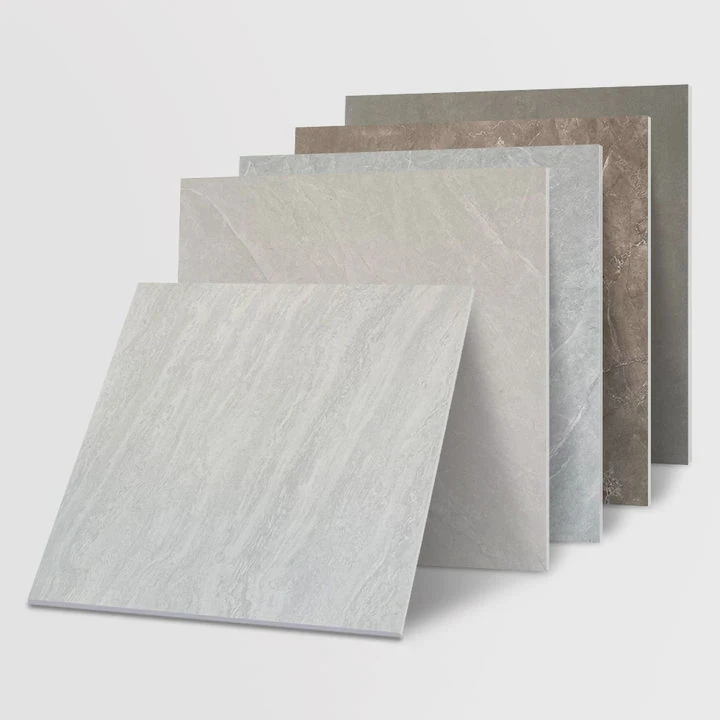
Waterproofing is not optional. It is the real barrier that protects the structure behind the tiles.
Types of waterproofing systems
There are two common systems:
- Liquid waterproof membrane
- Sheet membrane system
Both work well if installed correctly.
Application steps
Step 1: Seal joints and corners
All joints between boards must be taped and sealed. Corners are weak points where leaks often start.
Step 2: Apply waterproof membrane
A liquid membrane is applied using a roller or brush. It must cover the entire surface evenly.
Step 3: Multiple coats
Usually, two coats are required. The first coat seals the surface. The second coat ensures full protection.
| Waterproofing Method | Advantages | Considerations |
|---|---|---|
| Liquid membrane | Easy to apply | Needs proper thickness |
| Sheet membrane | Consistent thickness | Requires precise cutting |
Thickness control
One common mistake is applying the membrane too thin. If it is too thin, water can still pass through. Manufacturers usually specify the required thickness.
Drying time
Each layer must dry fully before the next step. Rushing this process reduces effectiveness.
Why waterproofing is critical
Tiles and grout are not waterproof. They only resist water. Moisture can still pass through small gaps.
Without waterproofing:
- Mold can grow behind walls
- Structural damage may occur
- Repairs become expensive
With proper waterproofing:
- The shower stays safe
- The structure lasts longer
- Maintenance becomes easier
So this step is the real protection layer, not the tile itself.
What is the best tile layout for showers?
A poor layout can ruin even high-quality tiles. Uneven cuts and misaligned patterns are easy to notice.
The best tile layout for showers is balanced, centered, and planned to minimize small cuts while maintaining symmetry and visual flow.
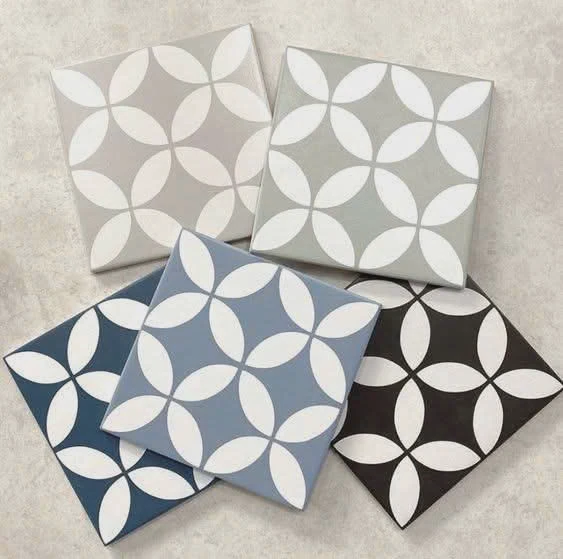
Layout is both technical and visual. It affects both installation efficiency and final appearance.
Common layout patterns
Straight grid layout
Tiles are aligned in straight rows and columns. This is the most common choice.
Offset (brick) pattern
Each row is shifted. This creates a more dynamic look.
Vertical stack
Tiles are stacked vertically. This makes the space feel taller.
Choosing the right layout
The choice depends on:
- Tile size
- Shower size
- Design style
Avoiding small cuts
Small tile cuts near edges look unprofessional. A better approach is to center the layout.
| Layout Strategy | Benefit | Result |
|---|---|---|
| Center alignment | Balanced look | Symmetry |
| Even edge cuts | Cleaner finish | Professional appearance |
| Full tiles at eye level | Better visual impact | Attractive design |
Starting point matters
The first row should not always start from the floor. Floors may not be perfectly level. Instead, a level reference line is used.
Visual focus areas
The most visible areas should have full tiles. Less visible corners can have cuts.
Real project insight
In one project, the layout was not planned well. Small tile strips appeared at the top edge. Even though the tiles were high quality, the final look felt cheap.
Why layout planning matters
Good layout:
- Improves visual appeal
- Reduces material waste
- Speeds up installation
Bad layout:
- Looks uneven
- Wastes tiles
- Causes frustration
So layout is not just design. It is a key technical step.
How to grout shower wall tiles properly?
Many installations fail at the final step. Poor grouting leads to water entry and stains.
Proper grouting involves mixing grout correctly, applying it evenly, filling all joints completely, and sealing it after curing.
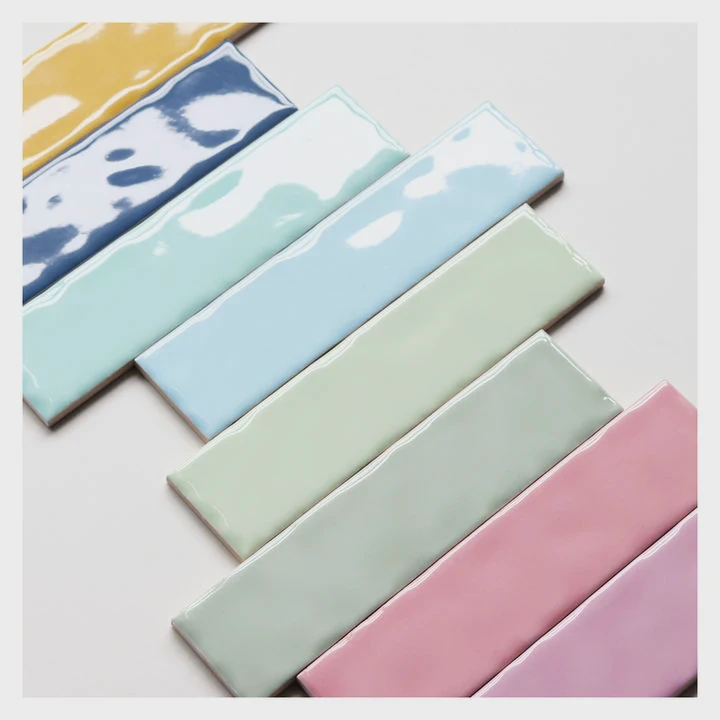
Grouting is more than filling gaps. It protects the tile system and completes the surface.
Types of grout
There are three main types:
- Cement-based grout
- Epoxy grout
- Ready-mix grout
Each has its own use case.
Mixing and preparation
Grout must be mixed to the right consistency. Too much water weakens it. Too little makes it hard to apply.
Application steps
Step 1: Apply grout diagonally
A rubber float is used to push grout into joints. Diagonal movement ensures full coverage.
Step 2: Remove excess grout
Excess grout is scraped off before it hardens.
Step 3: Clean the surface
A damp sponge is used to clean tile surfaces.
Timing is important
Cleaning too early removes grout from joints. Cleaning too late makes it difficult to remove residue.
Sealing grout
Some grout types need sealing after curing. This adds water resistance.
| Grout Type | Water Resistance | Maintenance Level |
|---|---|---|
| Cement grout | Medium | High |
| Epoxy grout | High | Low |
| Ready-mix grout | Medium | Medium |
Common mistakes
- Leaving gaps in joints
- Using too much water
- Skipping sealing
Long-term performance
Proper grouting helps:
- Prevent water penetration
- Reduce mold growth
- Maintain clean appearance
Practical insight
A contractor once used cheap grout to reduce cost. After six months, discoloration appeared. The client requested a full redo. The cost doubled.
So the final step is just as important as the first.
Conclusion
Installing shower wall tiles requires careful preparation, waterproofing, layout planning, and proper grouting. Each step supports the next. When done correctly, the result is durable, safe, and visually clean.
- Pre: How to cut tile trim?
- Next: How to cut marble tile?