What is tile PEI rating?
- Sinotiles
- 2026-07-31

Choosing the wrong tile can create expensive problems. A beautiful tile may not handle daily wear, heavy traffic, or commercial use.
Tile PEI rating is a measurement that shows how well a glazed tile can resist surface wear. It helps buyers understand where a tile should be installed based on expected foot traffic.
When I help customers select tiles for different projects, I often explain that design is only one part of the decision. Color, size, and style are important, but durability is also critical. PEI rating gives buyers a simple way to compare tile performance before making a purchase.
What does PEI rating indicate for tile durability?
PEI rating indicates the resistance of a glazed tile surface against wear caused by regular use. The rating helps identify whether a tile is suitable for walls, light residential areas, or heavy commercial spaces.
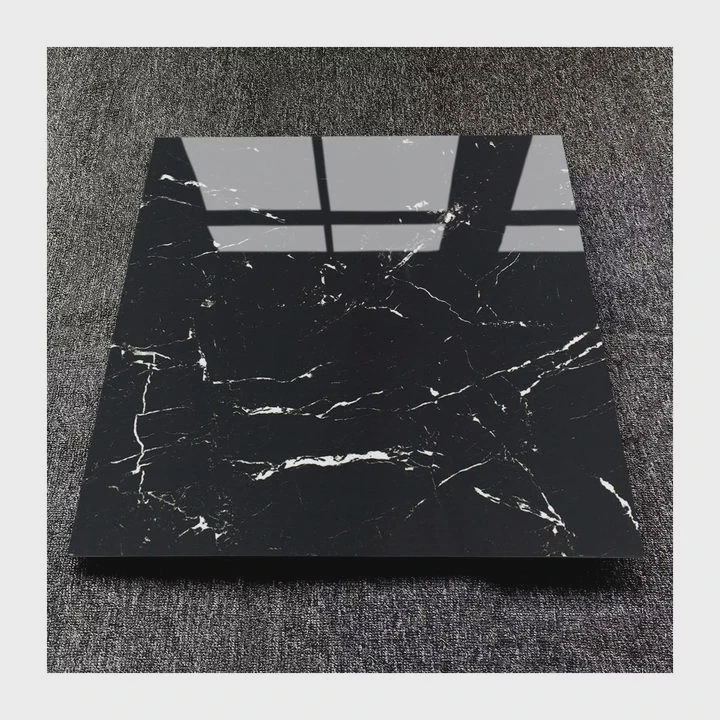
The term PEI comes from the Porcelain Enamel Institute, which developed a testing method to measure tile surface durability. The test checks how much wear a glazed tile can handle before visible damage appears.
How PEI testing works
During testing, machines create repeated movement on the tile surface. The goal is to simulate daily use and measure how the glaze responds.
A higher PEI rating means the tile surface can usually handle more traffic.
However, PEI rating only measures surface wear. It does not measure every quality factor of a tile.
PEI rating does not measure everything
Many buyers think a high PEI rating means a tile is better in every way. This is not always correct.
PEI rating does not directly show:
- Slip resistance
- Water absorption
- Tile strength
- Color quality
- Installation performance
- Scratch resistance from all materials
For example, a tile with a high PEI rating may still not be the best choice for a wet area if the surface does not provide enough slip protection.
Why durability matters for tile selection
Tiles are long-term building materials. Replacing damaged flooring can create high costs and interrupt daily activities.
A correct PEI rating helps match the tile with the location.
| Project Area | Main Requirement |
|---|---|
| Bedroom | Comfortable and decorative surface |
| Kitchen | Easy cleaning and moderate durability |
| Shopping mall | Strong wear resistance |
| Hotel lobby | High durability and attractive design |
| Outdoor area | Weather and surface performance |
PEI rating and glazed tiles
PEI rating is mainly used for glazed ceramic and porcelain tiles. Glazed tiles have a decorative surface layer that can wear over time.
Unglazed tiles usually require different evaluation methods because the entire tile body provides the surface.
Why buyers should check PEI rating
When customers purchase tiles for international projects, they often focus on appearance first. However, the wrong durability level can affect customer satisfaction.
A tile used in a busy commercial area needs different performance compared with a private bedroom.
A simple PEI check can help prevent incorrect tile selection and reduce future replacement costs.
How are PEI ratings classified for tile use?
PEI ratings are usually classified from PEI 0 to PEI 5. Each level represents a different expected usage condition.
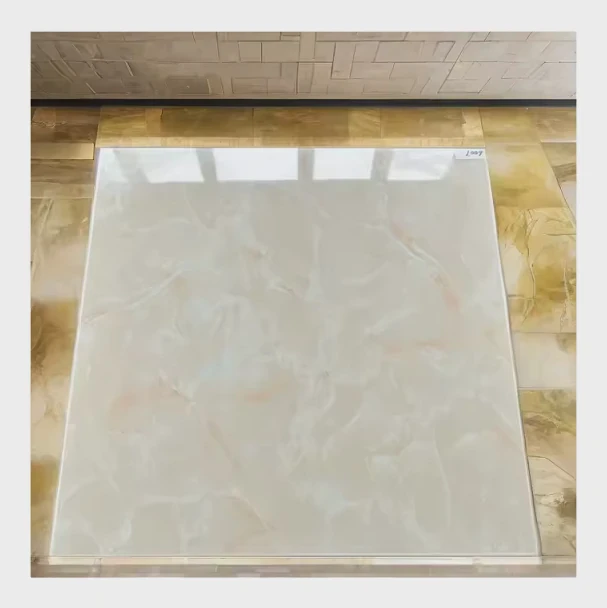
Understanding these categories helps buyers select tiles based on traffic levels.
PEI 0: Decorative use only
PEI 0 tiles are not designed for floors. They are mainly used for decorative purposes, such as wall applications.
These tiles may have attractive designs, but they do not have enough wear resistance for walking surfaces.
Common uses include:
- Bathroom walls
- Decorative panels
- Feature walls
PEI 1: Very light traffic areas
PEI 1 tiles are suitable for areas with very limited foot traffic.
Typical applications include:
- Residential bathrooms
- Guest rooms
- Low-use interior spaces
These tiles are not recommended for busy floors.
PEI 2: Light residential use
PEI 2 tiles can handle normal residential areas with soft footwear.
They are commonly used in:
- Bedrooms
- Private bathrooms
- Low-traffic living areas
They are not ideal for entrances or commercial locations.
PEI 3: Moderate residential use
PEI 3 tiles are one of the most common choices for homes.
They can be used in:
- Living rooms
- Kitchens
- Hallways
- Residential entrances
Many homeowners choose PEI 3 because it provides a good balance between appearance and durability.
PEI 4: Heavy residential and commercial use
PEI 4 tiles are designed for higher traffic areas.
Common locations include:
- Restaurants
- Hotels
- Offices
- Retail stores
These tiles provide better resistance against daily wear.
PEI 5: Very heavy traffic areas
PEI 5 represents the highest level of wear resistance.
These tiles are suitable for demanding environments such as:
- Airports
- Shopping centers
- Public buildings
- Large commercial spaces
| PEI Rating | Recommended Use |
|---|---|
| PEI 0 | Decorative walls only |
| PEI 1 | Very light traffic |
| PEI 2 | Light residential areas |
| PEI 3 | General home flooring |
| PEI 4 | Heavy residential and commercial areas |
| PEI 5 | Very heavy commercial traffic |
Choosing based on real conditions
The correct PEI rating depends on how people use the space.
For example, a small family kitchen may work well with PEI 3. A busy restaurant entrance may need PEI 4 or PEI 5.
I usually recommend that buyers think about future use, not only current conditions. A space may receive more traffic later because of business growth or lifestyle changes.
PEI rating and tile investment
Higher PEI ratings are not always necessary. Using a PEI 5 tile in a bedroom may increase costs without providing meaningful benefits.
The goal is choosing the correct performance level for the project.
A smart purchase balances:
- Design needs
- Budget
- Traffic level
- Maintenance expectations
Which PEI rating is best for high traffic areas?
For high traffic areas, PEI 4 and PEI 5 tiles are usually the best choices. These ratings indicate stronger resistance to surface wear caused by frequent walking and daily activities.
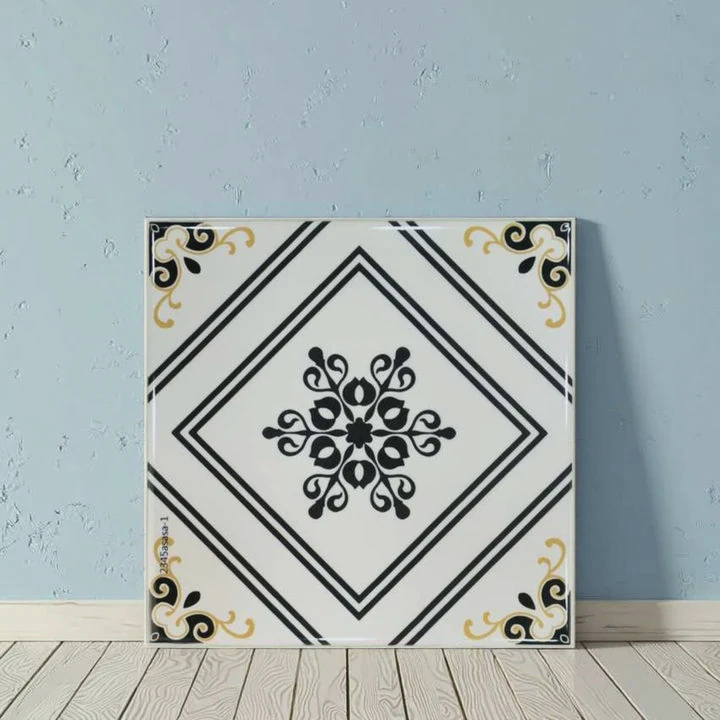
Commercial spaces need flooring that can maintain appearance after years of use. A weak tile surface may become dull, scratched, or damaged faster.
PEI 4 for busy areas
PEI 4 tiles are commonly used for many commercial and residential projects.
They work well for:
- Restaurants
- Hotels
- Office buildings
- Retail shops
- Busy homes
PEI 4 provides strong performance without always requiring the highest material cost.
PEI 5 for extreme traffic
PEI 5 tiles are designed for areas with very heavy movement.
Examples include:
- Transportation buildings
- Large shopping centers
- Public facilities
- Commercial entrances
These locations need maximum surface durability because thousands of people may walk across the floor every day.
High traffic does not only mean many people
Traffic level also depends on other factors.
| Factor | Effect on Tile Wear |
|---|---|
| Number of visitors | More walking creates more wear |
| Dirt and sand | Can increase surface abrasion |
| Furniture movement | Can affect the surface |
| Cleaning frequency | Affects long-term appearance |
For example, a store near a street entrance may experience more wear because dirt enters with customer shoes.
Other features to consider with PEI rating
Although PEI rating is important, it should not be the only selection factor.
For high traffic projects, I also check:
- Tile thickness
- Slip resistance
- Water absorption
- Surface texture
- Installation quality
A successful flooring project requires several performance factors working together.
Commercial buyers should think long term
For builders, developers, and distributors, tile selection affects customer satisfaction.
A floor that looks good at installation but fails after a short time can create complaints and replacement costs.
Choosing the correct PEI rating helps create a more reliable project result.
Does PEI rating affect tile selection decisions?
Yes, PEI rating affects tile selection decisions because it helps buyers match tile durability with the expected usage environment.
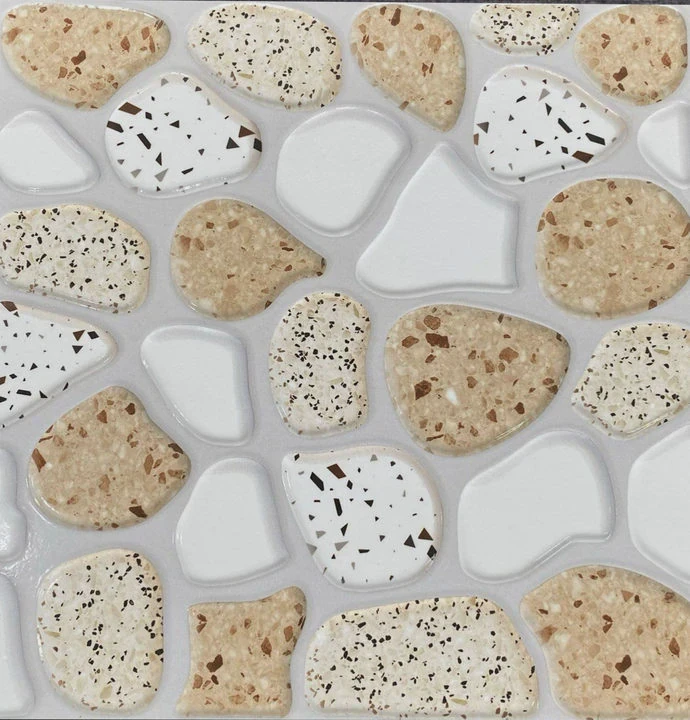
However, PEI rating should be considered together with design, budget, and technical requirements.
PEI rating as a decision tool
PEI rating gives buyers useful information, but it is not the only factor.
A complete tile selection process should include:
- Understanding the project location
- Checking traffic conditions
- Reviewing tile performance
- Comparing design options
- Confirming installation requirements
How PEI rating influences different buyers
Different customers have different priorities.
| Buyer Type | Main Concern |
|---|---|
| Homeowner | Appearance and easy maintenance |
| Contractor | Installation and reliability |
| Distributor | Market demand and product range |
| Developer | Long-term project performance |
Balancing appearance and durability
Some buyers choose tiles only because of appearance. This can create problems if the product cannot handle the environment.
A good tile should provide both visual appeal and practical performance.
For example:
- A luxury hotel needs elegant design and strong durability.
- A family bathroom needs easy cleaning and suitable resistance.
- A shopping center needs maximum wear protection.
PEI rating for international projects
For global tile buyers, understanding PEI ratings is especially useful. Different markets may have different building requirements and customer expectations.
As a tile supplier, I often help customers choose products based on:
- Local climate
- Building type
- Expected traffic
- Project budget
A correct recommendation helps customers avoid buying tiles that do not match their market.
Why PEI rating improves purchasing confidence
Tile projects often involve large quantities. A wrong decision can affect the entire project.
PEI rating provides a simple reference point that helps buyers make more informed choices.
It connects product performance with real-world use, making tile selection easier and more reliable.
Conclusion
PEI rating shows how well glazed tiles resist surface wear. Choosing the right PEI level helps match tile durability with traffic conditions, project needs, and long-term performance.