How to Install Tile?
- Sinotiles
- 2026-03-09
Installing tiles can feel tricky, especially if you worry about uneven surfaces or cracks. Many get frustrated without proper guidance.
Proper tile installation requires understanding substrates, mortar application, moisture control, and safety measures. Doing it right ensures durable and beautiful results.
Learning step by step can save time, money, and prevent common mistakes. Let’s explore the key factors to install tiles efficiently and safely.
Which substrates are best for tile installation?
Choosing the right substrate is crucial because the wrong one can cause tiles to crack or come loose. Many installers skip this step and face problems later.
Substrates like cement board, concrete, or properly prepared plywood provide a solid foundation for tiles. Each type affects durability and the installation method.
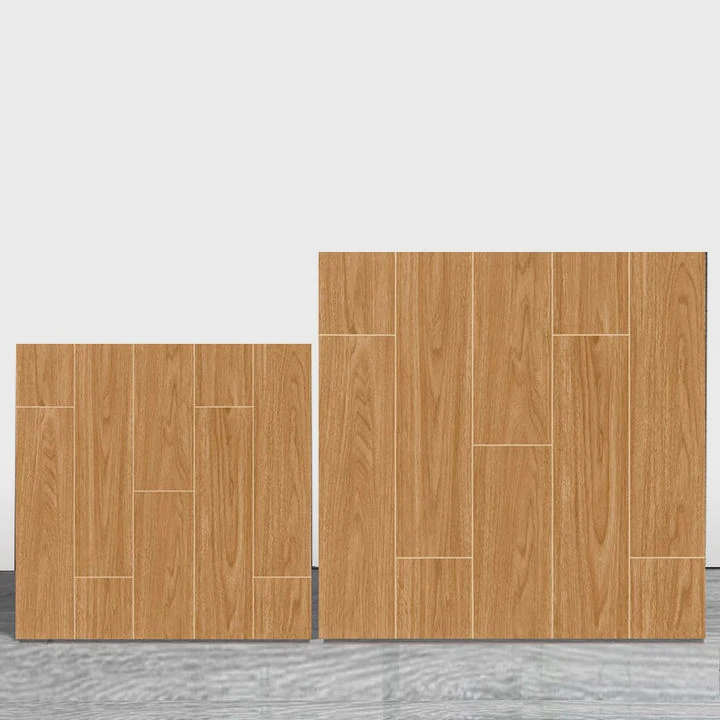
The substrate must be flat, stable, and strong enough to support the tile and adhesive. Concrete is the most common choice for floors because it is strong and durable. Cement backer boards are excellent for wet areas like bathrooms because they resist moisture and prevent mold. Plywood is less common but can work in dry areas if properly secured and reinforced.
Types of substrates
| Substrate Type | Best Use | Advantages | Disadvantages |
|---|---|---|---|
| Concrete | Floors, outdoor patios | Strong, durable, long-lasting | Heavy, needs leveling |
| Cement Backer Board | Bathrooms, kitchens | Moisture-resistant, easy to cut | Needs screws, extra layer |
| Plywood | Dry areas, walls | Flexible, lighter than concrete | Can warp or swell with moisture |
| Existing Tile | Renovations | No need to remove old tile | Requires cleaning and leveling |
Surface Preparation
Before laying tiles, check the substrate for cracks, holes, or uneven areas. Fill gaps with a patching compound and sand high spots. Clean the surface to remove dust, grease, or old adhesive. For cement boards, ensure all joints are sealed with mesh tape and thinset mortar.
Preparing the substrate properly reduces the risk of cracking, adhesive failure, or tiles popping off. It also creates a level base, which is essential for a professional-looking finish.
Moisture Considerations
Even strong substrates can fail if exposed to moisture without protection. Using a waterproof membrane in bathrooms, kitchens, or basements prevents water from reaching the substrate and causing damage. Consider this step mandatory for areas with frequent water exposure.
A properly chosen and prepared substrate ensures your tile installation will last for years, supporting both the tiles and the intended traffic.
How to apply mortar evenly under tiles?
Applying mortar unevenly can cause tiles to sit at different heights, creating lippage and an unstable floor. Many beginners struggle with this step.
Using a notched trowel and spreading mortar consistently ensures tiles adhere properly and remain level over time.
Choosing the Right Mortar
Thinset mortar is most common for ceramic and porcelain tiles. Some adhesives are premixed, while others need mixing on-site. Choose a mortar suited for the tile type, substrate, and environment.
Step-by-Step Application
- Mix mortar to a smooth, thick consistency without lumps.
- Spread a small amount on the substrate using a flat side of a trowel.
- Use the notched side to create grooves in the mortar. The grooves help air escape when the tile is pressed down.
- Press the tile firmly, twisting slightly to improve contact.
- Check the height with a level to ensure uniformity.
Tips for Consistent Coverage
| Tip | Detail |
|---|---|
| Use correct trowel size | Bigger tiles need bigger notches for better adhesion |
| Work in small sections | Prevents mortar from drying before tile placement |
| Back-butter tiles | Apply mortar to the back of large tiles for extra grip |
| Check for voids | Lift tiles occasionally to see full contact with mortar |
Uneven mortar can lead to hollow spots under tiles, which may crack under weight. Always aim for full coverage, especially on large tiles and high-traffic areas.
Avoiding Common Mistakes
Do not spread too much mortar at once. If mortar dries before placing tiles, the bond weakens. Avoid using a trowel with worn notches. Also, avoid pressing tiles too hard, which can squeeze out too much mortar and create gaps around edges.
By paying attention to the mortar layer, you guarantee a flat, strong surface for tiles that withstands daily use.
Can tiles be installed in high-moisture areas?
High-moisture areas like bathrooms, kitchens, and basements can be challenging for tile installation. Ignoring moisture control can lead to mold, tile loosening, or substrate damage.
Tiles can be installed in wet areas with proper waterproofing, moisture-resistant substrates, and suitable adhesives.

Preparing for Moisture
Always start with a waterproof membrane or barrier. This protects the substrate and prevents water from seeping behind the tiles. Cement boards or fiber-reinforced boards are ideal for these areas. Avoid using standard plywood in wet environments.
Adhesives for Moisture
Use a thinset mortar rated for wet areas. Some adhesives include latex additives to increase water resistance. Do not use standard premixed glue for bathroom floors or shower walls.
Special Considerations
- Seal all edges, corners, and joints with waterproof tape before tiling.
- Install tiles with proper slope toward drains in wet floors.
- Grout should be sealed after drying to reduce water absorption.
Moisture-Proofing Table
| Component | Recommendation | Notes |
|---|---|---|
| Substrate | Cement backer board | Moisture-resistant |
| Membrane | Liquid or sheet | Apply before tiles |
| Adhesive | Water-resistant thinset | Avoid standard glue |
| Grout | Epoxy or sealed | Prevent water penetration |
By following these steps, tiles remain durable and resistant to moisture damage. Wet areas require careful attention, but the results are long-lasting and low-maintenance.
What safety tips are essential when tiling?
Tiling involves cutting tiles, mixing mortar, and lifting heavy materials. Ignoring safety can lead to injuries or accidents.
Wearing protective gear, handling tools correctly, and keeping work areas clean are essential for safe tile installation.
Essential Safety Gear
| Gear | Purpose |
|---|---|
| Gloves | Protect hands from sharp tiles and chemicals |
| Safety glasses | Prevent dust and chips from entering eyes |
| Knee pads | Protect knees during prolonged floor work |
| Dust mask | Avoid inhaling dust from cutting tiles |
| Ear protection | Reduce noise from tile cutters |
Safe Practices
- Always use a wet saw or proper cutting tool to reduce dust and chips.
- Lift heavy boxes of tiles with proper posture to prevent back injuries.
- Keep work area clean and dry to avoid slips.
- Mix mortar carefully to avoid splashes on skin or eyes.
Handling Chemicals
Mortars, adhesives, and sealers can irritate skin. Use gloves and follow the manufacturer’s instructions. Ensure good ventilation to reduce inhalation risks.
Planning for Safety
Organize tools and tiles before starting. Mark cutting lines clearly. Take breaks to avoid fatigue, which increases the chance of mistakes or injuries.
Safety is often overlooked, but following these precautions ensures the tiling process is not only successful but injury-free.
Conclusion
Installing tiles successfully depends on proper substrate, consistent mortar application, moisture control, and safety measures. Careful preparation and attention to detail lead to durable, attractive results that last for years.