How to Install Vinyl Tile on Stairs?
- Sinotiles
- 2026-08-21
Installing vinyl tile on stairs looks simple, but small mistakes can create safety problems. Loose tiles, uneven edges, and poor bonding can damage the finished surface and make stairs unsafe to use.
The correct way to install vinyl tile on stairs is to prepare the surface, measure each step carefully, cut tiles accurately, and use the right adhesive for strong bonding. A proper installation creates a durable and attractive stair surface.
Stairs receive more pressure than normal floors because people step on the same areas many times every day. For this reason, I need to treat stair installation differently from regular vinyl tile flooring. Good preparation and correct installation methods help improve performance and reduce future repairs.
What preparation is needed for stair installation?
Proper preparation is the first step when installing vinyl tile on stairs. The condition of the stairs directly affects the final result. If the surface is dirty, uneven, or damaged, the vinyl tiles may not bond correctly.
Before installation begins, I check the stair structure and surface condition. The stairs should be strong, stable, and free from movement. Any loose boards, cracks, or damaged areas should be repaired first.
Check the stair surface condition
The installer needs to prepare different stair materials in different ways. Wooden stairs, concrete stairs, and metal stairs may require different treatments before applying vinyl tiles.
A clean and flat surface allows the adhesive to work properly. Dust, oil, moisture, and old loose materials can reduce bonding strength.
| Preparation Step | Purpose |
|---|---|
| Clean the stairs | Remove dust, dirt, and grease |
| Repair damage | Create a stable installation base |
| Level uneven areas | Prevent tile movement and gaps |
| Measure every step | Improve cutting accuracy |
| Check moisture level | Protect adhesive performance |
The measurement process is especially important for stairs because every step may have small differences. Even a small size change can affect the appearance of the entire staircase.
Remove old flooring before installation
In many renovation projects, stairs already have carpet, old tiles, or other flooring materials. These materials should be removed carefully before vinyl tile installation.
Old adhesive residue can create bumps under the vinyl tile. These bumps may become visible after installation because vinyl tiles are usually thin and flexible.
I always recommend creating the smoothest possible surface before installing new materials. A clean base allows the vinyl tile to sit flat and improves long-term durability.
Prepare the stair edges
The stair edge is one of the most important areas during installation. The front edge receives repeated impact from footsteps, so it needs strong support.
The installer should check whether the stair nose is damaged. If the edge is uneven, the vinyl tile may not cover it properly.
A professional installation often includes stair nosing or edge protection. This feature improves safety and gives the staircase a finished appearance.
Plan the installation layout
Before applying adhesive, I place the vinyl tiles on the stairs without fixing them permanently. This dry layout helps confirm measurements and identify possible cutting problems.
Planning first can reduce material waste and prevent mistakes. Stairs have many visible lines, so accurate planning improves the final look.
How do you cut vinyl tiles for stair edges?
Cutting vinyl tiles for stairs requires more accuracy than cutting tiles for a flat floor. Each stair has multiple areas that need fitting, including the tread, riser, and front edge.
The installer needs accurate measurements before cutting. A small mistake can leave visible gaps or create uneven edges.
For stair installation, I usually measure each step separately instead of assuming all stairs have the same size. Many staircases look identical but have small differences because of construction tolerances.
Measure before cutting
The cutting process should follow a simple order:
- Measure the stair width.
- Measure the depth of the tread.
- Measure the height of the riser.
- Mark the vinyl tile carefully.
- Cut slowly with the correct tool.
A sharp utility knife is commonly used for many vinyl tiles. Some thicker products may require additional cutting tools.
Cutting methods for different stair areas
Different parts of the stair require different cutting approaches.
| Stair Area | Cutting Consideration |
|---|---|
| Stair tread | Needs accurate width and depth measurement |
| Stair riser | Requires vertical measurement accuracy |
| Stair edge | Needs clean finishing and strong protection |
| Corners | Requires careful trimming |
The stair tread usually receives the most attention because it carries the main walking pressure. The tile should fit tightly without large gaps.
Avoid common cutting mistakes
Many installation problems happen because the cutting process is rushed. Cutting too much material cannot be corrected easily.
I always suggest measuring twice before cutting once. This simple habit reduces waste and improves accuracy.
Another common mistake is ignoring the direction of the vinyl tile pattern. If the tile has a wood design or stone pattern, the installer should consider how the pattern flows across the stairs.
A good installation does not only focus on fitting the material. It also considers the visual result.
Use templates for complex stairs
Some stairs have unusual shapes, curved edges, or irregular dimensions. In these situations, creating a paper or cardboard template can make cutting easier.
The template allows the installer to test the shape before cutting the actual vinyl tile. This method can save materials and reduce errors.
Accurate cutting is one of the most important skills in stair vinyl tile installation.
Why use adhesive for stair vinyl tiles?
Adhesive plays a critical role in stair vinyl tile installation. Unlike some floating floor applications, stairs usually require strong bonding because every step creates pressure and movement.
Using the correct adhesive helps keep vinyl tiles in place and prevents lifting around the edges.
Why stairs need stronger bonding
A normal floor mainly receives downward pressure. Stairs receive both downward and forward pressure because people push against the surface while walking.
This movement can slowly loosen vinyl tiles if the adhesive is not strong enough.
| Installation Area | Main Pressure Type | Adhesive Importance |
|---|---|---|
| Flat floor | Mostly vertical pressure | Medium importance |
| Stair tread | Vertical and forward pressure | High importance |
| Stair edge | Impact and movement | Very high importance |
The adhesive creates a connection between the vinyl tile and the stair surface. A strong bond improves safety and extends the life of the installation.
Choose the correct adhesive
Different vinyl tiles may require different adhesives. The installer should follow the product instructions and choose a compatible adhesive.
Using the wrong adhesive can cause problems such as:
- Tile movement
- Edge lifting
- Poor bonding
- Surface damage
I always consider the environment before installation. Areas with temperature changes or moisture exposure may need special adhesive products.
Apply adhesive correctly
The adhesive amount also matters. Too little adhesive may create weak areas. Too much adhesive may create uneven surfaces.
The installer should spread adhesive evenly and allow the correct setting time before placing the vinyl tile.
Good adhesive application requires patience. Rushing this step can reduce the quality of the entire staircase.
Can vinyl tile be safely used on stairs?
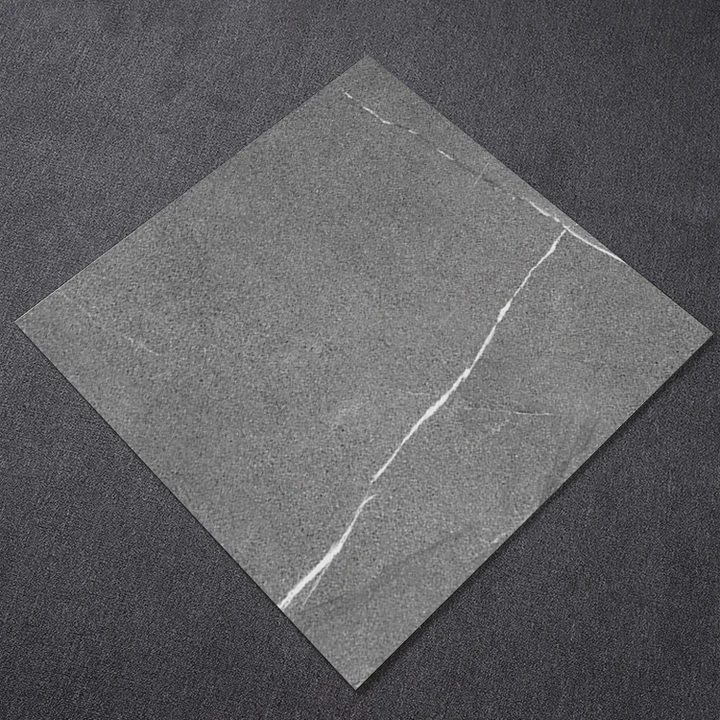
Vinyl tile can be used on stairs, but safety depends on the product type, installation method, and surface design.
Not every vinyl tile product is suitable for stairs. Some products are designed only for flat floors and may not provide enough durability for repeated stair traffic.
A safe stair installation requires strong bonding, proper edge finishing, and good slip resistance.
Important safety factors
| Safety Factor | Why It Matters |
|---|---|
| Strong adhesive | Prevents tile movement |
| Slip-resistant surface | Reduces fall risk |
| Secure stair edges | Improves durability |
| Correct installation | Supports long-term use |
The surface texture of the vinyl tile is important. Smooth decorative tiles may look attractive but may not provide enough grip.
Consider stair nosing
The front edge of each stair receives significant wear. Adding stair nosing can improve protection and safety.
Stair nosing creates a stronger edge and helps define the step position. This feature is especially useful in areas with heavy traffic.
Maintenance after installation
Vinyl tile stairs need regular care to maintain appearance and safety.
Simple maintenance includes:
- Cleaning dust regularly
- Avoiding harsh chemicals
- Checking loose edges
- Repairing damaged areas quickly
A well-installed vinyl tile staircase can provide a modern appearance and practical performance.
The installation quality is the key factor. The material alone cannot guarantee safety. Proper preparation, accurate cutting, and strong adhesive work together to create a reliable stair surface.
Conclusion
Vinyl tile can be installed on stairs when the surface is prepared correctly and the right adhesive is used. Careful measurement, accurate cutting, and strong bonding help create a safe and durable staircase.