How to Lay Shower Floor Tile?
- Sinotiles
- 2026-05-13

Laying shower floor tiles can be tricky. Mistakes can cause leaks, uneven surfaces, and water damage.
Correctly laying shower floor tiles requires proper preparation, creating a slope for drainage, using waterproof membranes, and selecting the right tile layout.
Following the right steps ensures a durable, safe, and attractive shower floor.
What Preparation Is Needed Before Laying Shower Tiles?
Preparation is the foundation of a successful shower floor. Poor preparation can lead to cracks, tile movement, and leaks.
Preparation involves cleaning the substrate, repairing damage, leveling uneven spots, and applying primer and waterproofing before tiling.
Start by removing any old flooring, dirt, and debris. Inspect the surface for cracks or uneven areas and repair with a leveling compound or mortar. A smooth, clean surface ensures the tiles adhere properly.
Preparation Checklist
| Task | Importance | Notes |
|---|---|---|
| Clean substrate | High | Remove dust and debris |
| Level uneven spots | High | Use self-leveling compound |
| Repair cracks | Medium | Prevent future tile movement |
| Primer application | Medium | Enhances mortar adhesion |
| Waterproof membrane installation | High | Prevent leaks and water damage |
Taking the time to prepare the floor correctly avoids costly repairs and ensures the shower floor will last for years.
How Can Slope Ensure Proper Shower Drainage?
A shower floor must have a slight slope to direct water toward the drain. Without slope, water pools and damages tiles or grout.
A slope of 1⁄4 inch per foot toward the drain is standard and ensures water flows efficiently off the shower floor.
The slope is created by shaping the mortar bed before tiles are installed. The highest point is at the shower edges, gradually descending to the drain. Use a level frequently to maintain accuracy.
Slope Guidelines Table
| Slope Measurement | Description | Notes |
|---|---|---|
| 1⁄4 inch per foot | Standard slope | Guides water to the drain efficiently |
| Less than 1⁄4 inch | Too shallow | Risk of pooling |
| More than 1⁄4 inch | Too steep | May make tile placement difficult |
Small tiles, like mosaics, are easier to adjust for slope. Larger tiles may require extra cuts or mortar adjustments to maintain the correct gradient. A proper slope prevents standing water and prolongs grout life.
Why Use Waterproof Membranes Under Shower Tiles?
Tile alone is not waterproof. Water can seep through grout and damage the subfloor.
Waterproof membranes protect the substrate from moisture and prevent mold, rot, and structural damage.
Membranes are either sheet or liquid-applied. Sheet membranes are rolled and adhered to the floor, while liquid membranes are applied like paint. Cover corners and walls up to 6–12 inches for added protection.
Waterproofing Methods Table
| Method | Best Use Case | Notes |
|---|---|---|
| Sheet membrane | Full coverage, professional install | Overlaps at seams critical |
| Liquid membrane | DIY-friendly, small areas | Apply 2–3 coats for full protection |
| Combination | High-moisture areas | Extra security, sheet + liquid |
Ensure drain edges and corners are sealed properly. Skipping or improperly installing waterproofing can lead to leaks and long-term damage.
Waterproofing Tips
- Apply membrane on a clean, dry surface.
- Seal corners and drain connections carefully.
- Allow proper curing before tiling.
- Test for leaks if possible before starting tile installation.
Waterproofing is essential, even if the tiles look durable. Proper installation prevents expensive repairs in the future.
Which Layout Patterns Suit Shower Floor Tiles Best?
Tile layout affects drainage, safety, and appearance. Choosing the right pattern ensures water flows properly and the shower looks good.
Grid, diagonal, and mosaic layouts are most common. Smaller tiles improve traction and fit sloped surfaces better.
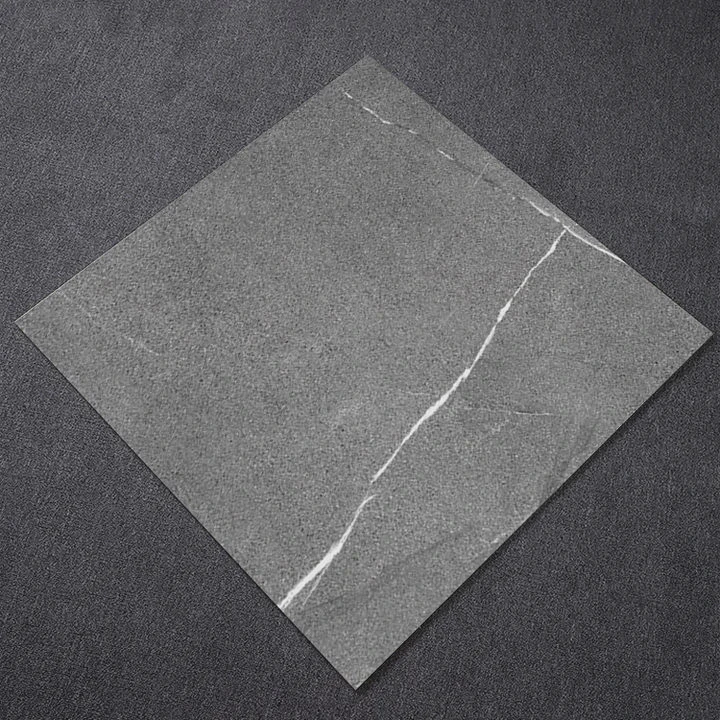
Layout Options
- Grid layout – straight rows; works for medium or large tiles.
- Diagonal layout – tiles at a 45-degree angle; makes the shower look larger.
- Mosaic tiles – small tiles; ideal for curving floors and steep slopes; provides slip resistance.
Layout Comparison Table
| Layout Type | Tile Size Suitability | Drainage Efficiency | Visual Effect |
|---|---|---|---|
| Grid | Medium to large tiles | Standard | Clean, simple look |
| Diagonal | Medium tiles | Standard | Makes shower look larger |
| Mosaic | Small tiles | High | Flexible, slip-resistant |
Layout Tips
- Start tiling from the drain outward to maintain slope alignment.
- Dry-lay tiles to check cuts and symmetry.
- Use spacers for even grout lines.
- Adjust tiles around corners or niches carefully to maintain pattern consistency.
Choosing the right layout simplifies installation, improves drainage, and creates a polished shower floor that is functional and attractive.
Conclusion
Laying a shower floor tile properly requires careful preparation, creating a slope, applying waterproof membranes, and selecting a suitable layout. Following these steps ensures long-lasting, leak-free, and visually appealing shower floors. Proper planning and attention to detail prevent costly repairs and water damage.