How to Lay Tile on Subfloor?
- Sinotiles
- 2026-04-20

Starting tile work on a subfloor often leads to cracks, loose tiles, or uneven surfaces. Many people rush this step and regret it later.
To lay tile on a subfloor correctly, proper preparation, the right materials, and correct installation steps are essential. A stable, clean, and level base ensures long-lasting tile performance and prevents costly repairs.
A good tile job is not just about the tile itself. The hidden layers matter more. Let me walk through each critical step so the result stays strong for years.
What preparation is needed for subfloor tiling?
Poor preparation often leads to tiles cracking or lifting. Many projects fail before the first tile is even placed.
Proper preparation includes cleaning, leveling, reinforcing, and checking moisture conditions of the subfloor to create a stable base for tiles.
A strong tile installation always begins with careful preparation. This step decides whether the tiles last for years or fail within months.
Check the Subfloor Condition
Before anything else, the subfloor must be inspected. It should be solid, dry, and free from movement.
- Wood subfloors must be rigid and well-secured
- Concrete must be fully cured and crack-free
- No loose boards or soft spots should exist
If movement exists, tiles will crack. This is a common issue in many low-cost projects.
Clean the Surface Thoroughly
Dust, oil, or debris will weaken adhesion. Even small particles can create gaps.
- Sweep and vacuum the surface
- Remove grease or paint
- Ensure no loose materials remain
Cleanliness directly affects bonding strength.
Level the Surface
Tiles require a flat surface. Even small uneven areas will cause problems.
Common Leveling Methods:
| Problem Type | Solution |
|---|---|
| Minor unevenness | Self-leveling compound |
| Large dips | Floor patch or screed |
| High spots | Grinding or sanding |
A flat base ensures tiles sit evenly and prevents hollow spots.
Check Moisture Levels
Moisture is a hidden enemy. It can weaken adhesive and cause mold.
- Use a moisture meter if possible
- Ensure concrete is fully dry
- For wood, confirm no water damage
Reinforce if Needed
Sometimes the subfloor needs extra strength.
- Add cement board over wood
- Strengthen joists if there is flex
Why Preparation Matters
Skipping preparation may save time at first, but it leads to:
- Tile cracking
- Adhesion failure
- Water damage
In my experience, many clients only realize this after problems appear. Fixing it later costs much more than doing it right at the start.
How do you ensure proper tile adhesion on subfloors?
Tiles falling off or sounding hollow is a common issue. This usually comes from poor adhesion techniques.
Proper adhesion requires the right adhesive, correct mixing, even application, and proper tile placement with consistent pressure.

Tile adhesion is not just about glue. It is a process that must be done carefully at every step.
Choose the Right Adhesive
Different subfloors need different adhesives.
Common Adhesive Types:
| Subfloor Type | Recommended Adhesive |
|---|---|
| Concrete | Thin-set mortar |
| Wood | Modified thin-set |
| Cement board | Standard thin-set |
Using the wrong adhesive leads to weak bonding.
Mix Adhesive Correctly
Improper mixing reduces strength.
- Follow manufacturer instructions
- Avoid too much water
- Mix until smooth and consistent
A poorly mixed adhesive will not hold tiles properly.
Apply Adhesive Evenly
Use a notched trowel to spread adhesive.
- Hold trowel at 45-degree angle
- Create consistent ridges
- Do not spread too large area at once
This ensures even coverage.
Back Buttering for Better Bond
For larger tiles, apply adhesive on the tile back.
This improves contact and reduces air gaps.
Press Tiles Firmly
Tiles should be pressed into the adhesive with slight movement.
- Use spacers for even gaps
- Ensure full contact with the surface
Avoid Common Mistakes
- Do not let adhesive dry before placing tiles
- Do not walk on tiles too early
- Avoid uneven pressure
Why Adhesion Fails
Adhesion problems usually come from:
- Poor surface preparation
- Wrong adhesive choice
- Inconsistent application
From past projects, many failures happen because installers rush this step. Good adhesion takes patience.
Which underlayment provides best support?
Tiles placed directly on weak subfloors often fail. Without proper support, even the best tiles will crack.
The best underlayment depends on the subfloor type, but cement board, uncoupling membranes, and mortar beds provide the most reliable support.
Underlayment acts as a bridge between the subfloor and tile. It improves stability and prevents movement.
Types of Underlayment
Each type has its own strengths.
Common Options:
| Underlayment Type | Best Use Case | Advantage |
|---|---|---|
| Cement board | Wood subfloors | Strong and stable |
| Uncoupling membrane | Movement-prone floors | Prevents cracks |
| Mortar bed | High-end or uneven surfaces | Maximum strength and leveling |
Cement Board
This is the most common choice.
- Easy to install
- Provides solid base
- Resistant to moisture
It is widely used in residential projects.
Uncoupling Membranes
These are flexible layers.
- Absorb movement from subfloor
- Reduce tile cracking risk
- Good for large format tiles
This option is growing in popularity.
Mortar Beds
This is a traditional method.
- Thick layer of mortar
- Creates perfectly level surface
- Very durable
However, it requires more skill and time.
Choosing the Right Option
The best choice depends on:
- Subfloor condition
- Tile size
- Budget
- Project type
Practical Insight
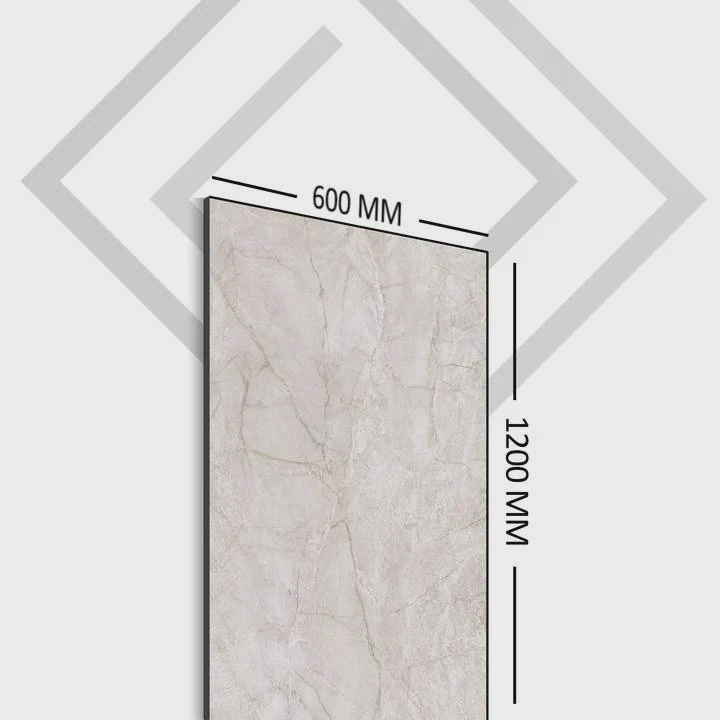
In many export projects, especially for large tiles like 600×1200mm or bigger, uncoupling membranes are often recommended. They reduce stress and improve durability.
Why Underlayment Is Critical
Skipping underlayment can lead to:
- Tile cracks
- Uneven surfaces
- Reduced lifespan
A strong foundation always leads to better results.
When should waterproofing be applied before tiling?
Water damage is one of the biggest threats to tile installations. Many people ignore waterproofing until problems appear.
Waterproofing should be applied before tiling in areas exposed to moisture, such as bathrooms, kitchens, and outdoor spaces, to protect the subfloor and ensure long-term durability.
Waterproofing is not optional in wet areas. It is a necessary step for long-lasting performance.
Where Waterproofing Is Needed
Not every area requires it, but many do.
Common Areas:
- Bathrooms
- Showers
- Kitchens
- Balconies
- Laundry rooms
Types of Waterproofing Systems
There are different methods available.
Common Options:
| Type | Description | Best Use |
|---|---|---|
| Liquid membrane | Painted or rolled coating | Small to medium areas |
| Sheet membrane | Pre-formed waterproof layers | High-risk areas |
| Waterproof boards | Pre-treated panels | Fast installation |
Application Process
Waterproofing must be done carefully.
- Clean the surface
- Apply primer if required
- Apply waterproof layer evenly
- Seal joints and corners
- Allow proper drying time
Skipping drying time is a common mistake.
Key Areas to Reinforce
Some areas need extra attention:
- Corners
- Pipe penetrations
- Floor-wall joints
These are the most common leak points.
Why Timing Matters
Waterproofing must be completed before tile installation.
If applied after tiling, it becomes ineffective.
Real-World Insight
In many international projects, especially in humid regions like Southeast Asia or coastal areas, waterproofing is not just recommended—it is required by building standards.
Risks of Skipping Waterproofing
Without proper protection:
- Water seeps into subfloor
- Mold and mildew develop
- Structural damage occurs
Fixing water damage is expensive and disruptive.
Conclusion
Laying tile on a subfloor requires careful preparation, proper materials, and correct techniques. Each step matters. When done right, the result is strong, durable, and visually clean. Skipping steps leads to costly problems later.