What Is Mosaic Tile?
- Sinotiles
- 2026-06-05
Many buyers see mosaic tiles in showrooms, hotels, and luxury homes, yet they are often unsure what makes these tiles different from standard ceramic or porcelain tiles.
Mosaic tile is a decorative tile product made from many small pieces of tile, stone, glass, metal, or other materials that are mounted together on a mesh backing to create patterns, textures, or continuous surfaces.
Mosaic tiles have been used for thousands of years, but they remain popular in modern architecture and interior design. Their flexibility, visual appeal, and wide range of materials make them a favorite choice for residential and commercial projects around the world.
How Are Mosaic Tiles Typically Used?
Many building projects need more than simple wall or floor coverings. Designers often want focal points, decorative accents, and creative surfaces that stand out from ordinary tile installations.
Mosaic tiles are commonly used for backsplashes, bathroom walls, swimming pools, feature walls, shower areas, and decorative flooring because they offer design flexibility and visual impact.
Mosaic tiles are among the most versatile products in the tile industry. Their small size allows them to fit areas where large tiles may be difficult to install. At the same time, they provide endless opportunities for design creativity.
Popular Residential Applications
Many homeowners use mosaic tiles to create attractive focal points within a space.
Common residential applications include:
- Kitchen backsplashes
- Bathroom walls
- Shower niches
- Shower floors
- Accent borders
- Fireplace surrounds
- Laundry rooms
The small tile pieces can add texture and character without overwhelming the overall design.
Commercial Project Applications
Commercial designers often use mosaics to create memorable environments.
Common commercial uses include:
| Application | Why Mosaic Tiles Work Well |
|---|---|
| Hotels | Luxury appearance |
| Restaurants | Decorative focal points |
| Retail Stores | Brand identity features |
| Office Buildings | Modern accents |
| Spas | Relaxing visual effects |
The variety of colors and finishes allows designers to match almost any project theme.
Swimming Pools and Wet Areas
One of the most recognized uses of mosaic tiles is in swimming pools.
Small mosaic pieces can easily follow curved surfaces and irregular shapes.
This flexibility makes mosaics ideal for:
- Pool interiors
- Water features
- Fountains
- Spa walls
- Steam rooms
Glass mosaics are especially popular in these environments because they reflect light beautifully and create vibrant colors underwater.
Feature Walls and Decorative Panels
Large blank walls can sometimes feel dull or unfinished.
Mosaic tiles allow designers to create:
- Geometric patterns
- Artistic murals
- Brand logos
- Decorative panels
- Textured surfaces
These applications often become the visual centerpiece of a room.
Why Small Tile Size Matters
The small format of mosaic tiles provides advantages that larger tiles cannot always offer.
For example, mosaic sheets can easily fit:
- Curved walls
- Rounded columns
- Tight corners
- Complex architectural details
In several projects I have supplied, designers selected mosaic tiles specifically because standard large-format tiles could not adapt to the required shapes.
This flexibility remains one of the biggest reasons why mosaic tiles continue to be used in both traditional and modern construction projects.
Which Materials Form Mosaic Tiles?
Many buyers assume all mosaic tiles are made from ceramic. In reality, mosaics can be manufactured from a wide variety of materials, each offering unique visual and performance characteristics.
Mosaic tiles can be made from ceramic, porcelain, glass, natural stone, metal, or mixed materials, allowing designers to achieve different styles, textures, and functional requirements.
The material selected often depends on the project’s design goals, budget, maintenance requirements, and installation environment.
Ceramic Mosaic Tiles
Ceramic mosaics remain one of the most widely used options.
Advantages include:
- Affordable pricing
- Wide color selection
- Easy maintenance
- Versatile applications
Ceramic mosaics are commonly used on residential walls and light-duty interior spaces.
Porcelain Mosaic Tiles
Porcelain mosaics offer higher performance than standard ceramic products.
Key benefits include:
- Low water absorption
- Excellent durability
- High stain resistance
- Frost resistance
Because of these qualities, porcelain mosaics are suitable for both indoor and outdoor installations.
Glass Mosaic Tiles
Glass mosaics are often chosen for their visual appeal.
Their reflective surface creates depth and brightness that other materials cannot easily achieve.
Common applications include:
- Swimming pools
- Bathroom walls
- Decorative borders
- Kitchen backsplashes
Natural Stone Mosaic Tiles
Natural stone mosaics provide a timeless and elegant appearance.
Popular stone options include:
- Marble
- Travertine
- Slate
- Limestone
- Granite
Each stone piece contains unique natural patterns, giving every installation its own character.
Metal Mosaic Tiles
Metal mosaics bring a contemporary and industrial style.
Popular finishes include:
| Metal Type | Common Appearance |
|---|---|
| Stainless Steel | Modern and sleek |
| Aluminum | Lightweight and bright |
| Copper | Warm and distinctive |
| Brushed Metal | Industrial look |
These mosaics are often used as decorative wall accents rather than full-surface coverings.
Mixed Material Mosaics
Modern design trends increasingly combine multiple materials within a single mosaic sheet.
Examples include:
- Glass and stone
- Stone and metal
- Ceramic and glass
- Porcelain and metal
Mixed-material mosaics create visual contrast and add depth to interior spaces.
Choosing the Right Material
Material selection should always consider the installation environment.
For example:
| Environment | Recommended Materials |
|---|---|
| Swimming Pools | Glass, porcelain |
| Bathrooms | Porcelain, glass |
| Kitchens | Ceramic, porcelain, glass |
| Outdoor Areas | Porcelain, stone |
| Commercial Floors | Porcelain |
The right material helps ensure both aesthetic appeal and long-term performance.
Can Mosaic Tiles Be Used on Floors?
Some buyers believe mosaic tiles are suitable only for walls. This misunderstanding can limit design possibilities and cause people to overlook practical flooring solutions.
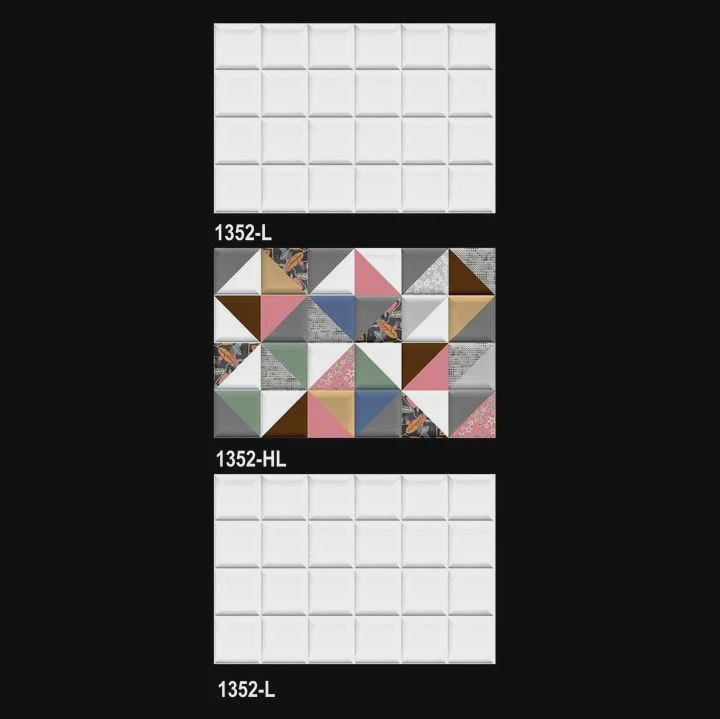
Yes, mosaic tiles can be used on floors, provided the material is durable enough and the surface is designed for foot traffic. Porcelain and stone mosaics are especially popular for floor applications.
In fact, floor applications represent one of the largest markets for mosaic tile products.
Why Mosaic Tiles Work Well on Floors
The small individual pieces create many grout joints across the surface.
These grout joints improve traction and help reduce slipping.
This benefit makes mosaic flooring particularly useful in wet areas.
Common floor applications include:
- Shower floors
- Bathroom floors
- Spa areas
- Pool decks
- Entryways
Popular Mosaic Floor Materials
Not every mosaic material is suitable for heavy foot traffic.
The following materials are commonly used:
| Material | Floor Suitability |
|---|---|
| Porcelain | Excellent |
| Natural Stone | Very Good |
| Ceramic | Good |
| Glass | Limited |
| Metal | Mostly Decorative |
Porcelain mosaics remain one of the most reliable options because of their strength and low water absorption.
Advantages for Shower Floors
Shower floors are one of the most common mosaic applications.
Several factors make mosaics ideal for this purpose.
Better Drainage Slope Adaptation
Shower floors require a slope toward the drain.
Large tiles can be difficult to install on sloped surfaces.
Mosaic sheets easily follow these contours.
Improved Slip Resistance
The larger number of grout joints creates additional grip.
This helps improve safety in wet environments.
Design Flexibility
Mosaic shower floors allow designers to combine colors, patterns, and textures that complement surrounding wall tiles.
Considerations for Commercial Floors
Commercial environments often experience heavy foot traffic.
For these projects, durability becomes critical.
Important factors include:
- Tile strength
- Wear resistance
- Slip resistance
- Maintenance requirements
Porcelain mosaics are often selected because they balance all these factors effectively.
Installation Matters
Floor mosaics require proper installation techniques.
Installers should pay attention to:
- Subfloor preparation
- Adhesive selection
- Grout quality
- Expansion joints
When installed correctly, mosaic floors can provide decades of performance.
Many hotels, spas, restaurants, and luxury residences continue to use mosaic flooring because of its combination of function and visual appeal.
Why Choose Mosaic Over Large Tiles?
Large-format tiles dominate many modern projects, yet mosaic tiles continue to hold a strong position in both residential and commercial markets. Understanding the differences helps buyers select the best product for each application.
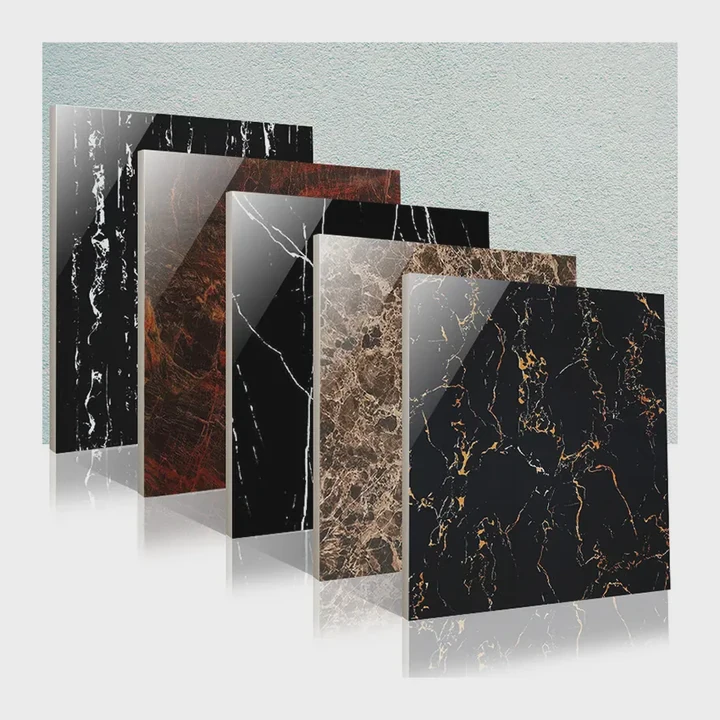
Mosaic tiles offer greater design flexibility, better adaptability to curved surfaces, enhanced slip resistance, and more decorative possibilities than large-format tiles.
The choice between mosaic and large tiles should depend on project goals rather than trends alone.
Greater Design Freedom
Mosaic tiles allow designers to create detailed patterns and artistic effects.
Large-format tiles typically focus on creating broad, uninterrupted surfaces.
Mosaics can create:
- Borders
- Logos
- Murals
- Geometric patterns
- Decorative accents
This level of customization is difficult to achieve with large tiles.
Better Performance on Complex Shapes
Many architectural elements contain curves, angles, and irregular surfaces.
Examples include:
- Swimming pools
- Columns
- Rounded walls
- Curved benches
- Water features
Mosaic sheets can easily conform to these shapes.
Large-format tiles often require extensive cutting or may not be suitable at all.
Enhanced Slip Resistance
One major functional advantage comes from the increased number of grout joints.
These joints improve traction, especially in wet environments.
This is one reason why mosaics remain the preferred option for:
- Shower floors
- Pool areas
- Spa facilities
Comparing Mosaic and Large Tiles
| Feature | Mosaic Tiles | Large Tiles |
|---|---|---|
| Design Flexibility | Excellent | Moderate |
| Curved Surface Installation | Excellent | Limited |
| Slip Resistance | High | Moderate |
| Seamless Appearance | Lower | Higher |
| Installation Speed | Slower | Faster |
| Decorative Potential | Excellent | Moderate |
When Large Tiles Are Better
Large tiles also offer important benefits.
They are often chosen when the goal is:
- Minimal grout lines
- Modern appearance
- Fast installation
- Large open spaces
For expansive floors and walls, large-format porcelain tiles create a sleek and contemporary look.
When Mosaic Tiles Are Better
Mosaic tiles become the stronger choice when the project requires:
- Detailed decoration
- Curved surfaces
- Water applications
- Improved grip
- Visual accents
In many successful projects, designers combine both products. Large-format tiles cover the main surfaces, while mosaic tiles highlight specific areas and create visual interest.
This combination allows each product to perform where it delivers the greatest value.
Conclusion
Mosaic tile consists of small pieces of ceramic, porcelain, glass, stone, metal, or mixed materials mounted together to create decorative and functional surfaces. Its versatility, adaptability, and design flexibility make it an excellent choice for walls, floors, pools, showers, and architectural accents in both residential and commercial projects.