How To Tell The Difference Between Ceramic And Porcelain Tile?
- Sinotiles
- 2026-06-04
Many buyers struggle to identify tile materials when shopping or inspecting existing floors. Choosing the wrong tile can affect durability, maintenance, and long-term project costs.
The easiest way to tell the difference between ceramic and porcelain tile is to examine water absorption, density, edge color, weight, and durability. Porcelain tiles are denser, absorb less water, and usually perform better in demanding environments than standard ceramic tiles.
Many customers ask this question when comparing products for residential or commercial projects. At first glance, ceramic and porcelain tiles often look very similar. Yet their manufacturing process, physical performance, and ideal applications can be quite different. Understanding these differences helps buyers make better decisions and avoid costly mistakes later.
What Defines Ceramic Versus Porcelain Tile Properties?
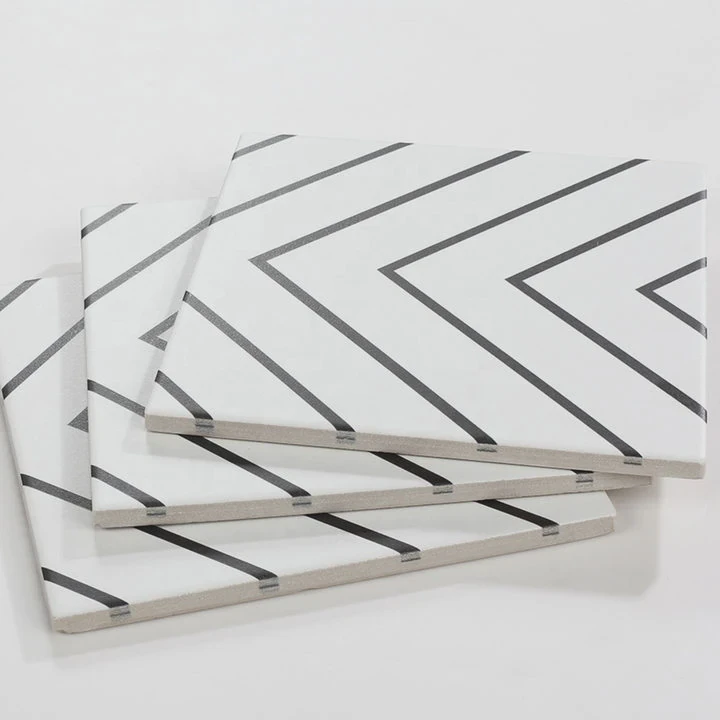
Many people assume porcelain and ceramic tiles are completely different products. In reality, porcelain is a specialized type of ceramic tile with stricter performance standards.
Ceramic tiles are made from clay and other natural materials fired at high temperatures, while porcelain tiles use more refined clay and are fired at even higher temperatures, creating a denser and less porous product.
The key difference begins during manufacturing. Both products belong to the ceramic tile family. However, the composition and firing process create very different results.
Raw Material Differences
Manufacturers use natural minerals and clay for both tile types. The difference lies in the quality and refinement of these materials.
Porcelain typically contains:
- More refined clay
- Finer particles
- Higher mineral purity
- More feldspar content
Standard ceramic tile often contains:
- Coarser clay blends
- Less refined materials
- More variation in composition
Manufacturing Process Comparison
The firing temperature plays a major role in tile performance.
| Feature | Ceramic Tile | Porcelain Tile |
|---|---|---|
| Clay Refinement | Standard | Highly Refined |
| Firing Temperature | High | Higher |
| Density | Moderate | High |
| Water Absorption | Higher | Very Low |
| Durability | Good | Excellent |
As firing temperatures increase, the tile body becomes harder and more compact.
Performance Characteristics
The manufacturing process affects how the tile performs in daily use.
Ceramic tiles often provide:
- Easier cutting
- Lower cost
- Wide design options
- Good indoor performance
Porcelain tiles often provide:
- Greater strength
- Better moisture resistance
- Higher wear resistance
- Better outdoor suitability
Why Classification Matters
Understanding tile classification helps buyers select products based on actual performance rather than appearance alone.
For example, a bathroom wall may perform perfectly with ceramic tile. A busy shopping center floor may require porcelain because of heavier foot traffic.
Common Buyer Misconceptions
One misconception is that porcelain always looks better than ceramic. Appearance alone does not determine quality.
Modern manufacturing allows both materials to mimic:
- Natural stone
- Marble
- Wood
- Concrete
- Metal
In many cases, visual differences are almost impossible to identify from the surface alone.
Practical Selection Considerations
When evaluating tile properties, buyers should consider:
| Project Requirement | Ceramic | Porcelain |
|---|---|---|
| Budget Projects | Excellent | Good |
| High Traffic Areas | Good | Excellent |
| Exterior Use | Limited | Excellent |
| Moisture Exposure | Good | Excellent |
The most important point is that porcelain achieves its superior performance through stricter manufacturing standards. While both products belong to the ceramic family, porcelain offers enhanced technical properties that make it suitable for more demanding environments.
How Can Absorption Rate Indicate Tile Type?
A tile’s water absorption rate is one of the most reliable ways to distinguish ceramic from porcelain. Industry standards often use this measurement as a key classification factor.
Porcelain tiles absorb less than 0.5% of their weight in water, while ceramic tiles generally absorb more. Lower water absorption indicates a denser and more compact tile structure.
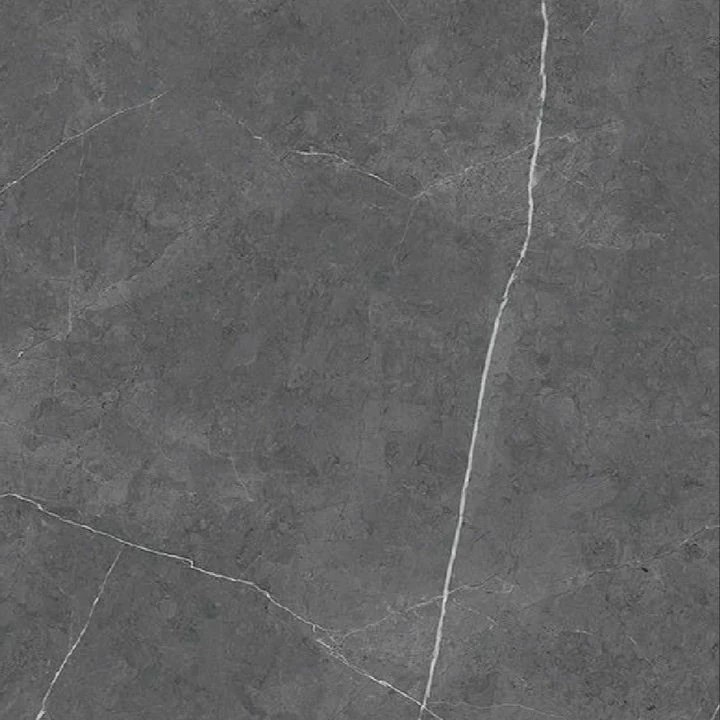
Water absorption affects much more than moisture resistance. It also influences durability, frost resistance, and long-term performance.
Understanding Water Absorption
Every tile contains microscopic pores.
The number and size of these pores determine how much water can enter the tile body.
When a tile absorbs water, it may become more vulnerable to:
- Freeze-thaw damage
- Staining
- Structural weakening
- Surface deterioration
Industry Standards
Porcelain classification is often based on absorption performance.
| Tile Type | Water Absorption Rate |
|---|---|
| Porcelain | Less than 0.5% |
| Ceramic | Above 0.5% |
| Non-Vitreous Ceramic | Higher Levels |
This threshold is one of the most widely accepted distinctions in the tile industry.
Simple Field Inspection
While laboratory testing provides the most accurate results, some practical observations may offer clues.
For example:
- Porcelain usually dries more slowly after soaking because less water enters the tile.
- Ceramic may absorb moisture more visibly along unfinished edges.
These observations are not definitive but can provide useful indicators.
Why Low Absorption Matters
Low absorption improves performance in challenging environments.
Examples include:
- Outdoor installations
- Swimming pool areas
- Commercial kitchens
- Bathrooms
- Cold climates
Porcelain performs especially well because very little water penetrates the tile body.
Relationship Between Absorption And Durability
A lower absorption rate generally indicates a more compact internal structure.
This often results in:
- Higher strength
- Better wear resistance
- Improved frost resistance
- Greater long-term stability
Absorption And Installation Decisions
Contractors frequently evaluate moisture exposure before selecting tile materials.
| Installation Area | Recommended Choice |
|---|---|
| Interior Wall | Ceramic or Porcelain |
| Kitchen Floor | Porcelain Preferred |
| Bathroom Floor | Porcelain Preferred |
| Exterior Patio | Porcelain Strongly Recommended |
Why Buyers Should Care
Many customers focus primarily on color and design. However, performance often matters more over the life of the project.
A tile that absorbs less water usually withstands more demanding conditions.
For importers, distributors, and project contractors, understanding absorption rates helps avoid installation failures and customer complaints. The water absorption test remains one of the clearest technical methods for identifying whether a tile is ceramic or porcelain.
Why Does Density Differ Between These Tiles?
Many buyers notice that porcelain tiles feel heavier and stronger than ceramic tiles. This difference comes directly from the manufacturing process and internal structure.
Porcelain tiles are denser because they use finer raw materials and are fired at higher temperatures, creating a tightly packed structure with fewer pores than standard ceramic tiles.
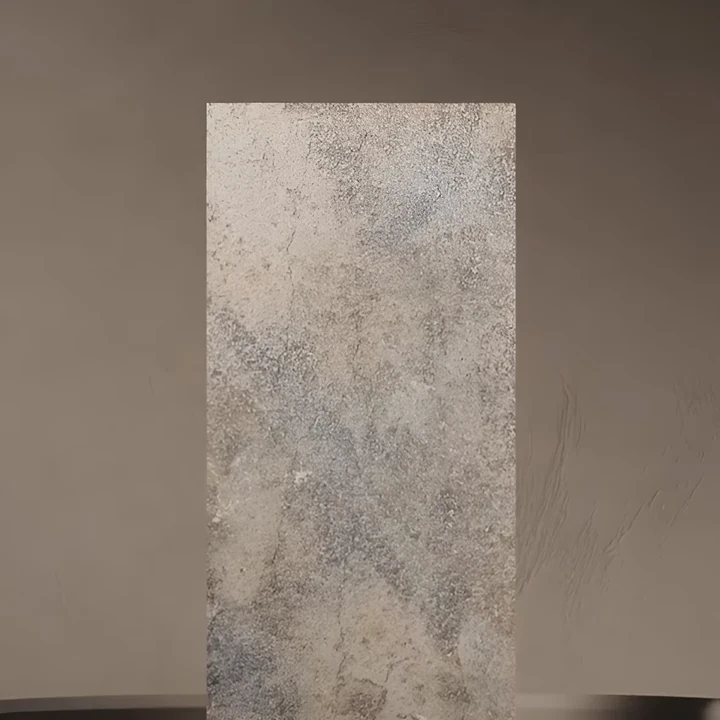
Density is one of the most important factors affecting tile performance.
What Density Means
Density refers to how tightly the particles inside the tile are packed together.
Higher density generally means:
- Greater strength
- Lower water absorption
- Better durability
- Improved impact resistance
Manufacturing Impact
The firing process transforms raw clay into a hard ceramic body.
Porcelain experiences:
- Greater compression
- Higher firing temperatures
- More complete vitrification
These factors reduce internal voids and create a compact structure.
Density Comparison
| Property | Ceramic Tile | Porcelain Tile |
|---|---|---|
| Internal Pores | More | Fewer |
| Density | Lower | Higher |
| Weight | Lighter | Heavier |
| Strength | Good | Excellent |
How Density Affects Everyday Performance
Dense tiles resist damage better in demanding environments.
Examples include:
- Shopping centers
- Hotels
- Airports
- Commercial buildings
- High-traffic homes
The dense body helps porcelain maintain its appearance despite constant use.
Edge Examination
One practical method involves inspecting a cut edge.
A dense porcelain body often appears:
- Fine-grained
- Uniform
- Compact
Ceramic bodies may appear:
- Slightly coarser
- More porous
- Less uniform
Impact On Installation
Density affects installation procedures as well.
Porcelain often requires:
- Stronger cutting tools
- Higher-quality blades
- More installation time
Ceramic generally cuts more easily.
Cost Implications
The additional manufacturing requirements contribute to higher production costs.
Factors include:
- More refined materials
- Higher energy consumption
- Longer firing processes
- Stricter quality standards
These factors often make porcelain more expensive than ceramic.
Long-Term Value
While porcelain may cost more initially, the enhanced density often leads to:
- Longer service life
- Reduced maintenance
- Better durability
For many commercial projects, these benefits outweigh the higher purchase price.
The difference in density is not simply a technical detail. It directly influences performance, durability, installation methods, and overall project value. Understanding density helps buyers choose the most suitable material for each application.
Which Visual Clues Reveal Tile Material?
Many people want a quick way to identify tile type without laboratory testing. While visual inspection cannot guarantee accuracy, several clues often help distinguish ceramic from porcelain.
Visual clues such as tile edge color, body consistency, weight, surface wear patterns, and cut-edge appearance can often indicate whether a tile is ceramic or porcelain.
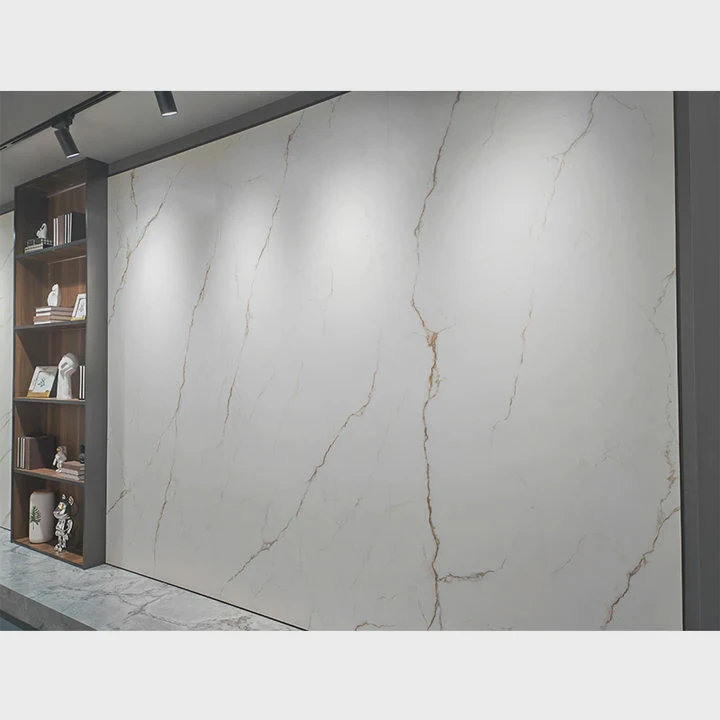
Visual inspection works best when multiple clues are evaluated together.
Examine The Tile Edge
One of the most useful indicators is the exposed edge.
Porcelain often shows:
- Consistent color throughout
- Uniform internal structure
- Dense appearance
Ceramic frequently shows:
- Different body color beneath the glaze
- More visible pores
- Less uniform texture
Look For Through-Body Color
Many porcelain products feature color running through the entire tile body.
This design helps hide chips and wear.
For example:
| Characteristic | Ceramic | Porcelain |
|---|---|---|
| Through-Body Color | Less Common | More Common |
| Uniform Structure | Moderate | High |
| Visible Pores | More Likely | Less Likely |
Observe Surface Wear
Over time, wear patterns may reveal clues.
When glazed ceramic chips, the body underneath may contrast sharply with the surface color.
Many porcelain products show less obvious contrast because the material remains more consistent throughout.
Compare Weight
If two similarly sized tiles are available, weight can provide a useful hint.
Porcelain often feels:
- Heavier
- More solid
- More compact
Ceramic often feels:
- Slightly lighter
- Less dense
Check Product Labels
Visual inspection should be combined with product documentation whenever possible.
Manufacturers often specify:
- Porcelain classification
- Water absorption rating
- Technical standards
- Intended applications
Common Mistakes When Identifying Tiles
Many buyers rely only on surface appearance.
This can be misleading because modern printing technology allows both materials to replicate:
- Marble
- Wood
- Stone
- Concrete
Even experienced professionals sometimes struggle to identify tile type from the surface alone.
Combining Multiple Clues
The most reliable visual evaluation uses several observations together.
| Inspection Method | Reliability |
|---|---|
| Surface Appearance Only | Low |
| Edge Examination | Medium |
| Weight Comparison | Medium |
| Product Label Review | High |
| Laboratory Testing | Very High |
The Best Practical Approach
For existing installations, edge inspection and weight comparison often provide the best clues.
For new purchases, technical specifications remain the most reliable source of information.
When buyers combine visual observations with manufacturer data, they can identify tile materials with much greater confidence. This approach reduces uncertainty and helps ensure the selected tile matches the performance requirements of the project.
Conclusion
Ceramic and porcelain tiles may appear similar, but important differences exist in absorption rate, density, manufacturing methods, and performance. By examining water absorption, tile edges, weight, and technical specifications, buyers can accurately distinguish between the two materials and choose the right option for their project.
- Pre: Can I Paint My Tile Backsplash?
- Next: Sorry!