How to Lay Tile?
- Sinotiles
- 2026-03-09
Laying tile can feel overwhelming if you’re not sure where to start. Mistakes can lead to uneven surfaces or wasted materials.
Proper planning and understanding of techniques make tile installation easier and more visually appealing. Knowing the right tools, layouts, and materials helps ensure durable results.
Getting started with tile is not just about sticking pieces to the floor. Each choice affects the final look and how long it lasts. Let’s explore the key aspects of tile installation.
Which layout patterns maximize visual appeal?
Visual appeal starts with the right layout. Randomly placing tiles often looks messy and unplanned.
Choosing the right pattern improves the room’s balance and style. Classic layouts like straight, diagonal, or herringbone each create a unique aesthetic and can highlight room features.
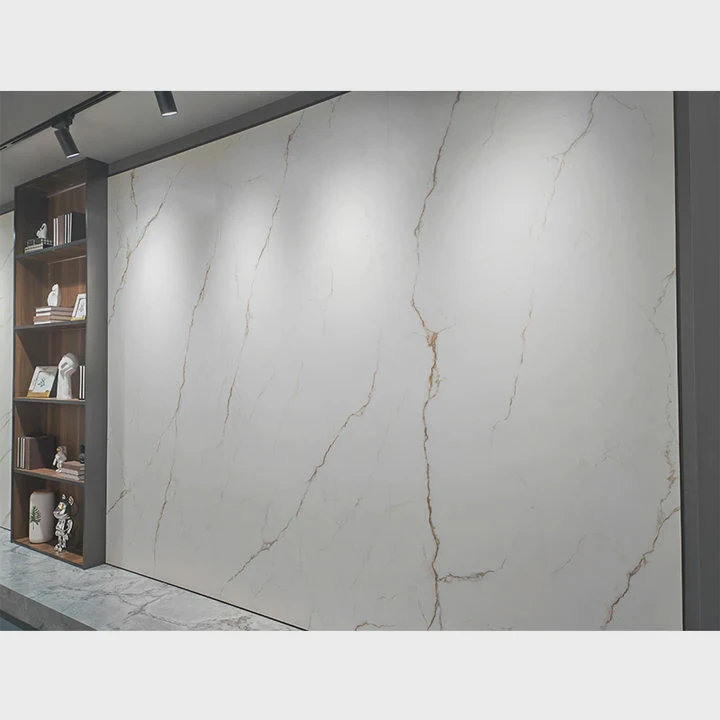
When thinking about layout, consider the room size and the focal point. Large rooms benefit from straight or grid patterns because they provide symmetry. Smaller spaces often look bigger with diagonal layouts, as diagonal lines draw the eyes outward. Herringbone and chevron patterns add texture and a modern touch, especially in hallways or living rooms.
Popular layout patterns
| Pattern | Description | Best For |
|---|---|---|
| Straight/Stacked | Tiles aligned in rows and columns | Simple, modern look |
| Diagonal | Tiles placed at 45-degree angle | Makes small spaces appear larger |
| Herringbone | Rectangular tiles in zigzag | Adds movement and style |
| Brick/Offset | Tiles staggered like bricks | Reduces visual seams |
| Chevron | V-shaped interlocking tiles | Modern, elegant spaces |
Layout affects both style and practicality. Using large tiles in a busy pattern can overwhelm a small space. In contrast, small tiles in a simple layout may look neat but not striking. Planning includes measuring the room, marking guidelines, and dry-laying tiles to test the look.
Choosing grout color is also important. Contrasting grout highlights patterns, while matching grout creates a subtle, unified look. Designers often consider natural light and wall colors to ensure the layout enhances the room instead of clashing with existing decor.
How do spacers affect tile alignment?
Even small gaps can make tiles look crooked. Without proper spacing, grout lines will be uneven and unprofessional.
Tile spacers create uniform gaps between tiles, ensuring straight lines and consistent grout width. They are crucial for a polished finish.
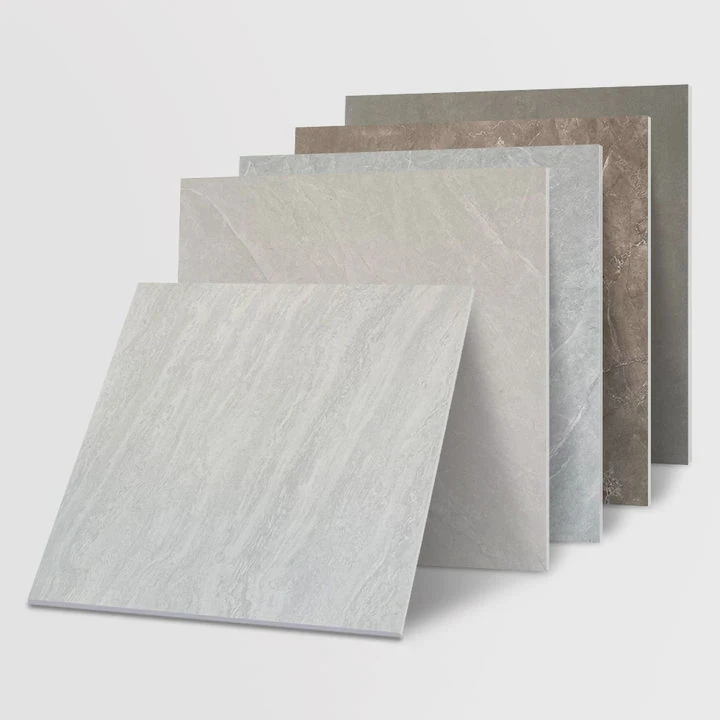
Spacers are simple plastic pieces that sit between tiles during installation. They come in different sizes, usually 1⁄16, 1⁄8, 1⁄4, or 3⁄8 inches, depending on tile size and desired grout width.
Benefits of using spacers
- Maintain even spacing between tiles
- Help align tiles along straight lines
- Reduce errors in cutting and fitting
- Ensure consistent grout application
How to choose the right spacer
| Tile Size | Recommended Spacer | Notes |
|---|---|---|
| Small (4–6 inch) | 1⁄16”–1/8” | Avoid oversized gaps |
| Medium (12 inch) | 1⁄8”–3/16” | Balanced look |
| Large (24 inch +) | 1⁄4” | Allows for expansion |
Spacers are removed after the adhesive has set, before grouting. Over-tight spacing can cause tiles to press together and crack. Too wide can make grout stand out too much. Consistent use during installation prevents uneven edges and keeps patterns aligned, especially in complex layouts like herringbone.
Spacers also help during wall tiling. They ensure vertical alignment and help maintain level lines, reducing the need to adjust tiles later. Skipping spacers may seem faster, but it often leads to costly corrections and an uneven final appearance.
Can underlayment improve tile longevity?
Skipping underlayment may save time, but it often shortens tile lifespan. Subfloors can shift, causing cracks or loose tiles.
Proper underlayment provides a stable, moisture-resistant surface, reducing the risk of tile movement and improving durability.
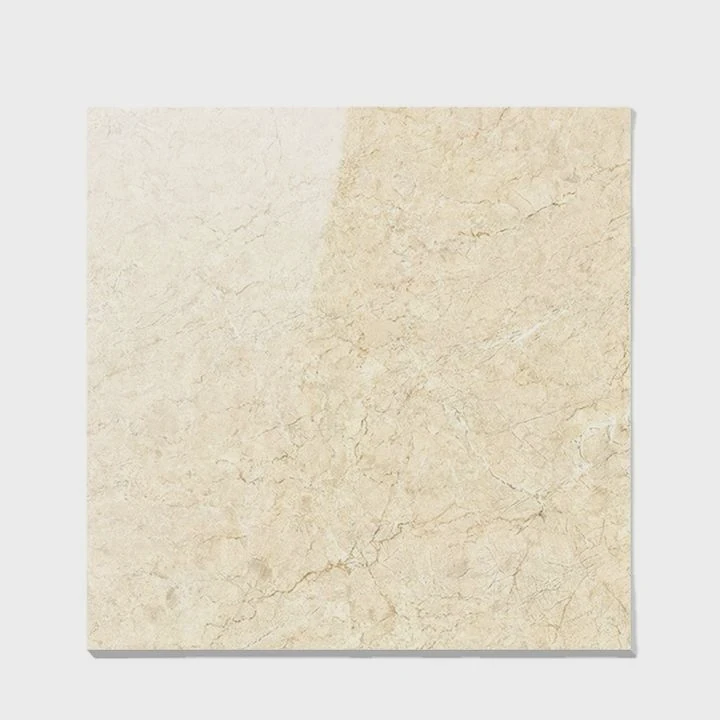
Underlayment acts as a buffer between the subfloor and tiles. It can be cement backer board, uncoupling membranes, or foam panels depending on the floor type.
Advantages of underlayment
- Reduces cracking from subfloor movement
- Provides moisture protection
- Enhances adhesive bonding
- Levels minor floor imperfections
Types of underlayment
| Type | Features | Best For |
|---|---|---|
| Cement Backer Board | Rigid, water-resistant | Bathrooms, kitchens |
| Uncoupling Membrane | Flexible, crack prevention | Concrete or plywood floors |
| Foam Panels | Lightweight, easy to cut | Residential projects |
Underlayment also improves sound insulation and adds slight cushioning. It helps tiles adhere more evenly and prevents adhesive failure over time. When using large-format tiles, underlayment is critical because it spreads weight evenly and reduces stress points.
Proper installation includes cutting underlayment to fit, securing it with screws or adhesive, and sealing seams with tape or mesh. Skipping these steps increases the chance of tiles loosening, especially in areas with heavy foot traffic or temperature changes.
What are common mistakes when laying tile?
Even small errors can ruin a finished tile project. Misaligned tiles or inconsistent grout can make the floor look amateurish.
Common mistakes include poor planning, uneven surfaces, skipping spacers, improper adhesive use, and ignoring underlayment. Avoiding these ensures a professional, long-lasting finish.
Mistakes usually happen when installers rush. One common issue is not checking floor level before laying tiles. Uneven subfloors cause tiles to rock and grout to crack. Another is using the wrong adhesive or too little, leading to tiles lifting later.
Frequent installation errors
| Mistake | Effect | Prevention |
|---|---|---|
| Uneven subfloor | Tiles rock, grout cracks | Level floor first |
| Skipping spacers | Uneven grout lines | Use correct size spacers |
| Wrong adhesive | Poor bonding | Match adhesive to tile type |
| Poor layout planning | Crooked tiles, wasted cuts | Dry lay tiles first |
| Ignoring expansion | Tiles crack | Leave gap at walls |
Cutting mistakes are also common, especially around corners or fixtures. Measuring twice and using a proper tile cutter prevents errors.
Temperature and moisture matter too. Installing tiles in extreme temperatures or on wet subfloors can cause adhesive failure. It’s better to plan installation during mild conditions and ensure surfaces are dry.
Patience is key. Taking time to align tiles, check levels, and verify spacing prevents problems. Even a small misstep in layout or adhesive can be costly, requiring redoing sections. Good habits during installation save time and money in the long run.
Tips to avoid mistakes
- Always dry-lay tiles before sticking
- Use spacers consistently
- Check level and plumb frequently
- Select proper adhesive and grout
- Prepare subfloor with underlayment if needed
- Leave expansion gaps along walls
- Clean excess adhesive immediately
By focusing on planning, alignment, and preparation, most common tile mistakes can be avoided. This ensures both visual appeal and longevity for your floors or walls.
Conclusion
Laying tile is manageable with careful planning, proper tools, and attention to detail. Using spacers, choosing layouts, adding underlayment, and avoiding common mistakes ensures beautiful, long-lasting results.