How to Install Vinyl Tile Planks?
- Sinotiles
- 2026-03-09
Installing vinyl tile planks can seem tricky. Many people struggle with uneven surfaces or misaligned planks.
Proper installation starts with surface prep, choosing the right adhesive, and precise alignment. Each step ensures your vinyl floor lasts for years.
Getting it right can save time, money, and frustration. Let’s explore each step in detail.
What subfloor prep is needed for vinyl planks?
Vinyl planks need a smooth, clean, and dry subfloor. Any bumps or debris can ruin the finish or cause planks to lift.
Subfloor prep ensures your vinyl tiles sit flat, preventing gaps and long-term damage.
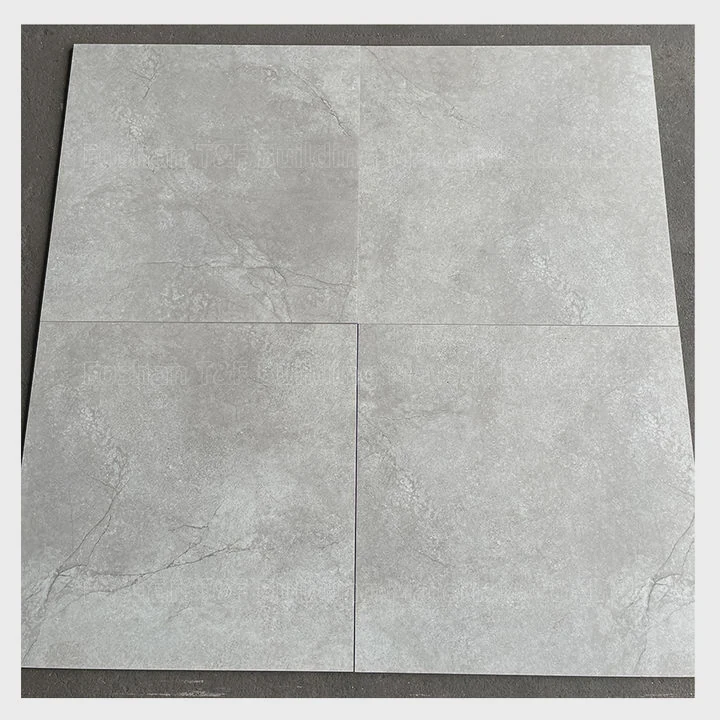
Proper subfloor prep begins with cleaning. Sweep and vacuum to remove dust. For older floors, repair cracks or holes. Concrete floors may need patching and leveling compounds. Wooden subfloors must be stable, with no squeaks or loose boards. Moisture is another concern. Use a moisture barrier if needed. Vinyl reacts poorly to water trapped underneath. A damp floor can cause bubbles or curling. Sanding rough areas ensures planks lay flat. For large gaps or uneven spots, use a leveling compound. This prevents uneven wear and improves durability. Subfloor prep also includes checking floor height transitions. If vinyl meets tile or hardwood, ensure edges are smooth for a uniform finish. Small mistakes here can create long-term problems. Even minor bumps can make planks lift over time. For DIY projects, I always double-check the floor with a straightedge. It helps spot high or low points that need fixing. After prep, clean the floor again. Any leftover dust can interfere with adhesives or click-lock systems. Finally, measure the room. This helps plan layout and minimize waste. Proper prep takes effort, but it is critical. Skipping steps often leads to lifting planks or gaps forming quickly. A smooth, dry, and stable surface is the foundation of a long-lasting vinyl floor.
Subfloor Prep Checklist
| Step | Action | Notes |
|---|---|---|
| Clean | Sweep, vacuum | Remove all dust and debris |
| Repair | Fill cracks, holes | Use leveling compound if needed |
| Sand | Smooth rough spots | Prevent uneven planks |
| Check moisture | Test for dampness | Use moisture barrier if required |
| Measure | Room layout | Plan plank placement |
Which adhesives ensure long-lasting vinyl flooring?
Choosing the right adhesive prevents planks from moving or curling over time. Not all adhesives are the same.
Use high-quality vinyl adhesives designed for plank floors to ensure a secure, long-lasting installation.
Vinyl adhesives come in various types: pressure-sensitive, wet-set, and peel-and-stick. Pressure-sensitive adhesives are common for DIY. They allow repositioning before final placement. Wet-set adhesives are for commercial or high-traffic areas. They form a strong bond but need fast, precise work. Peel-and-stick planks have pre-applied adhesive. They are easy to use but require perfect subfloor prep. Always check the manufacturer’s recommendation. Some vinyl planks require specific adhesives for warranty coverage. Apply adhesive evenly. Use a trowel if required. Uneven adhesive can create bumps or weak spots. Let adhesive cure before walking on the floor. This prevents shifting or curling. Temperature also matters. Install in recommended conditions, usually between 18–27°C (65–80°F). Improper adhesive or wrong conditions often lead to bubbling, peeling, or reduced lifespan. I recommend testing a small area before full installation. This confirms adhesion and compatibility with the subfloor.
Common Vinyl Adhesives Comparison
| Adhesive Type | Best Use | Pros | Cons |
|---|---|---|---|
| Pressure-Sensitive | Residential, DIY | Easy repositioning, forgiving | Weaker bond in wet areas |
| Wet-Set | Commercial, high traffic | Strong, durable | Fast application, professional skill needed |
| Peel-and-Stick | DIY, quick projects | Simple, no trowel needed | Sensitive to subfloor prep, may lift |
How to align vinyl planks for a uniform look?
Plank alignment affects the floor’s final appearance. Misaligned planks look uneven and unprofessional.
Start from a central point and work outward, staggering seams for a balanced and natural look.

Alignment begins with measuring the room and marking a centerline. This ensures the floor is symmetrical. Dry-lay a few rows to check fit and pattern. Stagger plank seams to mimic hardwood layouts. Avoid lining seams directly in a straight row. Staggering adds strength and hides minor errors. Use spacers near walls if needed. Maintain expansion gaps around the edges. Vinyl expands slightly with temperature changes. Gaps prevent buckling. Check each row with a level or straightedge. Even small misalignments compound across the room. Cutting planks for edges requires accuracy. Measure twice, cut once. A sharp utility knife or vinyl cutter works best. Snap-lock systems require careful alignment during clicks. Press firmly along seams to lock planks completely. Inspect as you go. If a plank doesn’t sit right, adjust immediately. Once adhesive sets or planks lock, movement is difficult. Lighting also matters. Inspect from multiple angles to catch uneven rows or gaps. Proper alignment improves aesthetics and longevity, creating a floor that looks professional and polished.
Staggering Pattern Example
| Row | Plank Placement | Offset |
|---|---|---|
| 1 | Full planks | 0 cm |
| 2 | Cut plank start | 30 cm |
| 3 | Full planks | 0 cm |
| 4 | Cut plank start | 30 cm |
Can vinyl planks be installed over existing tiles?
Installing over old tiles can save time, but it requires care. Uneven tiles can cause issues.
Vinyl can go over tiles if the surface is stable, level, and clean, avoiding removal and extra cost.
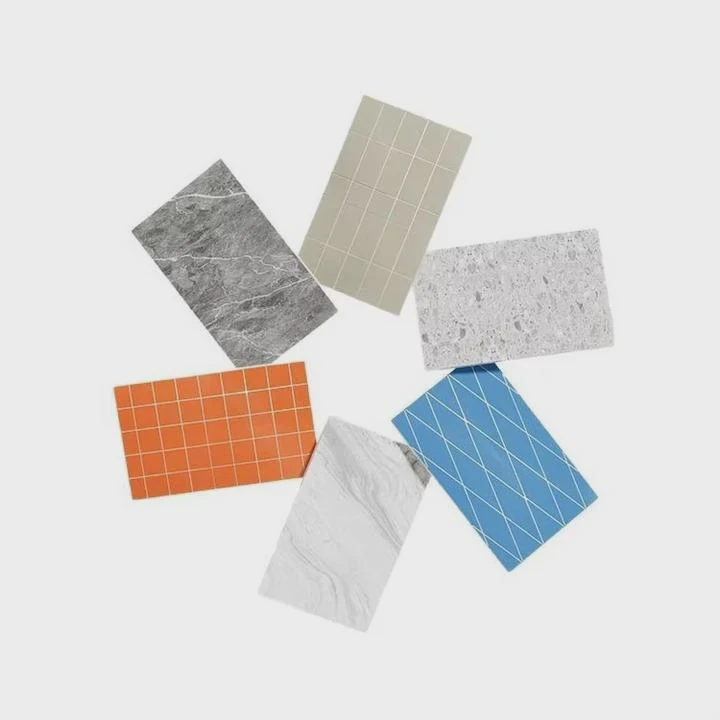
Before installing over tiles, inspect the floor. Loose or cracked tiles must be removed or repaired. Deep grout lines may need leveling compound. Uneven tile surfaces create bumps in vinyl planks. Clean thoroughly to remove dirt, grease, or wax. This improves adhesion. Use a primer or adhesive recommended for over-tile installations. Some vinyl adhesives are designed specifically for this purpose. Expansion gaps are still needed around the room perimeter. Consider underlayment. A thin underlayment can smooth minor imperfections, reduce sound, and add comfort. Test a small area first. Some tiles may not bond well with certain adhesives or vinyl types. Avoid high-moisture areas. Water trapped under vinyl over tiles can cause lifting. For large or commercial projects, removal may be safer. Over-tile installation is quick but requires careful prep. Properly prepared, it saves time and cost while providing a smooth, durable finish. I usually mark problem areas before laying planks. This helps plan cuts and adhesive placement efficiently.
Over-Tile Installation Tips
| Step | Action | Note |
|---|---|---|
| Inspect | Check tiles for cracks | Remove loose tiles |
| Level | Fill grout lines | Smooth surface |
| Clean | Remove grease, dirt | Essential for adhesion |
| Prime | Use recommended primer | Enhances bond |
| Lay | Follow normal plank installation | Maintain expansion gaps |
Conclusion
Installing vinyl tile planks is simple with the right prep, adhesive, and alignment. Proper steps ensure durability and a clean, professional look that lasts.
- Pre: How to Cut Tile?
- Next: How to Lay Tile?