How to Make Suction Cups Stick to Tile?
- Sinotiles
- 2026-05-28
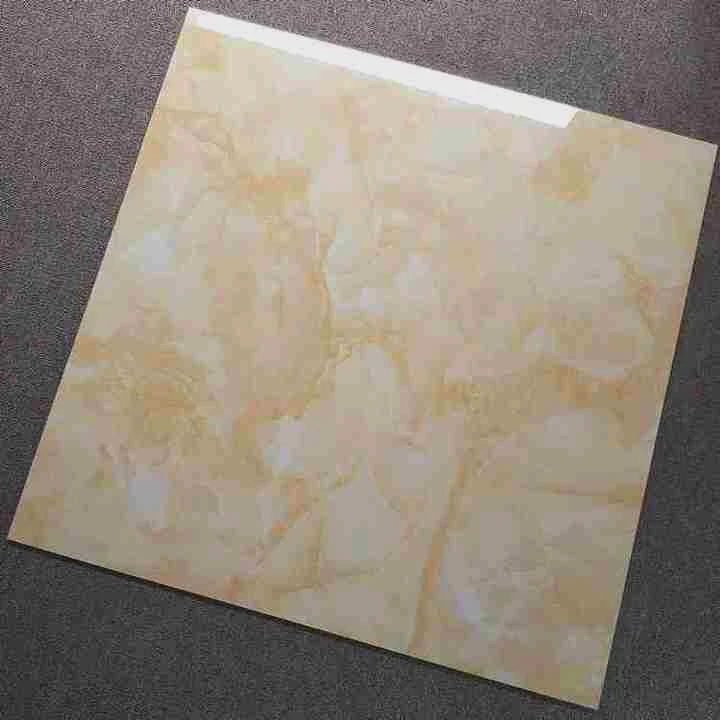
Suction cups often fall off tile walls without warning. Many people become frustrated when bathroom organizers, hooks, or soap holders keep slipping after only a few hours. Poor adhesion can damage products and create unnecessary stress.
The best way to make suction cups stick to tile is to clean the surface properly, use slight moisture, remove trapped air completely, and avoid rough or textured tiles that weaken suction strength.
Many homeowners assume suction cups fail because of poor product quality alone. In reality, tile condition, humidity, temperature, and installation methods all affect suction performance. Small adjustments can make suction cups hold much longer and more securely.
What Methods Improve Suction Cup Adhesion on Tile?
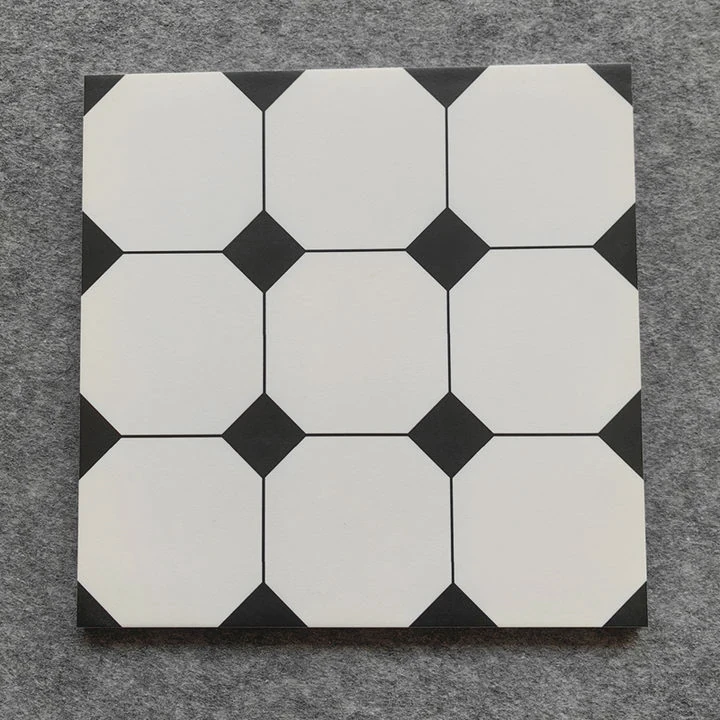
Many suction cups lose grip because they are applied too quickly or onto unsuitable tile surfaces. People often press them against dusty or textured tiles and expect long-term performance. The result is usually disappointment within hours or days.
The most effective methods for improving suction cup adhesion include cleaning the tile carefully, applying slight moisture, warming the suction cup, pressing firmly, and choosing smooth glazed tile surfaces.
Why Smooth Tile Surfaces Work Better
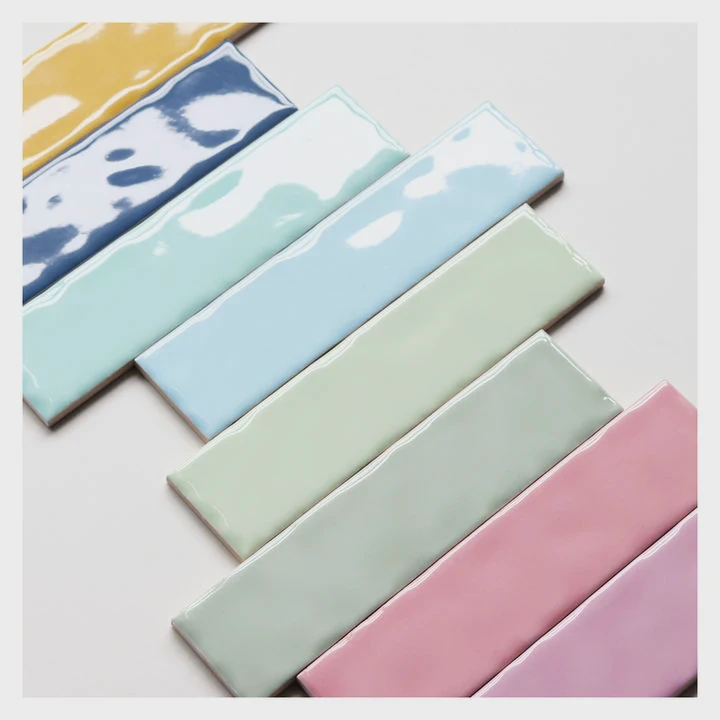
Smooth glazed tiles create a tighter seal than textured surfaces. Suction cups depend on air pressure differences to stay attached. Rough tile surfaces allow tiny air leaks that slowly weaken the grip.
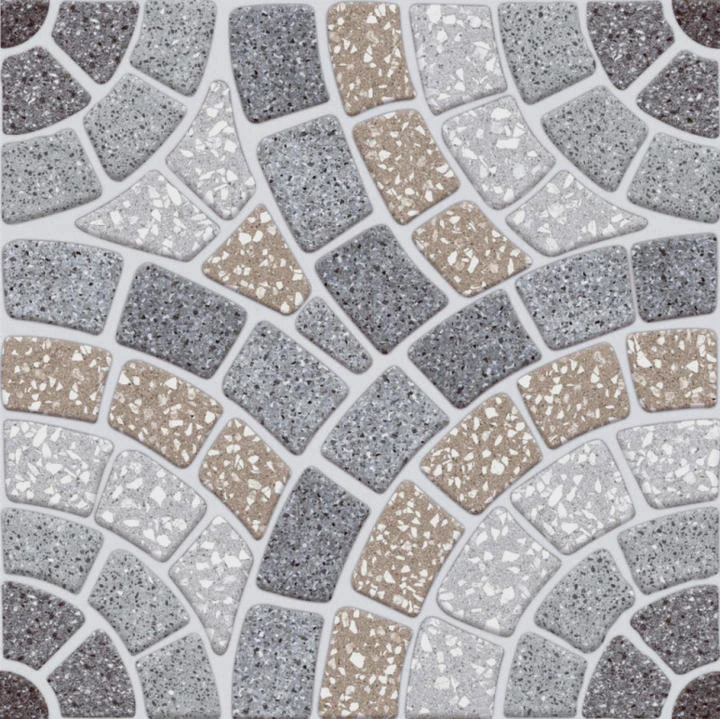
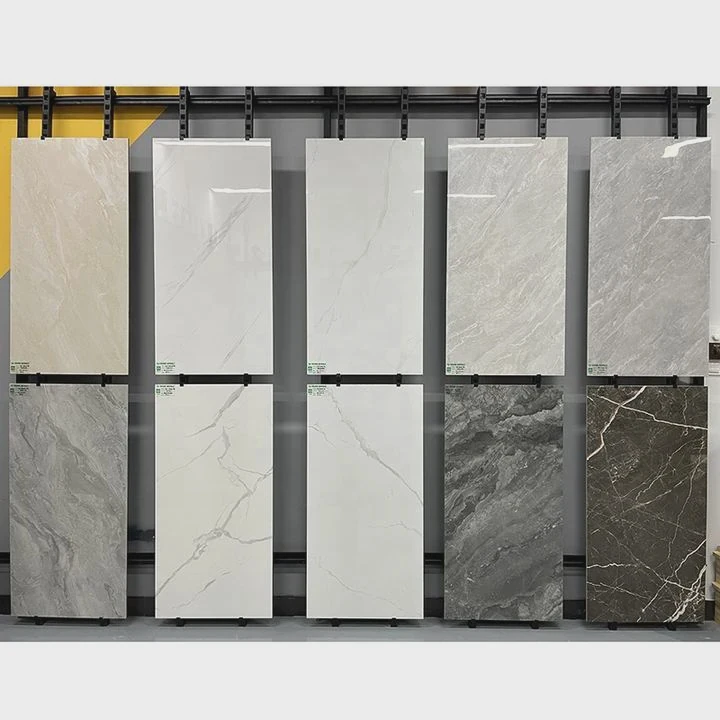
Large-format polished tiles usually provide the best results because the surface remains flat and even. Matte or heavily textured tiles often reduce holding strength.
This is why many bathroom accessories work better on glossy ceramic or porcelain tiles.
Pressing Technique Matters
Many people simply place the suction cup against the wall and hope it stays. Proper pressure is important because trapped air weakens suction.
Professional installers usually press from the center outward. This movement pushes out hidden air pockets and creates a stronger vacuum seal.
Holding pressure for several seconds also improves initial bonding.
Warming the Suction Cup Before Use
Cold suction cups can become stiff and less flexible. Warm material adapts better to the tile surface.
Some installers place suction cups in warm water for a few minutes before installation. This softens the edges and improves surface contact.
The method is especially helpful during winter or in air-conditioned spaces.
Using Thin Support Layers
In some cases, transparent mounting discs help create a smoother attachment surface. These discs stick directly onto textured tile and provide a flat area for the suction cup.
This method is useful for stone-look tiles or decorative wall finishes.
Below is a comparison of common adhesion improvement methods:
| Method | Main Benefit | Best Situation |
|---|---|---|
| Surface cleaning | Removes dust and oils | All tile surfaces |
| Warm water treatment | Softens suction cup | Cold environments |
| Moisture application | Improves airtight seal | Dry surfaces |
| Mounting disc | Creates smooth surface | Textured tiles |
| Firm pressure | Removes trapped air | Initial installation |
Weight Distribution Affects Adhesion
Heavy bathroom accessories often fail because too much weight pulls downward on the suction cup.
Double suction systems distribute weight more evenly and reduce stress on individual cups.
Lighter loads naturally remain attached longer.
Tile Joint Placement Should Be Avoided
Grout lines interrupt the vacuum seal completely. Even partial overlap with grout weakens adhesion.
Suction cups should always sit fully on one flat tile surface whenever possible.
This small detail often determines whether the product lasts for hours or months.
How Can Surface Cleaning Enhance Suction Performance?
Dirty tile surfaces are one of the biggest reasons suction cups fail. Soap residue, dust, oils, and hard water stains create invisible barriers between the suction cup and the tile.
Surface cleaning enhances suction performance by removing contaminants that prevent airtight contact between the suction cup and the tile surface. Clean tiles allow stronger and longer-lasting vacuum pressure.
Why Invisible Dirt Causes Problems
Even tiles that appear clean may contain thin layers of soap film or grease. Bathrooms are especially challenging because moisture constantly mixes with dust and cleaning products.
These thin residues break the seal slowly over time.
Many people blame weak suction cups when the actual issue is poor surface preparation.
Best Cleaning Materials
Simple cleaning methods usually work best. Warm water and mild soap remove most surface contaminants effectively.
For stubborn buildup, rubbing alcohol helps remove oils and leaves fewer residues than some household cleaners.
Microfiber cloths are useful because they trap dust instead of spreading it around.
Avoiding Residue From Cleaners
Some cleaning sprays leave protective coatings behind. While these products make tiles shine, they can reduce suction performance.
Wax-based products are especially problematic because suction cups cannot grip slippery surfaces properly.
After cleaning, the tile should feel smooth but not greasy.
Drying the Surface Properly
Many people clean the tile but forget to dry it completely before installation. Excess water can weaken the seal if large droplets remain trapped underneath.
A slightly damp surface often helps, but standing water usually causes problems.
Below is a comparison of cleaning approaches:
| Cleaning Method | Advantages | Limitations |
|---|---|---|
| Warm water and soap | Safe and simple | May not remove oils fully |
| Rubbing alcohol | Removes grease effectively | Strong smell |
| Vinegar solution | Good for hard water stains | Acidic odor |
| Glass cleaner | Quick cleaning | Some leave residue |
| Microfiber cloth | Dust-free finish | Requires washing |
Regular Maintenance Improves Longevity
Even well-installed suction cups may weaken over time as dust and humidity build up.
Periodic cleaning restores performance and helps prevent sudden failure.
Many commercial cleaning crews remove and reinstall suction accessories during routine maintenance for this reason.
Bathroom Conditions Require Extra Attention
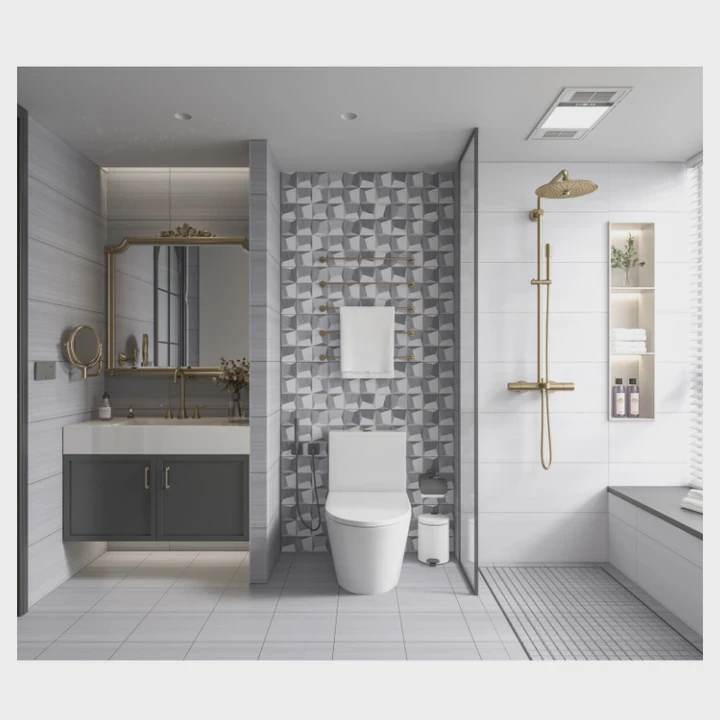
Bathrooms experience constant moisture changes. Steam from showers creates mineral deposits and soap residue faster than most other rooms.
Frequent cleaning becomes more important in these environments.
Proper surface preparation often extends suction performance far more than buying stronger suction cups alone.
Why Moisture Helps Suction Cups Stick Better?
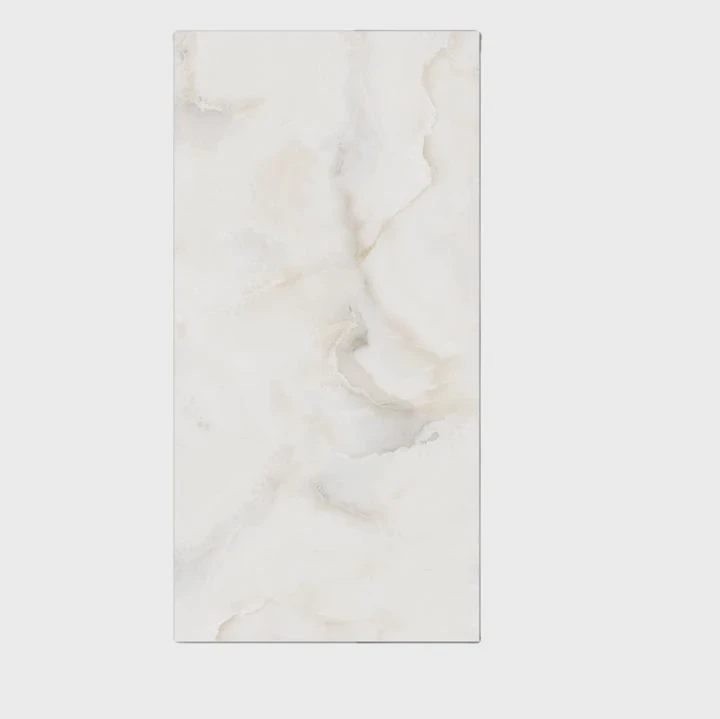
Many people notice that suction cups sometimes hold better after becoming slightly wet. This seems strange because water usually weakens adhesives and bonding materials.
Moisture helps suction cups stick better because a thin layer of water improves surface contact, reduces tiny air gaps, and creates a stronger temporary seal between the cup and the tile.
How Suction Actually Works
Suction cups do not use glue. They work by removing air between the cup and the surface.
When pressure inside the cup becomes lower than outside air pressure, the surrounding air pushes the cup tightly against the tile.
Tiny gaps allow air to leak back inside and weaken the seal.
Water Helps Fill Microscopic Gaps
Tile surfaces that look smooth may still contain microscopic imperfections. A very thin moisture layer fills these tiny spaces and improves contact.
This creates a more complete vacuum seal.
The effect is similar to how wet glass sometimes sticks together more strongly than dry glass.
Too Much Water Causes Failure
A small amount of moisture helps, but excessive water weakens adhesion. Large water droplets create movement underneath the suction cup.
This movement slowly allows air to enter.
The goal is a thin film of moisture, not a soaked surface.
Humidity and Bathroom Environments
Bathrooms naturally contain more humidity than other rooms. Moderate humidity can help maintain flexible suction cup material.
Extremely dry environments may cause rubber cups to stiffen and lose effectiveness over time.
Temperature also affects how moisture behaves during installation.
Warm Water Often Improves Results
Warm water softens the suction cup material slightly while also providing the moisture needed for sealing.
Many installers combine both benefits by rinsing suction cups briefly in warm water before mounting them.
This simple method often improves long-term holding strength.
Moisture Cannot Fix Surface Problems
Although moisture helps sealing, it cannot fully compensate for rough or uneven tile surfaces.
Highly textured stone-look tiles still create air leaks even when damp.
Below is a simple overview of moisture effects:
| Moisture Level | Effect on Adhesion | Result |
|---|---|---|
| Completely dry | Less flexible seal | Moderate grip |
| Slightly damp | Better surface contact | Strong grip |
| Excessively wet | Air leakage risk | Weak grip |
| Humid environment | Better flexibility | Improved durability |
| Standing water | Seal instability | Fast failure |
Controlled Moisture Works Best
Professional installers usually use only a few drops of water. The goal is consistency and balance.
Careful moisture control creates stronger suction while avoiding long-term slipping problems.
Which Factors Affect Suction Cup Durability?
Some suction cups stay attached for years, while others fail within days. Many users think durability depends only on manufacturing quality, but several environmental and installation factors also play major roles.
The main factors affecting suction cup durability include tile texture, temperature changes, humidity, material quality, weight load, sunlight exposure, and cleaning frequency.
Material Quality Changes Lifespan
Cheap suction cups often use low-grade plastic or rubber. These materials harden faster and lose flexibility over time.
Higher-quality silicone suction cups usually last longer because they remain flexible under changing temperatures.
Material flexibility is critical for maintaining airtight seals.
Temperature Fluctuations Affect Grip
Hot and cold cycles cause expansion and contraction. Repeated movement slowly weakens the seal.
Bathrooms with hot showers followed by air conditioning often create difficult conditions for long-term suction performance.
Extreme cold also makes suction cups brittle.
Sunlight and UV Exposure
Direct sunlight damages many rubber materials over time. UV exposure causes cracking, fading, and hardening.
Suction cups near windows often fail faster than those installed in shaded indoor areas.
This problem becomes more visible in kitchens and sunrooms.
Weight and Daily Use
Heavy accessories create constant downward force. Repeated movement from daily use also stresses the seal.
Towel holders, shower baskets, and storage racks experience more stress than lightweight decorative hooks.
Balanced weight distribution improves long-term durability significantly.
Tile Surface Condition
Not all tiles perform equally with suction systems. Smooth porcelain and glazed ceramic usually provide the strongest support.
Natural stone tiles often contain microscopic pores that allow gradual air leakage.
Below is a comparison of durability factors:
| Factor | Impact on Durability | Typical Result |
|---|---|---|
| Smooth tile | Strong seal | Longer lifespan |
| Rough texture | Air leakage | Short lifespan |
| High humidity | Flexible material | Better grip |
| UV exposure | Material damage | Faster failure |
| Heavy load | Increased stress | Reduced durability |
Maintenance Extends Product Life
Many people install suction cups and never inspect them again. Dust, soap buildup, and changing temperatures slowly weaken performance.
Regular cleaning and occasional repositioning help maintain suction quality.
Replacing old hardened suction cups before failure also prevents sudden accidents.
Proper Installation Is Still the Biggest Factor
Even expensive suction cups fail when installed incorrectly. Poor cleaning, trapped air, or uneven placement reduce durability immediately.
Careful installation usually matters more than product price alone.
Strong suction performance comes from combining good materials, clean surfaces, balanced weight, and proper environmental conditions.
Conclusion
Making suction cups stick to tile requires clean surfaces, proper pressure, slight moisture, and smooth tile finishes. Long-lasting performance depends on careful installation, balanced weight, and regular maintenance that keeps both the tile and suction cup in good condition.