How to Measure Tile for Shower?
- Sinotiles
- 2026-05-06
Many people buy shower tiles without measuring correctly first. This often leads to extra costs, project delays, and wasted materials during installation.
To measure tile for a shower, first calculate the width and height of each wall and floor area. Then subtract openings like windows or niches, and finally add extra tiles for cutting waste and future repairs.
Correct tile measurement does more than save money. It also helps avoid delivery delays, uneven layouts, and color mismatch between tile batches. In many export projects, accurate planning becomes even more important because replacing missing tiles later can increase shipping costs and slow the installation process.
What Steps Are Needed to Measure Shower Tile Area?
A wrong measurement can create serious problems during installation. Many contractors order too few tiles and then struggle to match colors from different production batches.
The basic steps include measuring wall height and width, calculating total square footage, subtracting openings, and checking layout details before placing the final order.
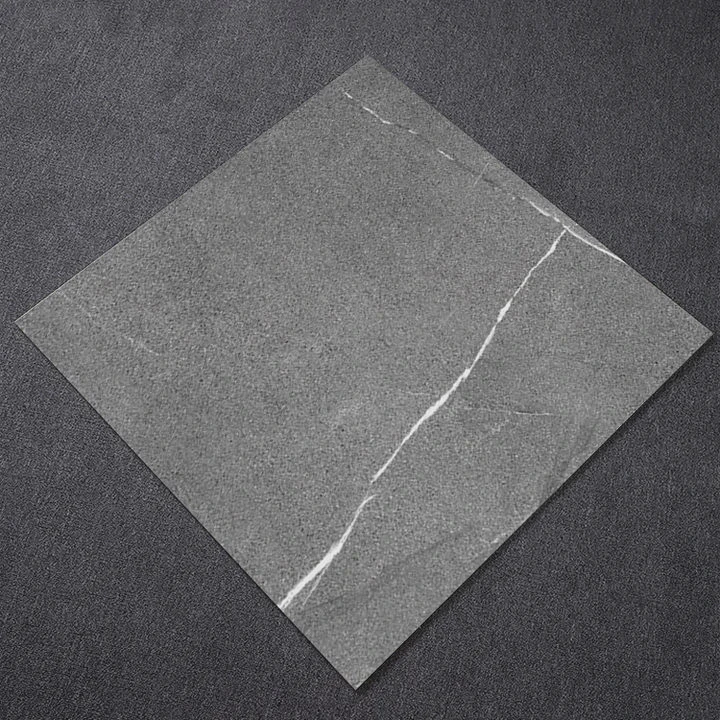
Measuring shower tile areas looks simple at first. Still, many people forget small details that later become expensive mistakes. In large commercial or hotel projects, even a small measuring error can affect the entire installation schedule.
Start With Wall Measurements
The first step is measuring every shower wall separately. Each wall may have a different size. Use a tape measure and write down all dimensions carefully.
Use this formula:
| Area Part | Formula |
|---|---|
| Wall Area | Width × Height |
| Floor Area | Length × Width |
| Niche Area | Width × Height |
| Total Tile Area | Add all sections together |
For example:
- Back wall: 5 ft × 8 ft = 40 sq ft
- Side wall 1: 3 ft × 8 ft = 24 sq ft
- Side wall 2: 3 ft × 8 ft = 24 sq ft
Total wall area:
40 + 24 + 24 = 88 sq ft
Measure Shower Floor Separately
Many installers forget the shower floor because they focus only on walls. However, floor tiles often use different sizes or mosaic patterns.
If the shower floor is:
- 3 ft × 5 ft
Then:
3 × 5 = 15 sq ft
Add this to the wall total:
88 + 15 = 103 sq ft
Subtract Small Openings Carefully
Not every opening should be subtracted. Small plumbing holes usually do not matter because tile cuts still use full pieces.
However, large openings should be removed from the total:
- Windows
- Large niches
- Built-in shelves
Example:
| Opening Type | Size | Area |
|---|---|---|
| Window | 2 ft × 2 ft | 4 sq ft |
| Niche | 1 ft × 1.5 ft | 1.5 sq ft |
Subtract:
103 - 5.5 = 97.5 sq ft
Check Tile Layout Direction
Tile direction changes material needs. Vertical layouts often create more cuts than straight horizontal layouts.
Large-format porcelain tiles also need extra planning because installers try to reduce narrow edge pieces. This becomes very important with 600×1200 mm or 750×1500 mm tiles.
Verify Measurements Twice
Many experienced contractors measure at least two times before ordering. Shower walls are not always perfectly straight. Small angle differences can affect grout alignment and tile cutting.
This step becomes even more important in export orders because replacement shipments can take weeks.
How Do You Calculate Tile Quantities Accurately?
Many buyers only calculate square footage. That approach often creates shortages because tile quantity depends on tile size, layout, and cutting patterns.
To calculate tile quantities accurately, divide the total area by the tile coverage area, then add waste allowance based on tile size, layout complexity, and installation method.
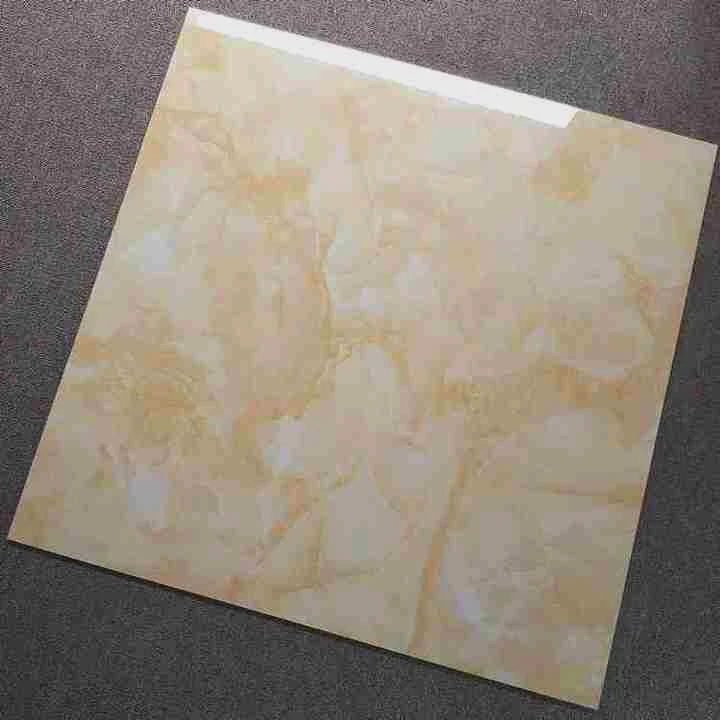
Tile quantity calculation requires more than simple math. In factory export projects, accurate quantity planning helps avoid production delays and mixed shade problems.
Understand Tile Coverage
Each tile covers a fixed area. First convert tile size into square feet or square meters.
Example:
A 12” × 24” tile equals:
1 ft × 2 ft = 2 sq ft per tile
If the shower area is 100 sq ft:
100 ÷ 2 = 50 tiles
Large Tiles Need Extra Material
Large-format porcelain tiles usually create more cutting waste near corners and plumbing areas.
Here is a simple comparison:
| Tile Size | Waste Risk | Cutting Complexity |
|---|---|---|
| 300×300 mm | Low | Easy |
| 600×600 mm | Medium | Moderate |
| 600×1200 mm | High | More difficult |
| 750×1500 mm | Very High | Advanced |
Large tiles look modern and luxurious. Still, installers often need extra pieces because one broken tile can waste a large area.
Consider Grout Joint Size
Many people ignore grout spacing during estimation. Small grout lines slightly reduce tile quantity needs, while larger grout joints may change layout balance.
Common grout sizes include:
- 1.5 mm
- 2 mm
- 3 mm
Rectified porcelain tiles usually allow smaller grout joints.
Use Carton Quantities
Factories normally pack tiles by carton, not by individual pieces. Buyers should always round up to full cartons.
Example:
| Tile Size | Tiles Per Carton | Coverage |
|---|---|---|
| 600×600 mm | 4 pcs | 1.44 m² |
| 600×1200 mm | 2 pcs | 1.44 m² |
| 800×800 mm | 3 pcs | 1.92 m² |
If the project needs 101 sq ft, do not order exactly 101 sq ft. Order enough full cartons to cover the entire area plus waste.
Plan for Future Repairs
Extra tiles help future maintenance. Bathrooms often need repairs years later due to plumbing changes or accidental damage.
Without extra stock, finding the exact same tile color later may become impossible because factories update designs regularly.
Many experienced distributors keep 3% to 5% extra stock for future service needs.
Which Factors Affect Tile Measurement Planning?
Some shower projects look simple but become difficult because measurement planning depends on many hidden details. Ignoring these factors can create installation delays and unexpected waste.
Tile measurement planning depends on shower shape, tile size, layout direction, surface condition, cuts, grout spacing, and installation complexity.
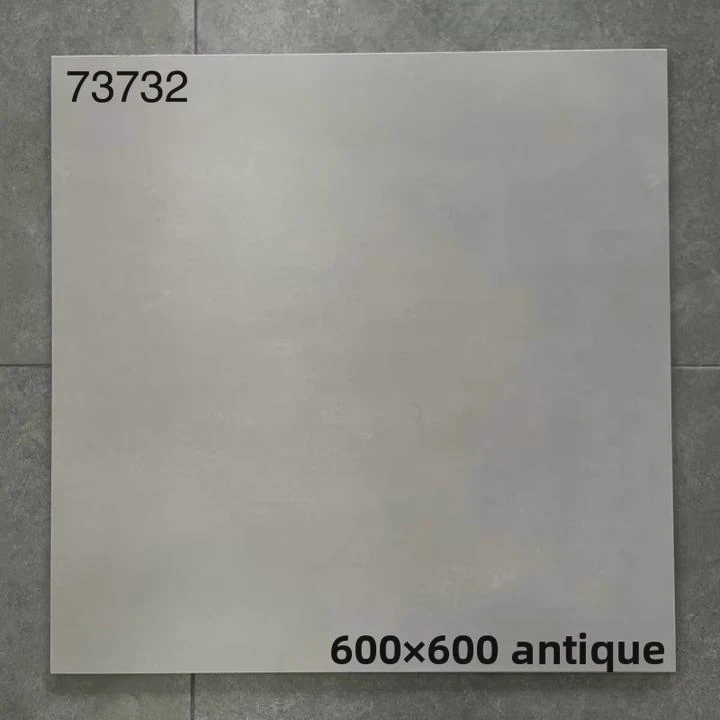
Many contractors only focus on square footage. However, experienced tile suppliers know that project details strongly affect final quantity requirements.
Shower Shape Changes Everything
Simple rectangular showers are easier to estimate. Curved walls, benches, and recessed shelves increase tile cuts and waste.
Common shower features include:
- Corner benches
- Soap niches
- Curved walls
- Sloped floors
- Ceiling tiling
Each feature creates additional cutting work.
Tile Pattern Impacts Waste
Different layouts create different waste levels.
| Tile Pattern | Waste Level |
|---|---|
| Straight Stack | Low |
| Brick Pattern | Medium |
| Herringbone | High |
| Diagonal Layout | Very High |
Herringbone designs look elegant but usually require more cutting. This increases labor time and material usage.
Tile Material Matters
Porcelain, ceramic, and mosaic tiles behave differently during installation.
Porcelain tiles are harder and denser. They resist water better in shower areas. Still, they require stronger cutting tools.
Mosaic tiles reduce cutting waste in curved areas but increase grout line maintenance.
Surface Conditions Affect Measurement
Real shower walls are rarely perfectly flat. Uneven surfaces may require:
- Extra adhesive
- Additional cuts
- Tile adjustments
Installers sometimes trim tiles during leveling. This can increase material use beyond original estimates.
Plumbing Fixtures Create Complicated Cuts
Shower valves, pipes, and drains create difficult cutting areas.
Small holes often crack tiles during installation. Many contractors keep extra tiles ready because breakage around plumbing is common.
Large-format polished porcelain tiles especially need careful handling during hole drilling.
Tile Orientation Influences Waste
Vertical tile layouts often create more offcuts near ceilings. Horizontal layouts may reduce waste but change visual appearance.
Many designers now prefer vertical layouts for modern bathrooms because they make walls appear taller.
Still, installers usually need more extra material for this style.
Can Waste Allowance Improve Estimation Accuracy?
Many project failures happen because buyers only order exact measurements. Even skilled installers cannot avoid some material waste during tile installation.
Yes, adding waste allowance improves estimation accuracy by covering tile cuts, breakage, pattern matching, repairs, and installation mistakes.
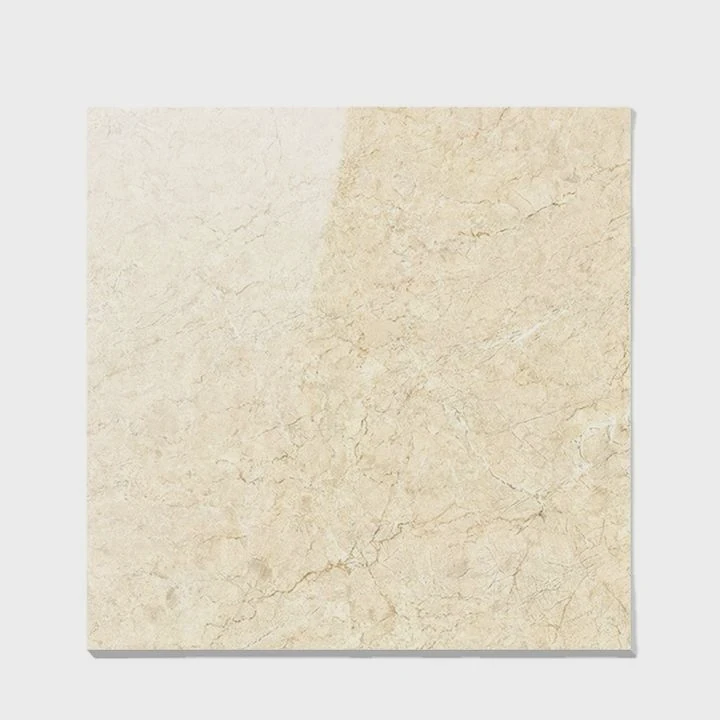
Waste allowance is not wasted money. It is protection against installation risks. Professional contractors almost never order exact tile quantities.
Why Waste Happens
Tiles can break during:
- Transportation
- Cutting
- Drilling
- Installation
- Future repairs
Some tile patterns also create unavoidable offcuts.
For example:
A diagonal layout usually creates more corner waste than a straight layout.
Recommended Waste Percentages
Different projects require different waste allowances.
| Project Type | Suggested Waste Allowance |
|---|---|
| Simple Wall Layout | 5% |
| Standard Residential Shower | 10% |
| Diagonal Pattern | 12%–15% |
| Large Format Tile | 15% |
| Complex Commercial Design | 15%–20% |
Large-format porcelain slabs often require higher waste percentages because one mistake can ruin an expensive tile.
Export Projects Need More Backup Stock
International buyers often add more extra material because replacement shipping costs are high.
For example:
A missing carton in a local project may only cause a one-day delay. However, international replacement shipments can take several weeks.
Because of this, many importers order at least one extra pallet for large projects.
Shade Variation Can Create Problems
Tile production batches may have slight color differences.
If extra tiles are not ordered during the original production run, later replacement batches may not match perfectly.
This issue becomes very important for:
- Polished porcelain tiles
- Marble-look tiles
- Large slab tiles
- High-gloss finishes
Extra Tiles Support Long-Term Maintenance
Hotels, apartments, and commercial buildings often keep spare tiles for future repairs.
This practice helps maintenance teams replace damaged sections without redesigning the entire shower area.
Many professional contractors store extra cartons in dry warehouse conditions for years.
Conclusion
Correct shower tile measurement helps avoid delays, wasted money, and installation problems. Careful planning, accurate calculations, and proper waste allowance all help create smoother tile projects and better long-term results.