Can I Install Tile on Drywall?
- Sinotiles
- 2026-05-05
Tiling on drywall can be tricky. Many people start without knowing if their wall can actually handle tile, risking damage and extra costs.
Yes, you can install tile on drywall if certain conditions are met. It is critical to assess wall stability, moisture exposure, and proper preparation before tiling.
Before you dive in, understanding the requirements can save time and prevent failures. Knowing the right steps ensures a long-lasting tile installation and avoids wall damage.
What conditions allow tiling on drywall?
Tiling over drywall is possible, but only under specific conditions. Using drywall in the wrong place can lead to peeling, cracking, or mold growth.
Tile can be installed on drywall that is in dry areas, properly secured, and free of damage. Moisture-prone areas require special backer boards instead.
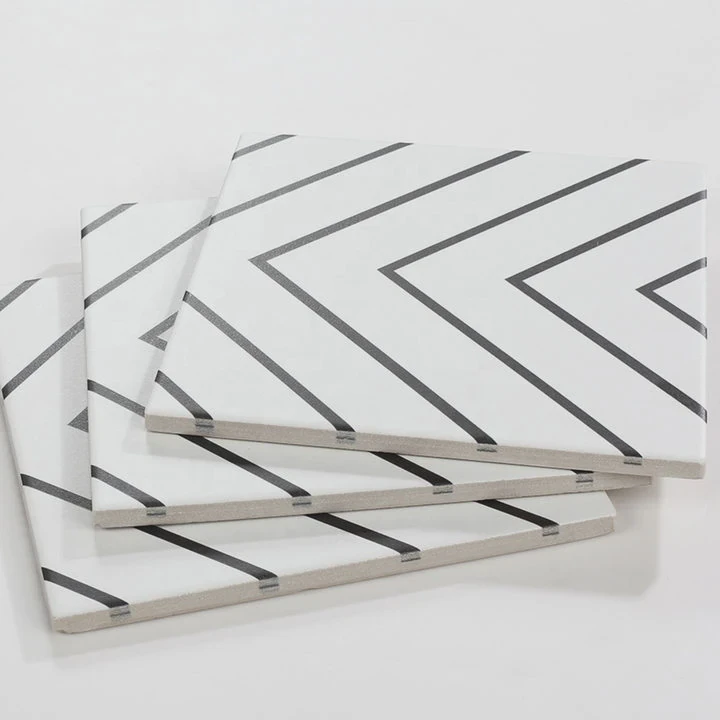
When considering drywall for tiling, it is important to assess the wall type. Standard drywall is suitable for living rooms, hallways, or bedrooms. It must be intact, firmly attached, and free from soft spots or cracks. In kitchens, tiles over drywall are often fine, provided there is no direct water exposure. Bathrooms or wet areas need cement boards or waterproof drywall to prevent future water damage.
Drywall Types and Conditions
| Drywall Type | Suitable for Tile? | Notes |
|---|---|---|
| Standard Drywall | Yes | Only dry areas, low humidity |
| Moisture-Resistant | Conditional | Can handle splash areas with proper sealant |
| Cement Backer Board | Yes | Best for wet areas like showers |
| Greenboard | Limited | Not recommended for full shower walls |
Tile weight is also critical. Lightweight ceramic tiles work on standard drywall, but heavy stone or large-format tiles require reinforced drywall or backer boards. Stud spacing matters too. Standard 16-inch spacing is usually fine, but if studs are 24 inches apart, additional support is needed. Overall, dry, stable, and strong drywall in non-wet areas is the key condition for safe tile installation.
How do you prepare drywall for tile adhesion?
Preparation is crucial. Skipping steps can lead to tiles falling or grout cracking.
Proper preparation involves cleaning the surface, repairing damage, sanding uneven spots, and applying a primer or bonding agent to help the tile stick.
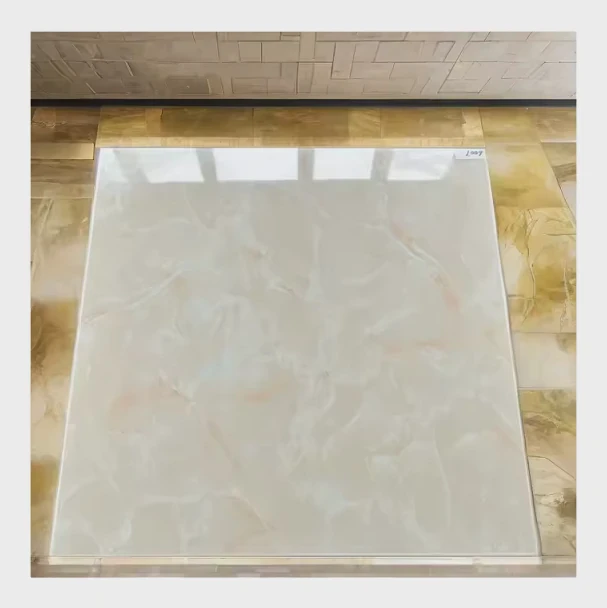
The first step is inspecting the drywall. Fill any holes or cracks with joint compound and sand smooth. Remove dust, grease, and loose particles, which can prevent the adhesive from bonding. Then, apply a primer or latex bonding agent. This layer ensures the adhesive grips the drywall properly. Drywall must be fully dry before you start tiling, or the adhesive may fail.
Preparation Steps
- Repair Surface: Patch holes and cracks. Sand until smooth.
- Clean Wall: Wipe off dust and debris.
- Prime Surface: Use a drywall primer or bonding agent.
- Check Moisture: Ensure wall is dry and free from leaks.
- Mark Guidelines: Use a level to plan tile layout.
Tips for Best Results
| Step | Tip |
|---|---|
| Repair Surface | Use lightweight joint compound for fast drying |
| Clean Wall | Vacuum dust after sanding |
| Prime Surface | Apply 1-2 coats depending on adhesive type |
| Mark Guidelines | Snap chalk lines to maintain straight rows |
Proper preparation avoids common problems such as tiles popping off walls after a few months. Even small mistakes in prep can result in costly repairs later.
Which adhesives work best for drywall surfaces?
The type of adhesive affects tile longevity. Not all adhesives are suitable for drywall. Using the wrong one can cause tiles to loosen over time.
Thin-set mortar or mastic adhesives designed for drywall provide strong bonding, flexibility, and durability. Mastic is ideal for small tiles, while thin-set handles heavier tiles.
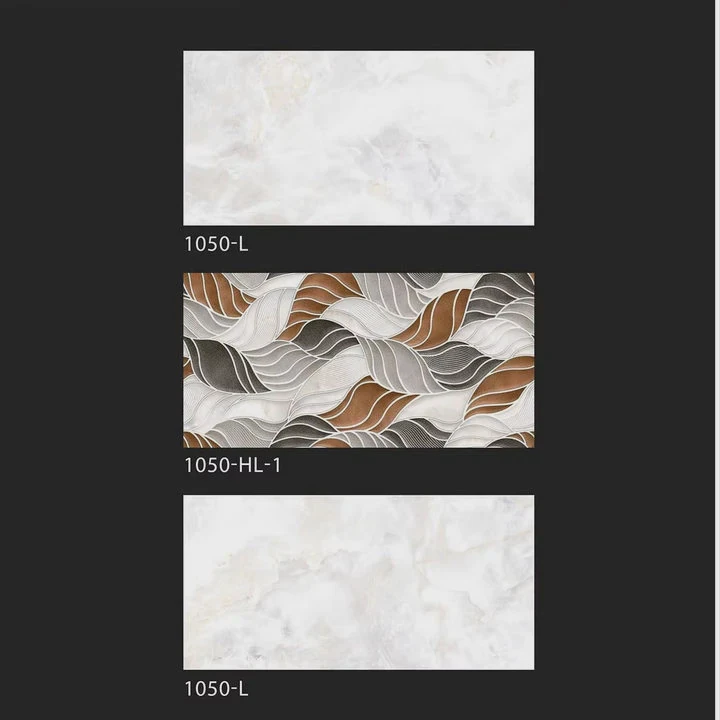
For lightweight ceramic tiles, premixed mastic adhesives are convenient. They spread easily and provide immediate grip. For larger tiles, porcelain, or stone, use thin-set mortar. Thin-set comes in powdered form and is mixed with water or latex additives. It is stronger than mastic and can support heavier materials without sagging.
Adhesive Selection Table
| Tile Type | Recommended Adhesive | Notes |
|---|---|---|
| Small ceramic | Premixed mastic | Easy to spread, quick grip |
| Porcelain / large | Thin-set mortar | Stronger bond, supports weight |
| Stone tiles | Modified thin-set | Reduces cracking, absorbs slight wall movement |
| Mosaic tiles | Mastic or thin-set | Choose based on wall flatness |
It is also important to consider the environment. Dry areas with low traffic can rely on mastic, but areas with occasional humidity or heat variations may benefit from thin-set with latex. Always follow manufacturer instructions for mixing and curing times to avoid adhesion issues.
When should waterproofing be applied before tiling?
Waterproofing protects your wall from moisture damage. Applying it at the right stage prevents mold and tile failure.
Waterproofing should be applied on drywall in areas exposed to water, such as bathrooms, kitchens near sinks, or backsplashes. Cement board with a waterproof membrane is preferred for showers.
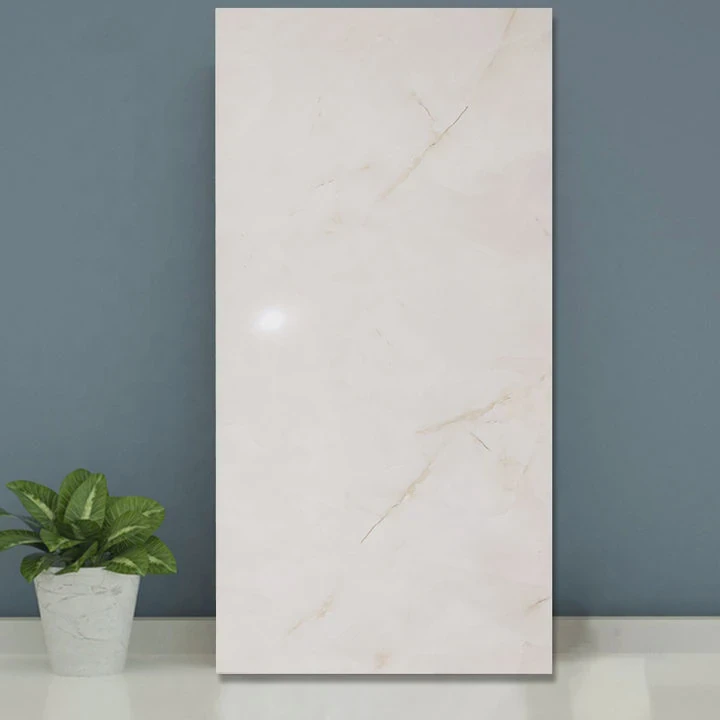
In wet areas, standard drywall alone is not enough. Apply waterproofing membranes over moisture-resistant drywall, or use cement boards treated with waterproof coating. For showers, fully cover the wall with waterproofing. In kitchens, a partial membrane behind the sink or countertop is sufficient. Applying waterproofing before tiling keeps the wall safe from water seepage and prolongs the tile life.
Waterproofing Steps
- Choose Membrane: Liquid or sheet membrane depending on project.
- Apply Primer: Some membranes need a primer for better adhesion.
- Cover Wall: Spread evenly to avoid gaps.
- Seal Joints: Tape seams for continuous waterproofing.
- Dry Completely: Follow manufacturer drying times before tiling.
Advantages of Waterproofing
| Benefit | Explanation |
|---|---|
| Prevents Mold | Stops water from reaching drywall |
| Extends Tile Life | Reduces risk of grout cracking and tile detachment |
| Adds Insurance | Protects home structure from moisture damage |
| Suitable for Wet Areas | Essential for showers and sink walls |
Even minor water exposure over time can weaken drywall. Waterproofing adds a protective layer that ensures your tiling job remains strong and safe.
Conclusion
Tiling on drywall works well if walls are dry, stable, and properly prepared. Use the right adhesive and add waterproofing in wet areas to ensure a durable finish. Preparation is key for long-lasting results.