How to Repair Cracked Floor Tile?
- Sinotiles
- 2026-05-15
A cracked floor tile can make the whole room look old and damaged. Small cracks can also grow fast and create bigger repair costs if they are ignored.
Most cracked floor tiles can be repaired with epoxy, filler, or tile replacement. The right method depends on the crack size, tile condition, and the cause behind the damage. Quick repair helps stop further spreading and keeps the floor looking clean.
Many buyers and contractors ask about tile cracks because damaged flooring affects both appearance and long-term performance. In many projects, the real problem is not only the crack itself. The bigger issue is understanding why the tile failed in the first place. Once the cause becomes clear, the repair process becomes much easier and more effective.
What Causes Tiles to Crack Over Time?

Floor tiles usually crack because of pressure, poor installation, or movement under the surface. Some cracks appear slowly, while others happen suddenly after impact or structural stress.
Tiles crack over time because of uneven subfloors, heavy loads, poor adhesive coverage, moisture changes, or low-quality installation work. Understanding the root cause helps prevent repeated tile damage after repairs.

Many people think floor tiles crack only because the tile quality is poor. In reality, the problem often starts below the tile surface. During many export projects, contractors focus heavily on tile design and price, but they sometimes ignore subfloor preparation. That mistake often creates future repair issues.
Uneven Subfloor Problems
Tiles need a stable and level foundation. If the floor underneath moves or sinks, the tile above receives uneven pressure. Over time, stress points begin to form.
Common subfloor issues include:
| Problem | Result |
|---|---|
| Uneven concrete | Pressure concentration |
| Weak plywood base | Tile movement |
| Moisture expansion | Cracking and lifting |
| Poor curing | Hollow tiles |
A hollow tile is one of the biggest warning signs. When installers fail to spread adhesive evenly, empty spaces remain under the tile. Heavy furniture or foot traffic then creates pressure directly above these weak spots.
Heavy Impact and Weight
Commercial projects often face this problem. Warehouses, hotels, and shopping centers experience constant movement of carts, equipment, and furniture. Large-format tiles especially need proper support because their surface area is bigger.
A simple example happens in living rooms. A heavy sofa leg placed directly over a weak tile corner may slowly create hairline cracks. These small cracks then spread across the surface.
Temperature and Moisture Changes
Tiles naturally expand and shrink slightly with temperature changes. Moisture also affects adhesives and grout. If expansion joints are missing, pressure builds between tiles.
This issue appears often in:
- Outdoor spaces
- Bathrooms
- Kitchens
- Areas with floor heating
- Large commercial halls
Installation Mistakes
Poor installation remains one of the biggest causes of cracked floor tiles worldwide. Some common mistakes include:
Wrong Adhesive Choice
Different tiles need different adhesives. Large porcelain tiles require stronger bonding materials than smaller ceramic tiles.
Insufficient Adhesive Coverage
Industry standards usually require high adhesive coverage, especially for large-format tiles. Weak bonding creates air gaps and unstable support.
No Expansion Joints
Large floor areas need movement joints. Without them, the floor has no space to absorb expansion pressure.
Tile Quality Matters Too
Although installation causes many problems, tile quality still matters. Low-density tiles absorb more moisture and break more easily under pressure.
High-quality porcelain tiles usually offer:
- Better density
- Lower water absorption
- Stronger wear resistance
- Better durability for heavy traffic
This is one reason many contractors prefer porcelain tiles for commercial projects and long-term residential flooring.
How Can Minor Cracks Be Repaired Effectively?
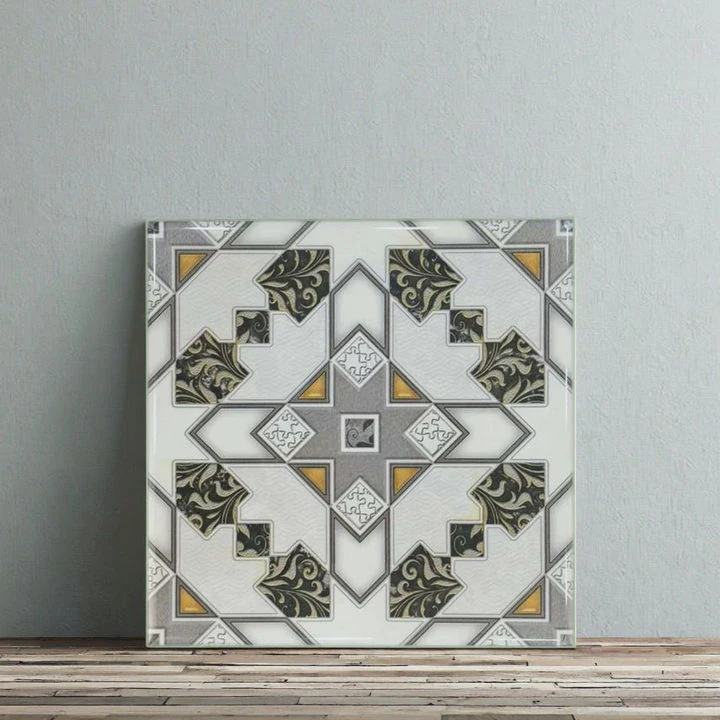
Small tile cracks can often be repaired without removing the entire tile. Fast repairs help stop moisture entry and prevent the crack from spreading further.
Minor tile cracks can be repaired using epoxy fillers, tile repair kits, color-matched fillers, or sealants. Proper cleaning and surface preparation are necessary for durable and nearly invisible repairs.
Minor cracks are very common in homes and commercial projects. Many buyers worry that cracked tiles always require full replacement, but that is not true. In many situations, a simple repair can restore the appearance and protect the floor for years.
Step 1: Inspect the Crack Carefully
Not every crack is suitable for repair. First, check whether the tile is stable.
A repair usually works when:
- The tile is firmly attached
- The crack is thin
- No loose edges exist
- The surrounding tiles are stable
Replacement may be necessary if:
- The tile sounds hollow
- Multiple cracks appear
- The tile moves under pressure
- The crack spreads across corners
Step 2: Clean the Surface
Dust and moisture weaken repair materials. Proper cleaning is extremely important.
Use:
- Soft brush
- Vacuum cleaner
- Mild cleaner
- Dry cloth
The crack area must remain completely dry before applying filler or epoxy.
Step 3: Apply Epoxy or Filler
Most professionals use epoxy because it bonds strongly and resists moisture.
Common Repair Materials
| Material | Best Use |
|---|---|
| Clear epoxy | Hairline cracks |
| Color filler | Decorative repair |
| Tile repair kit | Small chips and cracks |
| Sealant | Moisture protection |
Color matching is important for visible floor areas. Some repair kits include pigments that match common tile colors.
Step 4: Smooth the Surface
After filling the crack:
- Remove excess material
- Smooth the repair line
- Allow full curing time
- Polish lightly if needed
A rushed repair often fails early. Drying time matters because incomplete curing weakens the bond.
Repair Limitations
Minor crack repair improves appearance, but it does not solve structural problems underneath. If the floor continues moving, cracks may return later.
This is why experienced installers always inspect:
- Subfloor condition
- Moisture levels
- Adhesive coverage
- Expansion joints
Preventing Future Cracks
Simple preventive steps help extend tile life:
Use Furniture Pads
Heavy furniture creates pressure points.
Avoid Hard Impacts
Dropping tools or heavy objects damages tile surfaces.
Maintain Grout Lines
Strong grout helps distribute floor pressure more evenly.
Control Moisture
Bathrooms and kitchens need proper waterproofing and ventilation.
Many property owners delay repairs because small cracks seem harmless. But once water enters below the tile, larger failures often begin. Fast action usually saves money in the long run.
Why Replace Severely Damaged Tiles Completely?

Some cracked tiles cannot be repaired safely. Large cracks, loose tiles, or broken corners often indicate deeper structural issues below the surface.
Severely damaged tiles should be fully replaced because repairs may fail quickly, allow moisture penetration, and create safety risks. Full replacement restores both floor stability and appearance.
Many contractors try to repair badly damaged tiles to save short-term costs. However, severe cracks usually signal larger problems underneath the floor system. A temporary patch may hide the issue, but it rarely provides a long-lasting solution.
Signs That Replacement Is Necessary
Some damage is simply too advanced for repair.
Deep Structural Cracks
If the crack runs across the entire tile, the structural strength is already compromised.
Loose Tiles
Movement underfoot usually means adhesive failure below the tile.
Multiple Connected Cracks
This often points to subfloor movement or installation failure.
Broken Corners and Edges
Corners receive concentrated stress. Once they break, the tile weakens rapidly.
Why Repairs Sometimes Fail
A repair material only fixes the surface. It does not restore the tile’s original strength completely.
Common repair failure reasons include:
- Ongoing subfloor movement
- Poor adhesive support
- Moisture infiltration
- Heavy traffic conditions
Commercial spaces face especially high risks because floor loads remain constant throughout the day.
The Tile Replacement Process
Professional replacement usually follows several careful steps.
Step 1: Remove Grout Around the Tile
This protects nearby tiles during removal.
Step 2: Break and Remove the Damaged Tile
Installers normally start from the center and work outward carefully.
Step 3: Clean Old Adhesive
The surface must become smooth and level before installing a new tile.
Step 4: Install New Tile
Fresh adhesive is applied evenly to avoid hollow spots.
Step 5: Regrout and Cure
Proper curing time improves bonding strength and long-term durability.
Replacement Challenges
Finding matching tiles can become difficult years after installation. This is why many distributors and contractors order extra tiles during the original project.
A common recommendation is:
- Keep 2% to 5% extra tiles
- Store them in dry conditions
- Save production batch information
Comparing Repair vs Replacement
| Situation | Best Solution |
|---|---|
| Hairline crack | Repair |
| Loose tile | Replace |
| Multiple cracks | Replace |
| Small surface chip | Repair |
| Hollow tile | Replace |
| Moisture damage | Replace |
Long-Term Value of Replacement
Full replacement often costs more at the beginning, but it reduces future maintenance problems. In hotels, offices, and commercial projects, appearance also matters greatly. One damaged tile can affect the visual quality of the entire floor.
Large-format porcelain tiles are popular partly because they offer:
- Higher strength
- Better wear resistance
- Lower water absorption
- Longer service life
Good installation combined with high-quality materials reduces future replacement costs significantly.
Which Tools Are Needed for Tile Repair?
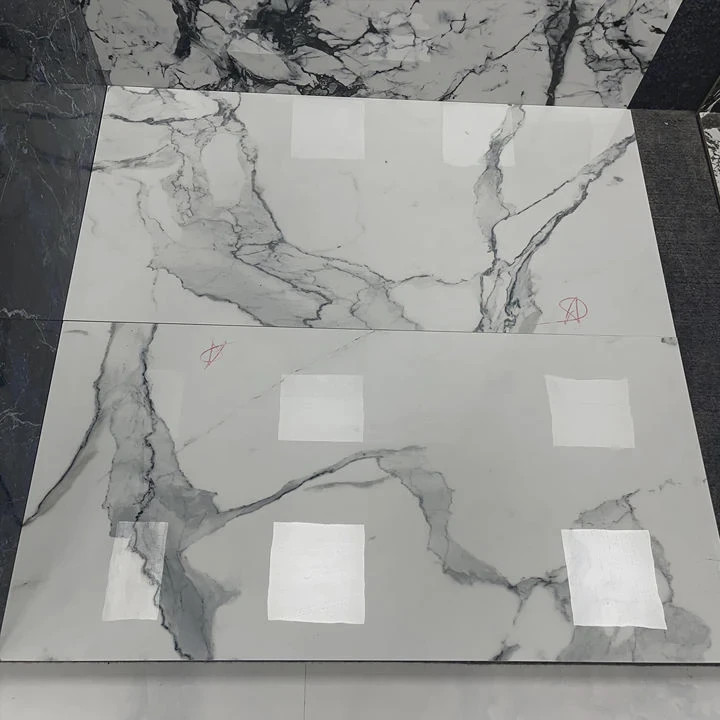
Using the correct tools makes tile repair faster, cleaner, and safer. Professional tools also help reduce damage to surrounding tiles during repairs.
Tile repair usually requires grout removal tools, chisels, adhesive spreaders, epoxy fillers, spacers, and cleaning equipment. The exact tools depend on whether the job involves minor crack repair or full tile replacement.

Many repair problems happen because people use the wrong tools. A simple mistake during tile removal can crack nearby tiles and increase repair costs. Proper tools improve precision and reduce unnecessary damage.
Basic Tools for Minor Crack Repairs
Small crack repairs need simple hand tools and repair materials.
Cleaning Tools
- Vacuum cleaner
- Soft brush
- Sponge
- Dry cloth
Repair Materials
- Epoxy filler
- Color pigments
- Sealant
- Tile repair kit
Finishing Tools
- Putty knife
- Plastic scraper
- Fine sandpaper
These tools help create smooth and nearly invisible repairs.
Tools for Full Tile Replacement
Replacement work requires stronger and more specialized equipment.
| Tool | Purpose |
|---|---|
| Grout saw | Remove grout safely |
| Hammer | Break damaged tile |
| Chisel | Lift tile pieces |
| Notched trowel | Spread adhesive evenly |
| Tile spacers | Maintain joint alignment |
| Rubber float | Apply grout |
| Level tool | Check flatness |
Why Adhesive Tools Matter
The trowel size affects adhesive coverage directly. Large-format porcelain tiles often require larger notched trowels to create proper support.
Poor adhesive coverage creates:
- Hollow sounds
- Weak support
- Future cracks
- Moisture pockets
Professional installers pay close attention to this step because adhesive distribution strongly affects tile lifespan.
Safety Equipment Is Important
Tile repair creates dust and sharp fragments.
Basic safety equipment includes:
- Safety glasses
- Gloves
- Dust mask
- Knee pads
For commercial projects, contractors may also use dust control systems to protect indoor air quality.
Advanced Tools for Large Projects
Large construction projects often use professional equipment such as:
- Tile cutters
- Angle grinders
- Laser levels
- Mixing drills
- Vibration tools for large slabs
Large porcelain slabs especially require careful handling because improper lifting may crack the tile before installation.
Choosing Quality Repair Materials
Good tools alone are not enough. Repair materials also affect long-term results.
Important factors include:
- Adhesive flexibility
- Water resistance
- Bonding strength
- Color stability
Many experienced contractors prefer products tested for:
- Wear resistance
- Moisture resistance
- Thermal movement
Tool Maintenance
Even professional tools need proper care.
Simple maintenance steps:
- Clean tools after use
- Replace worn blades
- Store adhesives properly
- Protect metal tools from rust
Well-maintained tools improve repair quality and reduce installation mistakes.
Conclusion
Cracked floor tiles can often be repaired successfully when the cause is identified early. Minor cracks may only need filler or epoxy, while severe damage usually requires full replacement. Proper tools, quality materials, and correct installation methods help create stronger and longer-lasting tile floors.