What Is Gres Porcellanato Tile?
- Sinotiles
- 2026-05-19
Many buyers feel confused when suppliers use terms like porcelain tile, ceramic tile, and gres porcellanato. This confusion often leads to wrong purchasing decisions and costly project problems.
Gres porcellanato tile is a high-density porcelain tile made from refined clay and fired at very high temperatures. It is strong, low in water absorption, durable, and widely used for both residential and commercial projects.
Many importers, contractors, and building material distributors ask this question when sourcing tiles from China. The term sounds technical, especially for buyers from Europe, South America, and the Middle East. In daily export business, this question often appears during factory visits, online meetings, and product selection discussions. Understanding this material helps buyers choose the right tile for long-term performance and market demand.
What Defines Gres Porcellanato Tiles?
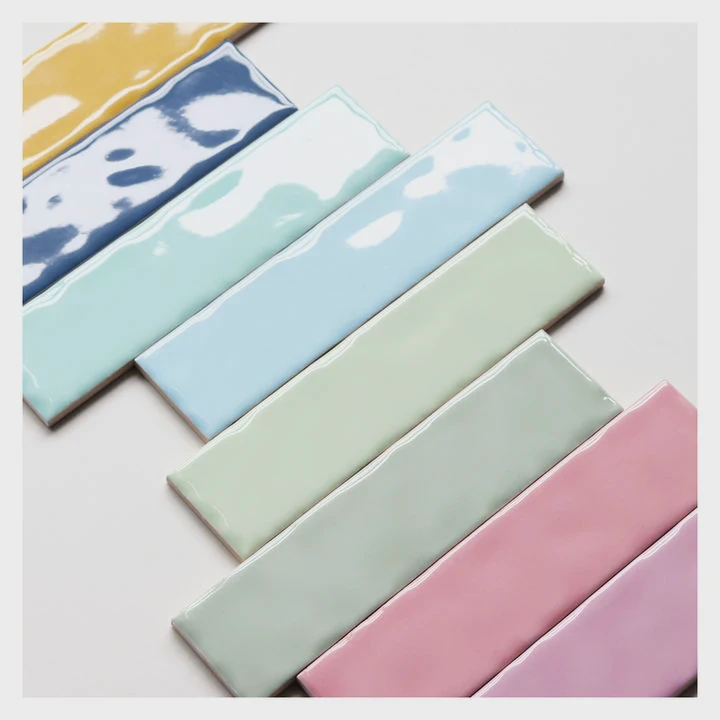
Many tile buyers see the word “gres porcellanato” in catalogs but still do not fully understand what makes this material different from ordinary tiles in the market.
Gres porcellanato tiles are porcelain tiles made with refined raw materials, pressed under high pressure, and fired at very high temperatures to create a dense and durable surface.
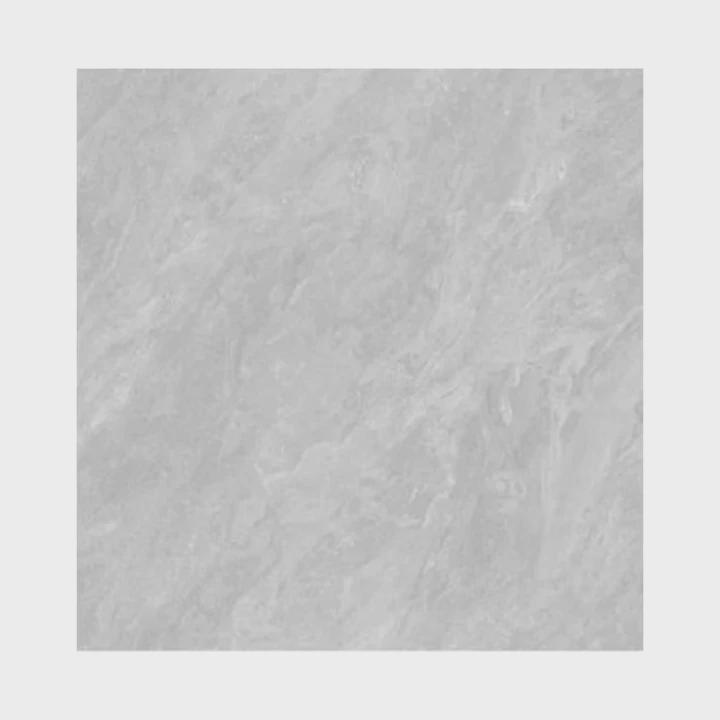
The term “gres porcellanato” comes from Italian. In many international markets, especially Europe and South America, people use this term instead of simply saying “porcelain tile.” The product itself belongs to the porcelain tile family, but the production standard is usually stricter and more refined.
Key Manufacturing Features
The production process plays the biggest role in defining gres porcellanato tiles. Manufacturers use selected clay, feldspar, silica, and mineral materials. These raw materials go through fine grinding before pressing.
Here is a simple breakdown of the process:
| Production Step | Purpose |
|---|---|
| Raw material refining | Improves density and purity |
| High-pressure pressing | Reduces air gaps inside tile |
| High-temperature firing | Creates hardness and low absorption |
| Surface finishing | Adds design and texture |
The firing temperature usually exceeds 1200°C. This high heat creates a vitrified structure inside the tile body. Because of this, the tile absorbs very little water.
Surface and Design Variety
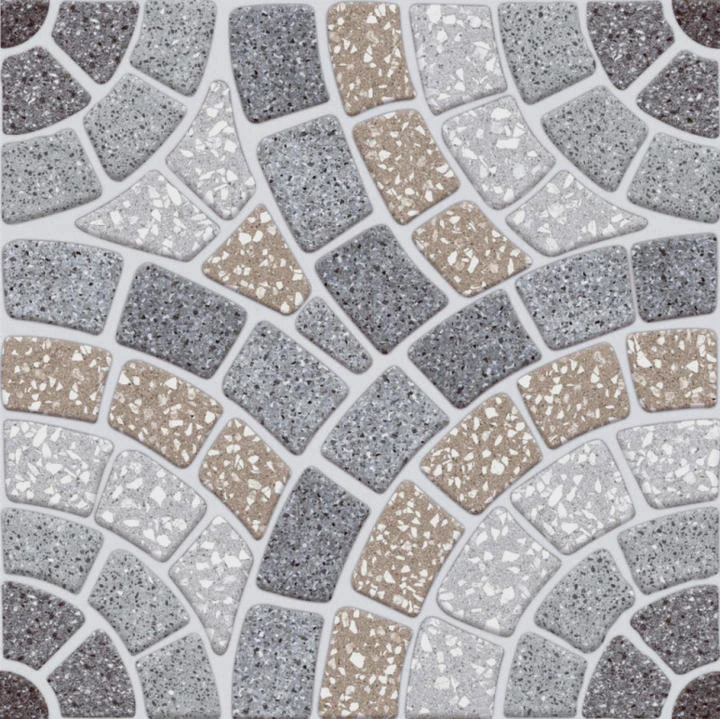
Many people think gres porcellanato only comes in simple gray colors. That is no longer true today. Modern factories produce many styles, including:
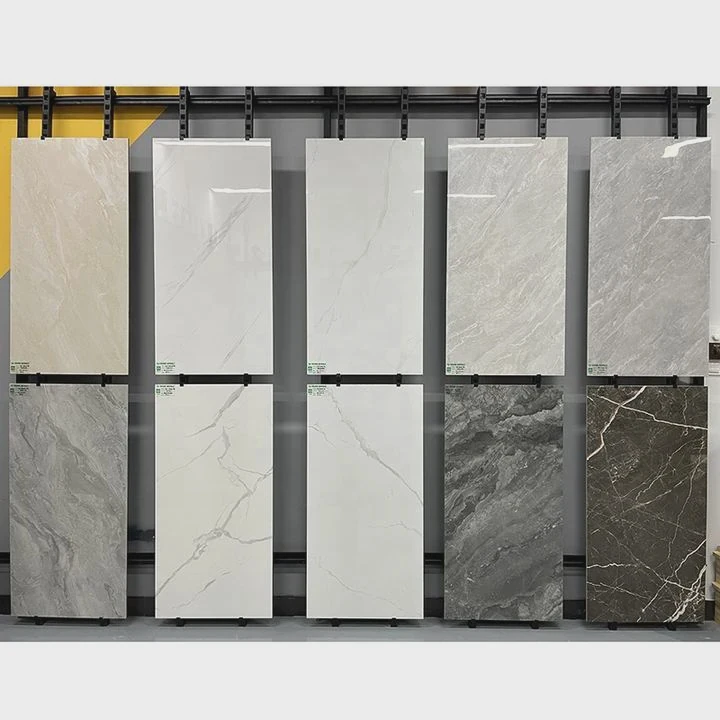
- Marble-look tiles
- Wood-look porcelain tiles
- Concrete-effect surfaces
- Stone-look finishes
- Polished glossy surfaces
- Matte anti-slip finishes
Large-format sizes have also become very popular in recent years. Buyers now often choose sizes like 600x1200mm, 750x1500mm, and 900x1800mm for modern projects.
Technical Characteristics
Gres porcellanato tiles are known for stable physical performance.
| Feature | Typical Performance |
|---|---|
| Water absorption | Very low |
| Surface hardness | High |
| Wear resistance | Excellent |
| Frost resistance | Strong |
| Chemical resistance | Good |
These features make the tiles suitable for both indoor and outdoor applications.
Why Buyers Prefer It
Many importers prefer gres porcellanato because it balances appearance and durability. In several export projects, customers first focused only on price. Later, they found that low-grade tiles created complaints after installation. Surface wear, cracks, and shade differences became major issues.
That experience pushed many buyers toward higher-quality porcelain solutions. Gres porcellanato became a safer long-term option because it reduced maintenance problems and improved customer satisfaction.
For wholesalers and distributors, this also helps build stronger brand reputation in local markets. Customers today expect tiles to last many years, especially in hotels, malls, offices, and residential projects.
How Does It Differ From Ceramic Tiles?
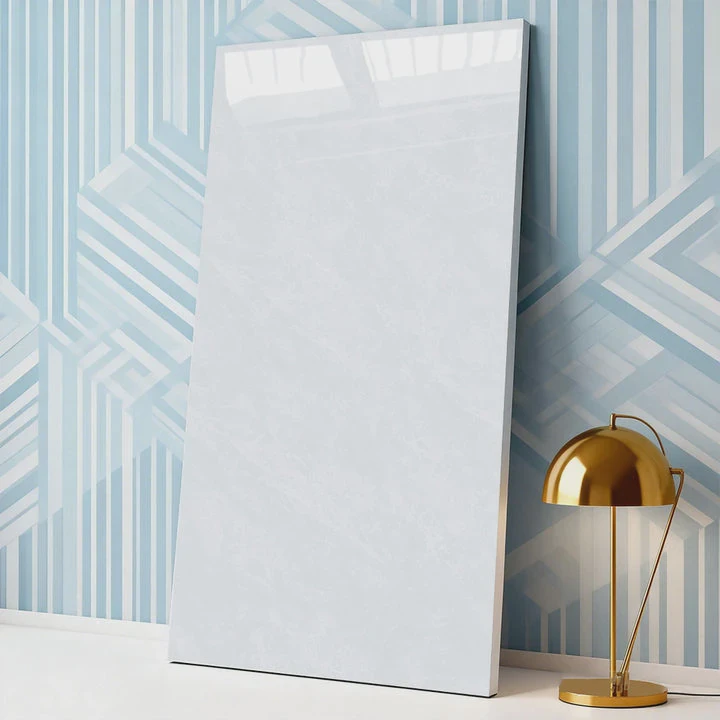
Many buyers compare porcelain and ceramic tiles only by price. This often causes confusion because the visual appearance may look very similar at first glance.
Gres porcellanato differs from ceramic tiles mainly in density, water absorption, strength, firing temperature, and long-term durability.
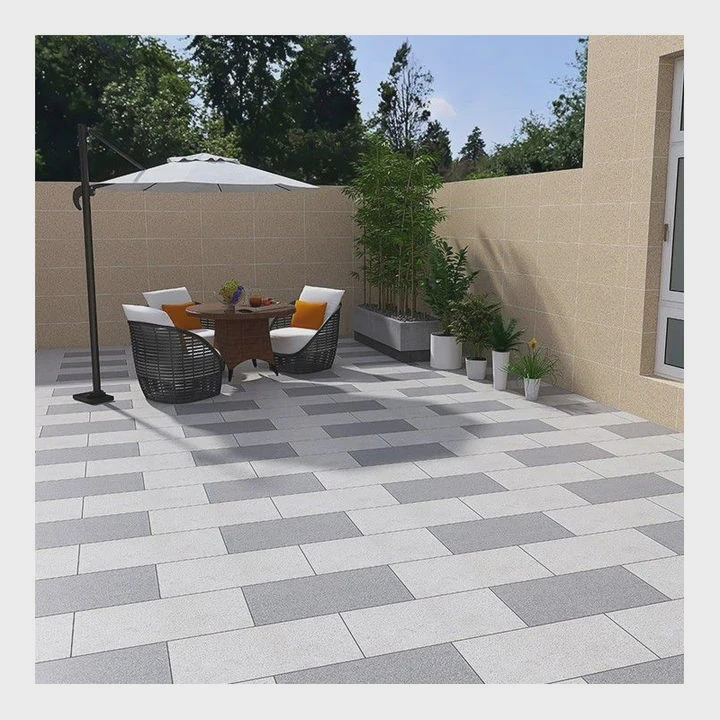
In export business, this comparison appears almost every day. Some customers initially choose ceramic tiles because they are cheaper. Later, after understanding project requirements, many switch to porcelain solutions for better performance.
Raw Material Differences
Ceramic tiles usually use more common clay materials. Gres porcellanato uses more refined and purified raw materials.
This creates major differences in the final product structure.
| Feature | Ceramic Tile | Gres Porcellanato |
|---|---|---|
| Raw material purity | Standard | Highly refined |
| Density | Medium | Very high |
| Water absorption | Higher | Very low |
| Weight | Lighter | Heavier |
| Strength | Moderate | Strong |
The denser structure gives porcelain tiles much better durability.
Firing Temperature
Temperature changes everything in tile production. Ceramic tiles are generally fired at lower temperatures than gres porcellanato.
Higher firing temperatures create:
- Better hardness
- Lower porosity
- Better wear resistance
- Improved frost resistance
This is why porcelain performs better in heavy-use environments.
Water Absorption Matters
One of the biggest technical differences is water absorption.
Ceramic tiles absorb more moisture because their internal structure contains more pores. Gres porcellanato has a compact body that limits water penetration.
This matters in places like:
- Bathrooms
- Outdoor areas
- Swimming pool surroundings
- Cold climate regions
- Commercial kitchens
Low absorption also helps prevent cracking during temperature changes.
Cutting and Installation
Installers usually notice the difference quickly. Ceramic tiles are easier to cut because they are softer. Gres porcellanato requires stronger cutting tools and more careful installation.
Price vs Long-Term Value
Ceramic tiles usually cost less upfront. This makes them attractive for low-budget projects.
Still, many project buyers later realize that replacement costs, maintenance, and wear issues create bigger expenses over time.
A simple comparison helps explain this:
| Cost Factor | Ceramic Tile | Gres Porcellanato |
|---|---|---|
| Initial price | Lower | Higher |
| Lifespan | Shorter | Longer |
| Maintenance | More frequent | Lower |
| Heavy traffic performance | Limited | Excellent |
For residential wall applications, ceramic tiles can still be a practical choice. But for floors, commercial areas, and demanding environments, gres porcellanato often provides better long-term value.
In many hotel and shopping mall projects, developers choose porcelain because replacing damaged flooring later becomes extremely expensive and disruptive.
Why Is It Known For Durability And Strength?
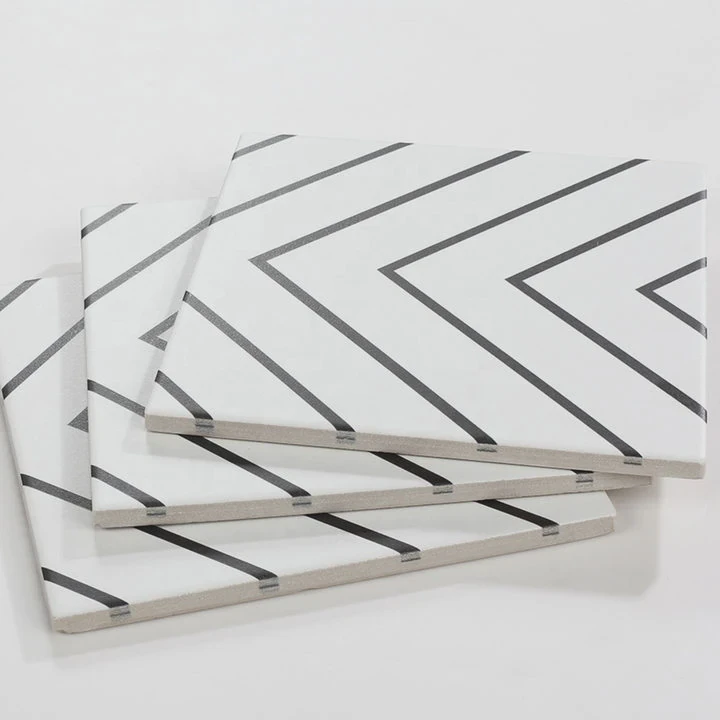
Many construction projects fail because flooring materials cannot handle long-term traffic, moisture, impact, or changing weather conditions.
Gres porcellanato is known for durability because its dense structure, high firing temperature, and low porosity create exceptional resistance to wear, impact, stains, and moisture.
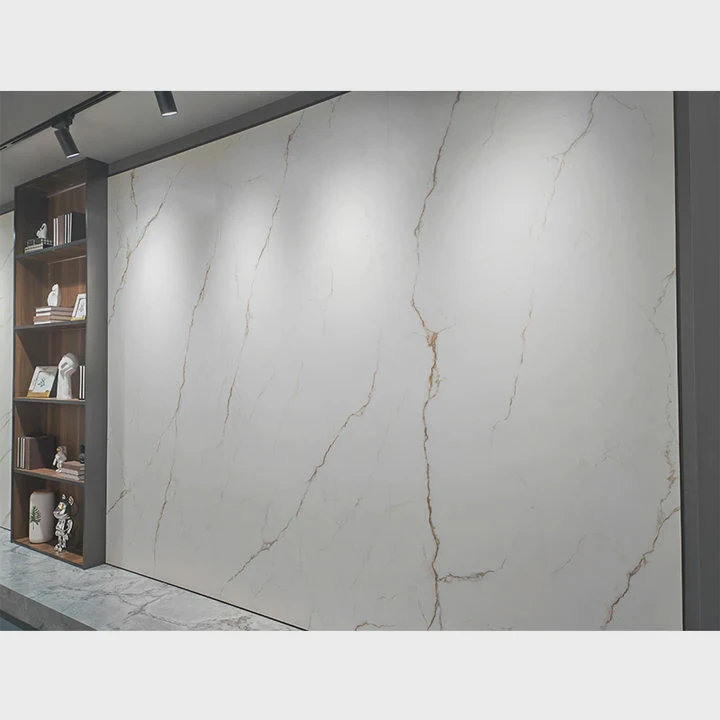
Durability is one of the main reasons why this material dominates many commercial and high-end residential projects today.
High Density Creates Strength
The compact structure inside the tile body reduces empty spaces and air pockets. This directly improves mechanical strength.
When tiles contain fewer internal gaps, they become:
- Harder to crack
- More resistant to pressure
- Better under heavy loads
- More stable over time
This matters a lot in commercial environments.
Wear Resistance in High Traffic Areas
One major concern for importers is surface wear. Low-quality tiles may lose surface appearance after only a short period.
Gres porcellanato performs much better because the surface layer resists abrasion.
Typical high-traffic applications include:
| High-Traffic Area | Why Durability Matters |
|---|---|
| Shopping malls | Constant foot traffic |
| Airports | Heavy luggage movement |
| Hotels | Daily cleaning and traffic |
| Restaurants | Spills and chair movement |
| Office buildings | Long-term commercial use |
Many developers prefer porcelain because replacing flooring in these spaces is costly and time-consuming.
Moisture and Frost Resistance
Water is one of the biggest enemies of building materials. When water enters porous materials, it can create cracks during freezing and expansion.
Because gres porcellanato absorbs very little water, it performs very well outdoors and in cold climates.
This makes it suitable for:
- Outdoor paving
- Balcony flooring
- Terrace areas
- Exterior wall cladding
- Pool surroundings
Chemical and Stain Resistance
Another important feature is resistance to chemicals and stains.
Restaurants, hospitals, and commercial kitchens often use strong cleaning chemicals. Some flooring materials become damaged or stained over time.
Porcelain surfaces handle these conditions much better.
Long-Term Appearance Stability
Many customers focus only on immediate appearance during purchase. But long-term visual stability matters even more.
Good gres porcellanato tiles maintain:
- Surface color
- Gloss level
- Texture consistency
- Edge stability
This helps projects maintain a modern appearance for many years.
Strength Reduces Business Risk
From an export perspective, durability also reduces after-sales problems.
In international trade, complaints about cracking, shade inconsistency, and poor wear resistance can seriously damage supplier relationships. Stronger products reduce these risks.
Many experienced buyers now prefer stable quality over simply choosing the lowest price. In several long-term partnerships, customers increased repeat orders after seeing better field performance from high-quality porcelain products.
This is especially true for contractors handling hotels, commercial buildings, and real estate developments where material failure can create major financial losses.
Which Applications Suit Gres Porcellanato Best?
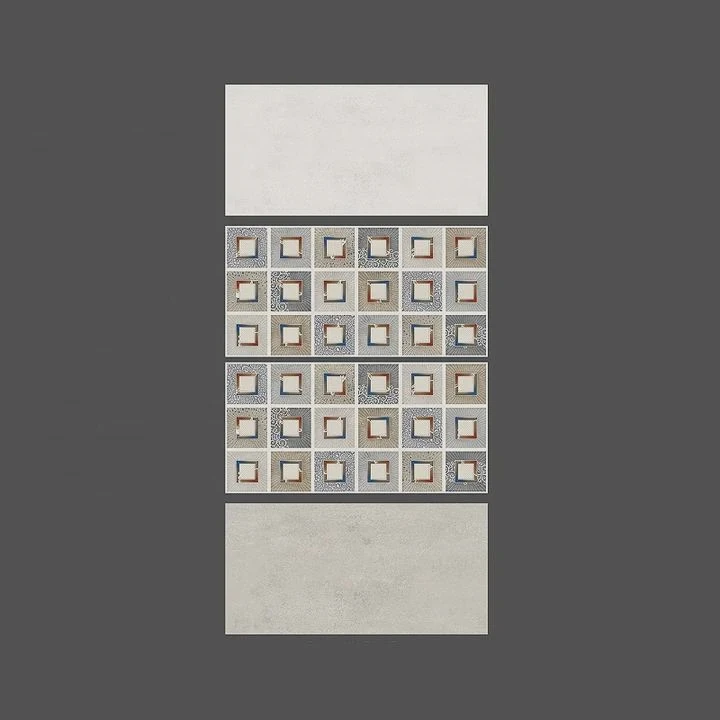
Some buyers choose tiles based only on appearance without considering whether the material matches the real application environment.
Gres porcellanato suits residential, commercial, industrial, and outdoor applications because it combines durability, low maintenance, water resistance, and modern design flexibility.
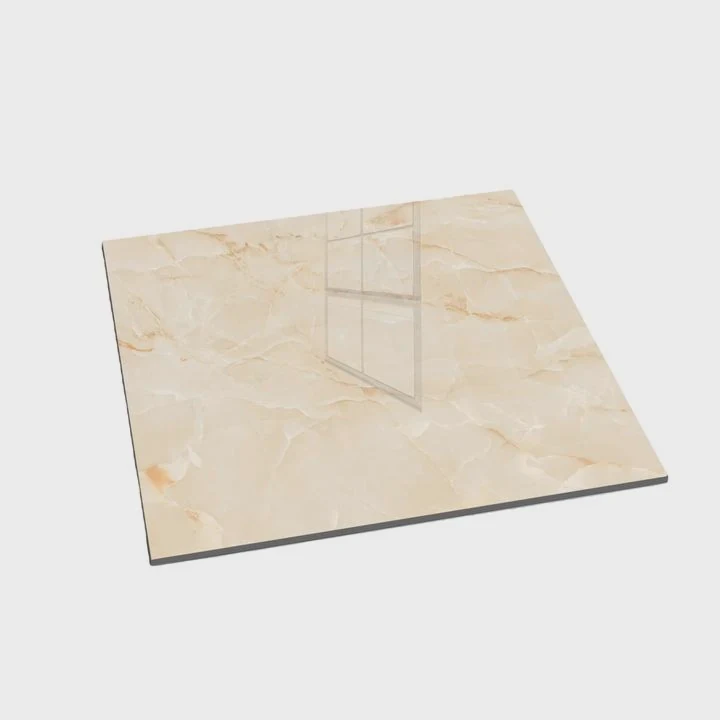
One reason for its global popularity is its versatility. The same product category can work across many different spaces.
Residential Applications
Homeowners increasingly choose porcelain tiles for modern interior design.
Popular residential areas include:
- Living rooms
- Kitchens
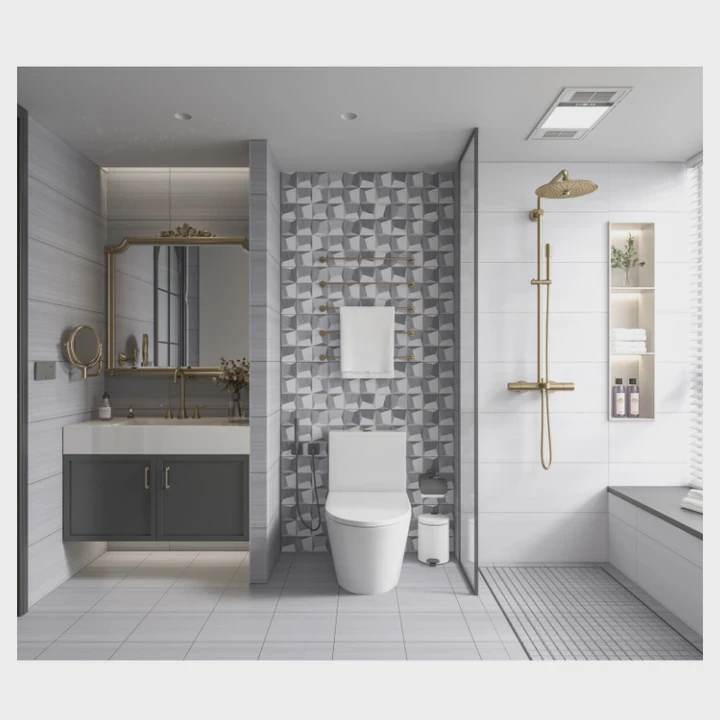
- Bathrooms
- Bedrooms
- Balconies
- Hallways
Wood-look porcelain has become especially popular because it combines the visual warmth of wood with easier maintenance.
Commercial Projects
Commercial environments require stronger flooring materials due to heavy daily traffic.
Common commercial applications include:
| Commercial Space | Why Porcelain Works Well |
|---|---|
| Hotels | Durable and elegant |
| Shopping centers | Handles heavy traffic |
| Restaurants | Easy cleaning |
| Offices | Long lifespan |
| Retail stores | Modern appearance |
Large-format porcelain tiles are often used to create clean and luxurious spaces.
Outdoor Spaces
Outdoor applications require special technical performance.
Rain, sunlight, temperature changes, and dirt all affect flooring materials. Gres porcellanato performs well because of its low water absorption and strong surface.
Outdoor uses include:
- Garden paths
- Patios
- Outdoor walls
- Building facades
- Terrace flooring
Anti-slip surfaces are especially important in these environments.
Industrial and Public Buildings
Some factories and public projects require highly durable flooring solutions.
Porcelain tiles are often selected for:
- Airports
- Train stations
- Hospitals
- Schools
- Exhibition halls
These areas need flooring that can survive years of heavy use while remaining easy to clean.
Large Slab Applications
One growing trend is large porcelain slabs.
These products are now used for:
- Kitchen countertops
- Bathroom walls
- Furniture surfaces
- Reception desks
- Decorative feature walls
Large slabs create fewer grout lines and a cleaner visual effect.
Choosing the Right Finish
Different applications require different surface finishes.
| Finish Type | Best Application |
|---|---|
| Polished | Luxury interiors |
| Matte | Residential floors |
| Textured | Outdoor areas |
| Anti-slip | Wet environments |
Many experienced buyers now focus not only on design but also on matching technical performance with the final project environment.
This approach helps reduce installation issues, maintenance problems, and customer complaints later.
Conclusion
Gres porcellanato tiles combine durability, modern design, and strong technical performance. Their low water absorption, high strength, and wide application range make them one of the most reliable tile solutions for residential and commercial projects worldwide.