How to Remove Old Floor Tile?
- Sinotiles
- 2026-04-17
Old tiles can be stubborn, messy, and time-consuming to remove. Many people damage the subfloor or waste hours using the wrong tools and methods.
To remove old floor tile efficiently, you need the right tools, careful techniques to protect the subfloor, faster removal methods, and proper cleanup after removal.
Tile removal is not just about breaking tiles. It is about control, efficiency, and preparing the surface for the next installation. This guide explains each step in a simple and practical way.
What tools are best for removing old tiles?
Removing tiles without the right tools can turn a simple job into a long and exhausting process. Poor tools often lead to uneven results and damaged surfaces.
The best tools for removing old tiles include a hammer, chisel, rotary hammer, floor scraper, and power tools like demolition hammers.
Choosing the right tools depends on tile type, adhesive strength, and project size. A small bathroom and a large commercial floor require different approaches.
Basic hand tools
These tools are suitable for small areas or light-duty work.
Hammer and chisel
- Ideal for breaking individual tiles
- Good for tight areas
- Provides control
However, this method is slow and labor-intensive.
Floor scraper
- Helps remove adhesive residue
- Useful after tiles are lifted
Power tools
For larger projects, power tools save time and effort.
Rotary hammer
- Strong impact force
- Removes tiles quickly
- Suitable for medium to large areas
Demolition hammer
- Heavy-duty tool
- Best for thick or stubborn tiles
- Used in commercial projects
Tool comparison
| Tool | Best Use | Efficiency |
|---|---|---|
| Hammer & chisel | Small areas | Low |
| Floor scraper | Adhesive removal | Medium |
| Rotary hammer | Medium projects | High |
| Demolition hammer | Large projects | Very high |
Safety equipment
Safety is often overlooked but very important.
- Safety goggles
- Gloves
- Dust mask
- Ear protection
Choosing the right combination
A common approach:
- Start with a hammer to loosen tiles
- Use a rotary hammer for faster removal
- Finish with a scraper
Using the correct tools improves efficiency and reduces physical effort.
How do you avoid damaging subfloor during removal?
Many people focus only on removing tiles and forget about the surface underneath. This often leads to costly repairs.
To avoid damaging the subfloor, use controlled force, choose the right tools, work at a shallow angle, and remove adhesive carefully.
The subfloor is the foundation for the next flooring. Protecting it saves time and money later.
Understand your subfloor type
Different materials require different handling.
- Concrete: strong but can crack
- Plywood: softer and easier to damage
Use the correct angle
When using tools:
- Keep a low angle
- Avoid digging into the surface
- Slide under the tile instead of hitting down
Control the force
Too much force can cause:
- Gouges in plywood
- Cracks in concrete
Use steady pressure instead of aggressive strikes.
Remove adhesive carefully
After tiles are removed, adhesive remains.
- Use a scraper or grinder
- Avoid deep cutting
Subfloor protection tips
| Tip | Benefit |
|---|---|
| Use sharp tools | Cleaner removal |
| Work slowly | Better control |
| Check progress often | Prevent damage |
| Avoid heavy impact | Protect structure |
Common mistakes
- Using excessive force
- Ignoring subfloor condition
- Using wrong tools for material
Professional approach
Experienced installers always prioritize the subfloor. A clean and undamaged base makes the next installation much easier.
Which methods speed up tile removal process?
Tile removal can take hours or even days if done inefficiently. Using the right methods can significantly reduce time.
To speed up tile removal, use power tools, start from weak points, remove tiles in sections, and combine breaking and scraping techniques.
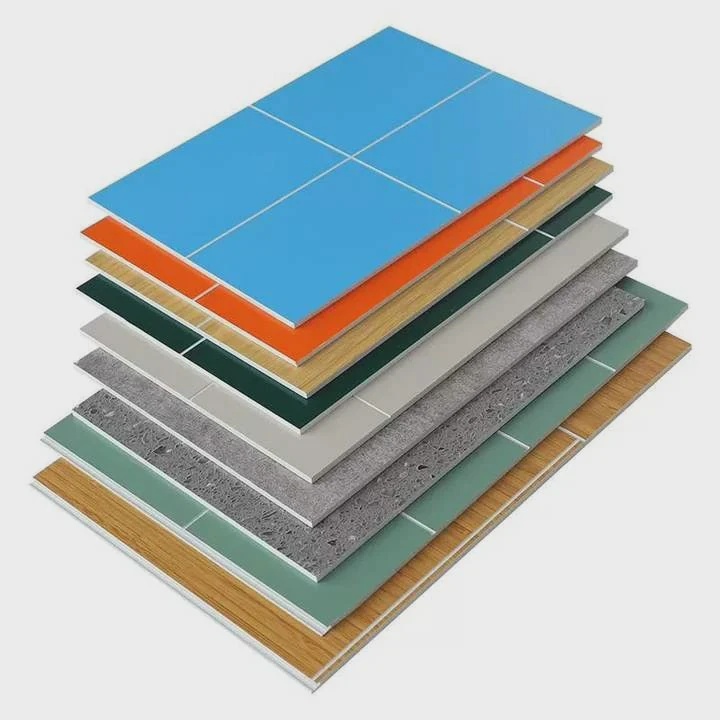
Efficiency is about working smarter, not just harder.
Start from loose or edge tiles
Edges and corners are easier to break.
- Begin at doorways or exposed edges
- Use these points to get under tiles
Work in sections
Divide the floor into manageable areas.
- Focus on one section at a time
- Maintain consistent progress
Use power tools effectively
Power tools greatly improve speed.
- Rotary hammer for breaking tiles
- Scraper attachment for removing residue
Combine techniques
Do not rely on one method.
- Break tiles first
- Then scrape adhesive
Time-saving strategies
| Method | Advantage |
|---|---|
| Starting at edges | Easier entry point |
| Sectional work | Better organization |
| Power tools | Faster removal |
| Combined approach | Efficient workflow |
Reduce fatigue
Long projects can be physically demanding.
- Take short breaks
- Use ergonomic tools
- Maintain proper posture
Common mistakes
- Working randomly without plan
- Using only manual tools
- Ignoring efficient workflow
Speed comes from planning and using the right techniques.
What should be done after tile removal?
Many people think the job is done once tiles are removed. However, the next steps are just as important.
After tile removal, you should clean the surface, remove adhesive residue, repair damage, and prepare the subfloor for new flooring.
Proper post-removal work ensures the next installation is smooth and durable.
Remove adhesive residue
Adhesive left behind can affect new flooring.
- Use a floor scraper or grinder
- Ensure surface is smooth
Clean the surface
Dust and debris must be removed.
- Sweep and vacuum thoroughly
- Wipe if necessary
Inspect for damage
Check for:
- Cracks
- Holes
- Uneven areas
Repair the subfloor
Fix issues before new installation.
- Fill cracks with compound
- Apply leveling compound if needed
Post-removal checklist
| Task | Purpose |
|---|---|
| Remove adhesive | Smooth surface |
| Clean thoroughly | Improve bonding |
| Inspect damage | Identify issues |
| Repair surface | Prepare for next step |
Moisture check
Especially for concrete:
- Ensure the surface is dry
- Prevent future flooring issues
Final preparation
Before installing new flooring:
- Confirm surface is level
- Ensure it is clean and stable
Common mistakes
- Skipping cleaning
- Ignoring small damage
- Installing new flooring too soon
Proper finishing steps ensure long-term performance of the new floor.
Conclusion
Removing old floor tile requires the right tools, careful handling to protect the subfloor, efficient methods to save time, and thorough preparation afterward. Each step ensures a smooth transition to the next flooring installation and long-lasting results.