How to Remove Scuff Marks from Tile Floor?
- Sinotiles
- 2026-04-01
Scuff marks make even clean floors look dirty. They appear fast and ruin the overall feel of a space. Many people try random methods and damage the tile surface.
The best way to remove scuff marks from tile floors is to use mild cleaners, soft tools, and gentle techniques that clean without scratching or dulling the finish.
Clean floors matter for both homes and commercial spaces. So it is important to use the right method, not just a quick fix.
What cleaners remove scuff marks effectively?
Scuff marks can be stubborn and frustrating. Many people use strong chemicals and end up damaging the tile surface instead of fixing the problem.
Mild cleaners like baking soda paste, dish soap, vinegar solution, and specialized tile cleaners can effectively remove scuff marks without harming the tile surface.
When choosing a cleaner, the key is balance. A cleaner must be strong enough to lift the scuff but gentle enough to protect the tile finish.
Common effective cleaners
Here is a simple comparison of commonly used cleaners:
| Cleaner Type | Strength Level | Safe for Tiles | Best Use Case |
|---|---|---|---|
| Dish Soap + Water | Mild | Yes | Light scuff marks |
| Baking Soda Paste | Medium | Yes | Moderate marks |
| Vinegar Solution | Mild Acidic | Yes* | General cleaning |
| Tile Cleaner | Controlled | Yes | Commercial or heavy cleaning |
| Magic Eraser | Medium | Yes | Rubber or shoe scuffs |
*Avoid vinegar on natural stone tiles.
Why mild cleaners work better
Scuff marks are often caused by rubber, dirt, or metal transfer. These materials sit on top of the tile surface. They do not need harsh chemicals to remove.
Strong chemicals may:
- Damage glaze coating
- Fade tile color
- Reduce shine over time
Simple cleaning process
- Start with warm water and cloth
- Apply mild cleaner
- Rub gently in circular motion
- Rinse and dry
This method works in most cases.
Real experience insight
In many export projects, especially for large commercial spaces, cleaning teams often use aggressive chemicals. Over time, this creates dull surfaces. Clients then complain about “low-quality tiles,” but the real issue is improper cleaning.
So choosing the right cleaner is not just about cleaning. It also protects long-term tile value.
How do you avoid damaging tile finish?
Many people remove scuff marks but unknowingly damage the tile finish. This creates a bigger problem than the original mark.
To avoid damaging tile finish, always use soft materials, avoid harsh chemicals, and test cleaning methods on a small hidden area first.
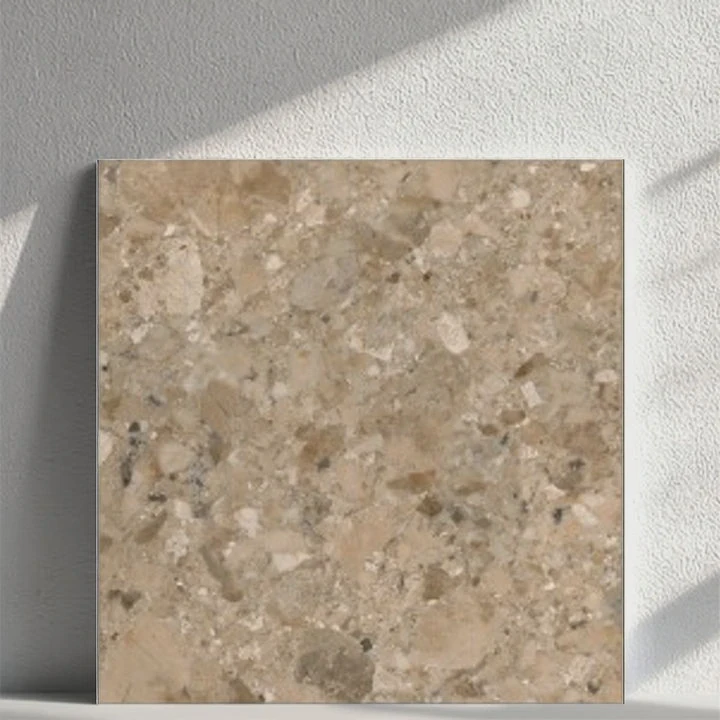
Tile surfaces, especially glazed tiles, have a protective layer. Once this layer is damaged, it cannot be restored easily.
Common mistakes to avoid
| Mistake | Result |
|---|---|
| Using steel wool | Scratches surface |
| Strong acid cleaners | Corrosion and fading |
| Hard scrubbing brushes | Loss of shine |
| Dry scrubbing | Micro-abrasion damage |
Safe cleaning practices
1. Always use soft tools
Use microfiber cloth, sponge, or soft brush. These reduce friction damage.
2. Keep the surface wet
Dry friction increases scratching risk. Always apply water or cleaner before scrubbing.
3. Avoid over-cleaning
Cleaning too often with strong agents reduces tile lifespan.
4. Test before full application
Try cleaning in a corner first. This prevents visible damage if something goes wrong.
Understanding tile types
Different tiles require different care:
- Glazed tiles: More resistant but sensitive to scratches
- Polished tiles: Smooth but can lose shine
- Matte tiles: More forgiving but harder to clean
Practical case
In one project, a contractor used acidic cleaner daily on polished tiles. Within months, the tiles lost their shine. Replacement cost was much higher than proper maintenance.
So prevention is always cheaper than repair.
Can baking soda help remove scuffs?
Many people look for simple and low-cost solutions. Baking soda is often mentioned as a home remedy.
Yes, baking soda can effectively remove scuff marks because it works as a mild abrasive that lifts marks without damaging most tile surfaces.
Why baking soda works
Baking soda has fine particles. These particles help break down scuff marks gently.
It is:
- Non-toxic
- Low-cost
- Easy to use
- Safe for most tile types
How to use baking soda
Step-by-step method:
- Mix baking soda with water to form paste
- Apply paste on scuff mark
- Use soft cloth or sponge
- Rub gently
- Rinse with clean water
- Dry surface
When to use baking soda
| Situation | Suitable? |
|---|---|
| Light scuff marks | Yes |
| Heavy rubber marks | Yes |
| Deep scratches | No |
| Natural stone tiles | Use with caution |
Limitations
Baking soda is not a magic solution. It cannot fix:
- Deep scratches
- Cracked tiles
- Worn-out glaze
Real-world use
In many residential projects, baking soda is often the first solution recommended. It works well for everyday marks caused by shoes or furniture movement.
However, in large commercial spaces, professional cleaners are still needed for efficiency.
So baking soda is best for small-scale or regular maintenance cleaning.
Which tools work best for stubborn marks?
Some scuff marks are very stubborn. Simple cloth cleaning does not work in these cases.
The best tools for stubborn scuff marks include magic erasers, soft brushes, microfiber pads, and rubber erasers that provide controlled friction without damaging tiles.
Top tools for scuff removal
| Tool Type | Effectiveness | Risk Level | Best For |
|---|---|---|---|
| Magic Eraser | High | Low | Rubber scuffs |
| Microfiber Pad | Medium | Very Low | Daily cleaning |
| Soft Brush | Medium | Low | Textured tiles |
| Rubber Eraser | High | Very Low | Shoe marks |
| Floor Cleaning Pad | High | Medium | Large areas |
Tool selection strategy
1. Start soft
Always begin with the least aggressive tool.
2. Increase gradually
If marks remain, move to slightly stronger tools.
3. Avoid metal tools
Metal tools scratch tiles and should never be used.
Combining tools and cleaners
Best results often come from combining tools and cleaners:
- Baking soda + sponge
- Tile cleaner + microfiber pad
- Magic eraser + water
Professional cleaning approach
In commercial projects, cleaning teams use:
- Auto scrubbers
- Soft rotating pads
- Neutral cleaning agents
This ensures:
- Fast cleaning
- Consistent results
- No surface damage
Practical insight
In export projects, especially for large buyers, tool selection matters a lot. Some clients report “tile defects,” but after inspection, the issue is often caused by wrong cleaning tools.
So choosing the right tool is just as important as choosing the right tile.
Conclusion
Removing scuff marks is simple when using the right cleaners, tools, and methods. Gentle cleaning protects tile quality and keeps floors looking new for years.