How to Install Marble Tile?
- Sinotiles
- 2026-03-31
Installing marble tile can feel overwhelming. Mistakes can be costly. Many buyers worry about cracking, staining, or poor finish. A clear process helps avoid these problems.
Marble tile installation requires proper preparation, the right adhesive, careful handling to prevent stains, and correct sealing timing. Each step directly affects durability, appearance, and long-term performance.
Many projects fail not because of bad materials, but because of wrong methods. Understanding each step makes the result stable and professional. Let’s break it down step by step.
What Preparation Is Needed for Marble Installation?
Poor preparation often leads to uneven surfaces and tile damage. Many projects fail before installation even begins. A solid base is the key to success.
Proper preparation includes surface leveling, moisture control, layout planning, and material inspection. These steps ensure the marble tiles install evenly and last longer.
Preparation is the foundation of any marble tile project. It directly affects how the final surface looks and performs. Skipping steps here often leads to expensive repairs later.
Surface Inspection and Leveling
The surface must be clean, dry, and flat. Even small bumps can cause marble tiles to crack. Marble is softer than porcelain, so it cannot tolerate uneven pressure.
- Use a straightedge to check flatness
- Fill low spots with leveling compound
- Grind down high spots
If the surface is not level, tiles will not sit evenly. This creates lippage, which is when tile edges are uneven.
Moisture Control
Marble is porous. It absorbs water easily. If the substrate has moisture, it can cause discoloration or bonding failure.
- Concrete must be fully cured
- Use moisture barriers if needed
- Avoid installing on damp surfaces
This step is very important for bathrooms and outdoor areas.
Layout Planning
Before installation, always dry-lay the tiles. This helps visualize the final look and avoid mistakes.
Key layout tips:
- Start from the center of the room
- Check tile pattern consistency
- Minimize small edge cuts
Material Inspection
Every tile must be checked before installation. Natural marble varies in color and veining.
| Check Item | Why It Matters |
|---|---|
| Color variation | Ensures visual consistency |
| Cracks or chips | Prevents weak points |
| Thickness | Keeps surface even |
Sorting tiles before installation helps create a balanced appearance.
Tools and Equipment
Preparation also includes having the right tools ready:
- Notched trowel
- Tile cutter or wet saw
- Level and spacers
- Rubber mallet
Without proper tools, installation becomes slow and inaccurate.
Preparation is not just a step. It is the base of the entire project. When done correctly, it reduces risk and improves efficiency.
How Do You Prevent Staining During Installation?
Marble stains easily. Even clean water can leave marks. Many installers ignore this risk and damage the surface before finishing.
To prevent staining, use clean materials, avoid colored adhesives, seal temporarily if needed, and clean immediately during installation.
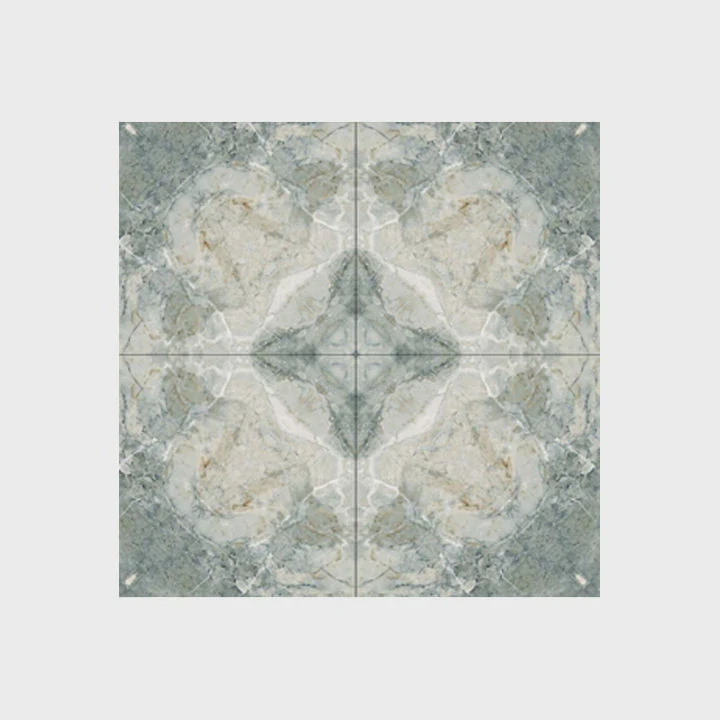
Marble is highly sensitive during installation. It reacts to moisture, dirt, and chemicals. Careful handling is necessary from start to finish.
Use Clean Water and Tools
Dirty water can leave stains on marble. Always use clean water when mixing adhesive or cleaning tiles.
- Change water frequently
- Avoid using rusty buckets
- Clean tools before use
Even small particles can affect the surface.
Avoid Colored Materials
Some adhesives and grouts contain pigments. These can seep into marble and cause permanent discoloration.
Best practice:
- Use white adhesive
- Use light-colored grout
- Avoid dark backing materials
This is especially important for light-colored marble.
Immediate Cleaning During Installation
Do not wait until the end of the day to clean. Adhesive residue can stain quickly.
- Wipe off excess adhesive immediately
- Use a soft sponge
- Do not flood the surface with water
Quick cleaning reduces risk significantly.
Temporary Sealing (Optional)
In some cases, installers apply a light pre-seal before installation. This adds a protective layer.
When to consider pre-sealing:
- Very porous marble
- Light-colored stone
- High-risk environments
However, this must be done carefully. Too much sealer can affect adhesion.
Handling and Storage
Marble should be stored properly before installation.
| Risk Factor | Prevention Method |
|---|---|
| Dust exposure | Cover tiles with plastic |
| Water exposure | Store in dry area |
| Scratches | Stack carefully with padding |
Good handling reduces damage and waste.
Preventing stains is not complicated. It just requires attention and discipline during the process.
Which Adhesives Are Suitable for Marble Tiles?
Using the wrong adhesive can cause tile failure. Some adhesives stain marble or do not provide enough support.
The best adhesives for marble tiles are white thin-set mortar, polymer-modified mortar, and epoxy adhesive for special cases. These ensure strong bonding without discoloration.
Choosing the right adhesive is critical. Marble is heavier and more delicate than ceramic tiles. It needs proper support and compatibility.
White Thin-Set Mortar
This is the most common choice.
Why it works:
- Prevents staining
- Provides strong bonding
- Easy to apply
Always choose white instead of gray. Gray mortar can show through light marble.
Polymer-Modified Mortar
This type contains added polymers. It improves flexibility and strength.
Benefits:
- Better adhesion
- Crack resistance
- Suitable for larger tiles
It is ideal for large-format marble tiles.
Epoxy Adhesive
Epoxy is used in special conditions.
When to use epoxy:
- High-moisture areas
- Commercial spaces
- Heavy traffic zones
It offers excellent bonding but is more expensive and harder to apply.
Adhesive Selection Table
| Adhesive Type | Best Use Case | Key Advantage |
|---|---|---|
| White thin-set | Standard installations | No staining |
| Polymer-modified | Large tiles or uneven areas | Strong and flexible |
| Epoxy adhesive | Wet or heavy-use areas | Maximum durability |
Application Tips
- Use the correct trowel size
- Apply evenly to avoid air gaps
- Back-butter large tiles
Back-buttering means applying adhesive on both the tile and the surface. This improves bonding.
Common Mistakes
- Using gray adhesive on white marble
- Applying too much or too little mortar
- Not checking coverage
Each mistake can lead to long-term issues.
Selecting the right adhesive is not optional. It directly impacts durability and appearance.
When Should Marble Tiles Be Sealed Properly?
Many people either seal too early or too late. Both can cause problems. Timing is very important.
Marble tiles should be sealed after installation and grout curing, but before exposure to moisture or heavy use. Proper timing ensures full protection without affecting adhesion.
Sealing protects marble from stains and moisture. However, it must be done at the correct time.
After Installation and Grouting
Sealing should not be done immediately after placing tiles.
Correct sequence:
- Install tiles
- Allow adhesive to cure
- Apply grout
- Let grout cure fully
- Clean surface
- Apply sealer
This ensures the sealer does not interfere with bonding.
Why Timing Matters
If sealed too early:
- Adhesive may not bond properly
- Moisture gets trapped
If sealed too late:
- Tiles may absorb stains
- Surface damage may occur
Timing affects both performance and appearance.
Types of Sealers
There are different types of sealers for marble.
Common options:
- Penetrating sealer
- Enhancing sealer
Penetrating sealers protect without changing appearance. Enhancing sealers deepen color.
Application Process
- Clean the surface thoroughly
- Apply sealer evenly
- Let it absorb
- Wipe off excess
Do not leave excess sealer on the surface. It can create a cloudy finish.
Maintenance After Sealing
Sealing is not permanent. It needs maintenance.
| Area Type | Resealing Frequency |
|---|---|
| Residential | Every 1–2 years |
| Commercial | Every 6–12 months |
| Wet areas | More frequent checks |
Regular maintenance keeps marble looking new.
Real Experience Insight
In one project, sealing was delayed for a week after installation. During that time, water stains appeared. Some marks became permanent. This shows how critical timing is.
Sealing is the final protection step. Doing it right ensures long-term performance.
Conclusion
Marble tile installation requires careful preparation, proper adhesive, stain prevention, and correct sealing timing. Each step matters. When done correctly, marble delivers both durability and premium visual appeal.