How To Install Tile Molding?
- Sinotiles
- 2026-05-20
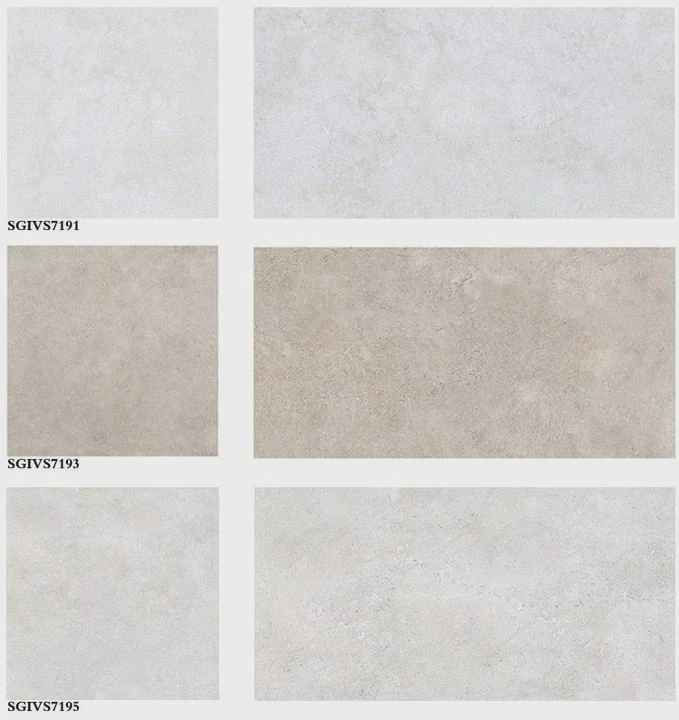
Many tile projects look unfinished even after perfect tile installation. Sharp edges, exposed corners, and rough transitions often ruin the final appearance and reduce long-term durability.
Tile molding creates clean edges, protects tile corners, and improves the overall appearance of tiled spaces. Proper installation depends on choosing the right molding type, matching materials correctly, and following careful installation steps from planning to finishing.
Tile molding is often treated as a small detail, but it has a major effect on the final result. A well-finished edge makes a bathroom, kitchen, or commercial wall look more professional and complete. In large projects, molding also helps protect tile edges from daily impact and wear. That is why many contractors and designers include tile trims in both residential and commercial installations from the beginning of the project.
What Types Of Tile Molding Are Available?
Many buyers focus only on tile color and size. Still, the molding type also changes the final appearance and performance of the installation.
Tile molding comes in several types, including bullnose trims, metal profiles, pencil trims, chair rails, quarter rounds, and edge protection profiles. Each option serves different design styles, installation needs, and durability requirements.
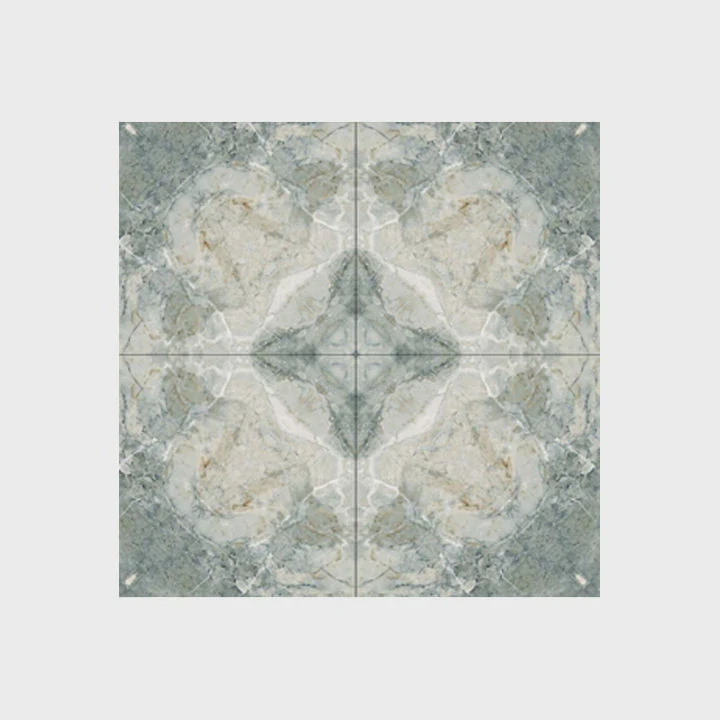
Choosing the correct molding starts with understanding the project itself. A luxury hotel bathroom needs a different finish compared to a residential kitchen backsplash or a shopping mall floor.
Bullnose Tile Molding
Bullnose molding is one of the most common choices in ceramic and porcelain tile projects. It features a rounded finished edge that creates a soft and smooth transition.
This molding works well for:
- Bathroom walls
- Shower edges
- Kitchen backsplashes
- Window surrounds
Bullnose trims often match the tile series directly, which helps create a seamless appearance.
Metal Tile Trims
Metal profiles have become very popular in modern interior design. Aluminum, stainless steel, and brass trims create a clean and minimal look.
These trims also provide strong edge protection in heavy-use spaces.
Common applications include:
| Metal Trim Type | Common Usage |
|---|---|
| Aluminum profile | Residential walls |
| Stainless steel trim | Commercial projects |
| Brass edge trim | Luxury interiors |
| Powder-coated trim | Decorative designs |
Metal trims are widely used in hotels, airports, restaurants, and shopping centers because they combine appearance with durability.
Pencil And Decorative Moldings
Pencil trims are narrow decorative strips often used to create borders or visual separation between tiles. Chair rail moldings provide a more traditional and decorative appearance.
These trims are popular in:
- Feature walls
- Decorative bathrooms
- Luxury kitchens
- High-end residential projects
Quarter Round And Corner Pieces
Quarter round trims soften sharp transitions between surfaces. They are commonly installed in corners or countertop edges.
Corner pieces also improve safety because sharp tile edges can chip easily over time.
Choosing Based On Tile Style
Modern large-format porcelain usually pairs with slim metal profiles. Traditional ceramic installations often use matching ceramic bullnose trims.
Different regions also prefer different styles. European projects often favor minimal metal trims, while some Middle Eastern and North American markets still prefer decorative ceramic moldings.
The molding choice should always match both the tile design and the functional needs of the space.
How Can Molding Improve Tile Edge Finishing?
Even high-quality tile can look incomplete without proper edge finishing. Exposed tile edges often chip, collect dirt, or create an uneven appearance.
Tile molding improves edge finishing by covering exposed tile sides, protecting corners from damage, creating smooth transitions, and giving the installation a clean and professional appearance.
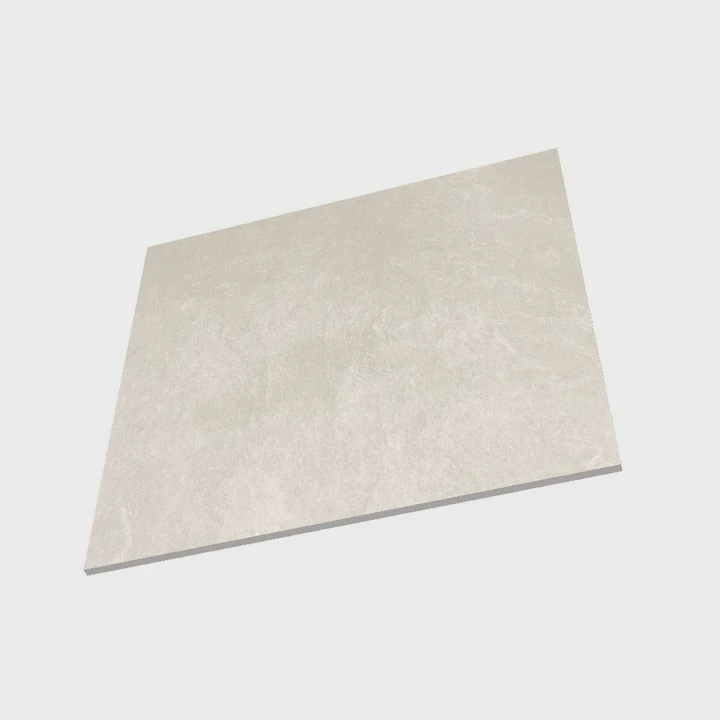
Many people notice tile surfaces first, but experienced installers pay close attention to the edges. Edge finishing often separates professional tile work from average installations.
Protection Against Chipping
Tile edges are vulnerable areas. Daily impact from shoes, carts, cleaning tools, or furniture can damage exposed corners.
This problem becomes more serious with porcelain tiles because they are extremely hard but can still chip along sharp edges.
Tile molding acts as a protective barrier. It absorbs impact and reduces direct stress on tile corners.
Cleaner Visual Appearance
Molding creates a clear ending point for tile surfaces. Without trim pieces, unfinished edges may look rough or uneven.
This is especially important in:
- Shower niches
- Kitchen backsplashes
- Stair edges
- Wall transitions
- External corners
A smooth edge gives the entire project a more polished appearance.
Better Transition Between Materials
Tile often meets other surfaces such as wood flooring, painted walls, vinyl flooring, or carpet. Molding helps create smooth transitions between these materials.
Without proper trims, gaps may become visible and collect dust or moisture.
Improved Water Resistance
Bathrooms, kitchens, and swimming pool areas face constant moisture exposure. Open tile edges allow water to enter behind the surface over time.
Proper molding helps seal vulnerable areas and supports better moisture protection.
Design Value In Commercial Projects
Commercial projects often use molding as both a design and functional element.
For example:
| Project Type | Molding Benefit |
|---|---|
| Hotels | Luxury appearance |
| Shopping malls | Edge protection |
| Restaurants | Easier cleaning |
| Hospitals | Safer corners |
| Offices | Modern finishing |
Large projects also require long-term durability. Replacing chipped edges later becomes expensive and disruptive.
Finishing Details Affect Customer Perception
Many buyers judge quality through small details. Even if the tile itself is excellent, poor edge finishing can reduce the perceived value of the entire project.
Professional edge finishing helps projects look complete, durable, and carefully planned.
Why Choose Matching Materials For Tile Trims?
Some projects fail visually because the trim does not match the tile style. Even strong installation work can look unbalanced when colors, textures, or materials clash.
Matching tile trim materials with the tile itself creates visual consistency, improves durability compatibility, and ensures a more balanced and professional final design.
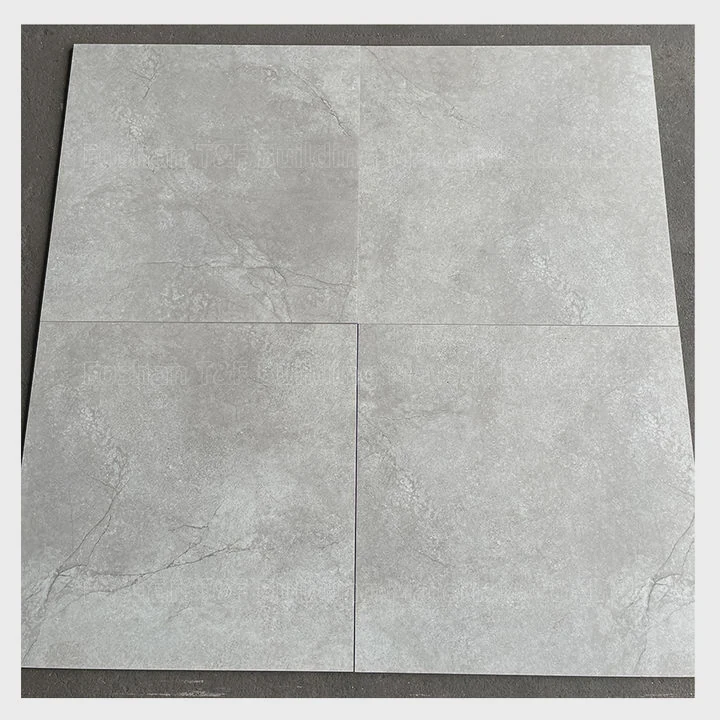
Tile trims should not feel separate from the tile installation. Instead, they should work together as one complete system.
Visual Harmony Matters
Modern interior design focuses heavily on consistency. A polished porcelain tile paired with low-quality plastic trim may immediately reduce the visual impact of the space.
Matching materials helps create:
- Consistent texture
- Balanced color tones
- Smooth transitions
- Unified design appearance
This is especially important in luxury residential and commercial projects.
Material Performance Should Match
Different materials expand and react differently under temperature and moisture changes.
For example:
- Metal trims work well with porcelain tiles
- Ceramic bullnose trims match ceramic tiles naturally
- Stainless steel trims suit wet commercial areas
- Brass trims complement luxury stone designs
Using incompatible materials can sometimes create long-term movement issues or uneven aging.
Large-Format Tiles Need Suitable Trims
Large porcelain slabs often require stronger trim systems because of their weight and edge size.
Slim metal profiles have become common because they provide strong support while maintaining modern aesthetics.
Color Coordination Improves Design
Color matching is not always about using identical shades. In many projects, contrast is also intentional.
For example:
| Tile Color | Popular Trim Choice |
|---|---|
| White marble-look tile | Gold brass trim |
| Concrete-look porcelain | Black aluminum trim |
| Wood-look tile | Bronze metal trim |
| Glossy ceramic tile | Matching ceramic bullnose |
The goal is balance, not visual conflict.
Consistency Builds Brand Image
In commercial projects such as hotels or retail chains, consistent finishing details help strengthen the brand image.
Architects and developers often specify exact trim materials across multiple locations to maintain the same appearance globally.
Cheap Trims Can Reduce Project Value
Some buyers focus too heavily on reducing trim costs. Still, poor-quality trims often discolor, corrode, or crack faster than the tile itself.
This creates maintenance problems later.
A well-matched trim system improves both appearance and long-term durability. Good molding should feel like a natural extension of the tile, not an afterthought added at the end.
Which Steps Ensure Proper Molding Installation?
Even premium molding products can fail if installation is careless. Uneven alignment, weak bonding, or incorrect cutting often becomes visible immediately after completion.
Proper tile molding installation requires accurate measurement, careful cutting, correct adhesive use, proper alignment, and consistent spacing throughout the tile installation process.
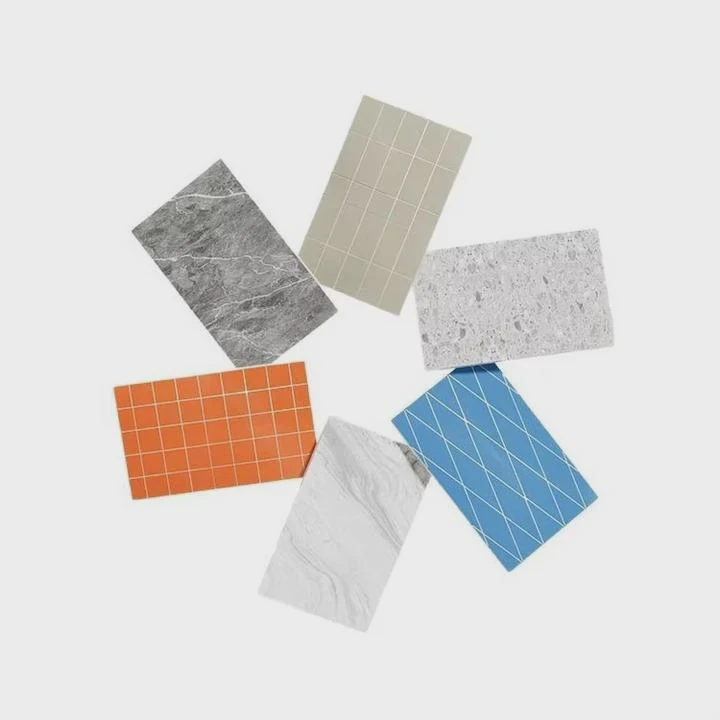
Professional molding installation begins before the first tile is placed. Planning is one of the most important parts of the process.
Step 1: Plan The Layout
Installers first identify all exposed tile edges, corners, transitions, and finishing points.
This planning stage helps determine:
- Trim quantity
- Corner locations
- Transition areas
- Cutting angles
- Material matching
Poor planning often creates unnecessary joints or uneven finishes later.
Step 2: Measure And Cut Carefully
Accurate cutting is critical for clean corners and straight lines.
Metal trims usually require:
- Miter saws
- Metal cutting blades
- Fine polishing after cutting
Ceramic moldings may require wet tile saws to reduce chipping.
Step 3: Apply Adhesive Correctly
Most trims install together with the tile itself. The trim anchoring leg sits inside the adhesive beneath the tile edge.
Installers should avoid:
- Excess adhesive buildup
- Uneven pressure
- Air gaps under trims
Improper adhesive coverage can weaken the trim connection over time.
Step 4: Align Trim And Tile Together
The trim height must match the tile thickness closely.
If the trim sits too high:
- Edges may become uneven
If the trim sits too low:
- Tile edges remain exposed
Professional installers constantly check alignment during installation.
Step 5: Maintain Consistent Spacing
Grout joints around trims should remain consistent with the tile layout.
Uneven grout spacing quickly becomes visible along long walls or floors.
Step 6: Finish And Clean Carefully
After adhesive curing, installers grout carefully around the molding without scratching the trim surface.
Protective film on metal trims should stay in place until final cleaning is complete.
Installation Quality Impacts Long-Term Durability
Poor molding installation often causes:
| Installation Problem | Possible Result |
|---|---|
| Weak bonding | Loose trims |
| Poor alignment | Uneven edges |
| Incorrect cuts | Visible gaps |
| Inconsistent spacing | Poor appearance |
| Scratched trims | Reduced visual quality |
Experienced installers understand that molding is not only decorative. It also protects tile edges and supports long-term performance.
Careful installation creates cleaner lines, stronger protection, and a more professional finished project.
Conclusion
Tile molding improves both the appearance and durability of tile installations. Choosing the right trim type, matching materials carefully, and following proper installation steps helps create clean edges, stronger protection, and a more professional final result that lasts for years.