How to Remove Tile From Wood Subfloor?
- Sinotiles
- 2026-05-18

Removing old tile from a wood subfloor can feel messy and risky. Many people worry about cracked plywood, hidden moisture, or wasted time during demolition.
The best way to remove tile from a wood subfloor is to use the right tools, work slowly, and protect the plywood underneath. Careful adhesive removal and proper safety steps also help prevent costly repairs later.
Many renovation projects start with tile removal. Some homeowners want a new floor style. Some contractors need to repair water damage. Others want to prepare the space for modern large-format tiles or wood flooring. The process looks simple at first, but wood subfloors can break easily if the wrong method is used. A careful approach saves time, labor, and replacement costs.
What Tools Are Needed to Remove Tile From Wood Subfloor?
Removing floor tile without the right tools often leads to broken plywood, slow progress, and heavy labor. Many people start with basic hammers and quickly regret it.
The main tools needed for tile removal include a hammer, pry bar, floor scraper, chisel, oscillating tool, utility knife, and safety gear. Power tools can speed up large projects and reduce labor time.
Tile removal becomes much easier when each tool matches the job. Small bathrooms may only need hand tools. Large commercial floors often require electric demolition equipment. Over the years, many contractors have learned that poor tools increase labor costs and damage rates.
Basic Hand Tools for Tile Removal
Most projects begin with simple demolition tools. These tools help loosen tiles and remove broken pieces safely.
| Tool | Main Purpose |
|---|---|
| Hammer | Break first tile and loosen sections |
| Cold chisel | Separate tile from adhesive |
| Pry bar | Lift stubborn tiles |
| Floor scraper | Remove thinset and debris |
| Utility knife | Cut around edges and transitions |
| Putty knife | Scrape soft adhesive residue |
A hammer and chisel usually start the process. After one tile breaks, the remaining pieces become easier to remove. A long-handled floor scraper reduces bending and speeds up cleanup.
Power Tools That Save Time
Large floors often require stronger equipment. Contractors handling hotels, malls, or apartment projects usually rely on electric tools.
Common Power Tools
- Rotary hammer with chisel attachment
- Oscillating multi-tool
- Demolition hammer
- Heat gun for soft adhesives
- Angle grinder with diamond cup wheel
A rotary hammer can remove ceramic tiles much faster than hand tools. Still, operators must control pressure carefully because wood subfloors crack more easily than concrete slabs.
Why Tool Quality Matters
Cheap tools create more vibration and less control. This often causes plywood layers to split. Good-quality scrapers and chisels keep sharper edges and reduce strain during removal.
Many experienced flooring installers also keep extra blades nearby. Thinset adhesive dulls scraping edges very quickly.
Helpful Accessories
Small accessories also improve efficiency:
- Heavy-duty trash bags
- Buckets for debris
- Shop vacuum
- Knee pads
- Extension cords
- Dust barriers
Dust management matters a lot during indoor demolition. Fine particles spread through HVAC systems very fast.
Choosing Tools Based on Tile Type
Different tile materials require different removal methods.
| Tile Type | Difficulty Level | Recommended Tool |
|---|---|---|
| Ceramic tile | Medium | Hammer and scraper |
| Porcelain tile | High | Rotary hammer |
| Mosaic tile | Medium | Oscillating tool |
| Natural stone | High | Demolition hammer |
| Large-format tile | High | Long floor scraper |
Porcelain tiles usually bond more strongly to thinset adhesive. Large-format tiles also create stronger suction against the subfloor.
Why Preparation Tools Matter
Many people focus only on demolition tools. Preparation tools matter just as much. Plastic sheeting, painter’s tape, and dust masks help control debris before work starts.
Professional crews often spend nearly one-third of project time preparing the work area. That preparation reduces cleanup costs and protects nearby furniture or finished surfaces.
How Can You Avoid Damaging the Subfloor During Removal?
Many wood subfloors get damaged during aggressive tile demolition. Deep gouges, moisture exposure, and broken plywood increase repair costs before new flooring installation begins.
You can avoid damaging the subfloor by using controlled force, removing tiles gradually, softening adhesive carefully, and inspecting weak areas throughout the process.
Wood subfloors require more care than concrete bases. Plywood layers can split under excessive impact. Some older homes also contain weakened sections caused by moisture or termites. A slow and controlled approach protects the structure underneath.
Start With a Small Test Area
Professional installers rarely attack the entire floor immediately. A small test section reveals how strongly the tiles bond to the plywood.
This test helps determine:
- Adhesive thickness
- Subfloor condition
- Tile hardness
- Moisture damage presence
- Best removal angle
If the first few tiles come off cleanly, the project becomes easier. If plywood fibers tear away with the adhesive, extra caution becomes necessary.
Use the Correct Removal Angle
The tool angle matters more than many people realize.
Recommended Chisel Angle
- Low angle: safer for plywood
- High angle: higher risk of gouging
- Flat scraping: best for adhesive cleanup
Keeping the scraper nearly parallel to the floor reduces deep cuts into the wood surface.
Avoid Excessive Force
Some workers swing demolition hammers too aggressively. This may speed up tile breakage, but it also weakens the plywood underneath.
Instead, experienced installers often:
- Break one tile first
- Slide the chisel underneath
- Lift gradually
- Work section by section
This method keeps pressure controlled.
Watch for Moisture Damage
Older tile floors sometimes hide water damage. Bathrooms and kitchens are common problem areas.
Signs include:
- Dark plywood spots
- Soft wood texture
- Mold smell
- Delamination layers
- Warped panels
Damaged wood should usually be replaced before installing new flooring.
Remove Adhesive Carefully
Thinset removal causes many subfloor injuries. Some adhesives bond harder than the tiles themselves.
Safer Adhesive Removal Methods
| Method | Risk to Subfloor | Best Use |
|---|---|---|
| Floor scraper | Low | Light residue |
| Heat gun | Medium | Soft adhesives |
| Oscillating tool | Medium | Edge cleanup |
| Grinder | High | Thick thinset |
| Chemical remover | Medium | Certain mastics |
Power grinders work fast, but they can remove plywood layers very quickly if operators lose control.
Why Patience Saves Money
Rushing demolition often creates more repair work later. Replacing plywood panels adds labor, materials, and installation delays.
Many contractors now prefer slower removal methods because subfloor repair costs continue rising in many markets.
Inspect the Floor After Removal
After tile and adhesive removal, inspect the surface fully.
Look for:
- Loose screws
- Squeaking sections
- Water stains
- Uneven areas
- Cracks or gaps
A stable subfloor creates better long-term performance for new tile installation.
Why Is Adhesive Removal Important After Tile Removal?
Many people stop after removing the tiles themselves. Old adhesive left behind can create uneven flooring, weak bonding, and future installation problems.
Adhesive removal is important because leftover thinset or mastic can prevent proper bonding, create uneven surfaces, and shorten the lifespan of new flooring materials.
A clean subfloor creates the foundation for every successful flooring project. Even high-quality tiles can fail if installed over rough adhesive residue. Professional flooring suppliers often emphasize preparation more than installation itself.
Old Adhesive Creates Uneven Floors
Thinset ridges may appear small at first. However, even minor bumps affect large-format tile installations.
Common problems include:
- Lippage between tiles
- Hollow sounds
- Cracked grout lines
- Uneven plank flooring
- Poor adhesive transfer
Large porcelain slabs especially require flat surfaces because they flex less than smaller tiles.
Adhesive Types Matter
Different adhesives require different removal methods.
| Adhesive Type | Common Use | Removal Difficulty |
|---|---|---|
| Thinset mortar | Ceramic and porcelain tile | High |
| Mastic adhesive | Wall tile and dry areas | Medium |
| Epoxy mortar | Commercial projects | Very high |
| Construction adhesive | Patch repairs | Medium |
Thinset mortar usually bonds strongest to plywood surfaces.
Surface Flatness Standards
Modern flooring systems require better flatness than older installations. Large-format tiles often need stricter floor tolerances.
Common Flatness Issues
- Adhesive ridges
- Plywood swelling
- Old patch compounds
- Subfloor dips
- Debris buildup
Even small surface defects can affect premium flooring installations.
Why New Adhesive Bonds Fail
New mortar bonds poorly over dusty or contaminated surfaces. Old adhesive sometimes contains oils, moisture, or weakened compounds.
This can lead to:
- Tile movement
- Cracking
- Debonding
- Moisture penetration
- Shorter floor lifespan
Many flooring failures start from poor surface preparation rather than poor tile quality.
Best Adhesive Removal Methods
Several methods help clean wood subfloors safely.
Common Cleaning Methods
- Hand scraper
- Oscillating tool
- Heat-assisted scraping
- Sanding
- Chemical adhesive remover
Each method depends on adhesive thickness and subfloor condition.
Dust Control During Adhesive Removal
Adhesive grinding creates very fine dust particles. Older adhesives may also contain harmful materials in some renovation projects.
Dust control methods include:
- HEPA vacuums
- Plastic barriers
- Respirators
- Ventilation fans
- Wet scraping methods
Professional renovation crews often isolate work zones completely.
Final Surface Preparation
Before installing new flooring, contractors usually:
- Vacuum the floor
- Check levelness
- Tighten loose fasteners
- Repair damaged plywood
- Prime surfaces if needed
Good preparation increases installation quality and reduces callbacks later.
Which Safety Precautions Apply When Removing Tiles?
Tile demolition creates sharp debris, dust, noise, and physical strain. Many injuries happen because people underestimate the risks involved during floor removal.
Important safety precautions include wearing protective gear, controlling dust, using proper lifting techniques, disconnecting utilities if needed, and keeping the work area ventilated and organized.
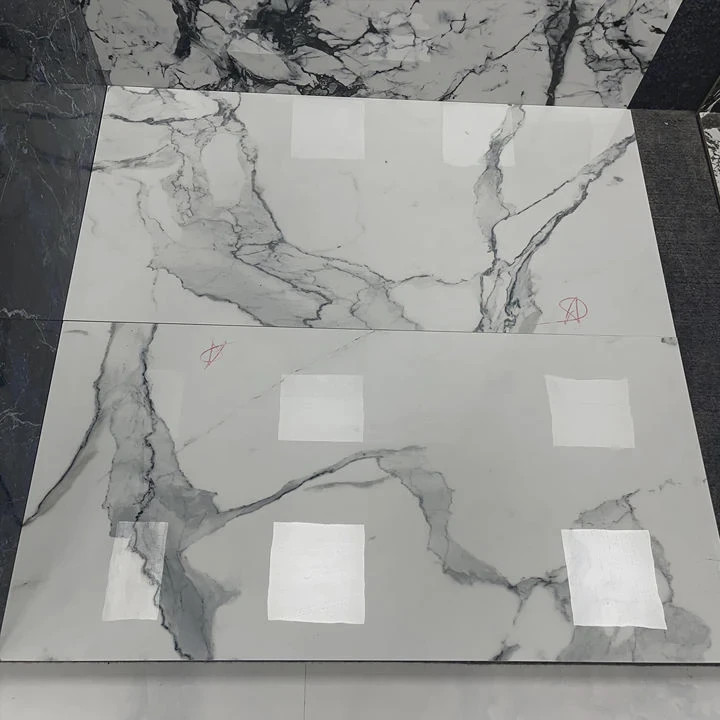
Safety should never become an afterthought during tile removal. Broken ceramic pieces are extremely sharp. Power tools also create loud noise and airborne dust. Professional demolition teams follow strict safety routines before starting any project.
Essential Personal Protective Equipment
Protective equipment reduces injury risks significantly.
| Safety Gear | Purpose |
|---|---|
| Safety goggles | Protect eyes from shards |
| Gloves | Prevent cuts |
| Knee pads | Reduce joint strain |
| Respirator mask | Block dust inhalation |
| Steel-toe boots | Protect feet from debris |
| Hearing protection | Reduce tool noise exposure |
Respirators become especially important during adhesive grinding.
Dust Exposure Risks
Tile demolition generates silica dust. Long-term silica exposure may cause serious health problems.
Common Dust Sources
- Thinset grinding
- Broken porcelain tile
- Mortar removal
- Dry sweeping
Wet methods and HEPA vacuums help reduce airborne particles.
Safe Tool Handling
Power tools require careful control.
Important habits include:
- Inspect cords before use
- Keep blades sharp
- Use both hands when possible
- Avoid overreaching
- Turn off tools during adjustments
Tired workers make more mistakes. Many contractors schedule regular breaks during large demolition projects.
Lifting and Debris Removal Safety
Broken tile debris becomes very heavy quickly. Repeated lifting causes back strain.
Safer Material Handling Tips
- Use small buckets instead of large overloaded bins
- Bend knees while lifting
- Keep walkways clear
- Remove debris frequently
- Wear slip-resistant shoes
Large commercial projects often use rolling carts to reduce lifting injuries.
Electrical and Plumbing Awareness
Bathrooms and kitchens may contain hidden utilities beneath the floor.
Before demolition:
- Locate water lines
- Identify electrical wiring
- Shut off nearby utilities if necessary
- Avoid deep cutting near walls
Accidental pipe damage creates major repair costs.
Protecting Nearby Areas
Tile dust spreads very easily through homes and buildings.
Many professionals use:
- Plastic containment walls
- Zip-door barriers
- HVAC vent covers
- Negative air fans
Containment saves hours of cleanup after demolition ends.
Why Safety Planning Matters
Small residential jobs still carry serious risks. Sharp fragments, loud tools, and dust exposure affect both workers and occupants.
A clear safety plan helps reduce:
- Injuries
- Repair costs
- Project delays
- Insurance claims
- Cleanup time
Careful preparation often makes the demolition process faster and more organized overall.
Conclusion
Removing tile from a wood subfloor requires patience, proper tools, careful adhesive cleanup, and strong safety habits. A controlled process protects the plywood underneath and creates a better surface for new flooring installation.
- Pre: How to Bullnose Tile?
- Next: How to Regrout Shower Tile?