How to Bullnose Tile?
- Sinotiles
- 2026-05-15
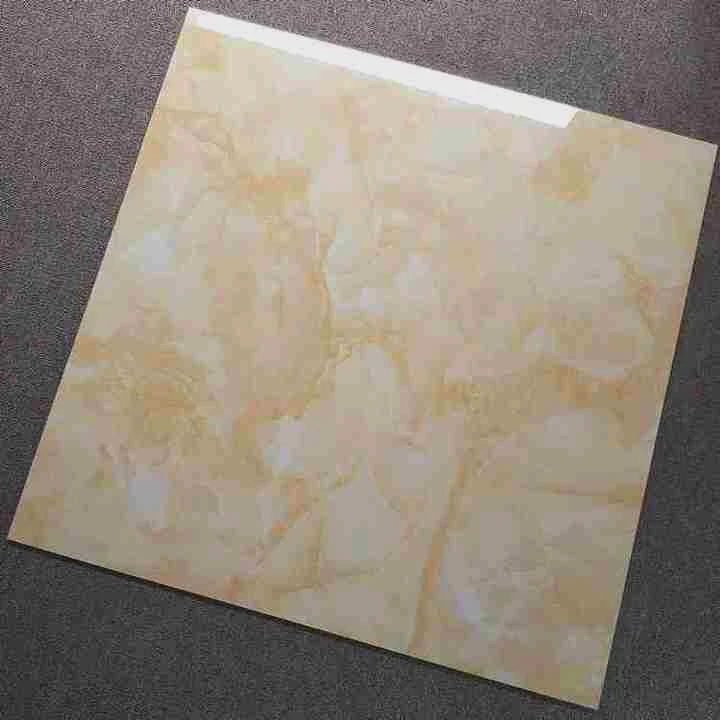
Sharp tile edges can ruin the whole look of a project. They also create safety risks and make finished walls or floors look incomplete.
Bullnose tile edges are made by grinding and polishing the edge into a smooth rounded shape. Most installers use angle grinders, polishing pads, sanding blocks, and diamond tools to create clean and professional tile finishes.
Many tile buyers ask about bullnose finishing before placing large orders. Some want to reduce costs by making bullnose edges themselves instead of ordering factory-finished tiles. Others need custom sizes or colors that do not come with pre-made bullnose pieces. The good news is that modern tools make this process much easier than before. Still, the final quality depends on technique, patience, and the right tile material.
What tools are used to create bullnose edges?
Creating bullnose edges without proper tools often leads to chipped tiles, uneven curves, and wasted materials. This problem becomes worse on porcelain tiles because they are harder and denser.
Most professionals use an angle grinder with a diamond blade, diamond polishing pads, sanding blocks, and water-fed polishing tools to create smooth bullnose tile edges with consistent results.
The tool choice changes the final result. In many commercial tile projects, edge quality matters as much as the tile surface itself. A poor edge finish can make expensive tiles look cheap. That is why experienced installers invest in proper edge-finishing equipment.
Basic Tools for Bullnose Tile Work
The most common tool is the angle grinder. Installers usually attach a diamond blade or profiling wheel to shape the tile edge. After shaping, they polish the edge using diamond polishing pads.
Here is a simple breakdown of common tools:
| Tool | Main Purpose | Best For |
|---|---|---|
| Angle grinder | Shaping the edge | Porcelain and ceramic tiles |
| Diamond blade | Rough edge cutting | Hard materials |
| Profiling wheel | Creating rounded edges | Uniform bullnose shapes |
| Sanding block | Smoothing rough spots | Small adjustments |
| Diamond polishing pads | Final polishing | Glossy finishes |
| Wet polisher | High-end polishing | Large projects |
Why Diamond Tools Matter
Diamond tools last longer and cut cleaner. Porcelain tiles are extremely hard. Cheap abrasive tools wear down quickly and create heat. Too much heat may crack the tile edge.
Diamond polishing pads come in different grit levels. Lower grit pads shape the edge. Higher grit pads polish the surface until it becomes smooth and reflective.
A common polishing sequence looks like this:
- 50 grit for shaping
- 100 grit for smoothing
- 200 grit for refining
- 400 grit for pre-polish
- 800 grit and above for gloss finish
Wet vs Dry Processing
Many factories and large workshops use wet polishing systems. Water reduces dust and keeps the tile cool during grinding. This method produces cleaner finishes and longer tool life.
Dry grinding is more common on job sites because it is faster and easier to handle. Still, dry grinding creates heavy dust. Workers should always use safety glasses and dust masks.
Tile Material Also Changes Tool Needs
Not every tile reacts the same way. Ceramic tiles are softer and easier to shape. Porcelain tiles need stronger blades and more polishing time. Marble and natural stone require gentler finishing to avoid surface damage.
In several export projects, custom bullnose edges become important because buyers want matching trims for hotels, malls, and luxury apartments. Large-format porcelain slabs especially need accurate edge finishing because exposed edges are easier to notice on bigger surfaces.
Common Mistakes During Edge Creation
Many beginners press too hard while grinding. This causes edge chipping and uneven curves. Slow and controlled movements create better results.
Another mistake is skipping polishing stages. Some people move directly from rough grinding to fine polishing. This leaves visible scratches on the edge.
Professionals usually test the process on spare tiles first. This helps adjust blade pressure, speed, and polishing steps before starting mass production.
How can sanding smooth tile edges effectively?
Freshly cut tile edges often feel rough and sharp. Without sanding, even a rounded bullnose edge can still look unfinished and unsafe to touch.
Sanding smooths tile edges by removing chips, scratches, and rough areas through gradual abrasive polishing, usually starting with coarse grit and ending with fine grit for a clean finish.
Sanding may sound simple, but it plays a huge role in edge quality. Many installers focus too much on cutting and shaping while ignoring the finishing stage. In reality, sanding is what transforms a rough tile edge into a professional bullnose finish.
Why Sanding Matters
The grinding stage creates the basic rounded shape. Still, grinding leaves visible scratches and rough marks behind. Sanding removes these imperfections step by step.
Without sanding, tile edges may:
- Feel sharp when touched
- Show visible grinding marks
- Reflect light unevenly
- Look lower quality than factory finishes
In commercial projects, edge appearance becomes very important under bright lighting. Hotels, shopping malls, and luxury homes often use polished surfaces that expose every small defect.
Hand Sanding vs Machine Sanding
Hand sanding works well for small projects. Installers often use sanding stones or diamond hand pads for touch-ups and detail work.
Machine sanding is faster for large-scale production. Wet polishers with diamond pads create smoother and more consistent finishes.
Here is a comparison:
| Sanding Method | Advantages | Limitations |
|---|---|---|
| Hand sanding | Better control | Slower |
| Machine sanding | Faster results | Requires experience |
| Wet sanding | Less dust | Needs water supply |
| Dry sanding | Portable | More airborne dust |
Grit Progression Is Important
Many people fail because they skip grit levels. Smooth finishing needs gradual refinement.
A common sanding sequence includes:
- Coarse grit to remove chips
- Medium grit to smooth scratches
- Fine grit to polish the edge
If installers jump directly to fine grit, deeper scratches remain visible.
Water Improves the Finish
Wet sanding creates cleaner surfaces because water carries away dust particles. It also reduces friction heat.
This becomes very important when polishing glazed porcelain tiles. Too much heat may discolor the glaze or weaken the edge.
Edge Consistency Matters
Professional-looking bullnose edges should have the same curve from start to finish. Uneven sanding creates flat spots or waves along the edge.
Experienced installers keep consistent hand pressure and sanding angles during the process.
Sanding Different Tile Types
Different materials react differently during sanding:
Porcelain Tile
Porcelain is dense and needs aggressive diamond abrasives. It takes longer to polish but produces very durable edges.
Ceramic Tile
Ceramic sands more easily. Still, glazed ceramic may chip if too much pressure is used.
Natural Stone
Marble and travertine polish quickly but scratch easily. Fine polishing stages are critical.
Dust Control and Safety
Dry sanding creates silica dust, which can be dangerous over time. Professional workshops often use water systems or vacuum extraction.
Basic safety equipment includes:
- Safety glasses
- Dust masks
- Gloves
- Hearing protection
In many production facilities, edge-finishing stations operate separately from the main cutting area to improve cleanliness and worker safety.
Why choose bullnose tiles for finishing edges?
Exposed tile edges can make even expensive installations look incomplete. Sharp corners also create cleaning problems and safety concerns in busy spaces.
Bullnose tiles create smooth, rounded edges that improve safety, appearance, durability, and overall project quality in both residential and commercial tile installations.
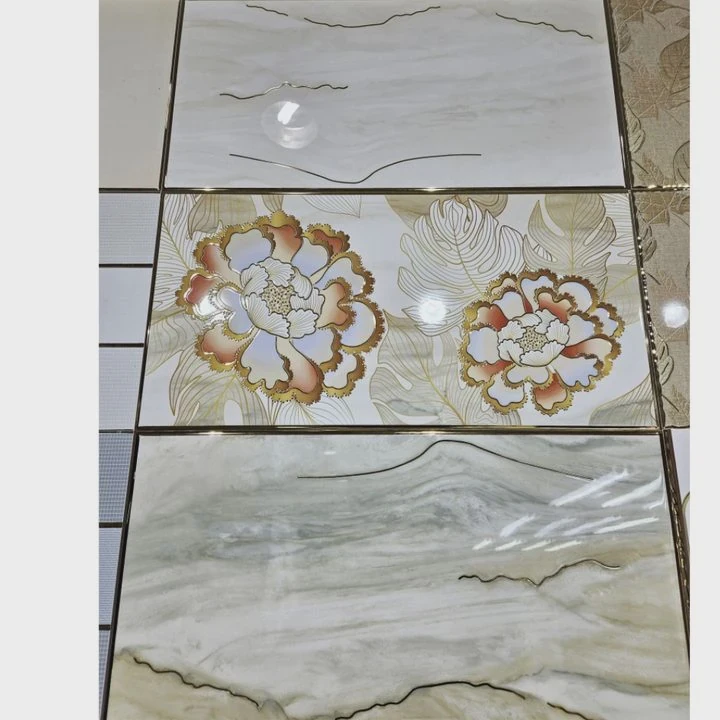
Bullnose finishing has remained popular for many years because it solves both design and functional problems at the same time. Many architects and contractors still prefer bullnose edges over metal trims for certain projects because they create a softer and more seamless appearance.
Bullnose Creates a Cleaner Look
Rounded edges help tiles blend naturally into walls, countertops, steps, and shower areas. Sharp exposed edges often interrupt the visual flow of the design.
Bullnose pieces create smooth transitions between surfaces. This becomes especially important in:
- Bathroom walls
- Stair edges
- Swimming pools
- Kitchen backsplashes
- Hotel lobbies
Large-format porcelain tiles often look more premium when paired with matching bullnose edges because the entire installation appears custom-made.
Safety Is a Major Benefit
Sharp tile edges can cause cuts and injuries. This risk increases in homes with children, hotels with high foot traffic, or commercial projects with public access.
Bullnose edges reduce this danger because the rounded shape softens contact points.
This is one reason why many building projects prefer bullnose finishing near:
| Area | Why Bullnose Helps |
|---|---|
| Staircases | Safer edge contact |
| Bathrooms | Reduced injury risk |
| Pools | Comfortable touch |
| Countertops | Softer corners |
| Hallways | Better durability |
Bullnose Improves Durability
Sharp tile corners chip more easily during daily use. Rounded edges spread impact pressure more evenly, which helps reduce edge damage.
This matters in commercial projects where carts, luggage, and cleaning equipment frequently hit tile corners.
Better Design Flexibility
Many modern projects use custom tile layouts. Sometimes matching trim pieces are unavailable from the factory. In these situations, installers create custom bullnose edges directly from field tiles.
This allows greater flexibility in:
- Color matching
- Large-format installations
- Special dimensions
- Custom stair treads
- Decorative borders
Bullnose vs Metal Edge Trim
Metal trims have become popular in modern construction. Still, many designers prefer bullnose finishes for softer visual transitions.
Here is a simple comparison:
| Feature | Bullnose Tile | Metal Trim |
|---|---|---|
| Appearance | Seamless | Modern contrast |
| Safety | Rounded | Sharper feel |
| Customization | High | Moderate |
| Installation | More labor | Faster |
| Durability | Excellent | Excellent |
Bullnose Adds Value to Projects
High-end buyers often notice finishing details first. Clean edges create the impression of skilled workmanship.
In many export markets, especially for hospitality and luxury housing projects, clients request complete matching trim systems to maintain consistent design quality.
Bullnose Works Across Many Tile Styles
Bullnose finishing works well with:
- Polished porcelain tiles
- Rustic tiles
- Marble-look tiles
- Stone-look surfaces
- Mosaic borders
- Large porcelain slabs
This versatility helps designers maintain visual consistency across different spaces.
Which techniques ensure professional edge finishing?
Many tile edges look uneven because installers rush the finishing process. Poor edge work becomes very noticeable after grout and lighting expose every defect.
Professional edge finishing requires controlled grinding, gradual sanding, proper polishing sequences, consistent edge shaping, and careful inspection throughout the process.
Professional edge finishing is not only about tools. Technique matters even more. Two installers can use the same equipment and still produce very different results.
Start with Accurate Cutting
Clean edge finishing begins before polishing starts. Poor cuts create large chips that become difficult to remove later.
Professionals usually:
- Mark edges carefully
- Use stable cutting tables
- Avoid forcing blades through tiles
- Keep cutting speed consistent
Large-format tiles require extra support during cutting because vibration can crack corners.
Keep the Edge Shape Consistent
One of the biggest differences between amateur and professional work is edge consistency.
A proper bullnose edge should maintain:
- Equal curve depth
- Smooth surface flow
- Uniform polishing level
- Balanced corner transitions
Experienced workers often rotate the tile slowly during grinding instead of moving the grinder aggressively.
Use Multiple Polishing Stages
Professional finishing rarely skips steps. Each polishing stage removes scratches from the previous grit level.
A complete process may include:
| Stage | Purpose |
|---|---|
| Rough shaping | Form the bullnose |
| Medium grinding | Remove chips |
| Fine sanding | Smooth surface |
| Pre-polishing | Refine texture |
| Final polishing | Add shine |
Skipping stages saves time but reduces quality.
Control Speed and Pressure
Too much grinding pressure creates heat and uneven surfaces. Professionals allow the tool to cut naturally instead of forcing material removal.
Controlled speed also prevents glaze damage on ceramic surfaces.
Water Improves Finish Quality
Many premium workshops prefer wet polishing because it:
- Reduces overheating
- Minimizes dust
- Improves surface clarity
- Extends tool life
Wet polishing also helps reveal scratches early before final installation.
Edge Inspection Is Critical
Professional installers inspect edges under direct lighting because scratches become easier to see.
Many workshops use side lighting to detect:
- Flat spots
- Uneven curves
- Polishing haze
- Surface chips
This inspection stage helps maintain consistent quality across large production batches.
Corners Need Extra Attention
Tile corners are the hardest part to finish cleanly. Rounded edges must connect smoothly at every corner joint.
Many professionals polish corners by hand for better control.
Practice Improves Results
Bullnose finishing requires patience and repetition. Even experienced installers test their process when working with new tile materials.
Porcelain, ceramic, marble, and textured surfaces all react differently during edge polishing.
In large manufacturing environments, quality control teams often compare finished bullnose samples against approved reference pieces before shipment. This helps maintain stable finishing standards across different production runs and export orders.
Conclusion
Bullnose tile finishing improves both safety and appearance. The right tools, sanding methods, polishing stages, and finishing techniques help create smooth and durable tile edges that look clean in residential and commercial projects alike.