How to Put Tile on Bathroom Floor?
- Sinotiles
- 2026-05-15
Bathroom floor tiles can crack, shift, or look uneven when the surface is not prepared well. Many people also waste tiles because they start laying them without a clear plan.
The best way to put tile on a bathroom floor is to prepare the subfloor, plan the tile layout, use spacers for even gaps, and follow proper installation and sealing steps. Good preparation and careful placement help tiles last for many years.
Many bathroom tile problems do not come from the tile itself. Most issues start with poor preparation or rushed installation. A smooth process begins long before the first tile touches the floor. Every step matters, from checking the subfloor to cleaning grout lines.
What Preparation Is Needed for Bathroom Tiling?
A bathroom floor may look flat at first. Still, small bumps, dust, or moisture problems can ruin the final result. Many installers focus only on the tile design and forget the condition of the floor underneath.
Bathroom tiling preparation includes cleaning the subfloor, checking for moisture damage, making the surface level, measuring the room, and gathering the right tools and materials before installation starts.
Good preparation saves both time and money. In many export projects, preparation is the stage that decides whether the tile installation will last five years or twenty years. Many overseas buyers ask about tile quality, but the condition of the floor base is just as important.
Check the Subfloor Condition
The subfloor must be strong and stable. A weak floor can cause cracked grout lines and loose tiles later.
Most bathroom floors use one of these subfloor materials:
| Subfloor Type | Common Problem | Suggested Solution |
|---|---|---|
| Concrete | Cracks or uneven spots | Use leveling compound |
| Plywood | Moisture swelling | Install cement backer board |
| Old Tiles | Loose surface | Remove old tiles completely |
| Vinyl Flooring | Poor bonding | Remove before tiling |
The floor should also be dry. Bathrooms often trap moisture. If water damage already exists, the problem must be fixed before tiling starts.
Clean the Surface Completely
Dust and grease reduce tile adhesive strength. Even small dirt particles can create weak spots.
A clean floor should have:
- No loose debris
- No soap residue
- No oil stains
- No standing water
- No old adhesive lumps
A vacuum cleaner and damp mop usually work well. The surface must dry fully before the next step begins.
Make Sure the Floor Is Level
Uneven floors create lippage. This means one tile edge sits higher than another. It affects both appearance and safety.
A long spirit level helps identify low or high areas. Floor leveling compound can fix small uneven sections.
Gather the Right Tools
Many installation delays happen because tools are missing during the process.
Basic bathroom tiling tools include:
- Tile cutter
- Notched trowel
- Tile spacers
- Rubber mallet
- Measuring tape
- Spirit level
- Grout float
- Sponge
- Bucket
Large format tiles may also need tile leveling systems. These tools help reduce uneven tile edges.
Choose Suitable Bathroom Tiles
Not all tiles work well in bathrooms. Water resistance and slip resistance matter more than appearance alone.
For bathroom floors, many contractors prefer:
- Matte finish porcelain tiles
- Anti-slip textured tiles
- Low water absorption tiles
- Durable glazed porcelain tiles
Porcelain tiles are often stronger than ceramic tiles for bathroom floors. They also absorb less water.
Measure the Bathroom Carefully
Wrong measurements lead to wasted material and extra shipping costs. This becomes even more important for wholesale orders and project supply.
Always calculate:
- Total floor area
- Waste allowance
- Tile direction
- Tile cuts around corners
Most installers add 10% extra tiles for cutting and future repairs.
Careful preparation creates a smoother installation process. It also helps avoid costly mistakes after the tiles are already fixed to the floor.
How Can Layout Planning Improve Tile Placement?
Many bathroom floors look unbalanced because the tile layout was rushed. Small tile cuts near walls or uneven patterns can make the whole room feel poorly designed.
Layout planning improves tile placement by creating balanced tile lines, reducing small edge cuts, improving visual symmetry, and helping installers avoid alignment mistakes during installation.
Good tile layout planning is one of the simplest ways to improve the final appearance of a bathroom. Even high-quality tiles can look cheap if the layout is uneven.
Start From the Center of the Room
Professional installers often begin from the center point instead of one wall. This helps both sides of the room stay visually balanced.
The process usually follows these steps:
- Measure room width
- Measure room length
- Mark center lines
- Dry-lay several rows of tiles
- Check edge tile sizes
This method reduces very thin tile cuts near the walls.
Use Dry Layout Before Adhesive
Dry layout means placing tiles on the floor without glue first. This simple step prevents many mistakes.
Dry layout helps identify:
- Uneven spacing
- Poor alignment
- Bad cut positions
- Pattern direction problems
In commercial projects, dry layout also helps clients approve the final visual design before installation begins.
Consider Tile Direction
Tile direction changes how large or small a bathroom feels.
Here are common layout effects:
| Tile Direction | Visual Effect |
|---|---|
| Horizontal | Room appears wider |
| Vertical | Room appears longer |
| Diagonal | Adds visual movement |
| Large format straight lay | Modern and clean look |
Large tiles usually create fewer grout lines. This often makes small bathrooms appear bigger.
Plan Around Key Fixtures
Bathrooms contain many fixed objects:
- Toilet
- Vanity
- Shower area
- Floor drain
Tile cuts around these areas should look clean and symmetrical. Poor cuts near drains can ruin the final appearance.
A centered floor drain often improves visual balance.
Reduce Tile Waste
Careful planning lowers material waste. This matters for both home projects and wholesale tile purchasing.
For example, poor planning may create many unusable small cuts. Good planning can reduce waste by several square meters in large projects.
Think About Grout Line Size
Grout spacing changes the tile appearance.
Smaller grout lines create:
- Cleaner modern style
- More continuous surface look
- Less visual interruption
Wider grout lines may help with:
- Rustic designs
- Uneven handmade tiles
- Better movement tolerance
Most bathroom floor tiles use grout joints between 2mm and 5mm.
Match Tile Size With Bathroom Size
Very large tiles may not work well in tiny bathrooms with many corners and pipe cuts. Small mosaics may create too many grout joints in large bathrooms.
Common bathroom floor tile sizes include:
| Tile Size | Best Use |
|---|---|
| 300×300mm | Small bathrooms |
| 600×600mm | Standard bathrooms |
| 600×1200mm | Modern luxury bathrooms |
| Mosaic tiles | Shower floors |
Proper layout planning creates a cleaner and more professional result. It also helps reduce installation stress once adhesive work begins.
Why Use Spacers for Even Tile Gaps?
Some bathroom floors look uneven even when the tiles themselves are high quality. The real problem often comes from inconsistent tile gaps during installation.
Tile spacers help create equal grout lines, improve tile alignment, reduce installation mistakes, and give bathroom floors a cleaner and more professional appearance.
Tile spacers are small tools, but they play a very important role in floor tiling. Without spacers, grout joints may become uneven as the installation moves across the room.
Keep Grout Lines Consistent
Consistent grout spacing improves the entire floor appearance.
Uneven grout lines can make:
- Tiles appear crooked
- Patterns look messy
- Tile sizes seem inconsistent
Spacers help maintain equal distance between every tile.
Allow Tile Expansion
Tiles expand and contract slightly with temperature and moisture changes. Bathrooms experience both humidity and heat.
Without proper spacing:
- Tiles may push against each other
- Edges can chip
- Cracks may appear
Spacers create room for small movement after installation.
Improve Installation Speed
Some installers think spacers slow the process. In reality, spacers often save time because fewer corrections are needed later.
Benefits include:
- Faster alignment checks
- Cleaner grout lines
- Less tile repositioning
- Better visual consistency
Large commercial projects especially benefit from consistent spacing systems.
Different Spacer Sizes Create Different Looks
Spacer size affects final style.
| Spacer Size | Common Look |
|---|---|
| 1mm–2mm | Minimal modern look |
| 3mm | Standard residential use |
| 5mm | Rustic or textured tiles |
| 8mm+ | Decorative style |
Rectified porcelain tiles usually work best with smaller grout joints because edges are more precise.
Use Tile Leveling Systems for Large Tiles
Large format tiles may still develop uneven edges even with spacers alone.
Tile leveling systems help:
- Keep surfaces flat
- Reduce lippage
- Improve edge alignment
These systems are common with:
- 600×1200mm tiles
- 750×1500mm tiles
- Slab porcelain tiles
Remove Spacers at the Right Time
Spacers should not stay permanently inside the adhesive.
Most installers remove them before grout application begins. If left inside incorrectly, they may weaken grout strength.
Choose Quality Spacers
Cheap spacers can bend or break during installation. Strong spacers improve accuracy.
Professional installers often prefer reusable spacers because they maintain shape better during large projects.
Even spacing creates a cleaner floor appearance. It also helps grout perform better over time.
Which Steps Ensure Long-Lasting Floor Tiles?
Bathroom floor tiles face daily stress from water, cleaning chemicals, foot traffic, and temperature changes. Poor installation methods may cause loose tiles or grout damage within a short time.
Long-lasting bathroom floor tiles depend on proper adhesive use, correct installation techniques, full curing time, quality grout application, and regular maintenance after installation.
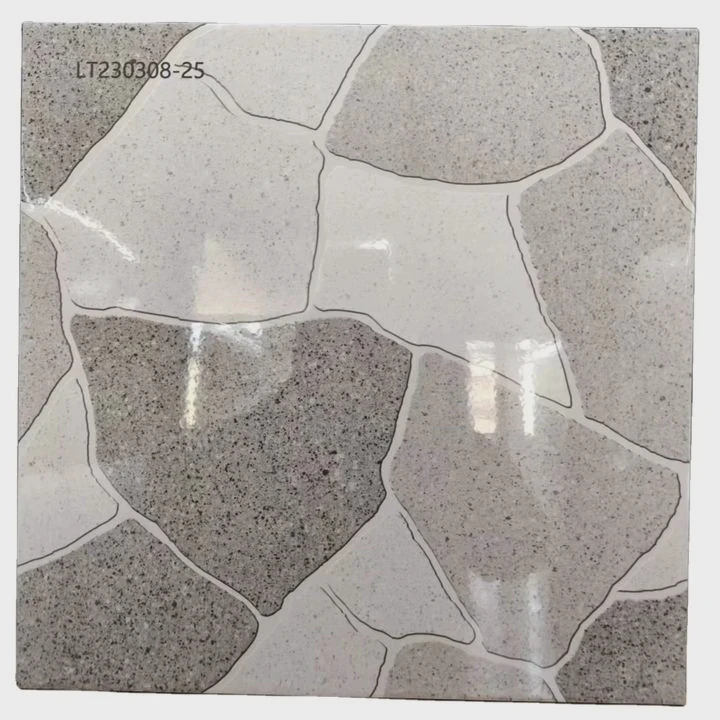
Long tile life does not depend on one single factor. It comes from many small steps working together correctly.
Use the Right Tile Adhesive
Different tile sizes and surfaces need different adhesives.
Common adhesive choices include:
| Adhesive Type | Best Application |
|---|---|
| Cement-based adhesive | Standard porcelain tiles |
| Flexible adhesive | Heated floors or slight movement |
| Rapid-set adhesive | Fast renovation projects |
| Waterproof adhesive | Wet bathroom zones |
Large format porcelain tiles usually require stronger bonding adhesives.
Apply Adhesive Correctly
Adhesive coverage matters more than many people realize.
Poor adhesive application creates hollow spaces under tiles. These weak spots may crack later.
Good installation usually includes:
- Using a notched trowel
- Spreading adhesive evenly
- Applying enough coverage
- Pressing tiles firmly
- Checking for air gaps
Back buttering is also useful for large tiles. This means adding adhesive to the back of the tile before placement.
Allow Proper Drying Time
Many failures happen because the floor is used too early.
Typical curing stages include:
- Adhesive curing
- Grout curing
- Sealant drying
Walking on tiles too soon may shift alignment slightly. Heavy furniture should also wait until full curing finishes.
Use High-Quality Grout
Grout protects tile edges and blocks water entry.
Bathroom grout should offer:
- Water resistance
- Mold resistance
- Strong bonding
- Easy cleaning
Epoxy grout performs well in wet areas because it resists stains and moisture better than traditional cement grout.
Seal the Grout When Needed
Some grout types need sealing after curing.
Sealing helps:
- Reduce water absorption
- Prevent stains
- Improve durability
Bathrooms with high humidity benefit greatly from grout sealing.
Protect Expansion Joints
Expansion joints allow floor movement caused by temperature changes.
Without movement joints:
- Tiles may crack
- Grout may fail
- Edges may lift
Corners and wall edges often use flexible sealant instead of hard grout.
Maintain Bathroom Tiles Properly
Long-term tile performance also depends on maintenance.
Simple maintenance includes:
- Regular cleaning
- Avoiding harsh chemicals
- Repairing cracked grout quickly
- Checking for water leaks
Standing water should not remain on bathroom floors for long periods.
Choose Durable Tile Materials
Some tile materials naturally last longer in wet environments.
Porcelain tiles remain one of the most reliable choices because they offer:
- Low water absorption
- High wear resistance
- Strong surface durability
- Easy maintenance
Many commercial projects prefer porcelain floor tiles for exactly these reasons.
A bathroom tile floor can stay beautiful for decades when installation and maintenance follow the correct process from the beginning.
Conclusion
Bathroom floor tiling becomes much easier when every step follows a clear plan. Good preparation, smart layout planning, proper spacing, and correct installation methods all help create durable and attractive bathroom floors that last for many years.