How to Seal Stone Tile?
- Sinotiles
- 2026-04-02
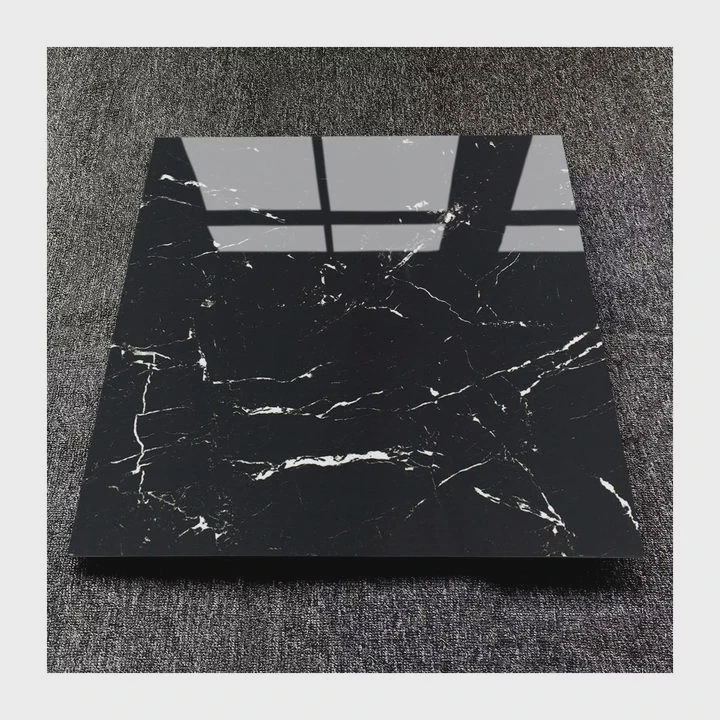
Stone tiles look beautiful at first. But many people soon face stains, dull surfaces, and water marks. These problems can ruin the look and cost money to fix.
Sealing stone tile protects it from stains, moisture, and wear. It keeps the surface strong, clean, and long-lasting when the right sealer and method are used.
Many buyers and contractors ask the same thing. They want to know how to seal correctly and avoid mistakes. This guide breaks it down step by step.
What Sealers Work Best for Natural Stone Tiles?
Stone tiles can easily absorb water, oil, and dirt. Without the right sealer, the surface becomes damaged over time. Many people choose the wrong product and see poor results.
The best sealers for natural stone tiles are penetrating sealers and enhancing sealers. These protect the tile from inside while keeping the natural look or improving color.
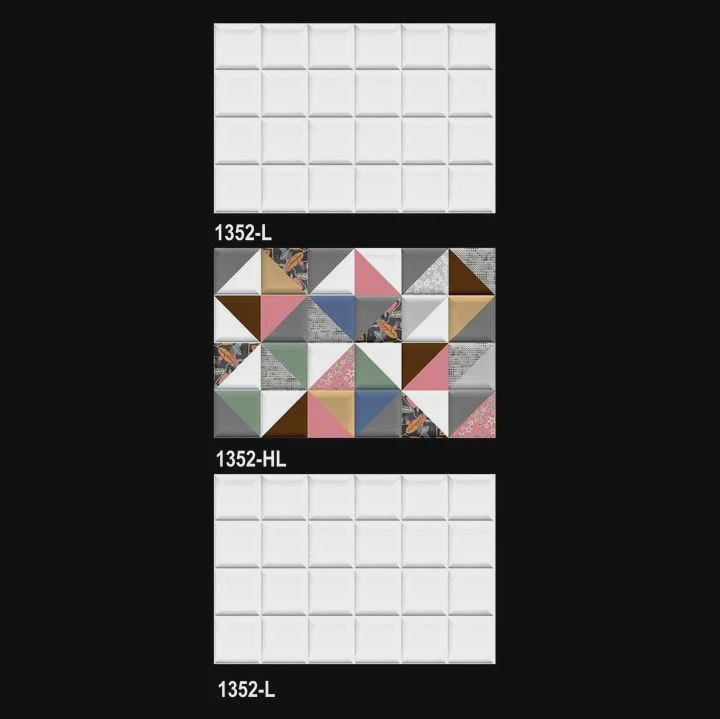
Choosing the right sealer depends on the type of stone, the use area, and the desired finish. Not all sealers work the same, so understanding the differences is very important.
Types of Stone Sealers
There are mainly two types of sealers used in the market:
| Sealer Type | Key Feature | Best Use Area |
|---|---|---|
| Penetrating Sealer | Absorbs into stone, invisible finish | Indoor & outdoor |
| Enhancing Sealer | Deepens color, adds slight shine | Decorative spaces |
Penetrating sealers are the most common choice. They go deep into the pores of the stone. They block water and oil without changing the look. This is ideal for projects where a natural finish is needed.
Enhancing sealers are different. They make the color richer. They give a “wet look” effect. Many designers like this for feature walls or luxury spaces.
Choosing Based on Stone Type
Different stones have different absorption rates. This affects the choice of sealer.
| Stone Type | Absorption Level | Recommended Sealer |
|---|---|---|
| Marble | Medium | Penetrating / Enhancing |
| Granite | Low | Light penetrating |
| Travertine | High | Strong penetrating |
| Slate | High | Enhancing or penetrating |
For example, travertine has many pores. It needs a stronger sealer. Granite is dense, so it needs less protection.
Key Buying Tips
- Always test on a small area first
- Choose solvent-based for stronger protection
- Use water-based for eco-friendly projects
- Check drying time and coverage
In real projects, many buyers focus only on price. But cheap sealers often fail faster. This leads to higher long-term costs. A better approach is to balance price and performance.
How Do You Prepare Surfaces Before Sealing?
Many sealing failures come from poor preparation. If the surface is dirty or wet, the sealer will not work well. This is one of the most common mistakes in tile projects.
Before sealing, stone tiles must be clean, dry, and free of dust, grease, and residue. Proper preparation ensures the sealer can fully penetrate and protect the surface.
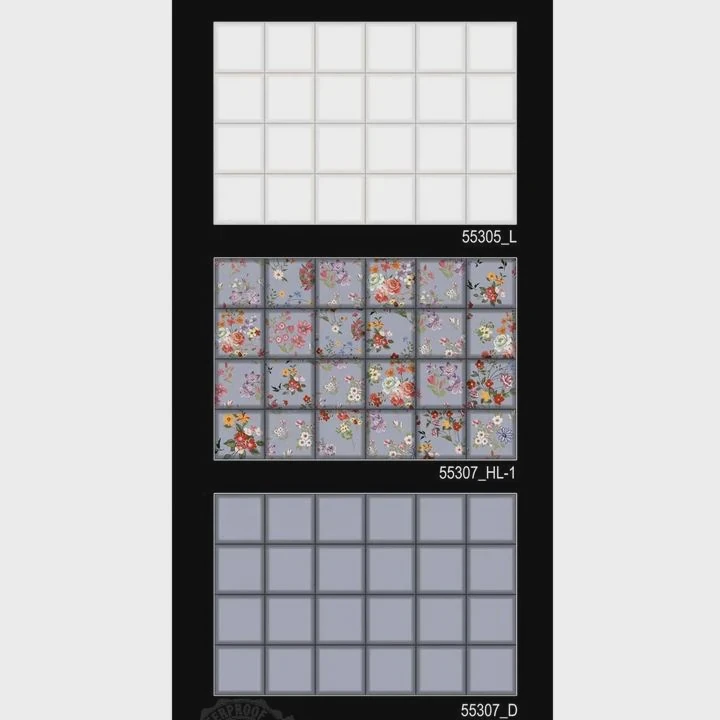
Preparation is not complex, but it must be done carefully. Skipping steps can reduce the life of the sealer.
Step-by-Step Preparation Process
1. Deep Cleaning
Start by removing dirt and stains. Use a neutral cleaner. Avoid strong acids because they can damage natural stone.
- Use soft brushes or cloths
- Remove grout haze if present
- Clean edges and joints
2. Rinse Thoroughly
After cleaning, rinse with clean water. Any leftover chemical can affect sealing.
3. Dry Completely
This step is critical. Water inside the stone blocks the sealer.
- Wait at least 24 hours
- Use fans if needed
- Ensure no moisture remains
Common Mistakes to Avoid
| Mistake | Result |
|---|---|
| Sealing wet surface | Poor absorption |
| Skipping cleaning | Uneven finish |
| Using harsh chemicals | Surface damage |
| Rushing drying process | Sealer failure |
Real Project Insight
In one project, a contractor sealed tiles right after washing. The moisture trapped inside caused white marks later. The tiles had to be redone. This increased cost and delayed delivery.
Extra Tips for Better Results
- Always inspect tiles under good lighting
- Remove adhesive residues
- Ensure grout is fully cured
Preparation may seem simple, but it decides the final result. A well-prepared surface allows the sealer to work at its full potential.
When Should Stone Tile Be Resealed?
Many users think sealing is a one-time job. This is not true. Over time, the protection layer wears off. Without resealing, the stone becomes vulnerable again.
Stone tiles should be resealed every 1–3 years depending on usage, traffic, and exposure to water or stains. Regular checks help maintain protection.
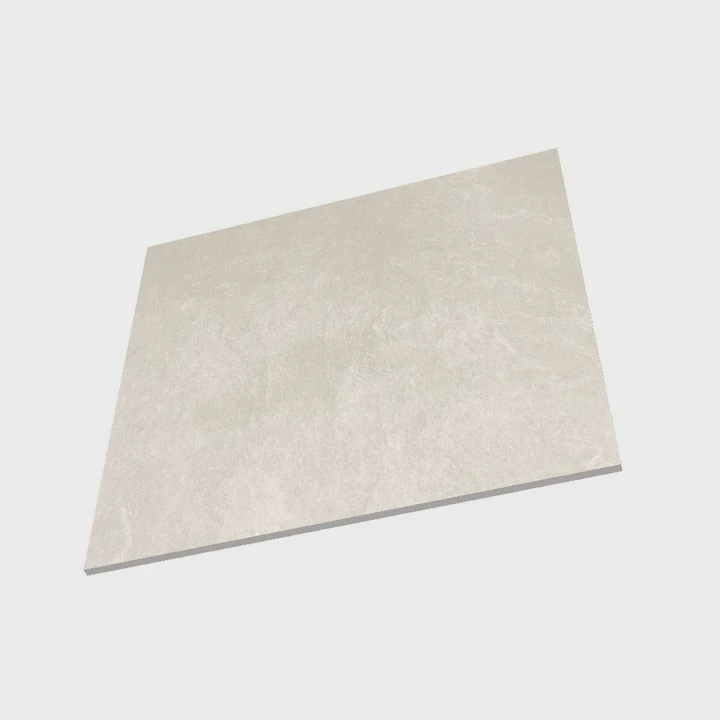
The resealing schedule depends on several factors. Understanding these factors helps avoid damage.
Key Factors That Affect Resealing Time
1. Traffic Level
- High traffic areas wear faster
- Commercial spaces need more frequent sealing
- Residential areas last longer
2. Location
| Area Type | Resealing Frequency |
|---|---|
| Bathroom | Every 1–2 years |
| Kitchen | Every 1–2 years |
| Living room | Every 2–3 years |
| Outdoor areas | Every 1 year |
Water and oil exposure reduce sealer life. Kitchens and bathrooms need more attention.
3. Type of Sealer Used
- High-quality sealers last longer
- Solvent-based sealers often perform better
- Cheap sealers break down faster
Simple Water Test
A quick way to check is the water test:
- Drop water on the tile
- Wait 5 minutes
- If water absorbs, resealing is needed
Signs That Resealing Is Needed
- Dark spots appear quickly
- Surface looks dull
- Stains become hard to remove
Practical Advice
In large projects, many clients forget maintenance. This leads to complaints about tile quality. In reality, the issue is lack of resealing.
A maintenance plan should always be part of the project. This ensures long-term satisfaction.
Can Sealing Enhance Stone Tile Durability?
Stone tiles are strong, but they are not indestructible. Without protection, they can absorb liquids, crack, or lose their finish over time.
Yes, sealing enhances stone tile durability by reducing water absorption, preventing stains, and protecting the surface from wear and damage.
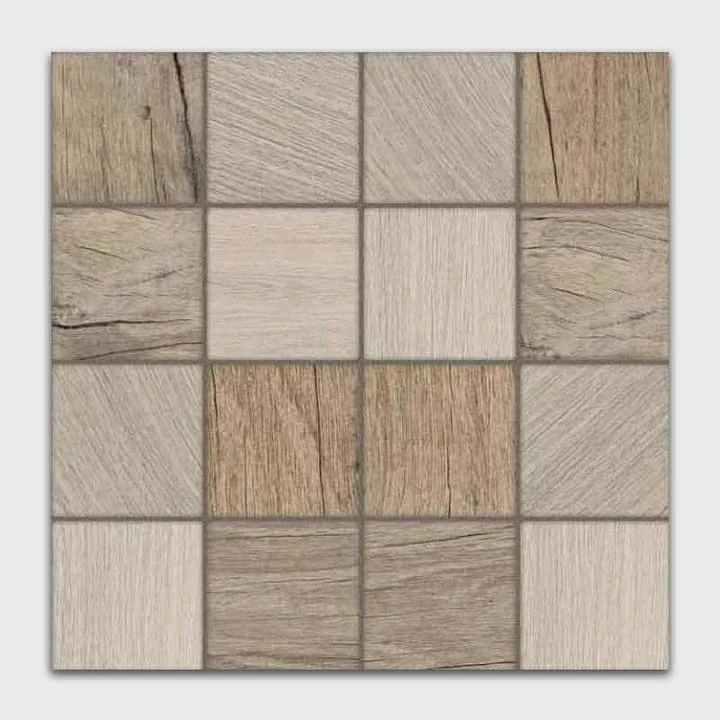
Sealing works as a protective layer. It does not make the stone harder, but it reduces damage from external factors.
How Sealing Improves Durability
1. Moisture Protection
Water can weaken stone over time. Sealing blocks water entry. This prevents cracks and internal damage.
2. Stain Resistance
Oil, wine, and chemicals can stain stone. A good sealer slows absorption. This makes cleaning easier.
3. Surface Protection
Sealing reduces surface wear. It helps tiles keep their finish longer.
Durability Comparison
| Condition | Without Sealing | With Sealing |
|---|---|---|
| Water absorption | High | Low |
| Stain resistance | Poor | Strong |
| Maintenance effort | High | Low |
| Lifespan | Shorter | Longer |
Important Clarification
Sealing does not make stone scratch-proof. It only protects against liquids and stains. Mechanical damage still needs proper care.
Long-Term Value
From a business view, sealing adds value:
- Reduces replacement cost
- Improves customer satisfaction
- Keeps appearance consistent
In many export projects, buyers who invest in proper sealing see fewer complaints. This builds trust and repeat business.
Conclusion
Sealing stone tile is simple but very important. The right sealer, proper preparation, and regular resealing can protect tiles and extend their life. This small step makes a big difference in both performance and long-term value.