How to Install Peel and Stick Floor Tile?
- Sinotiles
- 2026-04-02
Many people want a fast and low-cost way to upgrade floors, but poor installation often leads to peeling, gaps, and uneven surfaces.
Peel and stick floor tiles are easy to install when the surface is clean, flat, and properly prepared, and when pressure is applied correctly during installation.
A simple product can still fail without the right method. The good news is that with a clear process, the results can look clean and last for years.
What preparation is required before installation?
Many installation problems start before the first tile is placed. Dust, moisture, and uneven floors often cause tiles to fail later.
Proper preparation includes cleaning, leveling, drying the surface, and planning the layout before placing any tile.
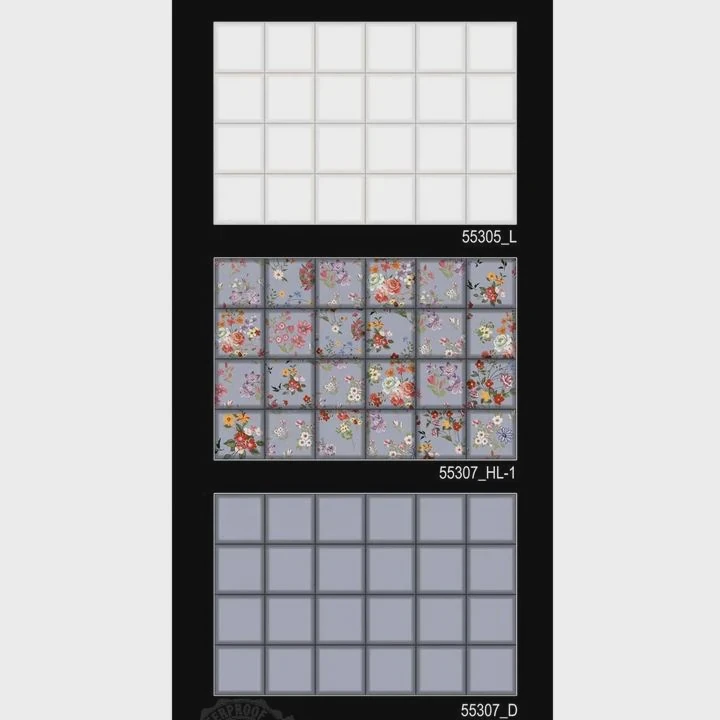
Preparation sets the foundation. A clean and flat surface allows the adhesive to bond well. Skipping this step often leads to lifting edges or bubbles.
Key preparation steps
Before installation begins, each step must be done carefully:
| Step | What to Do | Why It Matters |
|---|---|---|
| Cleaning | Remove dust, grease, and debris | Ensures adhesive contact |
| Leveling | Fill cracks and smooth uneven spots | Prevents air gaps |
| Drying | Make sure the floor is fully dry | Moisture weakens adhesive |
| Measuring | Plan layout and center lines | Avoids uneven edges |
Why surface condition matters
A rough or dirty floor creates weak contact points. Adhesive tiles rely on full contact with the surface. Even small dust particles can reduce bonding strength.
Planning the layout
Before placing tiles, it helps to:
- Measure the room size
- Find the center point
- Dry-lay a few tiles
This step reduces mistakes. It also improves visual balance, especially in large rooms.
Common preparation mistakes
Many installers rush into placing tiles. Based on past experience, the most common issues include:
- Installing over wet floors
- Ignoring cracks or bumps
- Not removing old adhesive residue
These mistakes often lead to failure within months.
Practical insight
In one project, skipping leveling caused visible gaps after installation. Fixing it later required removing all tiles. That cost more time and money than proper preparation would have.
Preparation may feel slow, but it saves effort later. It also ensures a professional finish.
How do you ensure tiles stick properly?
Even high-quality tiles will fail if they are not pressed and bonded correctly. Adhesion depends on both technique and environment.
Tiles stick properly when firm pressure is applied, temperature is suitable, and each tile is aligned and secured carefully.
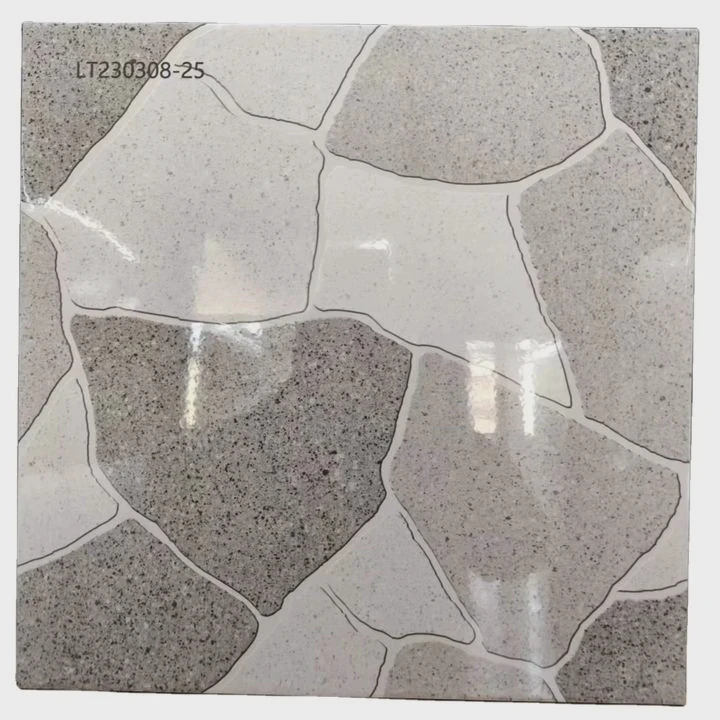
Adhesion is not just about the glue. It also depends on how the tile is handled during installation.
Important factors for strong adhesion
| Factor | Ideal Condition | Impact |
|---|---|---|
| Temperature | 18–30°C | Improves adhesive activation |
| Pressure | Firm and even | Removes air pockets |
| Timing | Immediate placement | Prevents dust exposure |
| Alignment | Accurate positioning | Avoids lifting edges |
Applying pressure correctly
After placing each tile:
- Press from center to edges
- Use a roller if available
- Focus on corners and edges
This removes trapped air. It also ensures full adhesive contact.
Why temperature matters
Cold environments reduce adhesive performance. Tiles become stiff and do not bond well. Warm conditions improve flexibility and adhesion.
If needed, tiles can be stored in a warm room before installation.
Avoiding air bubbles
Air bubbles weaken the bond. They can grow over time and cause lifting.
To avoid this:
- Place tiles slowly
- Do not rush alignment
- Press immediately after placement
Edge sealing importance
Edges are the weakest points. If edges lift, dirt can enter and reduce adhesion.
Extra pressure on edges helps prevent this problem.
Real-world observation
In large-scale installations, using a floor roller significantly improved long-term performance. Manual pressing alone often missed small areas.
Good adhesion is about consistency. Every tile must be treated the same way to achieve uniform results.
Which surfaces work best for adhesive tiles?
Not all floors are suitable for peel and stick tiles. Surface type directly affects durability and performance.
The best surfaces are smooth, clean, dry, and non-porous, such as sealed concrete, vinyl, or properly prepared plywood.
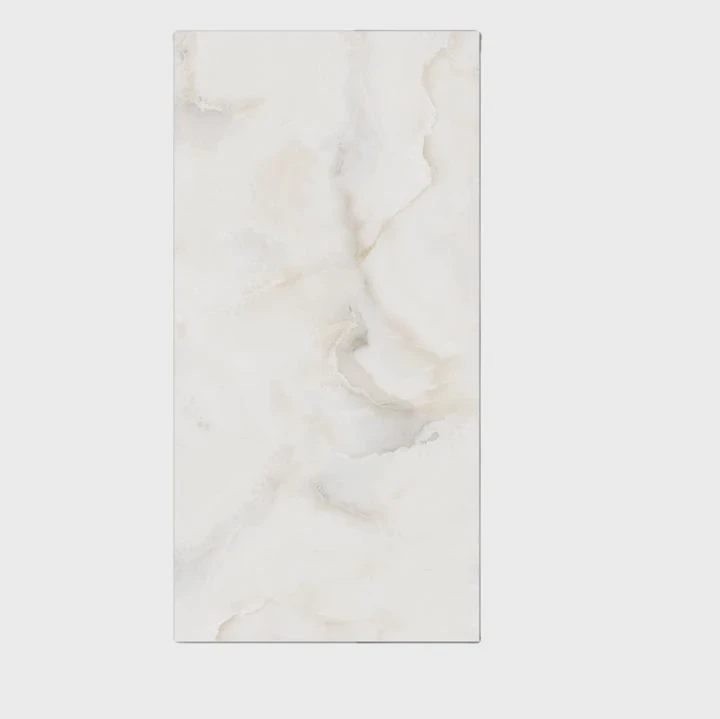
Choosing the right surface avoids future problems. Some surfaces may look fine but fail over time.
Recommended surfaces
| Surface Type | Suitability | Notes |
|---|---|---|
| Sealed concrete | Excellent | Must be smooth and dry |
| Vinyl flooring | Good | Clean and stable |
| Plywood | Good | Needs sealing |
| Ceramic tile | Moderate | Requires leveling |
Surfaces to avoid
Some surfaces create weak bonding:
- Carpet or soft flooring
- Uneven tiles with deep grout lines
- Wet or damp concrete
- Rough wooden boards
These surfaces reduce contact area and weaken adhesion.
Importance of porosity
Porous surfaces absorb adhesive. This reduces bonding strength.
Sealing the surface helps solve this issue. It creates a smooth and stable base.
Handling existing floors
If installing over old flooring:
- Check for loose areas
- Repair damaged sections
- Ensure full stability
Installing over unstable surfaces leads to movement and failure.
Dealing with grout lines
Ceramic tiles with deep grout lines require leveling compound. Without it, the pattern may show through the new tiles.
Practical case
In one installation over textured ceramic tiles, skipping leveling caused visible lines after a few weeks. The tiles also began to loosen along grout lines.
Surface choice is critical. Even the best tiles cannot compensate for a poor base.
Can peel and stick tiles be repositioned easily?
Many people expect these tiles to be fully adjustable, but the reality is more limited.
Peel and stick tiles can be repositioned shortly after placement, but once pressed firmly, they become difficult to remove without damage.
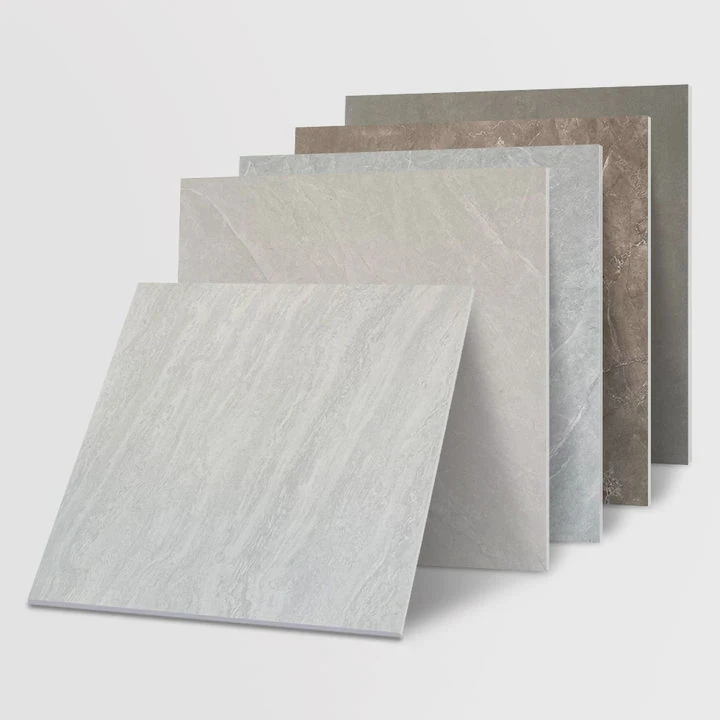
Understanding this helps avoid mistakes during installation.
Initial repositioning window
Right after placing the tile:
- Light adjustments are possible
- Adhesive is not fully bonded yet
This window is short. It usually lasts a few minutes.
After full pressure
Once pressure is applied:
- Adhesion becomes strong
- Removal may damage the tile
- Adhesive may lose effectiveness
At this stage, repositioning is not recommended.
Tips for accurate placement
To reduce errors:
- Align carefully before pressing
- Use guide lines
- Place tiles slowly
Removing a misplaced tile
If removal is needed:
- Lift gently from one corner
- Avoid bending too much
- Replace with a new tile if adhesive weakens
Reuse limitations
Most peel and stick tiles are not designed for reuse. Once removed, the adhesive may not perform well again.
Installer experience insight
In practice, careful alignment before pressing saves time. Trying to fix mistakes later often leads to wasted material.
Summary table of repositioning behavior
| Stage | Can Reposition? | Risk Level |
|---|---|---|
| Before pressing | Yes | Low |
| After light pressure | Limited | Medium |
| After full pressure | No | High |
Planning and patience are key. Small adjustments early prevent larger problems later.
Conclusion
Peel and stick tiles are simple to install, but success depends on preparation, correct technique, suitable surfaces, and careful placement. Each step matters, and attention to detail ensures a clean, durable, and professional-looking floor.