How to Seal Travertine Tile?
- Sinotiles
- 2026-04-10
Travertine looks elegant, but it stains easily. Many users install it without sealing, then face water marks, dull spots, and permanent damage.
Sealing travertine tile protects its porous surface from stains, moisture, and wear by using the right sealer, proper preparation, and regular maintenance.
Travertine needs more care than ceramic or porcelain. But once sealed correctly, it becomes durable and easy to maintain. Let’s break down the process step by step.
What sealers are best for travertine surfaces?
Choosing the wrong sealer can lead to poor protection or unwanted surface changes. Many people do not know there are different types of sealers.
The best sealers for travertine are penetrating sealers for natural protection and enhancing sealers for deeper color and visual richness, depending on the desired finish.
Travertine is a natural stone. It has pores that absorb water and stains. A good sealer fills these pores and blocks penetration.
Main types of travertine sealers
1. Penetrating (impregnating) sealers
This is the most recommended type.
- Absorbs into the stone
- Does not change surface appearance
- Provides invisible protection
- Suitable for indoor and outdoor use
2. Enhancing sealers
These change the look slightly.
- Deepens natural color
- Creates a “wet look” effect
- Also provides protection
3. Topical sealers
These sit on the surface.
- Adds a protective layer
- Can create shine
- Less breathable than penetrating sealers
Sealer comparison
| Sealer Type | Appearance Effect | Protection Level | Best Use Area |
|---|---|---|---|
| Penetrating | Natural look | High | Floors, walls, outdoor |
| Enhancing | Darker tone | High | Decorative interiors |
| Topical | Glossy finish | Medium | Low-traffic areas |
How to choose the right sealer
Consider these factors:
- Location (indoor or outdoor)
- Desired appearance
- Level of foot traffic
- Exposure to water
Common mistakes
- Using tile sealer for natural stone
- Choosing glossy finish for wet areas
- Applying low-quality products
A penetrating sealer is usually the safest and most practical choice for most projects.
How do you prepare travertine before sealing?
Sealing without proper preparation reduces effectiveness. Dirt and moisture can block the sealer from working correctly.
Travertine must be cleaned, dried, and free of dust, stains, and residues before sealing to ensure proper absorption and long-lasting protection.
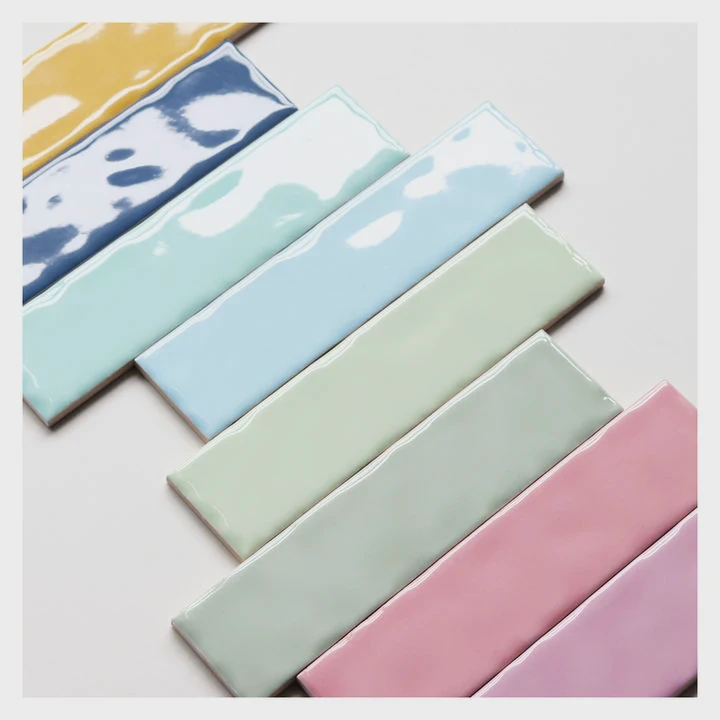
Preparation is the most important step. A poorly prepared surface leads to uneven sealing.
Step-by-step preparation process
1. Clean the surface
Remove all dirt and residue.
- Use pH-neutral cleaner
- Avoid acidic cleaners
- Remove grout haze if present
2. Remove stains
Any stain left before sealing will be locked in.
- Use stone-safe stain remover
- Repeat if necessary
3. Rinse thoroughly
- Remove all cleaning chemicals
- Use clean water
- Avoid leaving residue
4. Allow full drying
This step is critical.
- Wait at least 24 hours
- Ensure no moisture remains
- Moisture blocks sealer absorption
Surface preparation checklist
| Step | Purpose |
|---|---|
| Cleaning | Remove dirt and residue |
| Stain removal | Prevent permanent marks |
| Rinsing | Eliminate chemical residue |
| Drying | Ensure proper sealer absorption |
Testing before sealing
Always test on a small area.
- Check absorption rate
- Confirm desired appearance
- Adjust application method if needed
Common mistakes
- Sealing a wet surface
- Skipping stain removal
- Using harsh chemicals
Preparation takes time, but it ensures the sealer performs correctly and lasts longer.
When should travertine tile be resealed?
Many people seal once and forget. Over time, protection fades, and the stone becomes vulnerable again.
Travertine should be resealed every 1 to 3 years depending on usage, exposure to moisture, and type of sealer used.
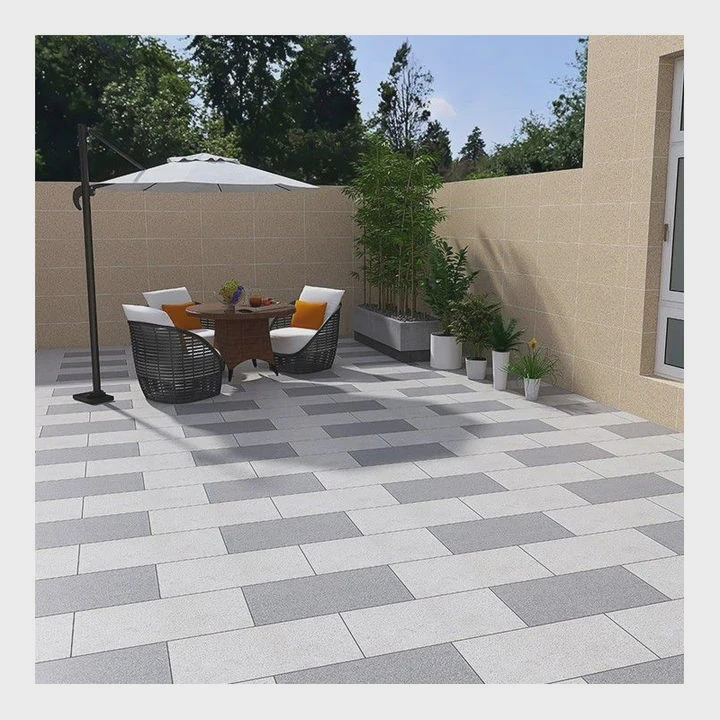
Resealing is part of regular maintenance. It keeps the stone protected over time.
Factors affecting resealing frequency
1. Traffic level
- High traffic → faster wear
- Commercial spaces need more frequent sealing
2. Moisture exposure
- Bathrooms and kitchens need more frequent resealing
- Outdoor areas exposed to rain also require attention
3. Sealer type
- Penetrating sealers last longer
- Topical sealers wear off faster
How to test if resealing is needed
Simple water test:
- Pour a few drops of water on the surface
- Wait a few minutes
Results:
- Water beads → still sealed
- Water absorbs → needs resealing
Recommended resealing schedule
| Area Type | Resealing Frequency |
|---|---|
| Low traffic | Every 2-3 years |
| Medium traffic | Every 1-2 years |
| High traffic | Every 6-12 months |
| Wet areas | Every 6-12 months |
Signs resealing is needed
- Dark spots from water
- Stains appear quickly
- Surface looks dull
Common mistakes
- Waiting too long to reseal
- Applying new sealer over dirt
- Using incompatible products
Regular resealing extends the life and beauty of travertine.
Can sealing prevent staining on porous stone?
Travertine is highly porous. Without protection, it absorbs liquids quickly. Many users expect sealing to make it completely stain-proof.
Sealing significantly reduces staining on porous stone like travertine, but it does not make the surface completely stain-proof; it only slows absorption and allows time for cleaning.
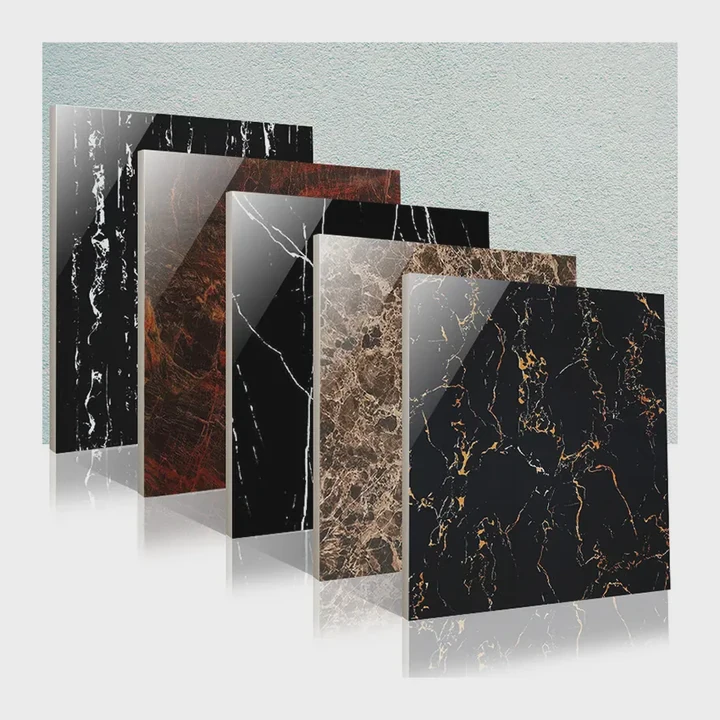
Understanding what sealing can and cannot do is important.
How sealing works
Sealers fill microscopic pores.
- Reduce liquid absorption
- Slow down staining process
- Make cleaning easier
What sealing protects against
- Water stains
- Oil and grease (depending on sealer type)
- Dirt penetration
What sealing cannot prevent
- Strong acids (can etch stone)
- Long-term exposure to stains
- Physical damage
Protection comparison
| Condition | Without Sealer | With Sealer |
|---|---|---|
| Water spill | Absorbs quickly | Slower absorption |
| Oil stain | Deep penetration | Reduced penetration |
| Cleaning time | Difficult | Easier |
Best practices for stain prevention
- Clean spills immediately
- Use coasters and mats
- Avoid acidic substances
Common misunderstandings
- Thinking sealing is permanent
- Believing sealing prevents all damage
- Ignoring regular maintenance
Sealing is a protective measure, not a guarantee. Proper care still matters.
Conclusion
Sealing travertine tile is essential for protecting its porous surface and maintaining its appearance. With the right sealer, proper preparation, and regular resealing, travertine can stay durable, clean, and visually appealing for many years.