How to Tile a Bathroom Floor?
- Sinotiles
- 2026-03-11
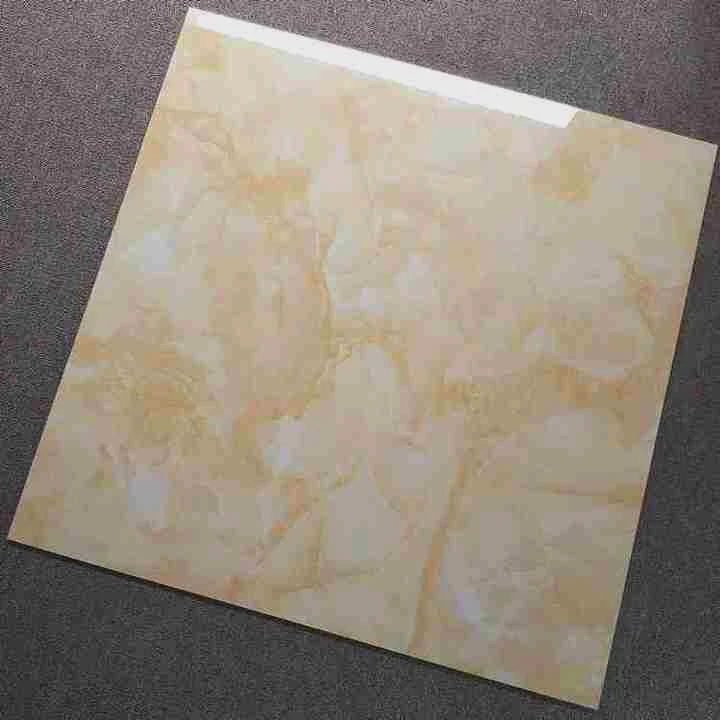
A bathroom floor that cracks, shifts, or stains often starts with poor tile installation. Many people focus on tile design but ignore the correct method.
A bathroom floor can be tiled successfully by preparing a solid subfloor, using spacers for even gaps, waiting the right time before grouting, and selecting suitable tile sizes for the space.
Tiling a bathroom floor may look simple at first glance. Yet many hidden steps affect durability, appearance, and long-term performance. Each stage matters, from the surface below the tiles to the final grout lines. Understanding these steps helps avoid common problems and produces a clean and professional result.
What Subfloor Preparation Ensures Durable Bathroom Floor Tiles?
A beautiful tile floor can fail quickly if the subfloor is weak or uneven. Many tile cracks start from problems hidden under the surface.
Durable bathroom floor tiles require a clean, flat, and stable subfloor. Proper preparation usually includes leveling the surface, installing cement backer board or underlayment, and ensuring the structure can support tile weight.

A strong tile installation always begins below the tile itself. The subfloor acts as the structural base that supports the tile, adhesive, and grout. If this base moves or bends, the tile will eventually crack or loosen.
Why Subfloor Preparation Matters
Bathroom floors face constant moisture and temperature changes. These conditions create expansion and contraction. If the subfloor is not stable, the movement transfers directly to the tiles.
Common problems caused by poor subfloor preparation include:
- Cracked tiles
- Loose tiles
- Hollow sounds under tiles
- Uneven tile surfaces
- Grout cracking
Each of these issues often appears months after installation, which makes repair more difficult and expensive.
Types of Subfloors in Bathrooms
Different homes use different floor structures. Each type requires specific preparation steps.
| Subfloor Type | Common Material | Preparation Method |
|---|---|---|
| Wooden subfloor | Plywood or OSB | Install cement backer board |
| Concrete slab | Concrete base | Clean, repair cracks, level surface |
| Old tile floor | Existing ceramic tile | Remove or install leveling compound |
| Mixed renovation floor | Wood and patch areas | Reinforce and level before tiling |
Each type must remain rigid and flat before tile installation begins.
Key Preparation Steps
1. Cleaning the Surface
The surface must be free from dust, grease, and debris. Even small particles can prevent tile adhesive from bonding correctly.
Vacuuming and wiping the surface ensures better adhesion.
2. Leveling the Floor
Tiles require a flat surface. Even a small dip can cause uneven tile lines.
Self-leveling compound is often used to fill low spots. The compound flows across the floor and creates a smooth surface after curing.
3. Installing Cement Backer Board
Wood floors usually need cement backer boards before tiling. These boards provide a stable and water-resistant layer between the wood and the tile.
Backer boards reduce floor movement and protect tiles from moisture damage.
Typical Subfloor Layer Structure
| Layer | Purpose |
|---|---|
| Structural floor joists | Support the weight of the floor |
| Plywood subfloor | Base structural layer |
| Cement backer board | Stabilizes tile installation |
| Tile adhesive | Bonds tile to surface |
| Tile layer | Final decorative surface |
Each layer works together to keep the tile floor strong and stable.
Moisture Protection
Bathrooms always contain water. Spills, steam, and humidity increase the risk of moisture entering the floor structure.
Many installers apply waterproof membranes before tiling. This step prevents water from reaching the subfloor and extends the life of the installation.
A well-prepared subfloor often determines whether a tile floor lasts five years or twenty years.
Why Use Spacers When Tiling Bathroom Floors?
Many beginners try to place tiles directly next to each other. The result often looks uneven and unprofessional.
Tile spacers keep equal gaps between tiles. These gaps allow grout to fill evenly, create straight lines, and prevent tiles from shifting during installation.
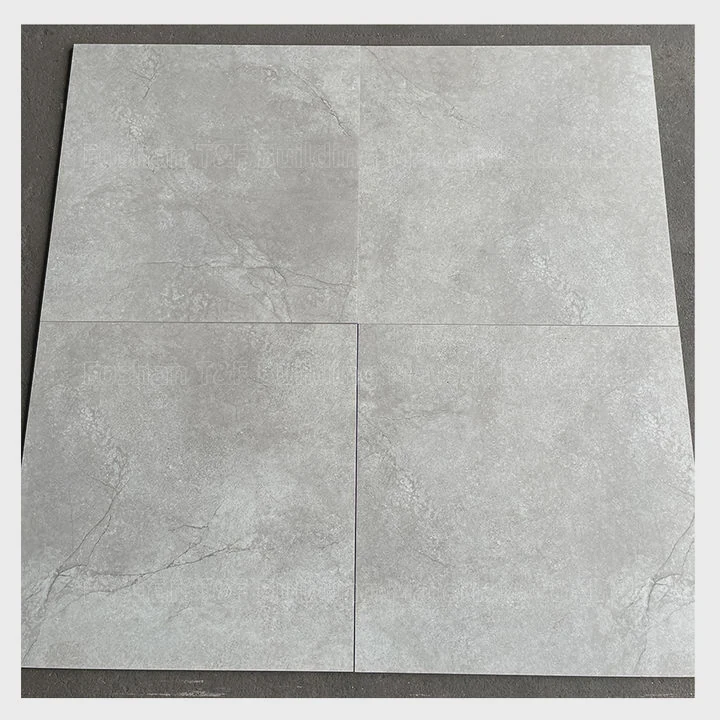
Tile spacers are small plastic pieces placed between tiles during installation. Although they are simple tools, they play a critical role in creating a professional tile layout.
The Role of Tile Spacers
Tiles rarely have perfectly identical sizes. Small manufacturing differences exist. If tiles are installed without spacers, these differences accumulate across the floor and cause crooked lines.
Spacers solve this problem by maintaining consistent gaps.
Benefits of Using Tile Spacers
- Straight grout lines
- Even spacing between tiles
- Reduced tile movement while adhesive dries
- Easier tile alignment
- Better final appearance
Without spacers, installers must constantly adjust tile positions manually. This process is slower and less accurate.
Common Spacer Sizes
Different tile designs require different grout joint widths. Spacers come in several sizes.
| Spacer Size | Typical Application |
|---|---|
| 1 mm | Very small porcelain tiles |
| 2 mm | Modern rectified tiles |
| 3 mm | Standard ceramic tiles |
| 5 mm | Rustic or uneven tiles |
The correct size depends on tile type and design style.
Choosing the Right Gap Width
Rectified tiles often use smaller gaps because their edges are cut precisely. These tiles allow tighter and cleaner grout lines.
Traditional ceramic tiles may require wider gaps to accommodate size variations.
Design style also affects spacing. Some bathroom floors use narrow joints for a modern look. Others use wider grout lines for decorative contrast.
Installing Tiles with Spacers
The basic process follows a clear pattern:
- Spread tile adhesive on the floor with a notched trowel
- Place the first tile firmly on the adhesive
- Insert spacers at the tile corners
- Install the next tile against the spacers
- Continue across the floor
Spacers remain in place until the adhesive begins to set. They are then removed before grouting.
Cross vs T-Shape Spacers
Two common spacer shapes exist.
| Spacer Type | Function |
|---|---|
| Cross spacer | Used between four tiles |
| T spacer | Used along wall edges |
Both help maintain consistent tile alignment.
Even experienced installers rely on spacers. The tool is simple, but it greatly improves tile accuracy and visual balance.
When Should Grout Be Applied After Floor Tile Installation?
Many new installers rush to finish the project and apply grout too soon. This mistake can weaken the tile installation.
Grout should usually be applied 24 hours after tile installation. This waiting time allows the tile adhesive to fully set and prevents tiles from shifting during grouting.

Grout fills the spaces between tiles and locks them into place. It also protects the edges of the tiles from water penetration.
However, the timing of grout application is important.
Why Waiting Time Matters
Tile adhesive requires time to cure. If grout is applied too early, pressure from the grout float can move tiles slightly.
Even small movement can ruin the straight tile layout.
Another risk is trapped moisture. Early grouting can trap moisture under the tile, which weakens the bond.
Typical Waiting Time
The waiting period depends on adhesive type and environmental conditions.
| Adhesive Type | Typical Waiting Time Before Grouting |
|---|---|
| Standard thin-set mortar | 24 hours |
| Fast-setting mortar | 4–6 hours |
| Large format tile mortar | 24–48 hours |
Humidity and temperature can also affect curing speed.
Cold environments slow down the curing process, while warm conditions speed it up.
Signs That Tiles Are Ready for Grouting
Installers often check several indicators before applying grout.
- Tiles feel solid when pressed
- Adhesive has hardened between joints
- No tile movement occurs
- Mortar color appears consistent
These signs confirm that the adhesive has cured properly.
Grouting Process
Grouting requires several steps.
1. Remove Tile Spacers
All spacers must be removed before grouting begins. Leaving them inside grout lines weakens the joint.
2. Mix the Grout
Grout powder is mixed with water until it forms a thick paste.
The mixture should remain workable but not runny.
3. Apply Grout
A rubber float spreads grout diagonally across the tiles. This movement pushes grout into the joints.
4. Clean the Surface
After about 15–20 minutes, excess grout is wiped off with a damp sponge.
This step prevents grout haze from forming on tile surfaces.
Sealing the Grout
Many bathroom floors require grout sealing. Sealers protect grout from moisture and stains.
Sealing usually happens 24–48 hours after grouting.
A properly timed grouting process ensures strong joints and a long-lasting bathroom tile floor.
Which Tile Sizes Work Best for Bathroom Floors?
Choosing the wrong tile size can make a bathroom feel crowded or difficult to install.
Bathroom floor tiles commonly range from 300×300 mm to 600×600 mm. Smaller bathrooms often use medium-size tiles, while larger bathrooms can accommodate large-format tiles.
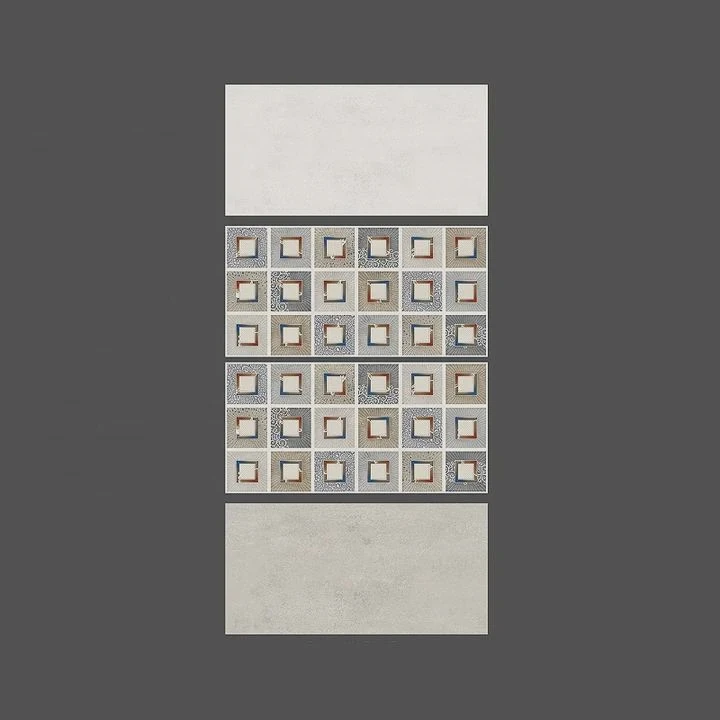
Tile size affects not only appearance but also installation complexity and floor safety.
Factors That Influence Tile Size Choice
Several design and functional factors determine the best tile size.
1. Bathroom Size
Large tiles can visually expand a small bathroom because they reduce the number of grout lines.
However, extremely large tiles may require many cuts in tight spaces.
2. Drainage and Floor Slope
Bathroom floors must slope slightly toward drains. Smaller tiles adapt more easily to these slopes.
Large tiles may create uneven edges near floor drains.
3. Installation Difficulty
Large tiles require very flat surfaces and skilled installation.
Small or medium tiles are easier to adjust during installation.
Common Bathroom Floor Tile Sizes
| Tile Size | Typical Use |
|---|---|
| 300×300 mm | Small bathrooms |
| 300×600 mm | Modern residential bathrooms |
| 600×600 mm | Medium to large bathrooms |
| 600×1200 mm | Luxury or hotel bathrooms |
Each size creates a different visual effect.
Small Tiles
Small tiles offer strong slip resistance because they create more grout lines.
These grout lines increase friction under wet conditions.
Small tiles also work well for shower floors or areas with complex shapes.
Medium Tiles
Medium sizes such as 300×600 mm balance aesthetics and practicality.
They reduce grout lines but remain easy to install.
Many modern homes prefer this format.
Large Format Tiles
Large tiles such as 600×600 mm or 600×1200 mm create a spacious look.
They reduce grout lines and provide a cleaner appearance.
However, installers must ensure the floor is extremely flat before using large tiles.
Slip Resistance Considerations
Bathroom floors must remain safe when wet.
Tiles often include anti-slip surface ratings.
| Slip Rating | Suitable Areas |
|---|---|
| R9 | Dry indoor floors |
| R10 | Residential bathrooms |
| R11 | Commercial wet areas |
Choosing the right slip rating improves safety for daily use.
Balancing Design and Function
A successful bathroom tile design balances several elements.
- Tile size
- Slip resistance
- Installation complexity
- Visual style
Many modern bathrooms combine medium or large tiles for the main floor and smaller tiles for shower areas.
Conclusion
Successful bathroom floor tiling depends on proper preparation, accurate spacing, correct grouting timing, and appropriate tile size selection. Each step supports durability, safety, and visual balance, helping create a bathroom floor that performs well for many years.
- Pre: How to Tile a Backsplash?
- Next: How to Regrout Tile?