How to Tile a Backsplash?
- Sinotiles
- 2026-03-11
A kitchen backsplash can change the whole look of a kitchen. Many people want to install one, but they worry about mistakes during installation.
Tiling a backsplash involves preparing the wall surface, planning the tile layout, applying adhesive, setting the tiles evenly, and finishing with grout. Careful preparation and layout planning help achieve a clean and professional result.
A backsplash protects the wall from water, grease, and cooking stains. It also adds style to the kitchen. With the right preparation and methods, installing backsplash tiles becomes a manageable project for many homeowners and contractors.
What preparation is needed before tiling a backsplash?
Many backsplash problems start before the first tile is installed. Walls may be uneven, dirty, or poorly prepared. These issues can cause tiles to loosen later.
Proper backsplash preparation includes cleaning the wall, repairing surface damage, measuring the area, and gathering the correct tools and materials before installation begins.
Preparation is the foundation of a successful tile installation. A well-prepared wall allows tiles to bond properly and remain stable for many years.
Clean and Inspect the Wall Surface
The wall must be clean and stable before installing tiles. Grease and dust reduce adhesive strength.
Common cleaning steps include:
- Remove grease and cooking residue
- Wipe the wall with mild detergent
- Allow the surface to dry completely
- Remove loose paint or peeling material
Kitchen walls often contain cooking oil residue. Even a thin layer of grease can prevent adhesive from bonding well.
If the wall has holes or cracks, patch them with filler. Sand the repaired areas until the surface becomes smooth.
Check Surface Flatness
Tile requires a flat surface for proper installation. Uneven walls create gaps behind tiles.
Use a straight edge or level to check the wall. Small uneven areas can be sanded or filled with patching compound.
Measure the Installation Area
Accurate measurements help estimate the number of tiles needed.
| Measurement Item | Purpose |
|---|---|
| Wall width | Determines tile quantity |
| Wall height | Helps calculate tile rows |
| Outlet positions | Determines tile cuts |
| Cabinet spacing | Guides layout planning |
Always measure the entire backsplash area before purchasing materials. It is also wise to add about 10% extra tiles for cuts and waste.
Gather the Necessary Tools
Having the right tools makes installation easier.
Common backsplash tiling tools include:
- Tile cutter or wet saw
- Notched trowel
- Tile spacers
- Level
- Measuring tape
- Sponge and bucket
- Grout float
Preparing these tools in advance prevents delays during installation.
Protect the Work Area
Before tiling begins, protect nearby surfaces.
Cover countertops with cardboard or plastic sheets. Tape off cabinet edges and electrical outlets.
Proper preparation saves time later. It also helps ensure the backsplash tiles stay secure and aligned.
Why is tile layout important for backsplashes?
Many backsplash installations fail visually because of poor tile layout. Tiles may end with uneven cuts near cabinets or corners.
Tile layout is important because it ensures balanced spacing, symmetrical design, and clean tile cuts around outlets, cabinets, and edges. Proper planning improves the final appearance of the backsplash.
Layout planning determines how the tiles will appear after installation. Even small adjustments during planning can greatly improve the visual balance.
Start from the Center
Many installers begin layout planning from the center of the wall.
This method helps balance tile cuts on both sides. When tiles are centered, the backsplash looks more symmetrical.
Mark a vertical center line using a level. This line becomes the starting point for tile placement.
Dry Layout Before Installation
A dry layout means placing tiles on the counter without adhesive.
This step allows installers to see how the pattern will look.
During dry layout, check:
- Tile alignment
- Spacing consistency
- Edge cuts
- Outlet positioning
Dry layout helps avoid unexpected small tile pieces near corners.
Consider Cabinet and Countertop Alignment
Backsplashes sit between cabinets and countertops. These fixed elements influence tile layout.
Sometimes cabinets are not perfectly level. Adjusting tile rows slightly can hide small uneven gaps.
Outlet and Switch Placement
Electrical outlets often interrupt backsplash tile patterns.
Careful layout planning ensures that outlets fall within tile centers or grout lines when possible.
Layout Planning Tips
| Layout Factor | Why It Matters |
|---|---|
| Center alignment | Creates visual balance |
| Tile spacing | Maintains uniform grout lines |
| Edge cuts | Prevents tiny tile pieces |
| Pattern alignment | Improves overall design |
Small layout mistakes become very noticeable once tiles are installed. Spending time on layout planning helps achieve a clean and professional backsplash appearance.
When should adhesive cure before grouting backsplash tiles?
Many beginners rush the installation process. They apply grout too soon after setting the tiles.
Tile adhesive should typically cure for 24 hours before grouting. This curing time allows the adhesive to fully bond the tiles to the wall.
Adhesive curing is an important step in backsplash installation. Skipping this waiting period can cause tiles to shift or loosen.
How Tile Adhesive Works
Tile adhesive bonds the tile to the wall surface. It also fills small gaps between the tile and substrate.
Common adhesives used for backsplashes include:
- Thin-set mortar
- Pre-mixed mastic adhesive
Thin-set mortar hardens through a chemical process. Mastic adhesive dries as moisture evaporates.
Both materials require time to fully stabilize.
Typical Adhesive Curing Times
| Adhesive Type | Average Cure Time | Notes |
|---|---|---|
| Mastic adhesive | 12–24 hours | Used mainly for wall tiles |
| Thin-set mortar | 24 hours | Common for most tile installations |
| Rapid-set mortar | 4–6 hours | Used for fast installations |
Temperature and humidity affect curing time. Cooler environments may require longer curing periods.
Signs That Adhesive Is Ready for Grouting
Before applying grout, check that the tiles feel stable.
Tiles should not move when lightly pressed. Adhesive around tile edges should appear dry and firm.
If tiles shift even slightly, wait longer before grouting.
Why Waiting Matters
Grouting too early can cause several problems.
Possible issues include:
- Tile movement
- Uneven grout lines
- Weak adhesive bonding
- Cracked grout later
Allowing adhesive to cure fully protects the installation.
Professional installers often complete tile placement one day and grout the following day. This approach ensures the adhesive has enough time to set properly.
Which tile patterns work best for kitchen backsplashes?
Tile patterns greatly influence the visual style of a kitchen. Some patterns create a modern appearance. Others provide a classic design.
Popular backsplash tile patterns include subway brick pattern, herringbone pattern, stacked layout, and mosaic designs. Each pattern offers a different visual effect and installation difficulty level.
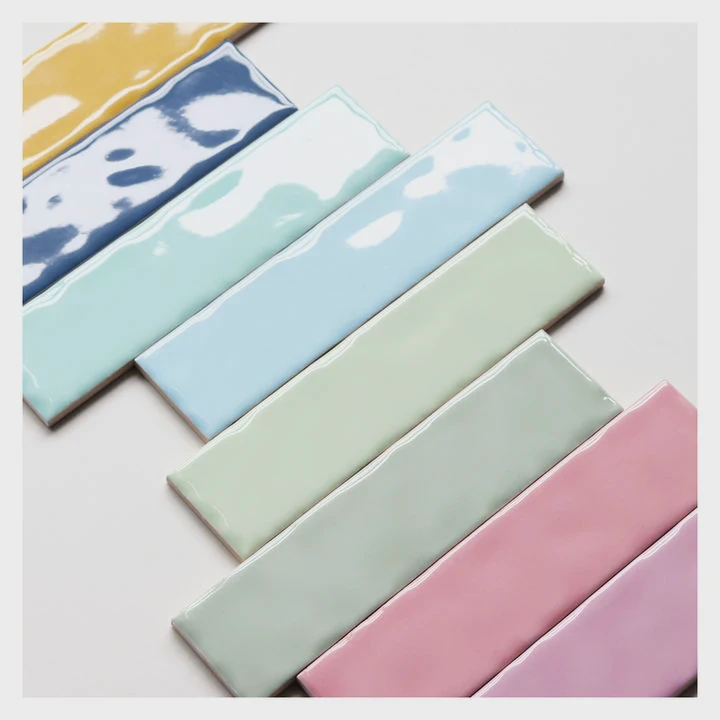
Choosing the right pattern depends on the kitchen style, tile size, and installation complexity.
Subway Brick Pattern
The subway pattern is one of the most widely used backsplash designs.
This layout places each tile offset by half the tile length.
Advantages include:
- Classic appearance
- Easy installation
- Balanced spacing
Subway tiles often measure 3×6 inches or similar sizes.
Stacked Tile Pattern
The stacked pattern aligns tiles directly above one another.
This layout creates a modern and minimalist appearance.
Both horizontal and vertical stacked designs are common.
Vertical stacking can make a backsplash appear taller.
Herringbone Pattern
Herringbone patterns create a more decorative appearance.
Tiles are placed at 45-degree angles, forming a zigzag design.
This pattern adds movement and texture to the backsplash.
However, installation requires careful measurement and cutting.
Mosaic Tile Designs
Mosaic tiles often come mounted on mesh sheets. These small tiles create intricate patterns.
Mosaic backsplashes work well for:
- Accent areas
- Decorative focal points
- Small backsplash spaces
Comparing Common Backsplash Patterns
| Tile Pattern | Visual Style | Installation Difficulty |
|---|---|---|
| Subway brick | Classic | Easy |
| Stacked layout | Modern | Easy |
| Herringbone | Decorative | Moderate |
| Mosaic sheets | Detailed | Easy to moderate |
The chosen tile pattern should match the overall kitchen design.
Simple patterns often work well in modern kitchens. More complex patterns can become focal points in decorative spaces.
Conclusion
Tiling a backsplash requires careful preparation, thoughtful layout planning, proper adhesive curing, and the right tile pattern. Each step plays an important role in achieving a durable and visually balanced backsplash that protects the kitchen wall and enhances the overall design.
- Pre: How to Remove Tile?
- Next: How to Tile a Bathroom Floor?