How to Tile a Shower Wall?
- Sinotiles
- 2026-03-12
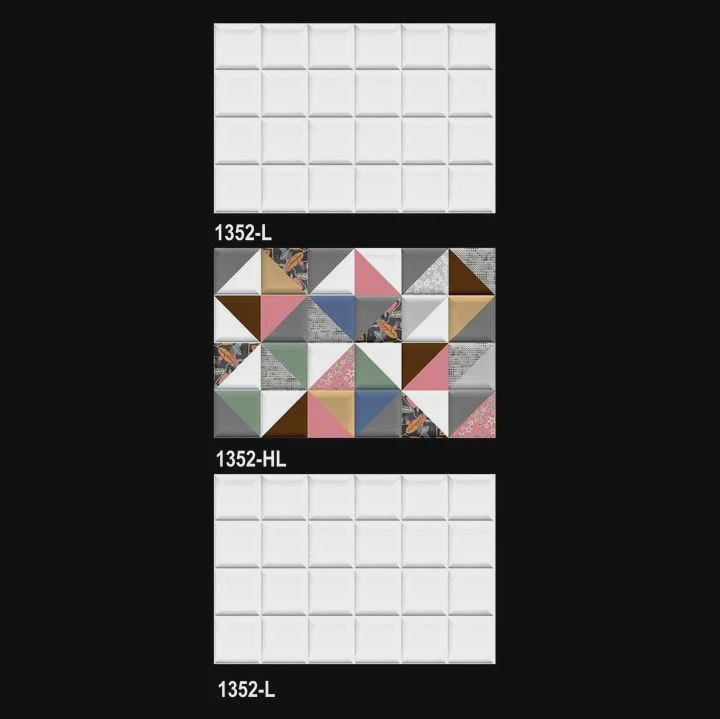
A poorly tiled shower wall can lead to water leaks, mold, and expensive repairs. Many homeowners rush the job without understanding the correct process.
Tiling a shower wall requires proper waterproofing, suitable adhesive, correct tile choice, and sealed grout. Each step protects the wall from moisture and ensures long-lasting performance.
Shower areas face constant water exposure. Because of this, the installation process must follow strict steps. The right preparation and materials make the difference between tiles that last decades and tiles that fail quickly.
What Waterproofing Steps Are Needed Before Shower Wall Tiling?
Many tile failures start before the first tile is installed. If the wall behind the tiles is not protected from water, moisture will slowly damage the structure.
Before tiling a shower wall, the installer must prepare a solid substrate, install waterproof backer boards, seal all joints, and apply a waterproof membrane to stop water penetration.
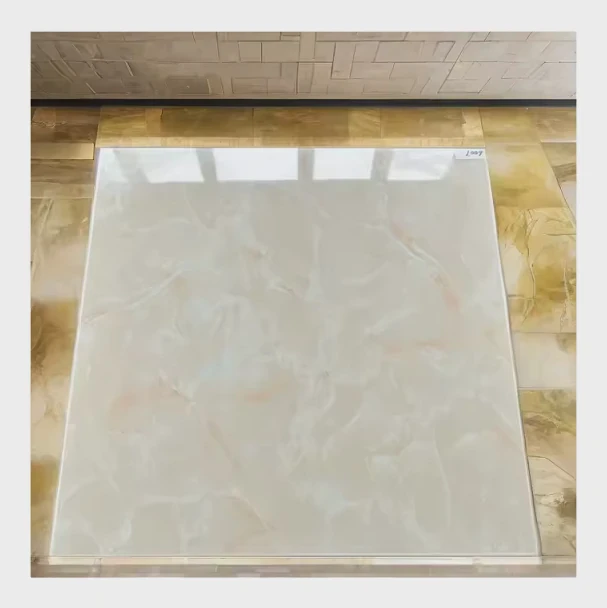
Waterproofing is the foundation of any shower tile project. Tiles themselves are not fully waterproof. Water can pass through grout lines and tiny gaps. Because of this, a waterproof system behind the tiles is essential.
Step 1: Prepare the Wall Structure
The wall must first be stable and flat. Drywall is not suitable for shower areas unless it has special protection. Most professionals use cement backer boards or fiber cement boards because they resist moisture and mold.
Common substrates used in shower walls include:
| Substrate Type | Advantages | Common Use |
|---|---|---|
| Cement backer board | Strong, water-resistant | Standard shower installations |
| Fiber cement board | Lighter and easier to cut | Residential bathrooms |
| Foam tile board | Built-in waterproof core | Modern installations |
The boards must be fixed tightly to the studs. All screws should be corrosion resistant.
Step 2: Seal the Joints
After installing the backer board, all joints must be treated carefully. This step prevents water from entering the wall system.
Installers usually follow these steps:
- Apply alkali-resistant fiberglass mesh tape
- Spread thin-set mortar over the joints
- Allow the surface to dry before waterproofing
Corners and seams are the most common places where leaks start. Careful sealing reduces this risk.
Step 3: Apply Waterproof Membrane
A waterproof membrane forms the final protective layer. It blocks moisture before it reaches the wall structure.
There are two main types of membranes:
| Membrane Type | Description | Application |
|---|---|---|
| Liquid waterproofing | Painted or rolled on surface | Popular in residential bathrooms |
| Sheet membrane | Pre-formed waterproof sheets | Often used by professionals |
Liquid membranes are simple to apply with a roller or brush. Sheet membranes provide more consistent thickness and strong waterproof protection.
Step 4: Waterproof Critical Areas
Certain parts of the shower require extra protection:
- Corners
- Pipe penetrations
- Shower niches
- Shower bench connections
Many installers add waterproof tape or corner pieces in these areas. This reduces the risk of leaks.
A properly waterproofed wall ensures that moisture stays on the tile surface instead of entering the structure. Without this step, even the best tiles and grout cannot prevent long-term water damage.
Why Are Small Tiles Often Used in Shower Areas?
Many shower floors and walls use small tiles instead of large formats. This design choice is not only about appearance.
Small tiles are often used in shower areas because they provide better grip, adapt to sloped surfaces, and reduce the risk of cracking during installation.
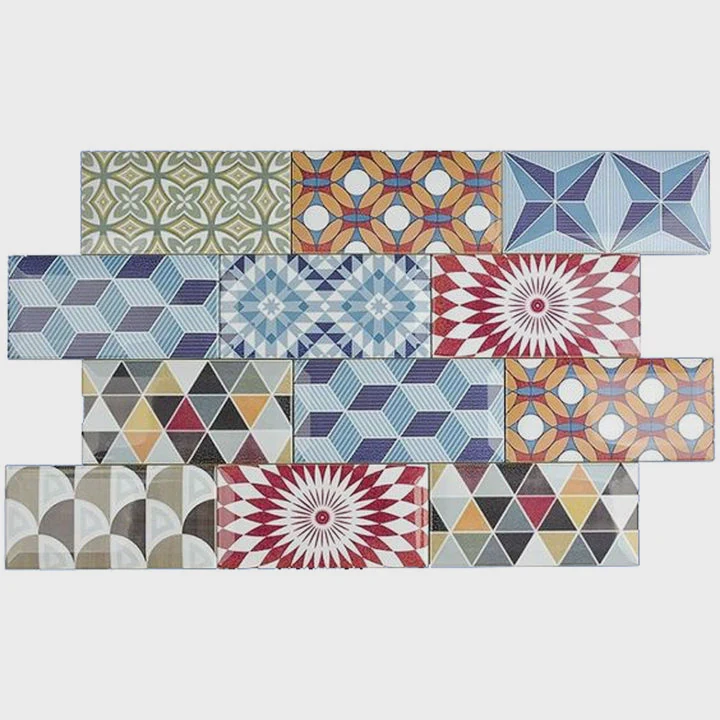
Small tiles have several practical advantages in wet environments. The design improves both safety and durability.
Better Grip and Slip Resistance
The large number of grout joints between small tiles creates more traction. This helps prevent slipping in wet areas.
For example, mosaic tiles commonly measure:
| Tile Type | Typical Size | Application |
|---|---|---|
| Mosaic tile | 20×20 mm to 50×50 mm | Shower floors |
| Small ceramic tile | 75×75 mm | Decorative wall areas |
| Small rectangular tile | 50×100 mm | Subway style walls |
Each grout joint adds texture to the surface. This texture improves grip when the floor is wet.
Easier Installation on Sloped Surfaces
Shower floors must slope toward the drain. Large tiles cannot easily follow this slope without cutting.
Small tiles solve this problem. Because they are flexible when mounted on mesh sheets, they naturally adapt to the surface shape.
Installers can create smooth drainage without complex tile cuts.
Lower Risk of Cracking
Large tiles require perfectly flat surfaces. Any small irregularity can cause stress and lead to cracks.
Small tiles distribute pressure more evenly. They can adapt to minor surface variations.
This feature makes them safer for areas exposed to heavy water use and temperature changes.
Design Flexibility
Small tiles also allow creative designs. Installers can mix colors and patterns easily.
Popular designs include:
- Mosaic patterns
- Hexagon tiles
- Herringbone layouts
- Decorative borders
These designs help create visually interesting shower spaces without complicated installation.
Compatibility with Modern Materials
Today many modern shower designs combine small tiles with large format wall tiles. For example:
| Area | Tile Size Used |
|---|---|
| Shower floor | Small mosaic tiles |
| Lower wall section | Medium tiles |
| Upper wall section | Large format tiles |
This approach improves both safety and appearance.
Small tiles remain a practical choice for wet environments because they balance functionality and aesthetics.
When Should Grout Be Sealed on Shower Walls?
Many people believe grout is waterproof. This misunderstanding often causes long-term moisture problems.
Grout should usually be sealed after it fully cures, typically 48 to 72 hours after installation, to protect it from water absorption, stains, and mold growth.
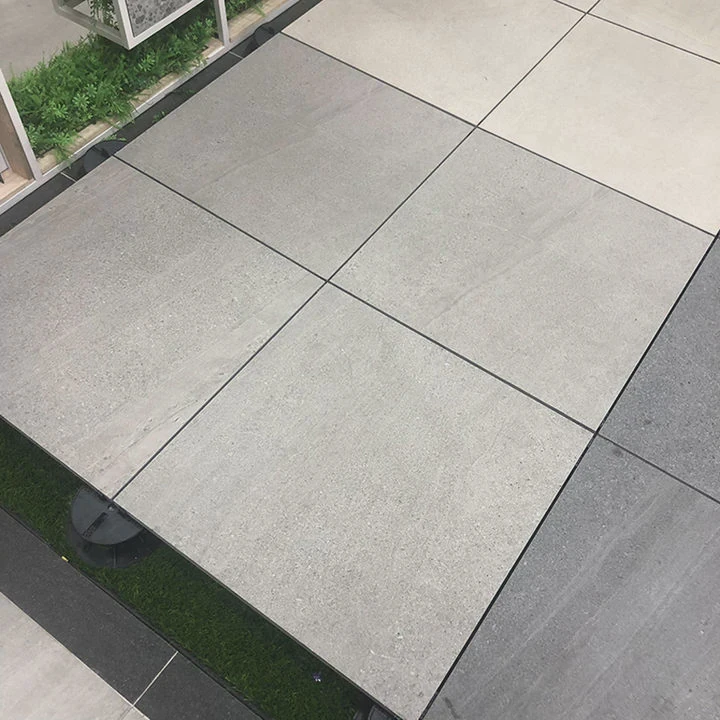
Grout is porous. It can absorb moisture, soap residue, and dirt. Sealing creates a protective barrier that improves durability and hygiene.
Step 1: Allow Proper Curing Time
After grout is applied, it needs time to cure. During this time, moisture slowly evaporates and the grout becomes stable.
Typical curing times include:
| Grout Type | Sealing Time |
|---|---|
| Cement grout | 48–72 hours |
| Rapid-setting grout | 24 hours |
| Epoxy grout | Usually no sealing required |
Sealing too early traps moisture inside the grout. This can weaken the grout or cause discoloration.
Step 2: Clean the Surface
Before applying sealer, the tile surface must be clean.
Dust, grout haze, or soap residue can reduce the sealer’s effectiveness. Installers usually wipe the surface with a damp sponge and allow it to dry completely.
Step 3: Apply the Sealer
There are two main types of grout sealers:
| Sealer Type | Features | Typical Use |
|---|---|---|
| Penetrating sealer | Absorbs into grout | Most shower walls |
| Surface sealer | Forms coating | Decorative applications |
Penetrating sealers are the most common choice because they allow moisture vapor to escape while blocking water penetration.
Step 4: Reapply Periodically
Grout sealing is not permanent. The protective layer gradually wears away.
In most residential showers, sealing should be repeated every 1–2 years depending on usage.
Signs that grout needs resealing include:
- Darkening grout lines
- Water soaking into grout quickly
- Stains that are hard to remove
Proper sealing protects the grout and helps maintain a clean appearance over time.
Which Adhesives Are Recommended for Shower Wall Tiles?
Choosing the wrong adhesive is a common cause of tile failure. Shower walls require adhesives that resist moisture and provide strong bonding.
The most recommended adhesives for shower wall tiles are polymer-modified thin-set mortar, epoxy adhesives, and certain waterproof tile adhesives designed for wet areas.
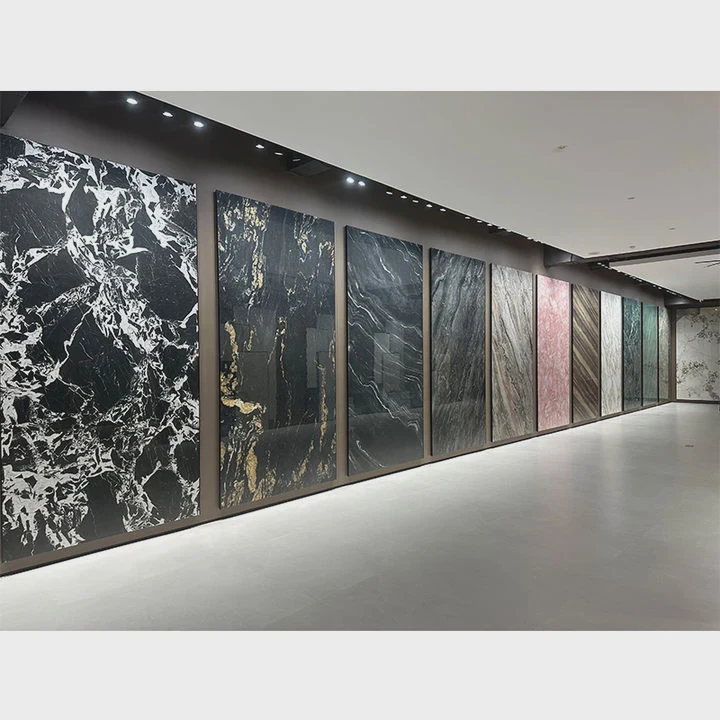
Tile adhesive must hold tiles firmly even when exposed to moisture and temperature changes. The correct choice depends on tile size, wall substrate, and installation conditions.
Thin-Set Mortar
Thin-set mortar is the most widely used tile adhesive.
It is made from cement, sand, and polymer additives. When mixed with water, it forms a strong bonding layer between tile and substrate.
Advantages include:
- High bonding strength
- Good moisture resistance
- Affordable cost
- Suitable for most ceramic and porcelain tiles
Thin-set works well for both residential and commercial shower installations.
Polymer-Modified Adhesives
Polymer-modified mortars contain extra bonding agents. These improve flexibility and adhesion.
This type of adhesive is ideal for large format tiles or areas with movement.
Benefits include:
| Feature | Benefit |
|---|---|
| Improved flexibility | Reduces cracking risk |
| Stronger bonding | Supports heavy tiles |
| Water resistance | Suitable for wet environments |
Many modern installations rely on this adhesive type.
Epoxy Tile Adhesives
Epoxy adhesives are premium products used in demanding environments.
They consist of resin and hardener components. When mixed, they create an extremely strong bond.
Key characteristics include:
- Very high bonding strength
- Excellent chemical resistance
- Completely waterproof
However, epoxy adhesives are more expensive and require experienced installers.
Choosing the Right Adhesive for Tile Size
Tile size also affects adhesive selection.
| Tile Size | Recommended Adhesive |
|---|---|
| Small mosaic tiles | Standard thin-set mortar |
| Medium tiles | Polymer-modified thin-set |
| Large format tiles | High-performance polymer mortar |
| Heavy stone tiles | Epoxy adhesive |
Large format tiles require stronger adhesives because of their weight.
Proper Adhesive Application
Correct installation technique is just as important as the adhesive type.
Installers usually follow these steps:
- Use the correct notched trowel size
- Apply mortar evenly on the wall
- Press tiles firmly into the adhesive
- Check tile alignment and spacing
Back-buttering large tiles also improves bonding strength.
With the right adhesive and installation method, shower wall tiles can remain secure for many years.
Conclusion
Successful shower wall tiling depends on proper waterproofing, correct tile selection, strong adhesives, and sealed grout. Each step protects the installation from moisture and ensures long-term durability in wet bathroom environments.
- Pre: How to Seal Tile Grout?
- Next: How Does Tile Work?