How to Tile a Shower?
- Sinotiles
- 2026-03-06
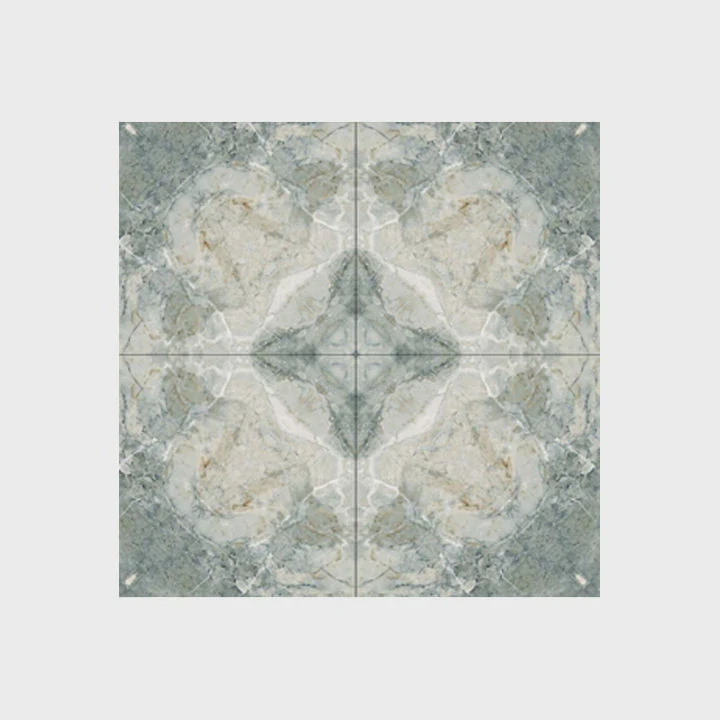
A leaky shower can ruin walls and floors. Poor tiling leads to water damage and costly repairs.
Properly tiling a shower ensures waterproof protection, stylish design, and long-lasting surfaces that handle moisture effectively.
Tiling a shower involves more than just placing tiles. Understanding waterproofing, patterns, grout, and home value impact ensures a professional finish and a durable shower space.
What shower surfaces require waterproofing?
Shower walls and floors are exposed to constant moisture. Without waterproofing, leaks and mold are inevitable.
All wet areas, including walls behind tiles, shower floors, and corners, need waterproofing membranes or sealants to prevent water penetration.
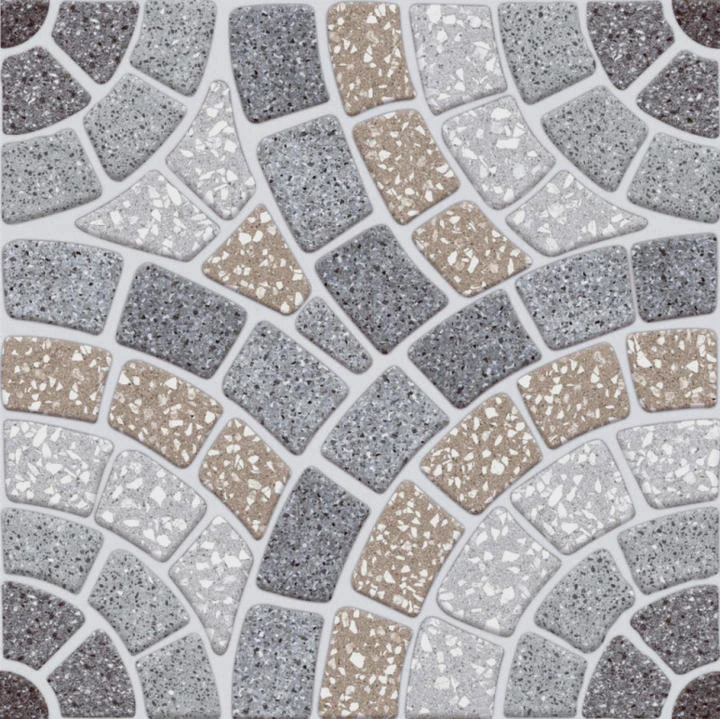
Waterproofing starts with preparing the substrate. Cement backer boards, properly installed, resist water better than drywall. Apply a liquid waterproofing membrane or sheet membrane over all shower walls and floors before tiling. Pay special attention to corners, seams, and niches, where water collects. Floors should slope slightly toward the drain for drainage. Skipping waterproofing risks water seeping behind tiles, causing mold, deterioration, and costly fixes.
Waterproofing areas
| Surface | Recommended Method | Tip |
|---|---|---|
| Walls | Liquid membrane or sheet | Extend 6–12 inches above shower line |
| Floor | Waterproofing layer | Ensure proper slope to drain |
| Corners | Sealant & tape | Prevent leak paths |
| Niches | Membrane inside | Protect edges and shelves |
Waterproofing is the foundation of a safe, long-lasting shower installation.
Extra precautions
- Inspect substrate for cracks before waterproofing.
- Allow membranes to cure fully.
- Test small areas for leaks before tiling.
Which tile patterns suit small showers?
Small showers can feel cramped if the wrong pattern is used. Large tiles sometimes overwhelm, while busy patterns can look cluttered.
Simple patterns like subway tiles, vertical stacks, or herringbone with lighter grout make small showers appear larger and stylish.
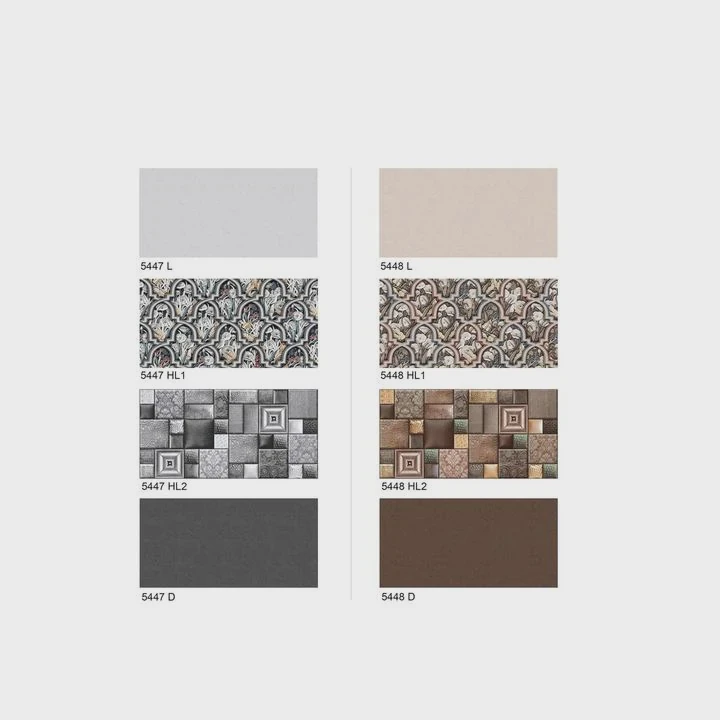
Tile patterns influence the perception of space. Subway tiles with staggered joints create visual flow. Vertical stacks draw eyes upward, making ceilings feel taller. Herringbone adds texture without overwhelming the space. Using light-colored grout with small tiles prevents a cramped look. I usually recommend avoiding very dark grout or highly intricate mosaics in tiny showers; they make the area feel closed in. Planning layout before starting prevents awkward cuts near fixtures.
Popular small shower patterns
| Pattern | Effect | Tip |
|---|---|---|
| Subway | Classic & clean | Stagger joints for flow |
| Vertical stack | Taller appearance | Use light grout |
| Herringbone | Textured style | Works best on one accent wall |
| Diagonal | Expands space visually | Avoid very large tiles |
Choosing the right pattern balances aesthetics and functionality, giving a sense of openness in limited areas.
Layout tips
- Plan cuts around showerhead and controls.
- Test pattern with dry layout first.
- Keep grout lines consistent for visual balance.
How to choose grout for wet areas?
Incorrect grout allows water to seep through and damage surfaces. Some types resist stains better than others.
Epoxy or waterproof cement-based grout works best for wet areas, providing stain resistance and long-lasting protection.
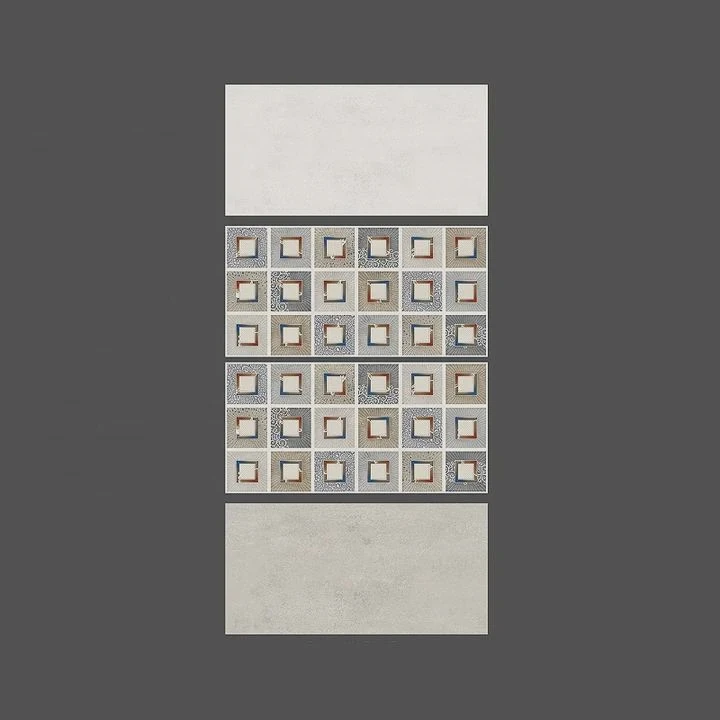
Wet areas need grout that handles moisture without cracking or discoloring. Epoxy grout is highly durable, water-resistant, and stain-proof, ideal for shower floors and walls. Cement-based grout can work if sealed properly. Narrow joints use unsanded grout to avoid scratching tiles, while wider joints need sanded grout for strength. I recommend sealing cement grout even after installation. Regular inspection ensures grout lines remain intact, preventing mold and leaks. Choosing the correct grout improves durability and reduces maintenance.
Grout selection guide
| Tile Type | Joint Width | Recommended Grout | Notes |
|---|---|---|---|
| Ceramic/Porcelain | < 1⁄8 inch | Unsanded | Smooth finish, avoids scratching |
| Ceramic/Porcelain | > 1⁄8 inch | Sanded | Resists shrinking & cracking |
| All types | Any | Epoxy | Waterproof & stain-resistant |
Additional advice
- Avoid overly bright colors on floors; they show stains.
- Apply grout evenly and press into joints fully.
- Seal cement grout to extend lifespan.
Can tiling a shower increase home value?
A poorly tiled shower decreases appeal, but a professional finish can boost property value. Buyers notice quality in wet areas.
A well-designed, properly installed shower with durable tiles and clean grout adds resale value by enhancing bathroom appeal and reducing future maintenance worries.
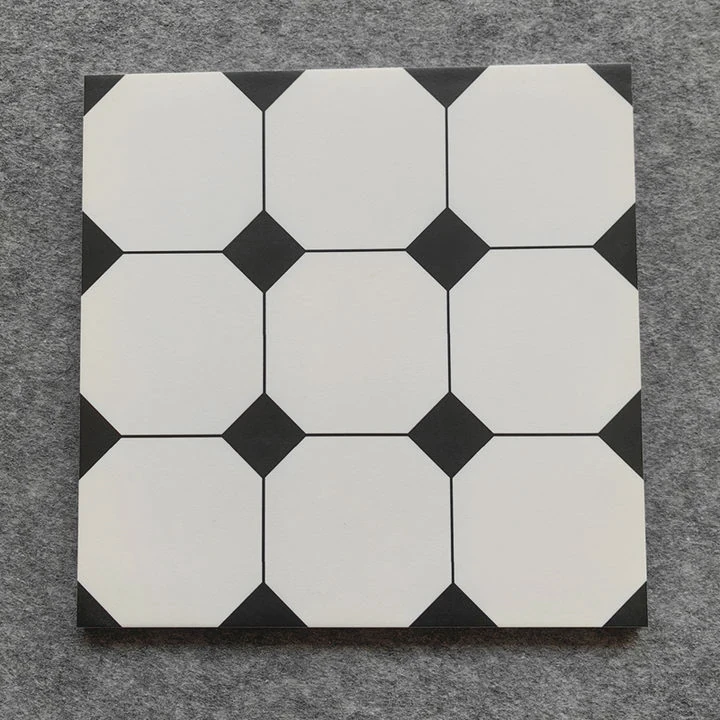
Investing in quality tiles and proper installation pays off. Stylish, neutral designs attract more buyers. Waterproofing and professional grout application reduce potential issues. I recommend coordinating colors with bathroom fixtures for a cohesive look. Even small showers with elegant tiling create a premium feel. Buyers value durability; they prefer showers that will not leak or require repairs. Using high-quality materials and finishes signals attention to detail, increasing home appeal.
Value enhancement tips
| Feature | Benefit |
|---|---|
| Neutral tiles | Broad buyer appeal |
| Waterproofing | Reduces repair costs |
| High-quality grout | Clean, long-lasting finish |
| Coordinated design | Professional look |
Proper shower tiling is an investment in both function and property value, providing practical benefits and aesthetic appeal.
Conclusion
Tiling a shower protects against water damage, enhances style, and boosts home value. Proper waterproofing, tile patterns, and grout selection ensure a durable and attractive shower.
- Pre: How to Clean Tile Grout?
- Next: How to Cut Tile?