How to Cut Tile?
- Sinotiles
- 2026-03-06

Cutting tiles incorrectly leads to cracks, chips, and wasted materials. Mistakes can ruin a project and cost time and money.
Proper tile cutting ensures precise fit, clean edges, and professional results. Using the right tools and techniques prevents damage and saves materials.
Understanding tools, methods, and precautions is key to accurate cutting. Let’s explore the best tools, chipping prevention, wet saw usage, and scoring techniques for small tiles.
Which tools cut tiles precisely?
Using wrong tools causes uneven cuts, broken tiles, and frustration. Precision tools make all the difference.
Tile cutters, wet saws, and scoring tools allow accurate and clean cuts depending on tile type and size.
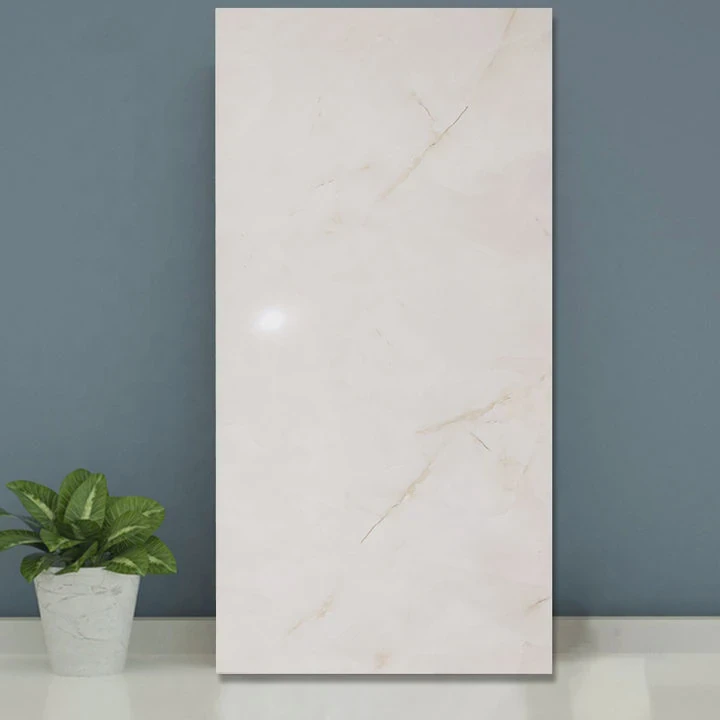
Tile cutting starts with selecting the right tool. Manual tile cutters are perfect for straight cuts on ceramic or porcelain tiles. Wet saws handle large or thick tiles, providing clean edges and reducing dust. Scoring tools work for thin or small tiles. I recommend measuring carefully and marking lines clearly. Test cuts on scrap pieces improve accuracy and confidence before cutting final tiles. Using proper tools also reduces fatigue and risk of injury.
Tile cutting tools table
| Tool | Best For | Tip |
|---|---|---|
| Manual cutter | Straight cuts on ceramic | Score then snap gently |
| Wet saw | Large or thick tiles | Keep water flowing to cool blade |
| Scoring tool | Thin or small tiles | Score deeply and snap carefully |
| Tile nippers | Irregular cuts | Use for curves and corners |
Using the right tool improves efficiency, reduces waste, and produces professional-looking cuts.
How to prevent tile chipping while cutting?
Chipping edges make tiles look unprofessional and may require replacement. Careful techniques prevent this.
Apply steady pressure, score properly, and support tiles fully. Using masking tape or slow cutting reduces chipping.

Tile edges chip when pressure is uneven or the blade is dull. I always place tiles on a flat surface and support edges with scrap wood or a rubber mat. Scoring lines deeply before snapping reduces edge splintering. Masking tape along the cut line prevents surface glaze from cracking. Using a sharp blade in a wet saw or manual cutter also minimizes chips. Take slow, deliberate cuts instead of forcing the tile through quickly. Consistent technique ensures smooth, professional edges.
Chipping prevention tips
| Technique | Benefit |
|---|---|
| Support edges | Prevents breakage |
| Deep scoring | Reduces surface chipping |
| Masking tape | Protects glaze |
| Sharp blade | Smooth cut edges |
| Slow cutting | Controlled results |
Practicing these steps before starting ensures fewer mistakes and better tile placement.
Can wet saws improve tile cutting accuracy?
Using a dry blade often causes cracks and dust. Wet saws help with precision and surface protection.
Wet saws provide clean, straight cuts by cooling the blade, reducing dust, and minimizing tile breakage.
Wet saws are ideal for large tiles or stone. Water keeps the blade cool, preventing warping and edge cracking. I always keep a steady pace and guide tiles slowly to ensure accuracy. Adjustable fences and miter guides help maintain straight cuts. Wet saws are especially useful for intricate cuts, including notches or angled edges. Proper safety equipment, like goggles and gloves, protects against splashing and sharp edges. Using a wet saw improves efficiency while producing professional-quality cuts.
Wet saw tips
| Feature | Purpose |
|---|---|
| Water flow | Cools blade and reduces dust |
| Adjustable fence | Keeps cuts straight |
| Miter guide | Angled cuts accuracy |
| Diamond blade | Cuts harder materials like porcelain or stone |
Consistent wet saw use ensures precision and reduces tile breakage, saving time and cost.
Are scoring tools suitable for small tiles?
Small tiles require careful handling to avoid breakage. Some methods are better suited than others.
Scoring tools work well for thin or small tiles when straight cuts are needed. They offer control and reduce the chance of cracking.
Scoring works best for tiles under 1⁄4 inch thick. I usually score along a measured line, then snap the tile using pliers or a straight edge. This method avoids using a saw on delicate small tiles, reducing chipping. For curved or irregular cuts, tile nippers are more suitable. Always mark cuts accurately, hold tiles firmly, and practice on spare pieces before cutting final tiles. Using proper scoring techniques allows small tiles to fit perfectly in tight spaces without damage.
Scoring tool tips
| Step | Action | Result |
|---|---|---|
| Measure & mark | Clear line | Accurate cut |
| Score line | Single pass | Weakens tile for snapping |
| Snap carefully | Use pliers or edge | Clean break |
| Sand edges | Smooth | Safe to handle |
Scoring small tiles gives precise results when applied carefully and reduces waste from mistakes.
Conclusion
Cutting tiles accurately ensures professional installation, reduces waste, and prevents chipping. Using the right tools, proper techniques, and wet or scoring methods guarantees clean, precise results for every project.