How to Tile Bathtub Surround?
- Sinotiles
- 2026-05-22
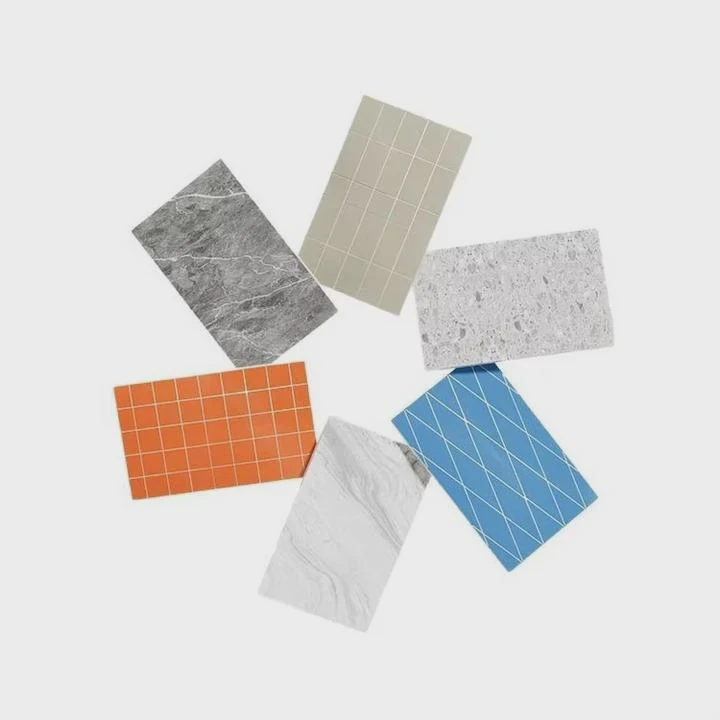
Many bathtub surrounds begin showing cracks, mold, or loose tiles after only a few years. Most problems happen because water enters behind the tile where poor preparation and weak waterproofing allow hidden damage to grow.
A durable bathtub surround requires proper wall preparation, reliable waterproofing, moisture-resistant backer boards, and careful tile installation. When every layer is installed correctly, the tile system stays strong, clean, and water-resistant for many years.
A bathtub surround faces constant moisture, steam, soap residue, and temperature changes every day. The visible tile surface may look simple, but the layers underneath determine whether the installation lasts or fails. Many experienced installers know that successful tile work starts long before the first tile touches the wall.
What Preparation Is Needed for Bathtub Surround Tiling?
Many tile installations fail because the wall preparation was rushed. Uneven surfaces, weak framing, and poor cleaning often create problems later that are difficult and expensive to repair.
Proper bathtub surround preparation includes checking wall framing, installing moisture-resistant backer boards, leveling surfaces, cleaning the substrate, and planning the tile layout before waterproofing and tile installation begin.
Preparation forms the foundation of the entire tile system. Even high-quality porcelain tiles cannot hide structural weaknesses underneath.
Inspect the Wall Structure First
The wall framing must remain stable before tile installation begins. Loose or uneven studs may shift later and crack grout or loosen tiles.
Professional installers usually check:
- Stud spacing
- Wall alignment
- Moisture damage
- Structural movement
- Surface flatness
Any damaged framing should be repaired before moving forward.
Remove Old Materials Completely
Old drywall, damaged adhesive, or moldy surfaces should never remain behind a new tile installation.
Common removal steps include:
- Removing loose wall panels
- Cleaning dust and debris
- Checking for water damage
- Drying wet areas fully
Skipping this stage often traps hidden moisture behind the new tile system.
Flat Walls Improve Tile Appearance
Modern bathrooms often use large-format porcelain wall tiles. These tiles require flat surfaces to avoid uneven edges called lippage.
Wall leveling helps:
- Improve tile alignment
- Reduce adhesive gaps
- Create cleaner grout lines
- Improve final appearance
Many installers use long straightedges to verify wall flatness before starting.
Layout Planning Prevents Small Tile Cuts
Experienced installers usually plan the tile pattern before applying adhesive.
Good layout planning helps:
- Center decorative patterns
- Balance tile cuts
- Align grout joints
- Improve visual symmetry
This becomes especially important around bathtubs, plumbing fixtures, and corners.
Surface Cleaning Improves Adhesion
Dust and debris weaken tile adhesive bonding. Clean surfaces help the mortar attach securely.
Professional preparation often includes:
- Vacuum cleaning
- Surface wiping
- Removing grease
- Drying the substrate
These small steps often improve long-term tile durability significantly.
Reinforce Weak Areas Before Waterproofing
Corners and plumbing penetrations are high-risk areas for movement and moisture.
Installers often reinforce:
- Wall corners
- Faucet openings
- Shower valve areas
- Tub-to-wall transitions
This reduces cracking and waterproofing failures later.
Preparation Reduces Future Repairs
Many long-term tile failures begin with rushed preparation.
Poor preparation may lead to:
- Cracked grout
- Loose tiles
- Water penetration
- Uneven tile surfaces
Fixing these issues after installation usually costs much more than doing the preparation correctly from the start.
How Can Waterproofing Protect Bathtub Walls?
Water enters bathtub walls every day through grout joints, corners, and small openings. Without waterproofing, moisture slowly damages the structure behind the tile surface.
Waterproofing protects bathtub walls by creating a moisture barrier behind the tile. It prevents leaks, mold growth, wood rot, and long-term structural damage caused by constant water exposure.
Many people assume tile and grout stop all water. In reality, moisture slowly passes through grout over time.
Tile Alone Is Not Waterproof
The visible tile layer mainly provides appearance and wear resistance. The waterproof layer behind the tile protects the actual wall structure.
A complete bathtub surround system usually includes:
- Waterproof membrane
- Sealed joints
- Reinforced corners
- Protected pipe penetrations
Without these layers, water eventually reaches the framing and insulation behind the wall.
Common Waterproofing Systems
Modern bathtub surrounds use several waterproofing methods depending on project requirements.
| Waterproofing Type | Main Advantage |
|---|---|
| Liquid membrane | Flexible and easy around corners |
| Sheet membrane | Consistent waterproof thickness |
| Waterproof foam board | Combines insulation and waterproofing |
Many installers choose liquid membranes for remodeling projects because they adapt well to irregular surfaces.
Corners and Fixtures Need Extra Protection
Most water leaks happen at transition points rather than flat wall surfaces.
Critical waterproofing areas include:
- Bathtub edges
- Wall corners
- Faucet openings
- Shower valve penetrations
- Niches and shelves
Professional installers spend extra time sealing these sections carefully.
Hidden Moisture Causes Expensive Damage
Water damage inside walls develops slowly and often stays hidden for months or years.
Common hidden problems include:
- Mold growth
- Rotten framing
- Swollen drywall
- Loose tiles
- Bad odors
By the time visible signs appear, repairs are usually expensive and time-consuming.
Waterproofing Improves Tile System Stability
Dry substrates help adhesives remain stronger over time. Constant moisture weakens bonding and increases movement behind the tile.
Good waterproofing helps:
- Prevent tile loosening
- Reduce grout cracking
- Improve wall stability
- Extend installation lifespan
This becomes especially important in hotels, apartments, and busy family bathrooms.
Waterproofing Supports Better Hygiene
Bathrooms with trapped moisture often develop mold and bacteria more easily.
A properly waterproofed bathtub surround:
- Dries faster
- Resists mold growth
- Improves indoor air quality
- Simplifies cleaning
This creates a healthier bathroom environment over the long term.
Professional Waterproofing Protects Reputation
For contractors and developers, leaking bathroom walls often lead to major customer complaints.
Reliable waterproof systems reduce:
- Warranty claims
- Repair costs
- Project delays
- Customer dissatisfaction
Long-term project quality often depends more on waterproofing than on tile design alone.
Why Use Backer Boards in Wet Areas?
Some people try to install tile directly over regular drywall in wet areas. This usually creates serious moisture problems after repeated water exposure.
Backer boards are used in wet areas because they resist moisture, support tile weight, improve wall stability, and create a stronger foundation for waterproofing and tile installation.
Wet environments place constant stress on wall materials. Standard drywall absorbs moisture and weakens quickly when exposed to repeated humidity.
Cement Board Resists Moisture Better
Cement backer boards are made for wet environments like showers and bathtub surrounds.
Common backer board options include:
- Cement board
- Fiber cement board
- Waterproof foam board
These materials maintain structural stability even with constant moisture exposure.
| Backer Board Type | Water Resistance | Common Use |
|---|---|---|
| Drywall | Low | Dry indoor spaces |
| Cement board | High | Bathtub surrounds |
| Foam board | Very high | Premium waterproof systems |
Many contractors prefer foam boards in modern bathrooms because they are lightweight and easier to cut.
Backer Boards Support Heavy Tile
Large-format porcelain and ceramic tiles require strong wall support.
Weak substrates may cause:
- Tile movement
- Cracked grout
- Loose adhesive
- Uneven surfaces
Backer boards help distribute tile weight more evenly across the wall structure.
Moisture Resistance Extends Lifespan
Repeated steam and water exposure weaken ordinary wall materials over time.
Backer boards help:
- Reduce water absorption
- Improve waterproofing performance
- Prevent wall swelling
- Increase installation durability
This is especially important in high-use bathrooms.
Backer Boards Improve Waterproof Adhesion
Waterproof membranes bond more reliably to cement-based surfaces than to regular drywall paper.
This creates:
- Better membrane attachment
- Stronger waterproof seams
- Improved moisture resistance
The combination of backer board and waterproofing forms a much stronger shower wall system.
Installation Accuracy Matters
Even high-quality backer boards must be installed correctly.
Professional installers usually:
- Fasten boards securely
- Stagger joints properly
- Tape seams carefully
- Leave correct expansion gaps
Improper installation may still create movement and cracking later.
Foam Boards Simplify Modern Construction
Modern waterproof foam boards combine multiple functions into one system.
Benefits include:
- Waterproof surface
- Thermal insulation
- Lightweight handling
- Faster installation
Many luxury projects now use foam systems to reduce labor time and simplify waterproofing.
Strong Backing Improves Long-Term Performance
Backer boards protect the hidden structure behind the tile system.
Good support layers help:
- Extend tile lifespan
- Reduce maintenance
- Improve customer satisfaction
- Lower long-term repair costs
This matters heavily in both residential and commercial bathroom projects.
Which Steps Ensure Durable Tile Installation?
Many bathtub surrounds look good immediately after installation but fail years later because small technical steps were skipped during construction.
Durable bathtub surround installation requires stable wall framing, proper waterproofing, correct adhesive coverage, accurate tile spacing, flexible joint protection, careful grouting, and final inspection before use.
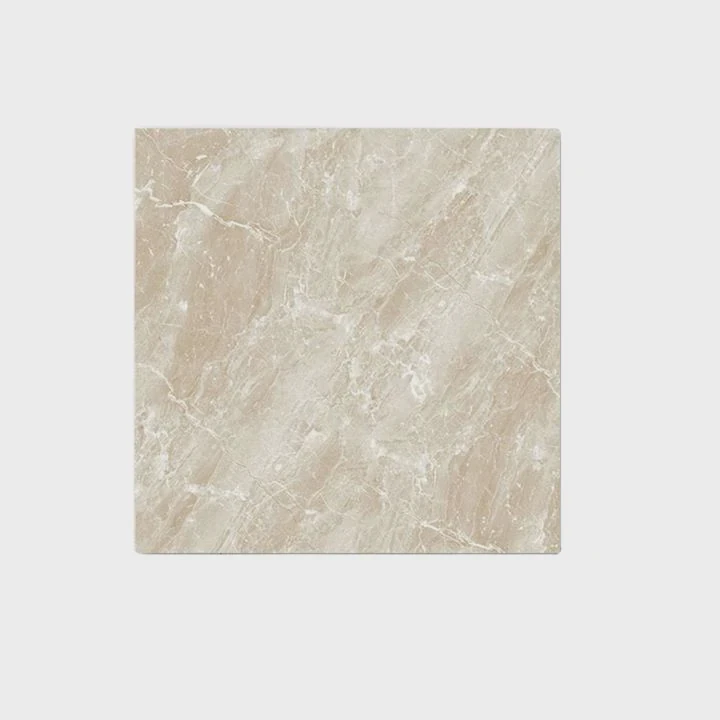
Long-lasting tile systems depend on every layer working together correctly. One weak section can shorten the lifespan of the entire installation.
Step 1: Build a Stable Wall System
The wall structure must remain rigid before tile installation begins.
Professional installers usually:
- Reinforce framing
- Secure backer boards tightly
- Eliminate wall flex
- Verify alignment carefully
Stable walls reduce future cracking risk.
Step 2: Waterproof Every Critical Area
Waterproofing should fully protect:
- Bathtub edges
- Corners
- Pipe penetrations
- Niches
- Seams
Incomplete waterproofing often causes hidden leaks behind the tile.
Step 3: Use High-Quality Tile Adhesive
Wet environments require strong and flexible bonding materials.
Professional installers often choose:
- Polymer-modified thin-set
- Moisture-resistant mortar
- Flexible tile adhesives
These products handle temperature changes and moisture movement more effectively.
Step 4: Achieve Full Adhesive Coverage
Hollow spaces behind tiles weaken the installation.
Poor adhesive coverage may lead to:
- Tile cracking
- Water penetration
- Loose sections
- Reduced durability
Back buttering large-format tiles often improves bonding strength.
Step 5: Use Tile Spacers for Alignment
Spacers maintain consistent grout lines and improve installation appearance.
Good spacing helps:
- Create straight grout joints
- Improve water resistance
- Support movement tolerance
- Enhance visual balance
Many modern projects also use tile leveling systems for large-format walls.
Step 6: Protect Expansion Joints
Buildings naturally move slightly over time because of temperature and structural changes.
Flexible sealants are normally used at:
- Wall corners
- Tub transitions
- Ceiling joints
- Material changes
This reduces stress on grout and tile edges.
Step 7: Apply Grout Carefully
Grout quality affects both appearance and moisture protection.
| Grout Type | Main Benefit |
|---|---|
| Cement grout | Affordable and common |
| Epoxy grout | High stain resistance |
| Polymer grout | Better flexibility |
Many commercial bathroom projects prefer epoxy grout because it handles moisture better.
Step 8: Perform Final Cleaning and Inspection
The final stage includes:
- Removing grout haze
- Checking tile alignment
- Inspecting waterproof seals
- Testing drainage areas
Careful inspection improves overall project quality and customer satisfaction.
Skilled Installation Protects Long-Term Value
Even premium porcelain tiles cannot compensate for poor workmanship.
Experienced installers understand:
- Moisture movement
- Adhesive performance
- Expansion control
- Waterproof detailing
This technical knowledge often determines whether a bathtub surround lasts five years or twenty years.
Conclusion
Tiling a bathtub surround successfully requires careful preparation, strong waterproofing, moisture-resistant backer boards, and precise installation methods. When every layer is installed correctly, the tile system remains durable, attractive, and resistant to long-term water damage.